

Why Can’t You Bathe Chinchillas? The Importance of Dust Baths
The reason you should never bathe chinchillas in water is due to the density of their fur, which can trap moisture and lead to severe health problems, including fungal infections and hypothermia; instead, they require regular dust baths to maintain a healthy coat.

Chinchillas, those undeniably adorable and fluffy rodents hailing from the Andes Mountains, possess an exceptionally dense fur coat—much denser than that of most mammals. While this luxurious fur provides vital insulation in their native cold, dry environment, it also presents a unique grooming challenge. Forget the usual dog shampoo and rubber duckies; water baths are a definite no-go for these delicate creatures. Understanding why water baths are harmful and embracing the dust bath alternative is crucial for responsible chinchilla ownership.
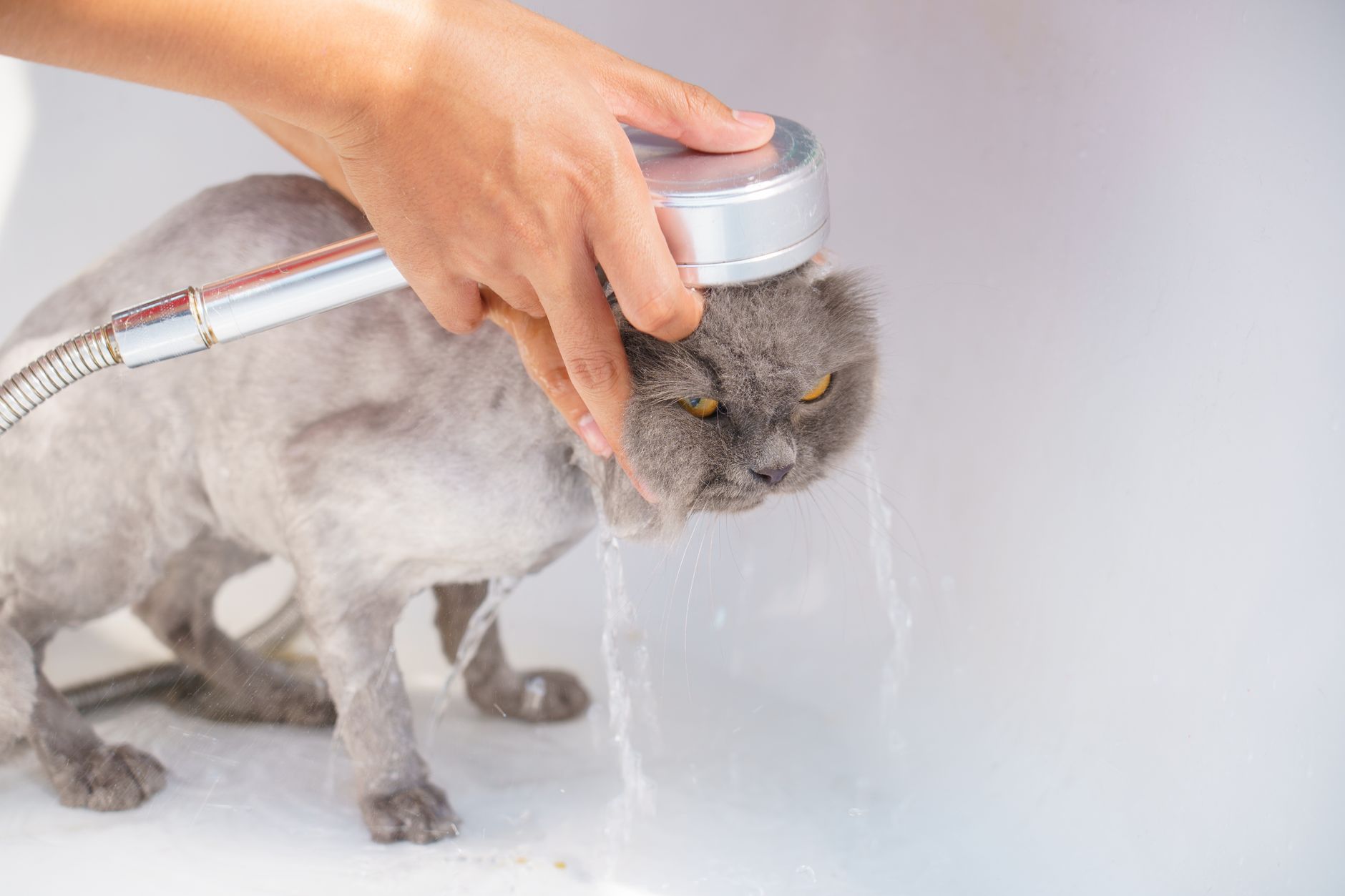
The Dangers of Water Baths for Chinchillas
Water, seemingly innocuous, can become a significant threat to a chinchilla’s health due to the unique properties of their fur. The extreme density traps water close to the skin, creating a breeding ground for bacteria and fungi.
- Density of Fur: A chinchilla’s fur has approximately 60-80 hairs emerging from a single follicle, compared to the 1-3 hairs per follicle in humans. This density means water penetrates slowly and, more importantly, dries extremely slowly.
- Risk of Fungal Infections: The damp environment created by trapped water is ideal for fungal growth, leading to conditions like ringworm or fur rot. These infections are uncomfortable, difficult to treat, and can spread quickly.
- Hypothermia: Even in warm conditions, a wet chinchilla can quickly become chilled as the water evaporates from its fur, drawing heat from the body. This is especially dangerous for young or elderly chinchillas.
- Stress and Shock: The experience of being submerged in water is profoundly stressful for chinchillas, which are not adapted to aquatic environments. This stress can weaken their immune system and make them more susceptible to illness.
What colours are fish most attracted to?
Can you put your finger in a trout's mouth?
Is methylene blue anti bacterial?
Does aquarium salt raise pH in aquarium?
Dust Baths: The Natural Grooming Solution

Chinchillas have evolved a natural mechanism for cleaning their fur: dust bathing. In their native habitat, they roll around in volcanic ash to absorb excess oils and dirt, keeping their coats clean and fluffy. Replicating this natural behavior is essential for their well-being in captivity.
- Type of Dust: It’s crucial to use chinchilla dust specifically designed for them. This dust is typically made from finely ground volcanic ash or sepiolite clay. Do NOT use sand, soil, or other types of dust, as these can be abrasive and damaging to their fur.
- Frequency: The frequency of dust baths depends on the individual chinchilla and environmental conditions. Generally, 2-3 times per week for 15-30 minutes each session is sufficient.
- Container: Provide a sturdy container large enough for the chinchilla to comfortably roll around in. A ceramic or metal bowl is ideal.
- Dust Management: Change the dust regularly to prevent it from becoming soiled with urine or feces. Keep the dust in a sealed container when not in use to prevent it from absorbing moisture from the air.
The Dust Bathing Process: Step-by-Step
Making dust baths a regular part of your chinchilla’s routine ensures their coat remains healthy and clean.
- Prepare the Dust Bath: Pour approximately 1-2 inches of chinchilla dust into a suitable container.
- Introduce the Chinchilla: Place the container with the dust into the chinchilla’s cage. They will instinctively understand what to do.
- Supervise the Bath: Allow the chinchilla to enjoy the dust bath for 15-30 minutes. Supervise them to ensure they don’t ingest excessive amounts of dust.
- Remove the Dust Bath: After the designated time, remove the dust bath from the cage.
- Clean the Dust Bath: Regularly remove any clumps of dust and replace with fresh dust.
Common Mistakes to Avoid
Even with the best intentions, it’s easy to make mistakes when providing dust baths. Avoiding these common pitfalls ensures your chinchilla’s safety and health.
- Using the Wrong Dust: As mentioned earlier, only use chinchilla dust. Other substances can damage their fur and irritate their skin.
- Leaving the Dust Bath in the Cage Constantly: This allows the dust to become contaminated with urine and feces, making it unhygienic.
- Bathing Too Frequently or Infrequently: Over-bathing can dry out the skin, while under-bathing can lead to a greasy coat.
- Using a Humid Environment: A humid environment will clump the dust making it non-effective.
| Mistake | Consequence | Prevention |
|---|---|---|
| Wrong Dust | Skin irritation, fur damage | Use only chinchilla-specific dust |
| Constant Availability | Contamination, increased risk of ingestion | Remove the bath after use |
| Incorrect Frequency | Oily/dry coat | Adjust based on individual chinchilla needs |
| Humid Environment | Clumping of the dust; dust is non-effective | Avoid humid environments when preparing a dust bath |
Frequently Asked Questions (FAQs)
What if my chinchilla gets accidentally wet?
If your chinchilla gets accidentally wet, the most important thing is to dry them immediately. Use a clean, absorbent towel to gently blot the fur. You can also use a low-heat hairdryer, held at a safe distance, to help dry the fur. Ensure they are in a warm, draft-free environment until completely dry. Monitor for signs of illness, such as lethargy or shivering.
Can I use a damp cloth to spot clean my chinchilla?
While water baths are a definite no, a slightly damp cloth can be used for very small, localized areas of dirt or staining. Be sure to dry the area immediately and thoroughly with a clean towel and avoid getting the fur too wet. Never use soap or shampoo.
How often should I replace the chinchilla dust?
The frequency of replacement depends on how often your chinchilla uses the dust bath and how clean they are. Generally, you should replace the dust at least once a week, or more frequently if it appears soiled.
Is it normal for my chinchilla to eat the dust?
It is not uncommon for chinchillas to ingest small amounts of dust while bathing. As long as you’re using chinchilla-specific dust, this is usually not a cause for concern. However, if you notice your chinchilla is consistently eating large amounts of dust, consult with a veterinarian.
My chinchilla doesn’t seem interested in dust baths. What should I do?
Some chinchillas take to dust baths immediately, while others may need encouragement. Try placing the dust bath in their favorite area of the cage or adding a small toy to the container. You can also try gently sprinkling some dust on their fur to pique their interest.
What are the signs of a fungal infection in my chinchilla?
Signs of a fungal infection include hair loss, scaly or crusty skin, redness, and itching. The most common areas affected are the ears, nose, and feet. If you suspect a fungal infection, consult with a veterinarian immediately.
Are there different types of chinchilla dust?
Yes, there are different brands and formulations of chinchilla dust. Look for dust that is specifically labeled for chinchillas and made from natural materials like volcanic ash or sepiolite clay. Avoid dusts that contain added perfumes or chemicals.
How can I prevent my chinchilla from getting wet in the first place?
Keep water bottles and bowls away from areas where your chinchilla might accidentally spill or splash water on themselves. Avoid humid environments, and always clean up any spills immediately.
What should I do if my chinchilla is shivering after getting wet?
Shivering is a sign of hypothermia. Immediately dry your chinchilla with a towel and place them in a warm, draft-free environment. You can use a low-heat heating pad or wrap them in a warm blanket. Monitor their temperature and consult with a veterinarian if their condition doesn’t improve.
Can I use baby powder or cornstarch instead of chinchilla dust?
No, do not use baby powder or cornstarch. These products can be harmful to chinchillas if inhaled or ingested. They can also clog their pores and lead to skin irritation.
Is it okay to use a commercial chinchilla ‘shampoo’ that claims to be safe?
Many commercial chinchilla “shampoos” marketed as safe are still not recommended. Their fur density and grooming needs are so sensitive that even the gentlest shampoos often create more harm than good. It’s ALWAYS safest to stick with the traditional dust bath, which they have adapted to and provides the best care for their fur. If you feel that your chinchilla’s fur is not being properly cleaned using the dust bath, please consult with a veterinarian.
Why can’t you bath chinchillas if other rodents like rats and guinea pigs can be?
The reason you cannot bath chinchillas is based on their uniquely dense fur and their natural adaptation to dust bathing. Rats and guinea pigs have different fur structures and less dense coats, making them capable of drying more effectively after a bath. Furthermore, rats and guinea pigs have oilier coats and their bodies need the bath to remove the excess oils. Why can’t you bath chinchillas? Because their health and well-being rely on replicating their natural grooming habits with dust baths, avoiding water exposure altogether.