
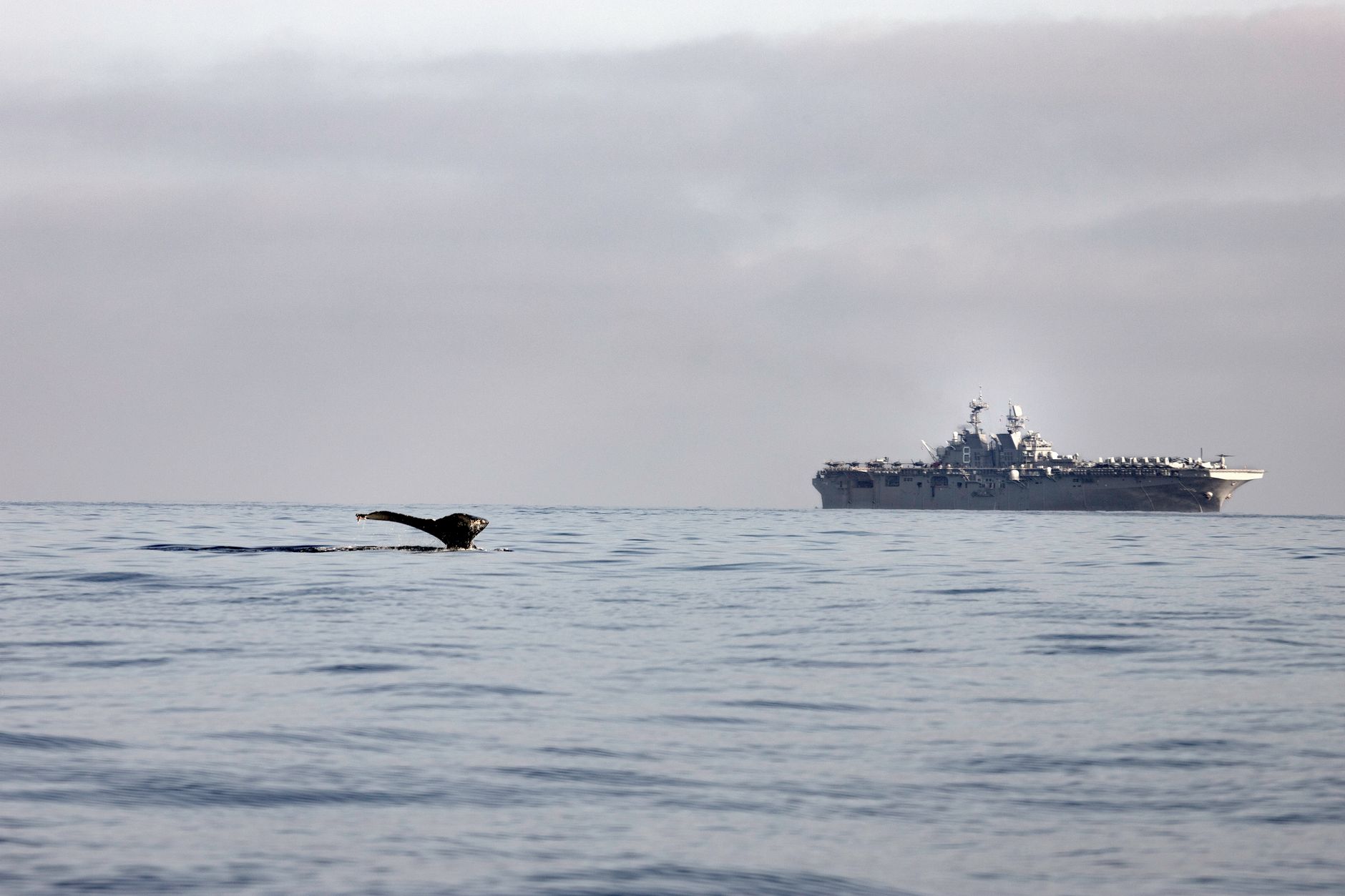
Why Can’t Whales Avoid Ships? A Deep Dive
Why can’t whales avoid ships? It’s a tragic question, but the answer lies in a complex interplay of factors, from the whales’ sensory limitations and behavioral patterns to the increasing presence and speed of modern vessels, all contributing to a situation where collisions are often unavoidable for these magnificent creatures.
The Increasing Risk of Whale-Ship Collisions
The world’s oceans are increasingly crowded. As global trade expands, so does the number of ships traversing the seas. This escalating maritime traffic poses a significant threat to marine life, particularly whales. Understanding why can’t whales avoid ships is crucial to implementing effective conservation strategies and mitigating these deadly encounters.
What colours are fish most attracted to?
Can you put your finger in a trout's mouth?
Is methylene blue anti bacterial?
Does aquarium salt raise pH in aquarium?
Whale Sensory Limitations

While whales possess sophisticated sensory systems, they aren’t always optimally suited for detecting and reacting to large, fast-moving ships. Their reliance on sound, for example, can be problematic in noisy environments.
- Auditory Overload: The ocean is filled with anthropogenic noise, including ship engines, sonar, and other human-generated sounds. This noise pollution can mask the sound of approaching vessels, making it difficult for whales to detect them.
- Acoustic Masking: Low-frequency noise from ships can overlap with the frequencies used by some whale species for communication and navigation, further hindering their ability to perceive approaching danger.
- Limited Vision: While some whale species possess relatively good vision, especially underwater, visibility can be limited by weather conditions, water clarity, and the size and speed of the ship. Surface glare can also reduce visibility of nearby ships.
Whale Behavioral Patterns
Certain whale behaviors can also increase their vulnerability to ship strikes.
- Surface Feeding: Many whales feed near the surface, where they are more likely to encounter ships. This is especially true for baleen whales that filter-feed on krill and plankton.
- Migration Routes: Whales often follow predictable migration routes that may intersect with busy shipping lanes. This predictable behavior makes them more vulnerable to collisions in specific areas at specific times of the year.
- Social Behaviors: Whales engage in various social behaviors, such as mating and calf rearing, which can distract them from potential hazards. Mother whales often protect their calves fiercely, sometimes placing themselves at greater risk.
- Unpredictable Behavior at the Surface: Whales engage in unpredictable behaviour at the surface such as lobtailing or breaching, which can render them vulnerable to ship strikes.
Ship Characteristics
The characteristics of ships themselves also play a significant role in whale-ship collisions.
- Speed: Faster ships have a higher kinetic energy, making collisions more likely to be fatal. They also provide whales with less time to react and avoid a collision.
- Size: Larger ships are more difficult to detect and avoid. Their draft also means they can access shallower waters, increasing the likelihood of encountering whales.
- Hull Design: The shape of a ship’s hull can affect the severity of a collision. Some hull designs are more likely to cause serious injury or death to whales.
Other Contributing Factors
Besides sensory limitations, behavioral patterns, and ship characteristics, other factors contribute to the problem:
- Increasing Ship Traffic: As global trade increases, so does the number of ships at sea, leading to more frequent encounters between whales and vessels.
- Climate Change: Shifting prey distributions due to climate change may force whales to change their foraging habits and migration routes, potentially leading them into areas with higher ship traffic.
Solutions and Mitigation Strategies
Addressing the issue of why can’t whales avoid ships requires a multi-faceted approach.
- Slower Ship Speeds: Reducing ship speeds in areas known to be frequented by whales is one of the most effective ways to reduce the risk of collisions.
- Route Modification: Adjusting shipping lanes to avoid areas with high whale densities can significantly reduce the frequency of encounters.
- Acoustic Monitoring: Deploying acoustic monitoring systems to detect whales in real-time can allow ships to take evasive action.
- Whale Alert Systems: Developing and implementing whale alert systems that provide real-time information about whale locations to ship captains can help them avoid collisions.
- Education and Awareness: Educating ship captains and crew members about the risks of whale-ship collisions and providing them with the tools and knowledge to avoid them is crucial.
- Technological Solutions: Developing new technologies, such as whale detection radar or underwater warning systems, can help reduce the risk of collisions.
- Research and Monitoring: Continued research and monitoring of whale populations and their movements are essential for understanding the problem and developing effective solutions.
| Mitigation Strategy | Description | Potential Benefits | Challenges |
|---|---|---|---|
| Reduced Ship Speed | Requiring ships to travel at slower speeds in whale habitats. | Significantly reduces the likelihood of fatal collisions; gives whales more time to react. | Can increase shipping times and costs; requires enforcement. |
| Route Modification | Adjusting shipping lanes to avoid high-density whale areas. | Reduces the frequency of encounters between whales and ships. | Can increase shipping distances and fuel consumption; requires detailed knowledge of whale distribution. |
| Acoustic Monitoring | Using hydrophones to detect whale sounds in real-time. | Provides early warning of whale presence; allows ships to take evasive action. | Can be expensive to deploy and maintain; requires sophisticated data analysis. |
Frequently Asked Questions (FAQs)
What are the most common injuries whales suffer from ship strikes?
Ship strikes can cause a range of injuries to whales, from superficial wounds to severe trauma. Common injuries include fractures, lacerations, internal bleeding, and spinal damage. In many cases, the injuries are fatal, either immediately or over time.
Are some whale species more vulnerable to ship strikes than others?
Yes, some whale species are more vulnerable due to their size, behavior, and habitat. North Atlantic right whales, for example, are particularly vulnerable because they are slow-moving, spend a significant amount of time near the surface, and inhabit areas with high ship traffic. Fin whales are also frequently involved in ship strikes.
How does noise pollution affect whales’ ability to navigate and communicate?
Noise pollution from ships and other human activities can interfere with whales’ ability to navigate, communicate, and find food. Acoustic masking occurs when anthropogenic noise drowns out the sounds that whales rely on, making it difficult for them to hear each other and their environment. This can lead to stress, reduced foraging efficiency, and increased vulnerability to ship strikes.
Can whales learn to avoid ships over time?
While there is some evidence that whales can learn to avoid ships in certain situations, it is not a widespread or reliable behavior. The speed and size of modern ships often make it difficult for whales to react quickly enough, even if they are aware of the vessel’s presence. Furthermore, learned avoidance behavior may not be passed on to subsequent generations.
What is the role of international organizations in addressing whale-ship collisions?
International organizations such as the International Maritime Organization (IMO) play a critical role in developing and implementing regulations to reduce the risk of whale-ship collisions. The IMO can adopt measures such as speed limits, route modifications, and mandatory reporting systems to protect whales and other marine life.
Are there any technologies being developed to help ships avoid whales?
Yes, there are several technologies being developed to help ships avoid whales. These include whale detection radar, underwater warning systems, and real-time whale alert systems. These technologies aim to provide ship captains with early warning of whale presence, allowing them to take evasive action.
What can individual boaters do to reduce the risk of hitting a whale?
Individual boaters can take several steps to reduce the risk of hitting a whale, including reducing speed in areas known to be frequented by whales, keeping a sharp lookout, and being aware of whale behaviors. It is also important to report any sightings of whales to local authorities.
How do ship strikes impact whale populations?
Ship strikes can have a significant impact on whale populations, particularly those that are already endangered or vulnerable. Collisions can cause direct mortality, as well as injuries that lead to reduced reproductive success and overall population decline. The cumulative effect of ship strikes can hinder the recovery of whale populations and even push them closer to extinction.
What are “dynamic management areas” and how do they protect whales?
Dynamic management areas (DMAs) are temporary measures implemented in response to real-time whale sightings. When whales are detected in a specific area, a DMA is established, and ships are asked to reduce their speed or avoid the area altogether. DMAs are a flexible and adaptive way to protect whales in areas where they are known to be present.
What is the role of government regulations in preventing whale-ship collisions?
Government regulations are essential for preventing whale-ship collisions. Regulations can include speed limits, mandatory reporting systems, and requirements for ships to use certain technologies to detect whales. Effective enforcement of these regulations is crucial for protecting whale populations.
What is the economic impact of ship strikes on whale watching industries?
Ship strikes can have a negative economic impact on whale watching industries. If whale populations decline due to ship strikes, the attractiveness of whale watching tours may decrease, leading to reduced revenue for tour operators. In addition, the cost of rescuing and rehabilitating injured whales can be substantial.
What is the future outlook for mitigating whale-ship collisions?
The future outlook for mitigating whale-ship collisions is promising, but requires sustained effort and collaboration. Continued research, technological innovation, and effective regulations are essential for reducing the risk of collisions and protecting whale populations. Increased awareness and education among ship captains and the general public will also play a crucial role. Understanding why can’t whales avoid ships is the key to driving positive change.