
Why Can’t Puppies Go Out Until 12 Weeks? A Veterinarian’s Perspective
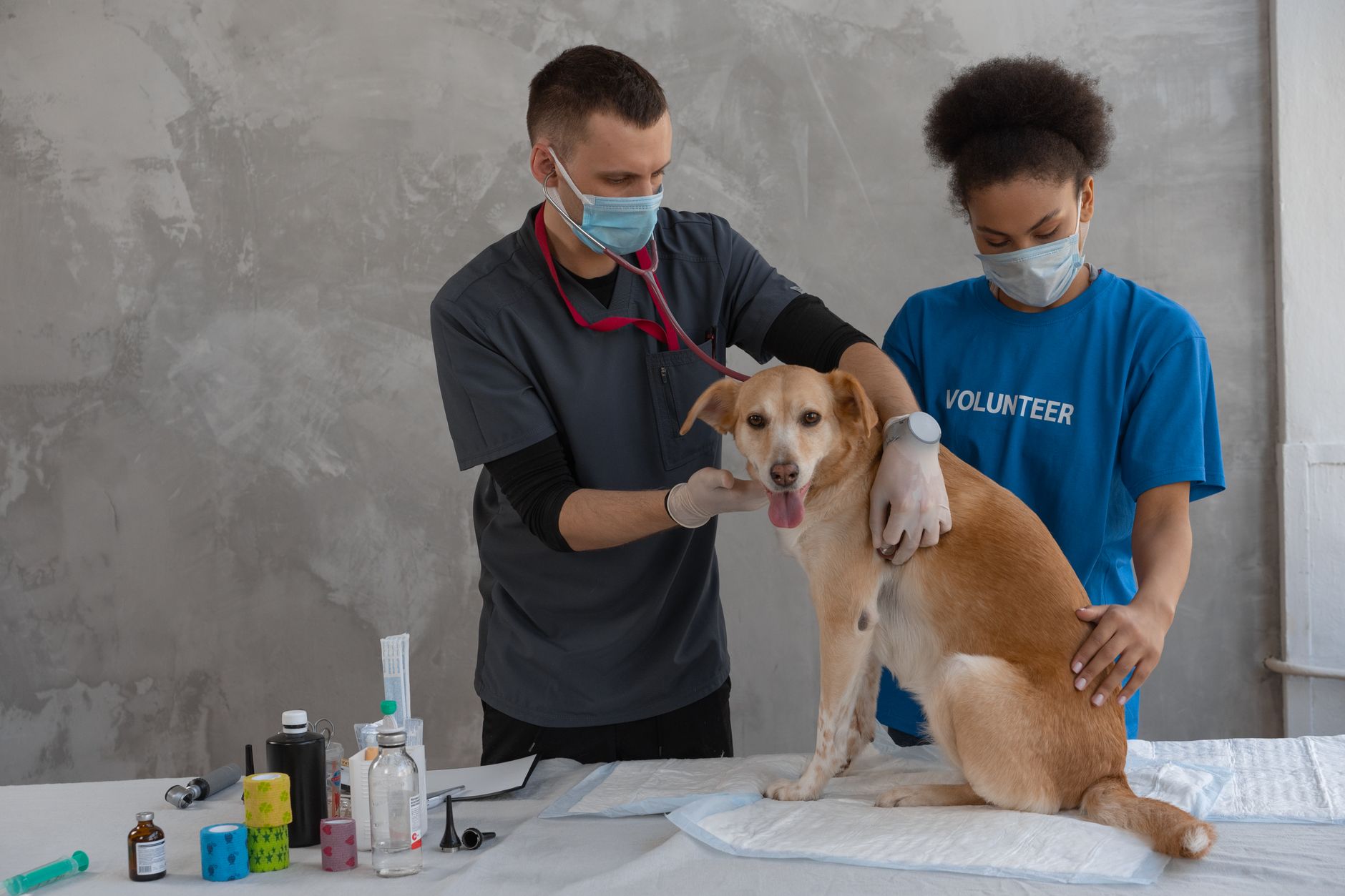
The reason puppies can’t go out until 12 weeks is primarily due to their immature immune systems, leaving them incredibly vulnerable to potentially life-threatening diseases; delaying public outings significantly reduces their risk of contracting these illnesses.
The Puppy Immune System: A Race Against Time
A puppy’s immune system is not fully developed at birth. It relies heavily on maternal antibodies received through the mother’s milk, specifically colostrum. These antibodies provide temporary protection against common diseases. However, this maternal immunity wanes over time, typically between 6 and 16 weeks of age.
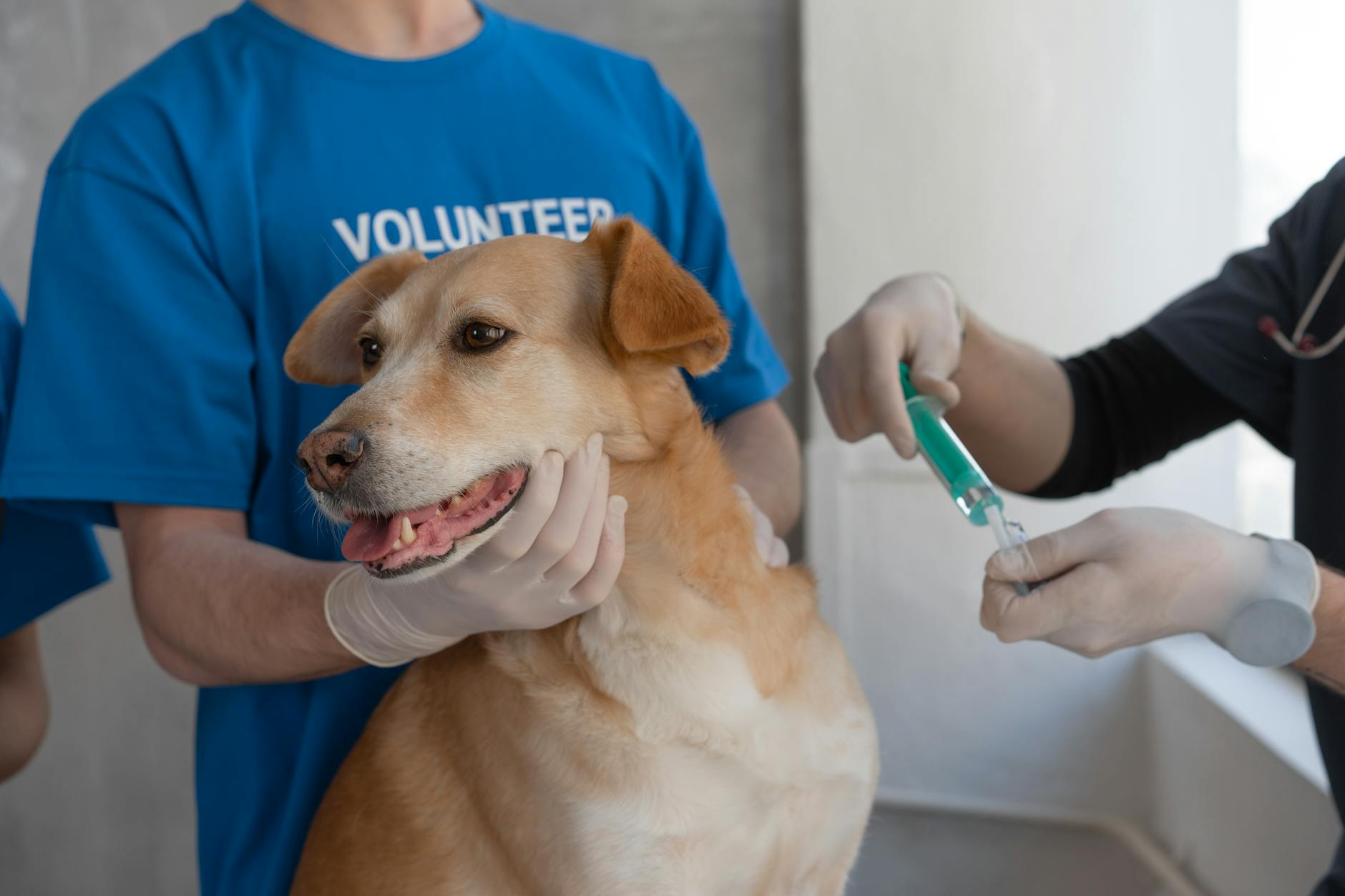
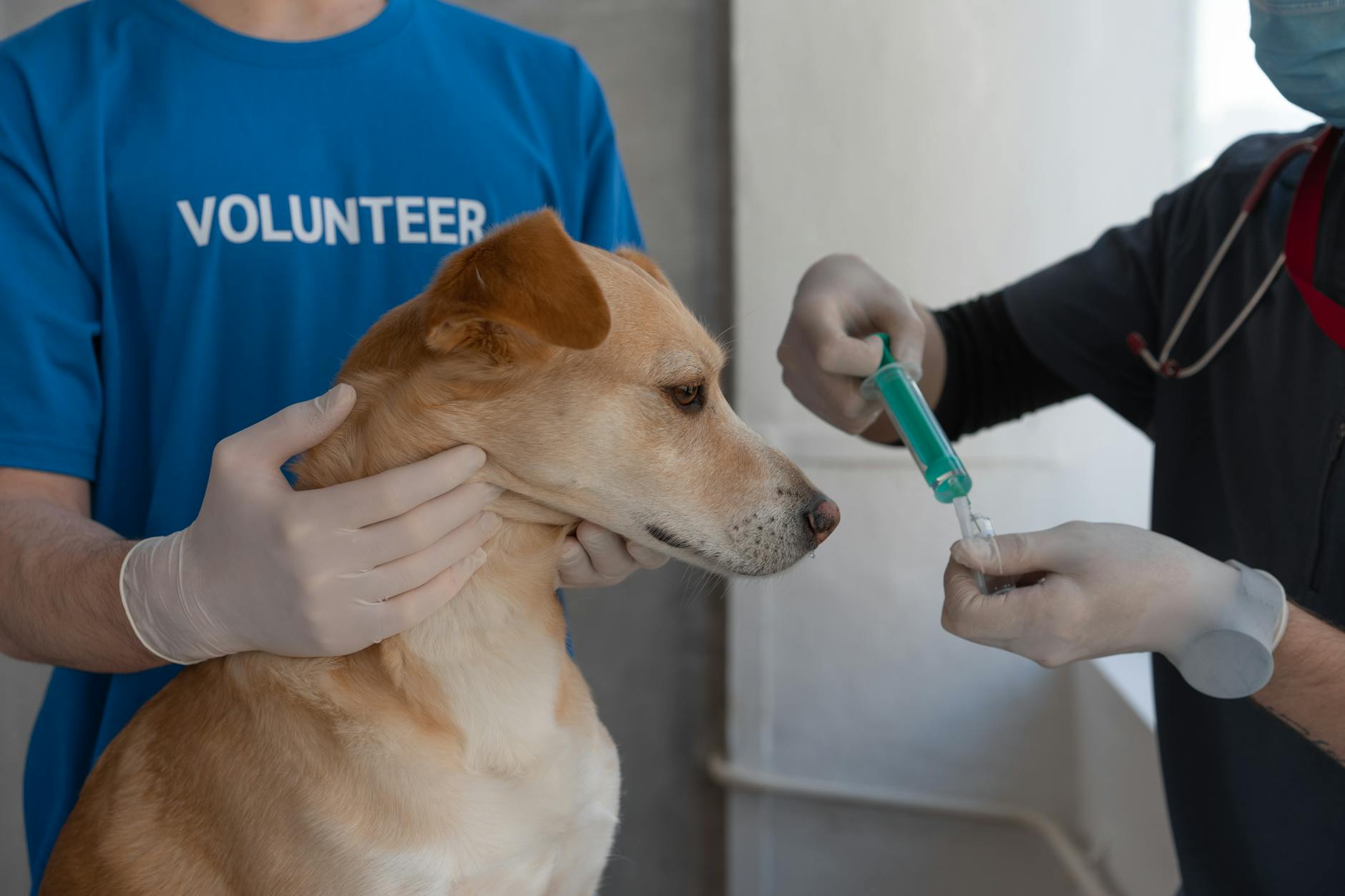
During this period of waning immunity, the puppy becomes susceptible to infection. Vaccination is crucial to stimulate the puppy’s own immune system to produce antibodies. However, it takes multiple vaccinations and several weeks after the last vaccination for the puppy to develop adequate protection. Why can’t puppies go out until 12 weeks? Because before this time, they’re simply not adequately protected.
What colours are fish most attracted to?
Can you put your finger in a trout's mouth?
Is methylene blue anti bacterial?
Does aquarium salt raise pH in aquarium?
The Dangers Lurking Outside
The outside world is full of pathogens that can be devastating to young puppies. Some of the most concerning include:
- Parvovirus (Parvo): A highly contagious and often fatal viral disease that causes severe vomiting and diarrhea.
- Distemper: A viral disease that affects the respiratory, gastrointestinal, and nervous systems.
- Adenovirus (Canine Hepatitis): A viral disease that affects the liver, kidneys, and eyes.
- Parainfluenza: A viral disease that contributes to kennel cough.
- Leptospirosis: A bacterial disease transmitted through contaminated water or urine, affecting the kidneys and liver.
These diseases are prevalent in many environments where dogs congregate, such as parks, sidewalks, and even backyards where other dogs may have been.
The Vaccination Process: Building Immunity Gradually
Vaccination is a process, not a one-time event. Puppies typically receive a series of vaccinations, starting around 6-8 weeks of age, with boosters given every 3-4 weeks until they are around 16 weeks old. The reason for this schedule is that the presence of maternal antibodies can interfere with the puppy’s ability to respond to the vaccine. The booster shots help to ensure that the puppy’s immune system is properly stimulated as maternal antibodies wane.
Here’s a typical vaccination schedule:
| Vaccine | Initial Dose (Weeks) | Booster Intervals | Protection Begins |
|---|---|---|---|
| DAPP (Core) | 6-8 | Every 3-4 weeks | After final dose |
| Rabies | 12-16 | Single dose | After 3-4 weeks |
| Bordetella | As early as 8 | Annually | Within days |
| Leptospirosis | 12+ | 2 doses, 3 weeks apart | After final dose |
It is essential to consult with a veterinarian to determine the appropriate vaccination schedule for your puppy based on their individual needs and local disease risks.
Socialization Before Full Vaccination: A Delicate Balance
While protecting your puppy from disease is paramount, early socialization is also crucial for their behavioral development. The critical socialization period for puppies is between 3 and 16 weeks of age. During this time, puppies are highly receptive to new experiences, and exposure to a variety of sights, sounds, people, and other animals can help them develop into well-adjusted adults.
The key is to find safe and controlled environments for socialization before the puppy is fully vaccinated. This could include:
- Puppy classes: Look for classes that require proof of initial vaccination and deworming.
- Controlled playdates: Arrange playdates with healthy, fully vaccinated adult dogs in a clean, private environment.
- Carrying your puppy: Carry your puppy in a carrier or your arms in public places, allowing them to observe the world without touching the ground.
- Socialization at home: Expose your puppy to different sounds, sights, and textures within your home. Invite vaccinated friends and family over to interact with your puppy.
Why can’t puppies go out until 12 weeks? It’s about prioritizing health while still making socialization possible!
Frequently Asked Questions (FAQs)
What are maternal antibodies?
Maternal antibodies are antibodies passed from the mother to her puppies through the placenta and colostrum (the first milk). These antibodies provide temporary protection against diseases that the mother is immune to.
How long do maternal antibodies last?
The duration of maternal antibody protection varies, but it typically wanes between 6 and 16 weeks of age. This is why puppies need a series of vaccinations to develop their own immunity.
Can I take my puppy out if it’s just to my own backyard?
Even your own backyard can pose a risk. If other dogs have visited your yard, or if wildlife frequent the area, there could be pathogens present. Consult with your veterinarian about the specific risks in your area.
What happens if my puppy gets parvovirus?
Parvovirus is a severe and often fatal disease in puppies. Symptoms include severe vomiting, diarrhea, lethargy, and dehydration. Immediate veterinary care is essential.
Are there any exceptions to the 12-week rule?
In certain situations, a veterinarian might recommend earlier socialization in controlled environments, particularly in shelters or rescue situations where behavioral issues may be a greater concern. However, this should always be done under veterinary guidance.
What if my puppy is already over 12 weeks old and hasn’t been vaccinated?
Start the vaccination series immediately. Your veterinarian will recommend a schedule based on your puppy’s age and vaccination history. Avoid public places until your puppy is fully vaccinated.
Is it safe to take my puppy to a groomer before they are fully vaccinated?
It’s generally not recommended to take your puppy to a groomer before they are fully vaccinated due to the potential exposure to pathogens. Discuss alternative grooming options with your veterinarian or groomer.
Can I bring my puppy to visit vaccinated adult dogs?
Controlled playdates with healthy, fully vaccinated adult dogs can be a safe way to socialize your puppy, but always under your supervision. Choose dogs with known good temperaments who are up to date on their vaccinations.
What are the signs that my puppy might be sick after being outside?
Watch for signs such as lethargy, loss of appetite, vomiting, diarrhea, coughing, sneezing, or discharge from the eyes or nose. If you notice any of these symptoms, contact your veterinarian immediately.
Are all puppy classes safe?
Not all puppy classes are created equal. Look for classes that require proof of initial vaccination and deworming for all participating puppies. Choose a reputable trainer who emphasizes safety and hygiene.
What is herd immunity, and how does it affect my puppy?
Herd immunity refers to the protection that a population gains when a large percentage is immune to a disease. The more vaccinated dogs there are in a community, the lower the risk of disease transmission for unvaccinated or partially vaccinated puppies.
If my puppy is only going to pee and poop, can I take them out unvaccinated?
No. Even brief exposure to contaminated surfaces, such as grass or sidewalks, can put your puppy at risk. Always prioritize vaccination and safe socialization practices. Why can’t puppies go out until 12 weeks? Because even quick trips outside can expose them to dangerous diseases.