
Why Are Whale Sharks Dying? A Deep Dive into the Ocean’s Gentle Giants’ Decline
The alarming decline in whale shark populations is driven primarily by human activities, including bycatch in fisheries, vessel strikes, plastic pollution, and the effects of climate change on their food sources and habitats.
Introduction: The Gentle Giants in Peril
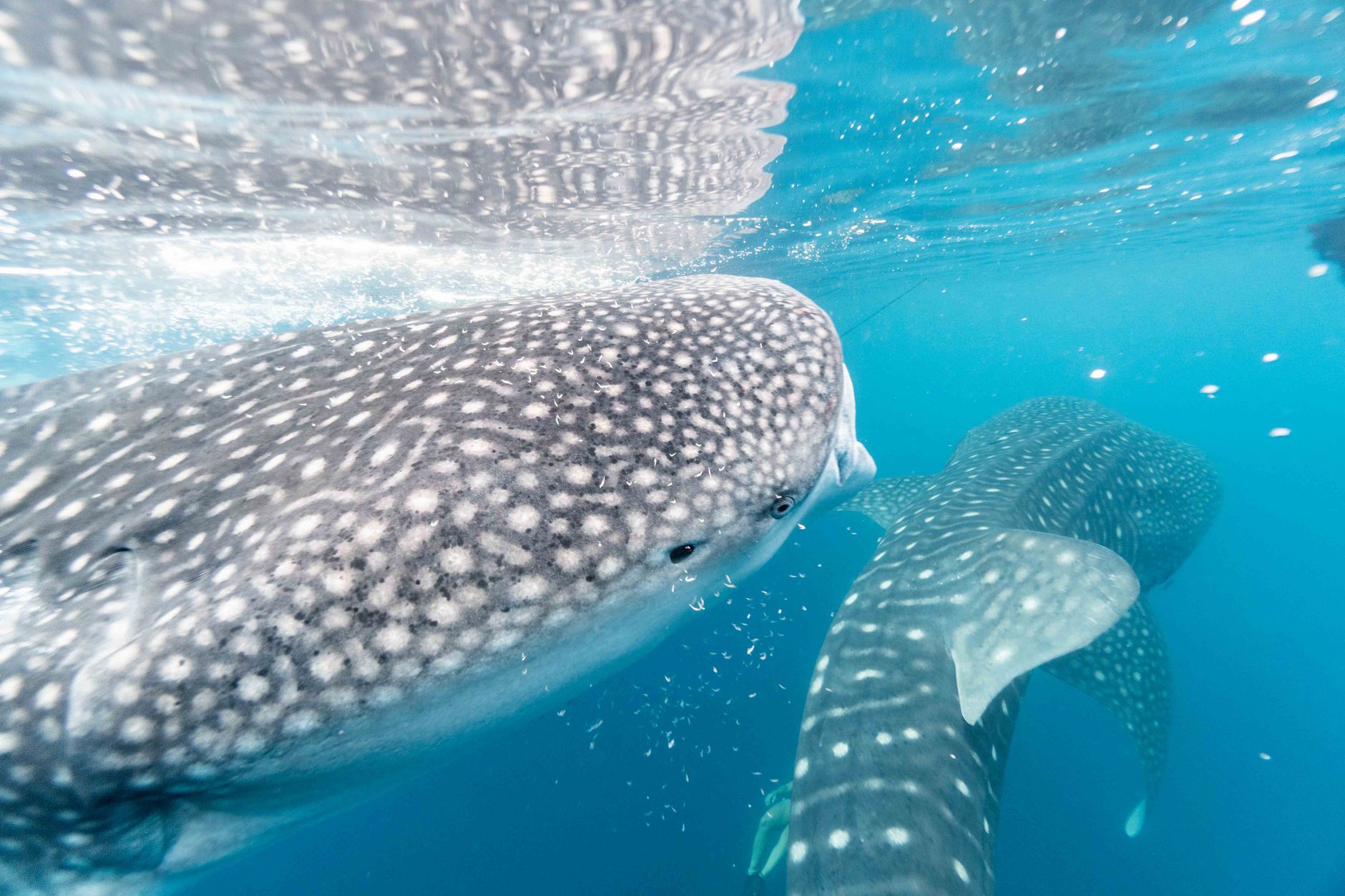
Whale sharks, the largest fish in the sea, are magnificent creatures that have roamed the oceans for millions of years. These filter-feeding giants, known for their docile nature and distinctive spot patterns, are vital to marine ecosystems. Sadly, their numbers are dwindling, raising serious concerns about their survival. Understanding why are whale sharks dying? is crucial for implementing effective conservation strategies. The decline isn’t attributable to a single cause; rather, it’s a complex interplay of factors, most stemming directly or indirectly from human activities. Their slow reproductive rate and late maturity exacerbate these threats, making them particularly vulnerable. This article aims to explore the primary reasons behind the whale shark’s decline, offering insights into how we can protect these incredible animals.
What colours are fish most attracted to?
Can you put your finger in a trout's mouth?
Is methylene blue anti bacterial?
Does aquarium salt raise pH in aquarium?
Bycatch: An Unintended Deadly Consequence

One of the most significant threats to whale sharks is bycatch. This occurs when whale sharks are accidentally caught in fishing gear intended for other species.
- Gillnets: These large nets, often used in commercial fishing, can ensnare whale sharks, leading to suffocation or severe injuries.
- Longlines: These fishing lines, equipped with numerous baited hooks, can also hook whale sharks. The hooks can cause internal damage, and the prolonged struggle can exhaust the animal.
- Trawls: While less common, whale sharks can be caught in trawl nets used for bottom fishing.
While many fisheries now implement bycatch reduction strategies, accidental capture remains a significant mortality factor, particularly in regions with less stringent regulations or inadequate enforcement. The sheer scale of global fishing operations means that even a relatively low bycatch rate can have a devastating impact on whale shark populations.
Vessel Strikes: A Collision Course
Whale sharks often inhabit surface waters, where they are vulnerable to collisions with vessels. Vessel strikes can cause severe injuries, leading to death either immediately or from complications later on. The increase in maritime traffic, coupled with whale shark migration patterns that often overlap with shipping lanes, has exacerbated this threat.
- Speed: Higher vessel speeds increase the likelihood of fatal collisions.
- Location: Areas with high whale shark concentrations and heavy maritime traffic are particularly dangerous.
- Visibility: Poor visibility conditions, such as fog or low light, can also increase the risk of collisions.
Efforts to mitigate vessel strikes include adjusting shipping routes, reducing vessel speeds in known whale shark habitats, and implementing early warning systems for vessels operating in these areas.
Plastic Pollution: A Toxic Threat
The escalating problem of plastic pollution in our oceans poses a multifaceted threat to whale sharks. As filter feeders, they ingest vast quantities of water, inevitably consuming microplastics and larger plastic debris.
- Ingestion: Plastic ingestion can lead to malnutrition, internal injuries, and blockages in the digestive system.
- Toxicity: Plastics can leach harmful chemicals into the whale shark’s tissues, disrupting their hormonal balance and immune system.
- Entanglement: Larger plastic debris, such as fishing nets and plastic bags, can entangle whale sharks, restricting their movement and causing injury or drowning.
The sheer volume of plastic entering the oceans daily is staggering, and its impact on marine life, including whale sharks, is profound. Reducing plastic consumption, improving waste management, and cleaning up existing plastic pollution are critical steps in mitigating this threat.
Climate Change: Disrupting the Ecosystem
Climate change is disrupting marine ecosystems, impacting whale shark populations in several ways. Changes in ocean temperatures, currents, and acidity can affect the distribution and abundance of their prey, forcing them to search for food in new areas or face starvation.
- Prey Availability: Changes in ocean conditions can alter the distribution and abundance of plankton, krill, and small fish, which are the primary food sources for whale sharks.
- Habitat Loss: Rising sea levels and changes in ocean chemistry can damage or destroy critical whale shark habitats, such as coral reefs and coastal ecosystems.
- Ocean Acidification: Increased levels of carbon dioxide in the atmosphere are causing the oceans to become more acidic, which can negatively impact the growth and survival of plankton and other marine organisms that form the base of the whale shark’s food web.
Addressing climate change through reducing greenhouse gas emissions and implementing sustainable practices is essential for protecting whale sharks and other marine species from the devastating effects of a changing ocean.
Direct Exploitation: Targeted Hunting
Historically, whale sharks were targeted for their meat, fins, and oil. While direct hunting has declined significantly in many regions due to conservation efforts and international regulations, it persists in some areas, posing a continuing threat. Illegal hunting and poaching continue to undermine conservation efforts, highlighting the need for stricter enforcement and international cooperation. The demand for whale shark products, particularly in some Asian markets, fuels this illegal trade.
Conservation Efforts: A Beacon of Hope
Despite the challenges, there are ongoing conservation efforts aimed at protecting whale sharks. These efforts include:
- Marine Protected Areas (MPAs): Establishing and enforcing MPAs in critical whale shark habitats can provide refuge from fishing and other human activities.
- Fishing Regulations: Implementing stricter fishing regulations, such as gear modifications and seasonal closures, can reduce bycatch.
- Vessel Speed Limits: Establishing vessel speed limits in known whale shark aggregation areas can reduce the risk of vessel strikes.
- Education and Awareness: Raising awareness among fishermen, boat operators, and the general public about the importance of whale shark conservation can foster a sense of stewardship and encourage responsible behavior.
- Research and Monitoring: Conducting research on whale shark populations, movements, and threats is crucial for developing effective conservation strategies.
- International Cooperation: International collaboration is essential for coordinating conservation efforts across different regions and addressing transnational threats.
The Future of Whale Sharks: A Call to Action
The future of whale sharks hinges on our ability to address the threats they face. A concerted effort involving governments, scientists, conservation organizations, and the public is needed to ensure their survival. By reducing bycatch, mitigating vessel strikes, tackling plastic pollution, combating climate change, and enforcing regulations, we can create a safer and more sustainable future for these magnificent creatures. Why are whale sharks dying? is a question that demands urgent attention and collective action.
Frequently Asked Questions (FAQs)
What is the current conservation status of whale sharks?
The whale shark is currently listed as Endangered by the International Union for Conservation of Nature (IUCN). This means that the species faces a very high risk of extinction in the wild in the near future. Ongoing threats, coupled with their slow reproductive rate, make them particularly vulnerable.
Where are whale sharks typically found?
Whale sharks are found in tropical and warm-temperate waters around the globe. They are known to aggregate in certain locations, such as the coasts of Mexico, Australia, the Philippines, and Tanzania, often coinciding with seasonal plankton blooms. These aggregation sites are crucial for their feeding and breeding.
What do whale sharks eat?
Whale sharks are filter feeders that primarily consume plankton, krill, small fish, and fish eggs. They use a ram feeding or suction feeding technique to filter these organisms from the water. Despite their massive size, they are not predatory towards larger animals.
How long do whale sharks live?
The lifespan of whale sharks is estimated to be around 70 to 100 years. However, determining their exact age is challenging due to the lack of definitive aging methods. Their long lifespan highlights the importance of protecting them from threats throughout their lives.
How big do whale sharks get?
Whale sharks are the largest fish in the world, reaching lengths of up to 40 feet (12 meters) or more. The largest confirmed individual was over 60 feet (18 meters) long. Their immense size is truly awe-inspiring.
Do whale sharks have teeth?
Whale sharks do have small, vestigial teeth, but they are not used for feeding. These teeth are only a few millimeters long and are not functional in their filter-feeding process.
Are whale sharks dangerous to humans?
Whale sharks are not dangerous to humans. They are generally docile and gentle animals. While caution should always be exercised when interacting with any large animal, whale sharks are considered safe for swimming and diving alongside, provided responsible guidelines are followed.
What can I do to help protect whale sharks?
There are many things you can do to help protect whale sharks:
- Reduce your plastic consumption: Minimize your use of single-use plastics and properly dispose of all plastic waste.
- Support sustainable seafood choices: Choose seafood that is sustainably harvested to reduce bycatch.
- Reduce your carbon footprint: Take steps to reduce your greenhouse gas emissions to help mitigate climate change.
- Support conservation organizations: Donate to or volunteer with organizations dedicated to whale shark conservation.
- Educate others: Spread awareness about the threats facing whale sharks and the importance of conservation.
What is being done to reduce whale shark bycatch?
Efforts to reduce whale shark bycatch include:
- Gear modifications: Developing and implementing fishing gear that reduces the likelihood of catching whale sharks.
- Time-area closures: Closing fishing areas during periods when whale sharks are known to aggregate.
- Observer programs: Placing observers on fishing vessels to monitor bycatch and enforce regulations.
- Bycatch release protocols: Developing and promoting protocols for safely releasing whale sharks that are accidentally caught.
How are vessel strikes being addressed?
Measures to address vessel strikes include:
- Shipping route adjustments: Adjusting shipping routes to avoid areas with high whale shark concentrations.
- Speed limits: Establishing speed limits for vessels operating in whale shark habitats.
- Early warning systems: Developing and implementing systems to alert vessels to the presence of whale sharks.
- Education and training: Educating boat operators about whale shark conservation and safe boating practices.
What are marine protected areas and how do they help whale sharks?
Marine Protected Areas (MPAs) are designated areas in the ocean that are protected from certain human activities, such as fishing and mining. MPAs can provide refuge for whale sharks, allowing them to feed, breed, and migrate without the threat of direct exploitation. Effective MPA management is crucial for ensuring the long-term survival of whale shark populations.
Are there any successful whale shark conservation stories?
Yes, there are several successful whale shark conservation stories. For example, in the Philippines, community-based tourism centered around whale shark encounters has provided economic incentives for local communities to protect the animals. Similarly, in Ningaloo Reef, Australia, strict regulations and responsible tourism practices have helped to maintain a healthy whale shark population. These examples demonstrate that with dedicated effort and collaboration, it is possible to protect whale sharks and ensure their survival. Understanding why are whale sharks dying? is just the first step; we must act on that knowledge.