
Why Are Western Saddles So Heavy? Unraveling the Weight Behind the Western Tradition
Western saddles are noticeably heavy compared to their English counterparts. The weight is primarily due to their robust construction and the materials used, designed for durability and rider support in demanding Western riding activities.

A Legacy of Durability and Functionality
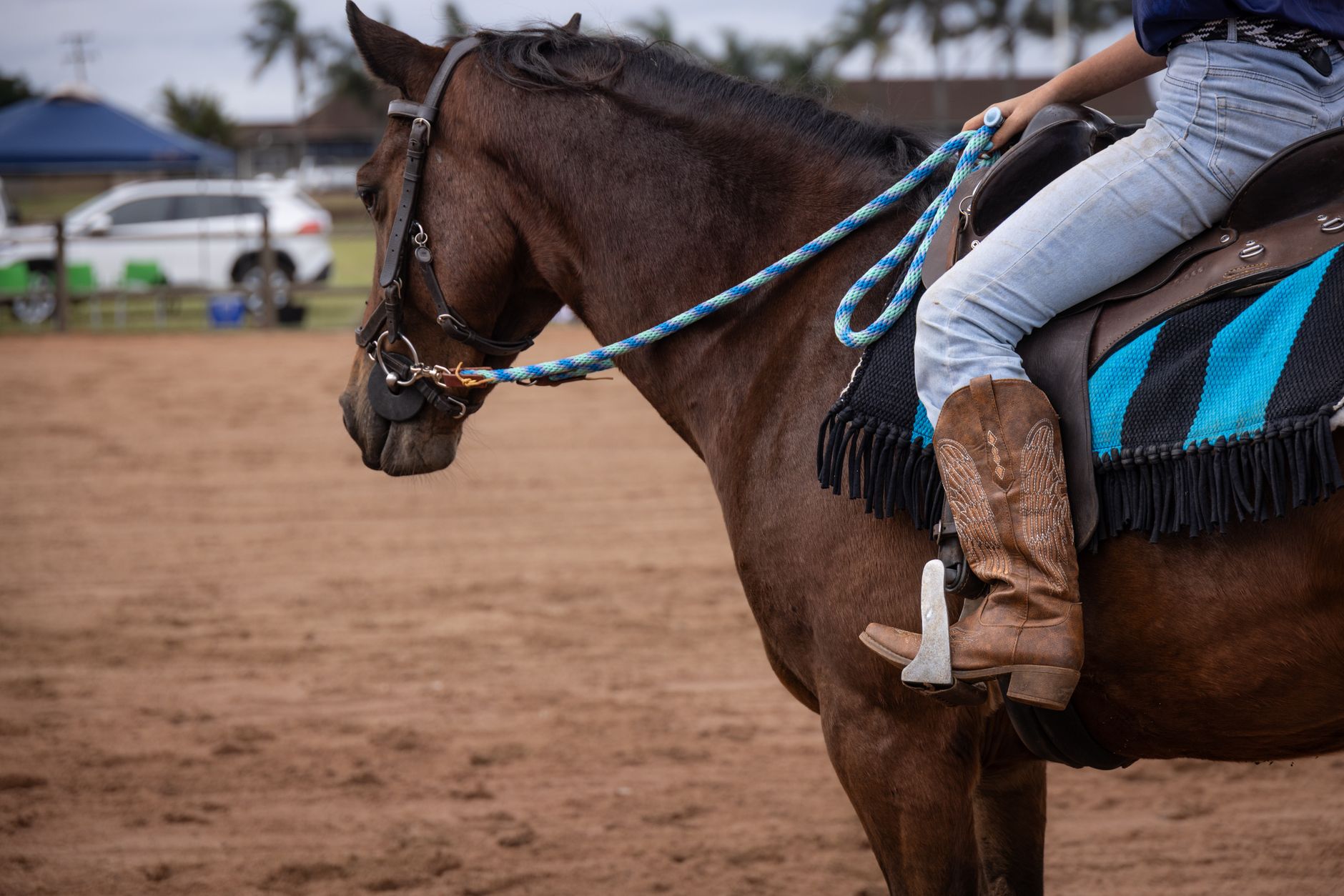
The western saddle is an iconic piece of equipment deeply intertwined with the history and traditions of the American West. Understanding why are western saddles so heavy? requires delving into their origins, purpose, and construction. These saddles weren’t designed for speed or agility like English saddles; instead, they were built for long days in the saddle, working cattle, and covering vast distances under challenging conditions. The weight is a direct consequence of this design philosophy.

What colours are fish most attracted to?
Can you put your finger in a trout's mouth?
Is methylene blue anti bacterial?
Does aquarium salt raise pH in aquarium?
Essential Components Contributing to Weight

Several key components contribute significantly to the overall weight of a western saddle:
- The Tree: This is the saddle’s foundation, typically made of wood (often reinforced with fiberglass or rawhide) and determines the saddle’s fit and shape. The tree must be strong enough to withstand the pressures of roping cattle and supporting the rider’s weight for extended periods.
- The Horn: A signature feature of the western saddle, the horn is used primarily for roping. It must be incredibly sturdy and able to withstand tremendous pulling forces.
- The Leather: Western saddles are made from thick, high-quality leather to withstand wear and tear. This leather adds considerable weight, but it’s essential for durability and longevity.
- The Rigging: The rigging system, which attaches the cinch (girth) to the saddle, is typically made of multiple layers of leather and metal hardware, contributing to the overall weight.
- The Skirts and Fenders: These leather panels protect the horse and rider from friction. Their size and thickness add to the saddle’s weight.
- The Hardware: Buckles, conchos, dees, and other metal hardware add to the weight, but are critical for securing equipment and adjusting the saddle.
The Purpose-Driven Design
Understanding the purpose behind the design of a western saddle is key to understanding why are western saddles so heavy?. These saddles are built for demanding tasks:
- Roping: The strong tree and horn are essential for roping cattle, which requires a saddle that can withstand significant strain.
- Endurance: The saddle’s design distributes the rider’s weight evenly, making it more comfortable for both horse and rider during long rides.
- Protection: The thick leather and robust construction protect both the horse and rider from the elements and potential injuries.
- Carrying Equipment: Western saddles are designed to accommodate saddlebags, bedrolls, and other essential gear for extended journeys.
Material Selection and Construction Techniques
The materials used in western saddle construction play a significant role in their weight. While lighter synthetic materials are sometimes used, traditional western saddles are typically made from:
- Heavyweight Leather: As previously mentioned, thick, durable leather is a hallmark of western saddles.
- Wood and/or Fiberglass Tree: The tree, the saddle’s core, is constructed to be immensely strong.
- Metal Hardware: Solid metal buckles, conchos, and other hardware are essential for strength and durability.
These materials, combined with the multi-layered construction techniques used to create a robust and long-lasting saddle, inevitably result in a heavier product.
The Impact of Saddle Weight on Horse and Rider
While weight is a crucial consideration, it’s important to consider the impact of saddle weight on both horse and rider:
- Horse Comfort: A well-fitting western saddle distributes weight evenly across the horse’s back, minimizing pressure points and improving comfort. While the saddle is heavy, a properly fitting saddle distributes the weight effectively, reducing strain.
- Rider Comfort: The deep seat and high cantle of a western saddle provide support and stability for the rider, making it more comfortable for long hours in the saddle.
- Proper Fit: A properly fitted heavy saddle is preferable to a light saddle that doesn’t fit correctly, as poor fit can cause pain and injury to the horse.
Alternatives to Traditional Heavy Western Saddles
If weight is a primary concern, there are alternatives to traditional heavy western saddles:
- Lighter Western Saddles: Some manufacturers offer western saddles made with lighter materials, such as synthetic trees and thinner leather.
- Endurance Saddles: Designed for long-distance riding, endurance saddles are typically lighter than traditional western saddles.
- Treeless Saddles: These saddles lack a traditional tree, making them significantly lighter. However, they may not be suitable for all riding activities, especially roping.
| Saddle Type | Approximate Weight | Key Features |
|---|---|---|
| Traditional Western | 30-50 lbs | Heavy-duty, durable, suitable for roping |
| Lighter Western | 20-30 lbs | Lighter materials, less robust, good for trail |
| Endurance | 15-25 lbs | Lightweight, comfortable for long rides |
| Treeless | 10-20 lbs | Very lightweight, flexible, may not be ideal for all activities |
Understanding the Trade-Offs
Ultimately, choosing a western saddle involves trade-offs between weight, durability, and functionality. A heavier saddle may be more durable and better suited for demanding tasks like roping, while a lighter saddle may be more comfortable for both horse and rider during long trail rides. It’s essential to consider your individual needs and riding style when selecting a saddle.
Frequently Asked Questions (FAQs)
What is the average weight of a western saddle?
The average weight of a western saddle ranges from 30 to 50 pounds. However, this can vary depending on the saddle’s size, materials, and construction. Roping saddles, for example, tend to be on the heavier side due to their reinforced construction.
Why are some western saddles heavier than others?
Variations in weight depend on the materials and craftsmanship used. Saddles built for specific tasks, like heavy roping or endurance riding, often weigh differently due to features built to support those activities. Thicker leather, stronger trees, and heavier hardware all contribute to a saddle’s overall weight.
Is a heavier western saddle always better?
Not necessarily. While a heavier saddle often indicates greater durability and sturdiness, especially for tasks like roping, the best saddle is the one that fits both the horse and rider properly. A lighter saddle that fits well is preferable to a heavy saddle that causes discomfort or pressure points.
Does the weight of the saddle affect the horse’s performance?
Yes, the weight of the saddle can affect a horse’s performance, particularly over long distances. An excessively heavy saddle can cause fatigue and discomfort, potentially hindering the horse’s movement and stamina. A well-fitting saddle, regardless of weight, distributes the weight evenly and minimizes pressure points, improving the horse’s comfort and performance.
What is the role of the saddle tree in contributing to the weight?
The saddle tree is a major contributor to the overall weight of the western saddle. Constructed from wood, often reinforced with fiberglass or rawhide, it forms the foundation of the saddle and must be strong enough to withstand significant stress. The type of tree and the materials used in its construction heavily influence the final weight.
How does the leather used in a western saddle contribute to its weight?
Western saddles are traditionally made from thick, high-quality leather that is treated to be extremely durable. The amount of leather needed for skirts, fenders, seats, and other components adds considerable weight, but it is essential for the saddle’s longevity and resistance to wear and tear.
Are there lighter alternatives to traditional western saddles?
Yes, several lighter alternatives exist. These include endurance saddles, lighter western saddles made with synthetic materials, and treeless saddles. These options may compromise some of the robustness of traditional western saddles, but they provide weight relief for both horse and rider.
How does the horn contribute to the weight of a western saddle?
The horn is a signature feature that adds considerable weight, especially in roping saddles. The horn must be incredibly sturdy to withstand the forces exerted during roping, requiring strong and durable materials and secure attachment to the saddle tree.
What is the significance of the rigging in relation to the saddle’s weight?
The rigging, which connects the cinch to the saddle, is usually crafted from multiple layers of leather and metal hardware. This robust system ensures the saddle remains securely attached to the horse, contributing to the overall weight but critical for safety and stability.
Can a western saddle be too light?
Potentially, yes. If a western saddle is too light, it may lack the necessary durability and support for certain activities, such as roping or carrying heavy loads. A very light saddle might also not distribute weight as effectively, leading to discomfort for the horse.
How can I determine the right weight of a western saddle for my horse and me?
Consider your horse’s build, the type of riding you’ll be doing, and your comfort level. Consult with a knowledgeable saddle fitter who can assess your horse’s conformation and riding style to recommend a saddle that fits well and is appropriately weighted for your needs.
Does saddle fitting affect the perceived weight of a western saddle?
Absolutely. A poorly fitted heavy saddle can feel even heavier and cause significant discomfort to your horse. A properly fitted saddle, even if it’s heavier, distributes the weight evenly, making it more comfortable for the horse and easier for the rider to manage. Proper saddle fitting is paramount, regardless of the saddle’s weight.