
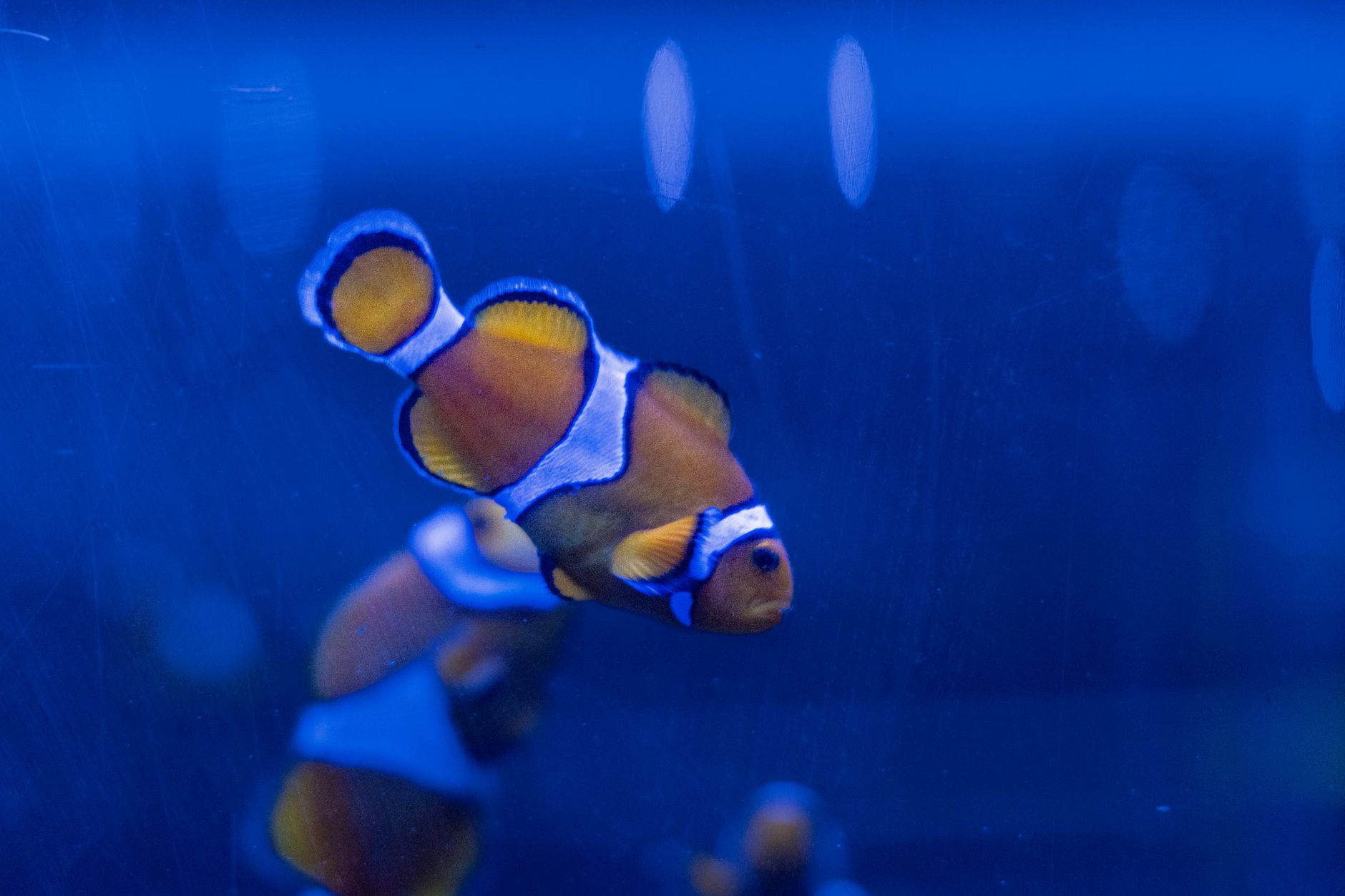
Why Are They Called False Clownfish? A Deep Dive
False clownfish, unlike their namesake, are not true members of the Amphiprion genus but bear a striking resemblance. This article explores why are they called false clownfish?, delving into the reasons behind this confusing nomenclature and the distinct characteristics that differentiate them from true clownfish.

The Tale of Mistaken Identity
The story of why are they called false clownfish? is rooted in visual similarity and early taxonomic confusion. When these fish were first being categorized, their close resemblance to Amphiprion clownfish led to them being initially placed in the same group. However, further research revealed key differences, leading to their reclassification into the Percula and Premnas genera. The common name, however, stuck, perpetuating the “false” association.
What colours are fish most attracted to?
Can you put your finger in a trout's mouth?
Is methylene blue anti bacterial?
Does aquarium salt raise pH in aquarium?
The Key Players: Amphiprion, Percula, and Premnas
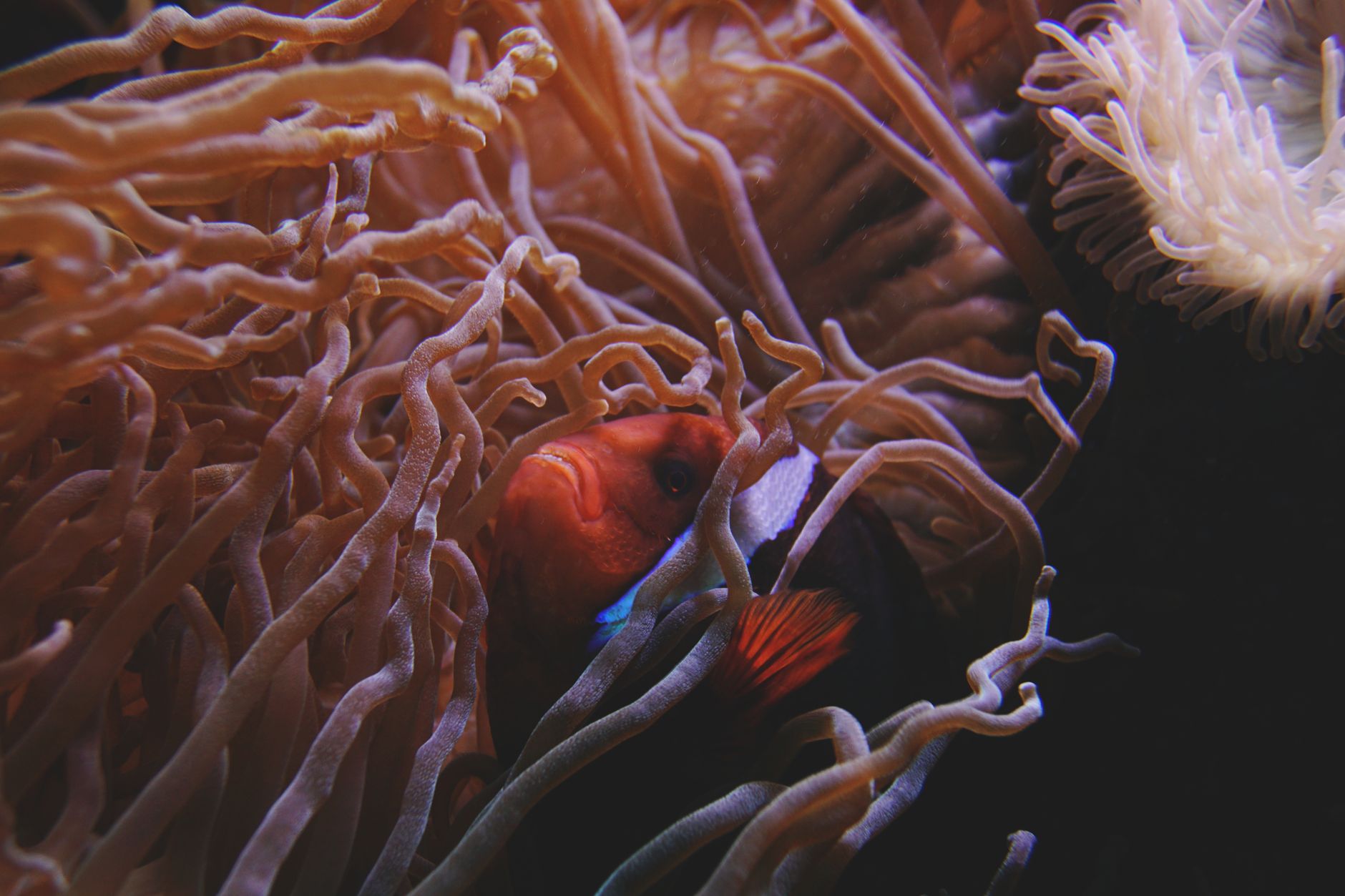
To understand why are they called false clownfish?, it’s crucial to differentiate between the relevant genera.
- Amphiprion: This genus encompasses the true clownfish. They are typically smaller and come in a wide variety of colors and patterns.
- Percula: This genus contains the Percula clownfish, often considered the “false” ocellaris clownfish because they closely resemble Amphiprion ocellaris.
- Premnas: This genus contains the maroon clownfish, Premnas biaculeatus. Though still an anemonefish, it’s less frequently referred to as a “false clownfish” but is important to understand for overall anemonefish classification.
Distinguishing Features
While superficially similar, crucial differences exist between true and Percula clownfish:
- Geographic Location: True clownfish have a broader distribution across the Indo-Pacific, whereas Percula clownfish are primarily found in certain regions.
- Spines: Percula clownfish often have fewer dorsal spines than some Amphiprion species.
- Stripes: Percula clownfish generally have thicker black stripes than Amphiprion ocellaris, though this can be variable and difficult to discern reliably.
- Anemone Preference: Though both host anemones, Percula clownfish exhibit a stronger preference for certain species.
Why the Confusion Persists
Despite the scientific distinction, the term “false clownfish” remains prevalent due to:
- Visual Similarity: The most significant factor is their extremely close resemblance, especially between Percula and Amphiprion ocellaris.
- Pet Trade: The term “false clownfish” is widely used in the aquarium trade, making it difficult to eradicate.
- Ease of Identification: For casual observers, differentiating between them can be challenging, solidifying the common name.
The Ocellaris vs. Percula Clownfish Conundrum
The most common source of confusion is between Amphiprion ocellaris (the true ocellaris clownfish) and Percula clownfish. They look remarkably alike, especially in juvenile stages. This is why are they called false clownfish? – the Percula species are often misidentified and marketed as “ocellaris.”
Here’s a simple table summarizing key differences (although these are not always reliable indicators):
| Feature | Amphiprion ocellaris (True Ocellaris) | Percula (Percula Clownfish) |
|---|---|---|
| Stripe Thickness | Generally Thinner | Generally Thicker |
| Dorsal Spines | Usually 11 | Usually 9-10 |
| Geographic Range | Wider Indo-Pacific | More Limited Regions |
FAQs: Delving Deeper into the False Clownfish World
What’s the correct scientific classification of “false” clownfish?
The fish commonly referred to as “false” clownfish are primarily from the genus Percula, specifically Percula percula, and sometimes the term is loosely applied to certain Premnas species. It is crucial to remember that Amphiprion contains the true clownfish.
Is it wrong to call them “false” clownfish?
While technically inaccurate, the term “false” clownfish is widely used and understood. However, using the scientific name Percula percula is more precise and avoids confusion.
Do “false” clownfish behave differently from true clownfish?
Their general behavior is quite similar, exhibiting symbiotic relationships with anemones and displaying hierarchical social structures. Subtle differences might exist, but they are often overshadowed by individual variations.
Can “false” clownfish breed in captivity?
Yes, Percula clownfish are frequently bred in captivity, just like Amphiprion species. This makes them readily available for the aquarium trade and reduces pressure on wild populations.
Are “false” clownfish as hardy as true clownfish in aquariums?
Generally, both Percula and Amphiprion clownfish are considered relatively hardy aquarium inhabitants, provided they are kept in suitable conditions with proper water parameters.
Do “false” clownfish host the same anemones as true clownfish?
While they can host a variety of anemones, Percula clownfish show a stronger affinity for certain species, such as Heteractis magnifica (the magnificent sea anemone) and Stichodactyla gigantea (the giant carpet anemone).
Why is understanding the difference important for aquarists?
Knowing the correct species is important for proper care and tankmate selection. While they can coexist, understanding their specific needs helps optimize their health and well-being.
Does the “false” label affect their price in the aquarium trade?
The “false” label itself doesn’t significantly affect the price. However, rarity and color variations influence the cost more than the designation of “false” vs. “true.”
Are there any ethical concerns about keeping clownfish in aquariums?
Yes. It is best practice to only purchase aquacultured clownfish as wild-caught specimens can deplete populations and disrupt ecosystems. Ensuring responsible sourcing is crucial.
How can I be sure I’m buying the right type of clownfish?
Ask your local fish store for the scientific name of the fish you’re purchasing. Looking closely at the characteristics listed above can help too, but is not always definitive.
Does the term “false” apply to all anemonefish?
No, the term “false” clownfish primarily refers to Percula clownfish due to their close resemblance to Amphiprion ocellaris. Other anemonefish, while related, aren’t usually labeled as “false.”
Ultimately, Why are they called false clownfish?
In the end, why are they called false clownfish? is largely due to historical classification errors coupled with their striking visual resemblance to true clownfish, specifically Amphiprion ocellaris. Despite the scientific inaccuracies, the name persists in common usage within the aquarium trade. The key takeaway is that understanding the true scientific classification (Percula) allows for more informed care and communication within the aquarium community.