

Why the Lion King’s Pride Seems to Lack Adult Male Lions (Besides Mufasa and Scar)
The seeming absence of adult male lions, other than Mufasa and Scar, in The Lion King‘s pride is a carefully constructed narrative choice that reflects real-world lion social dynamics and serves the dramatic needs of the story, simplifying a complex ecosystem for a young audience.

The Real Lion Pride: A Complex Social Structure
To understand why are there no male lions in the Lion King?, we must first delve into the actual social structure of lions in the wild. Lion prides aren’t just families; they’re intricate social groups with specific roles and hierarchies.
- Female Dominance: The core of a pride is comprised of related lionesses who cooperate in hunting, raising cubs, and defending their territory.
- The Male Coalition: One or more adult male lions, often brothers or cousins, typically lead the pride. Their primary role is to protect the pride from other male lions and defend their territory.
- The Transient Males: Young male lions are driven out of the pride when they reach maturity to prevent inbreeding and competition for resources. These males become nomadic, often forming their own coalitions, until they are strong enough to challenge an existing pride leader.

What colours are fish most attracted to?
Can you put your finger in a trout's mouth?
Is methylene blue anti bacterial?
Does aquarium salt raise pH in aquarium?
Dramatic Necessity: Simplifying a Complex World
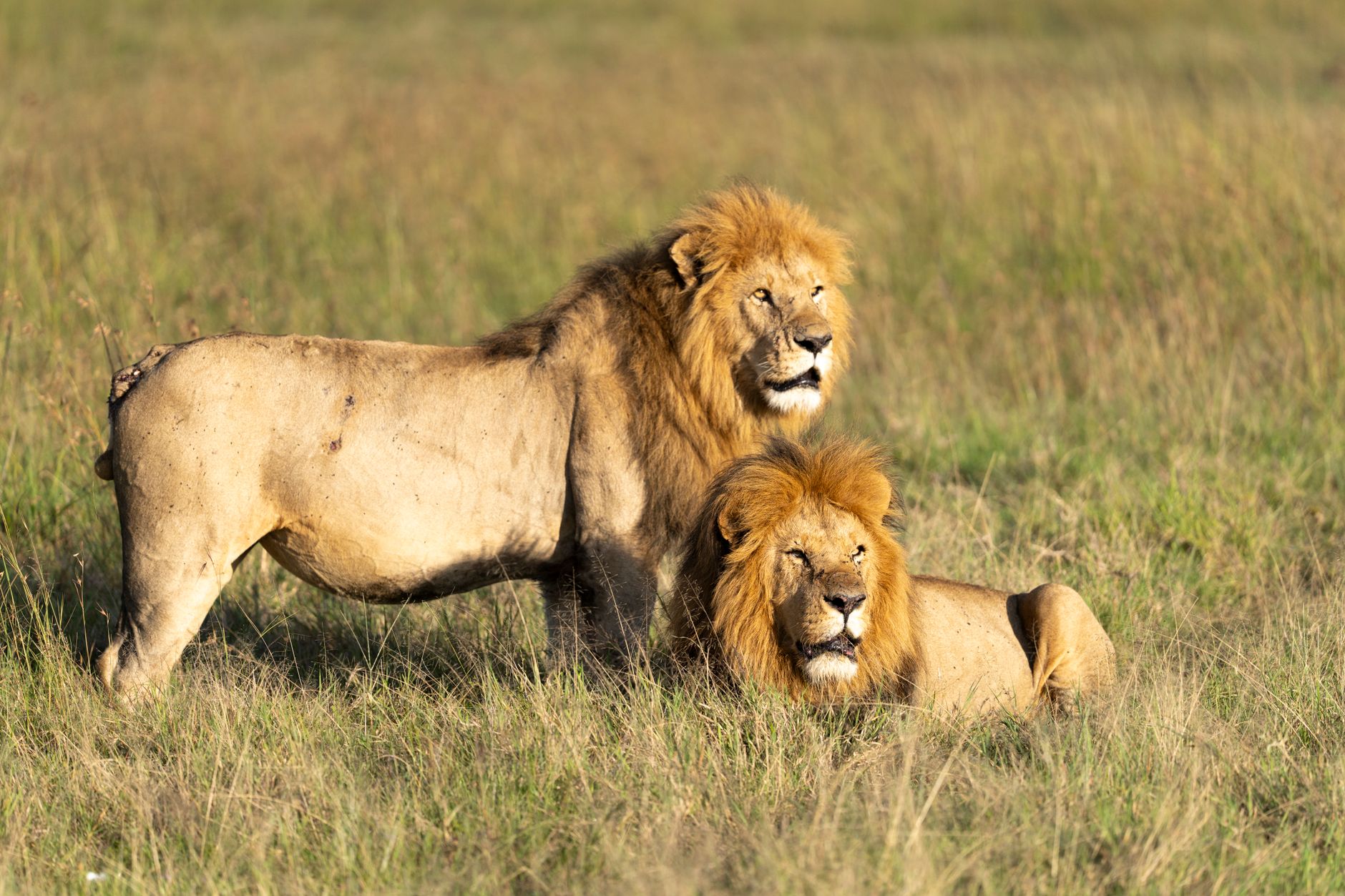
The Lion King, though inspired by nature, is a dramatic narrative aimed at children. Representing the full complexity of a lion pride would be confusing and detract from the central themes of family, responsibility, and the circle of life.
- Focus on Simba’s Journey: The story centers on Simba’s growth and his eventual return to reclaim his rightful place as king. Introducing a complex cast of multiple adult male lions would dilute the narrative focus.
- Scar as the Antagonist: Scar’s usurpation of power is the driving force of the plot. His presence as the sole male leader (until Simba’s return) provides a clear and simplified antagonist.
- Emotional Impact: The limited number of significant characters amplifies the emotional impact of events like Mufasa’s death. A larger cast would lessen the individual impact of these moments.
Pragmatic Considerations: Animation and Character Development
Animating a film like The Lion King is a monumental undertaking. Reducing the number of significant characters simplifies the animation process and allows for more detailed character development.
- Animation Resources: Creating distinct personalities and physical characteristics for numerous adult male lions would have been a significant drain on animation resources.
- Character Clarity: A smaller cast of characters allows the audience to easily distinguish between them and understand their roles within the story.
- Plot Efficiency: A streamlined narrative with fewer characters keeps the story moving at a brisk pace, maintaining the audience’s engagement.
The Impact of Scar’s Reign: An Explanation of Lion Population Shifts
Scar’s reign brings devastation to the Pride Lands, resulting in famine, the exodus of some of the pride, and a general decline in the lion population. This altered dynamic contributes to the perceived lack of adult male lions during Simba’s exile. While there were likely other, unnamed adult male lions killed or driven off screen by Scar, who was eager to hold onto power, the lack of available prey made for a scarcity of resources, so lions, in general, could not thrive.
Artistic License: The Needs of Storytelling over Scientific Accuracy
Ultimately, The Lion King prioritizes storytelling over strict adherence to scientific accuracy.
- Anthropomorphism: The film relies heavily on anthropomorphism, giving the animals human-like qualities and motivations. This is a common storytelling technique, especially in children’s films.
- Symbolism: The characters and events are often symbolic, representing larger themes and ideas. For example, Mufasa represents wisdom and guidance, while Scar represents treachery and corruption.
- Narrative Cohesion: The primary goal is to tell a compelling story that resonates with audiences, even if it requires bending the rules of nature. The choices made in the narrative of The Lion King and the absence of other adult male lions create a simpler, more effective storyline.
Why are there no male lions in the Lion King? – Simplified to enhance children’s comprehension and focus on Simba’s journey of self-discovery.
Frequently Asked Questions about Lions and The Lion King
Why are most of the lions in the pride female?
The reason for the dominance of female lions within the pride is rooted in their primary role as hunting and cub-rearing specialists. The lionesses work together to bring down prey and raise the young, forming the core of the pride’s social structure.
What happens to young male lions when they grow up?
Young male lions are typically driven out of the pride around the age of two or three, to prevent inbreeding and competition for the pride leaders. They then become nomadic, often forming coalitions with other males, until they are strong enough to challenge for control of a pride.
Could there have been other male lions in the Pride Lands besides Mufasa and Scar?
It is possible that other young male lions may have been present in the pride before Scar took over, but the film does not explicitly show this. This omission serves to simplify the narrative and highlight the conflict between Mufasa and Scar.
Why did Scar not have any male offspring?
The movie doesn’t directly explain this. One can infer that Scar was unsuccessful in siring male heirs because of the famine he allowed to plague the Pride Lands. This would mean that the resources needed to raise a young male lion to maturity were simply not there.
How realistic is the portrayal of lions in The Lion King?
While The Lion King is inspired by lion behavior, it takes significant artistic license. The lions are anthropomorphized, and their social dynamics are simplified for dramatic effect. It is important to remember that it is a work of fiction, not a documentary.
Is it normal for a lion to kill another lion, as Scar did to Mufasa?
While lions can be aggressive towards each other, killing another lion is rare within the same pride. It’s more common during takeovers by rival male coalitions. Scar’s act is portrayed as particularly heinous and reflects his villainous nature.
Why did the hyenas side with Scar?
The alliance between Scar and the hyenas is a symbolic representation of the imbalance in the Pride Lands under Scar’s rule. Hyenas are typically scavengers and are portrayed as lacking the noble qualities of the lions. Scar, driven by greed and a hunger for power, is willing to ally with them to achieve his goals.
Do lions really sing and dance like they do in The Lion King?
No. The musical numbers are purely for entertainment. Lions cannot sing or dance in the way they are depicted in the film.
Did the filmmakers consult with zoologists about lion behavior?
While the filmmakers likely researched lions, the primary goal was to create a compelling story. The movie prioritizes narrative needs over strict scientific accuracy.
What is the significance of the “Circle of Life” in the film?
The “Circle of Life” is a central theme of The Lion King, representing the interconnectedness of all living things and the balance of nature. It emphasizes the importance of respecting the environment and understanding one’s place within the ecosystem.
Why did Simba have to leave the Pride Lands?
Simba had to leave the Pride Lands because Scar tricked him into thinking he was responsible for Mufasa’s death. Scar then used this as an opportunity to seize power.
What are the key differences between the movie’s depiction of lions and real-life lion behavior and social structures?
The primary difference lies in the simplification of lion social dynamics. The Lion King streamlines the complexities of pride structure, the role of male coalitions, and the challenges faced by young lions. The film also emphasizes anthropomorphism, attributing human-like emotions and motivations to the lions. This approach allows the story to resonate with audiences on an emotional level, even if it means deviating from scientific accuracy. Therefore, why are there no male lions in the Lion King? can be answered by dramatic necessity and storytelling.