

Why are My SPS Corals Turning Brown? The Definitive Guide
Why are my SPS corals turning brown? This is likely due to an increase in nutrients in your tank causing zooxanthellae (symbiotic algae) within the coral tissue to overpopulate and mask the coral’s vibrant colors. Addressing this nutrient imbalance is crucial for the long-term health and coloration of your SPS corals.
Understanding SPS Coral Browning
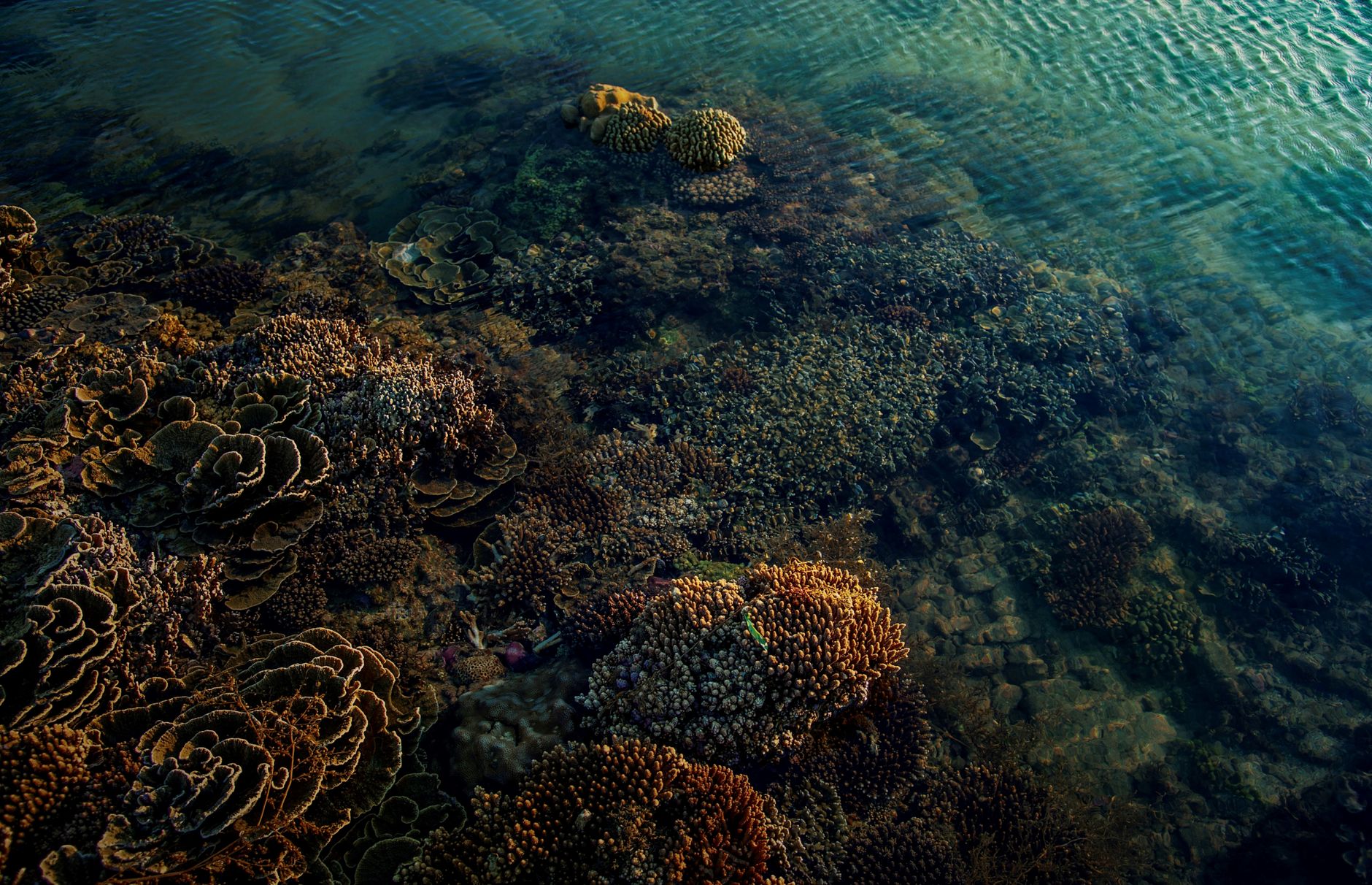
SPS corals, or Small Polyp Stony corals, are renowned for their vibrant colors and intricate structures, making them highly sought after in reef aquariums. However, a common problem faced by reef keepers is the phenomenon of SPS corals turning brown, often referred to as browning out. Why are my SPS corals turning brown? The answer is rarely simple, but understanding the underlying causes is the first step towards restoring their captivating colors.

What colours are fish most attracted to?
Can you put your finger in a trout's mouth?
Is methylene blue anti bacterial?
Does aquarium salt raise pH in aquarium?
The Role of Zooxanthellae

SPS corals have a symbiotic relationship with microscopic algae called zooxanthellae. These algae reside within the coral’s tissue and perform photosynthesis, providing the coral with essential nutrients. In return, the coral provides the algae with a protected environment and access to light. The concentration and type of zooxanthellae significantly influence the coral’s coloration.
Key Causes of SPS Coral Browning
Several factors can contribute to SPS corals turning brown:
- Nutrient Imbalance: Elevated levels of nitrates and phosphates are the most common culprits. These nutrients promote the overgrowth of zooxanthellae, leading to a higher concentration of these algae within the coral tissue, effectively masking the coral’s natural pigments.
- Insufficient Lighting: While high light intensity can sometimes lead to bleaching, insufficient light can also trigger a browning response. Corals need adequate light for proper photosynthesis and coloration.
- Water Chemistry Instability: Fluctuations in parameters like alkalinity, calcium, and magnesium can stress corals and cause them to brown out. Maintaining stable water chemistry is crucial.
- Stress: Any form of stress, such as changes in temperature, salinity, or even aggressive tankmates, can lead to browning.
Identifying the Cause
Determining the specific cause of browning requires careful observation and testing:
- Water Testing: Regularly test your water for nitrates, phosphates, alkalinity, calcium, and magnesium. Aim for stable and appropriate levels.
- Visual Inspection: Observe the coral’s overall health. Is it still extending its polyps? Are there any signs of tissue recession?
- Lighting Assessment: Ensure your lighting system is appropriate for SPS corals and that the bulbs are not old or degraded.
Prevention and Treatment
Preventing and treating SPS coral browning involves addressing the underlying causes:
- Nutrient Control:
- Regular water changes with high-quality saltwater.
- Use of a protein skimmer to remove organic waste.
- Implementation of a refugium with macroalgae to absorb nutrients.
- Careful feeding practices to avoid overfeeding.
- Lighting Optimization:
- Use appropriate lighting fixtures specifically designed for reef aquariums.
- Ensure the light intensity and spectrum are suitable for SPS corals.
- Replace bulbs regularly as they degrade over time.
- Water Chemistry Stabilization:
- Maintain stable levels of alkalinity, calcium, and magnesium.
- Use a reliable dosing system if necessary.
- Monitor water parameters regularly.
- Stress Reduction:
- Ensure a stable temperature and salinity.
- Address any aggression issues among tankmates.
- Minimize physical disturbances to the coral.
Common Mistakes
- Ignoring Water Parameters: Neglecting regular water testing is a common mistake.
- Overfeeding: Overfeeding introduces excess nutrients into the system.
- Rapid Changes: Making drastic changes to water parameters or lighting can stress corals.
- Improper Acclimation: Failing to properly acclimate new corals to your tank can lead to problems.
| Mistake | Consequence | Prevention |
|---|---|---|
| Ignoring Water Tests | Uncontrolled nutrient levels, instability | Regular testing with a quality test kit |
| Overfeeding | High nitrates and phosphates | Feed sparingly, target feed corals if necessary |
| Rapid Changes | Stress, browning, tissue recession | Make gradual adjustments over time |
| Improper Acclimation | Shock, browning, potential death | Drip acclimate new corals carefully |
FAQs About SPS Coral Browning
Why are my SPS corals turning brown, even though my nitrates and phosphates are low?
Even with low measured levels of nitrates and phosphates, localized spikes or bound nutrients within the substrate can still contribute to browning. Consider increasing water flow to help export detritus and using a high-quality phosphate remover.
Can insufficient lighting cause SPS corals to turn brown?
Yes, while excessive lighting can cause bleaching, insufficient lighting can also lead to browning. Corals need adequate light for photosynthesis. Ensure your lighting is appropriate for SPS corals in terms of intensity and spectrum.
How often should I test my water parameters?
You should test your water parameters at least once a week, especially for alkalinity, calcium, magnesium, nitrates, and phosphates. More frequent testing might be necessary if you are experiencing issues with your corals.
What are the ideal water parameters for SPS corals?
Ideal water parameters for SPS corals typically include: Alkalinity: 8-11 dKH, Calcium: 400-450 ppm, Magnesium: 1250-1350 ppm, Nitrates: Below 5 ppm, Phosphates: Below 0.03 ppm.
How long does it take for SPS corals to regain their color after browning?
The time it takes for SPS corals to regain their color can vary depending on the severity of the browning and how quickly the underlying causes are addressed. It can take several weeks to months to see significant improvement.
Is browning always a sign of a problem?
While browning usually indicates an issue, some corals naturally have a brownish base color. However, a sudden or progressive browning should always be investigated.
What is the best way to lower nitrates and phosphates?
Several methods can effectively lower nitrates and phosphates, including: regular water changes, protein skimming, refugiums, phosphate removers, and nitrate reactors. A combination of these methods is often most effective.
Can I use a UV sterilizer to help with browning?
A UV sterilizer can help reduce bacteria and algae in the water column, potentially improving water clarity and reducing nutrient buildup, but it’s not a direct solution for browning. It’s more of a preventative measure.
What is a refugium, and how does it help?
A refugium is a separate compartment in your aquarium system that provides a safe haven for beneficial organisms like macroalgae and copepods. The macroalgae consume nitrates and phosphates, helping to maintain water quality.
Are all SPS corals equally susceptible to browning?
No, some SPS coral species are more sensitive to water quality fluctuations and are therefore more prone to browning than others.
My SPS coral is browning from the base up. What does that mean?
Browning from the base up, often accompanied by tissue recession, can indicate a localized infection or poor water flow around the base of the coral. Ensure adequate flow and consider dipping the coral in a coral dip to address potential infections.
What are coral dips, and how can they help?
Coral dips are solutions designed to remove pests and parasites from corals. They can also help treat minor infections. Regularly dipping new corals can help prevent problems in your tank.