

Why Are My Baby Rabbits Dying? Understanding Neonatal Rabbit Mortality
The sudden loss of baby rabbits, or kits, is devastating. The most common reasons include inadequate maternal care, environmental factors, and diseases; identifying the specific cause is crucial to preventing further losses.

The heartbreaking discovery of deceased baby rabbits can leave any breeder or rabbit owner feeling helpless. Why are my baby rabbits dying? This is a question that demands thorough investigation, as the reasons can be multifaceted. Neonatal rabbit mortality, unfortunately, is a relatively common occurrence, but understanding the contributing factors can significantly improve your chances of successfully raising a healthy litter. Let’s explore some of the primary causes and preventative measures.
Understanding Neonatal Rabbit Mortality
Rabbit mortality during the neonatal period (the first few weeks of life) is higher than many people realize. Several factors contribute to this, ranging from the mother’s health and behavior to the environmental conditions in the nest box. Understanding these factors is the first step toward reducing losses.

What colours are fish most attracted to?
Can you put your finger in a trout's mouth?
Is methylene blue anti bacterial?
Does aquarium salt raise pH in aquarium?
Common Causes of Kit Mortality
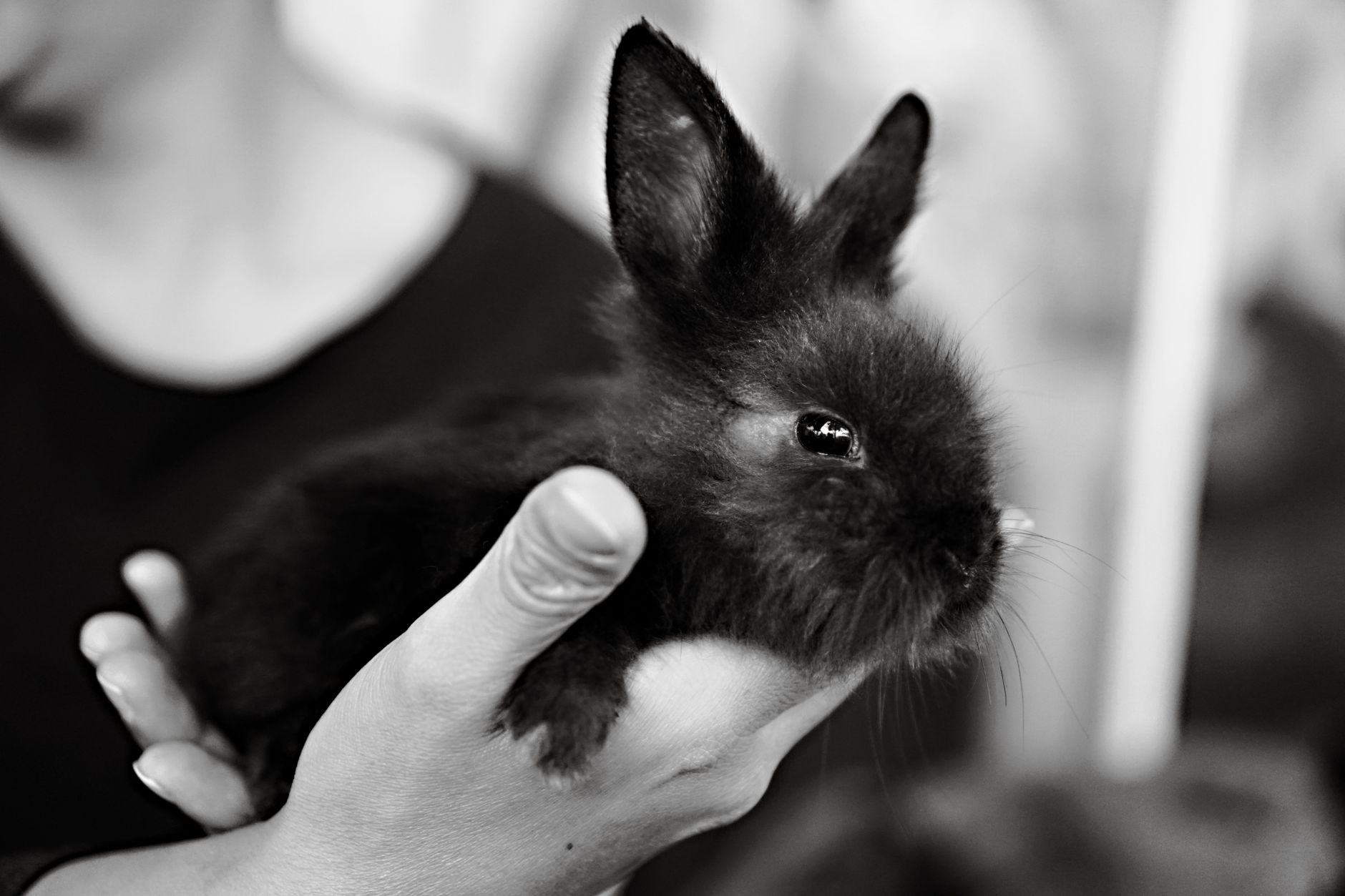
Several issues can cause mortality in young rabbits. These include:
- Poor Maternal Care: This is a leading cause. Mother rabbits, called does, might neglect their kits, refuse to nurse, or even abandon them. This can be due to inexperience, stress, illness, or a first litter.
- Environmental Problems: Kits are extremely vulnerable to cold, dampness, and drafts. An unsuitable nesting environment can quickly lead to hypothermia and death. Overheating can also be fatal.
- Starvation: If the doe isn’t producing enough milk, or if the kits are unable to nurse properly, they will starve.
- Disease and Infection: Bacterial, viral, or parasitic infections can decimate a litter. Coccidiosis and bacterial infections like Pasteurella are common culprits.
- Genetic Issues: Occasionally, kits are born with congenital defects that make survival impossible.
- Trauma: Accidental injury, such as the doe stepping on or crushing the kits, can occur.
Identifying the Problem
Careful observation is critical to determining why are my baby rabbits dying? Look for the following signs:
- Neglected Kits: Are the kits huddled together, cold to the touch, and not moving much? This suggests the doe is not nursing or providing warmth.
- Bloated or Distended Abdomens: This could indicate a digestive problem or infection.
- Dehydration: The kits’ skin may appear wrinkled, and they may be lethargic.
- Diarrhea or Stool Abnormalities: These are signs of infection or dietary issues.
- Injuries: Check for any visible wounds or signs of trauma.
Preventing Kit Mortality
Prevention is always better than cure. Here are some key steps you can take to minimize kit losses:
- Ensure a Healthy Doe: The doe’s health is paramount. Provide a balanced diet, clean water, and a stress-free environment during pregnancy. Regular veterinary checkups are essential.
- Proper Nesting: Provide a clean, dry nest box filled with soft bedding material like straw or hay. The box should be large enough for the doe and her kits, and placed in a quiet, dark location.
- Monitor Nursing: Observe the doe’s behavior to ensure she is nursing regularly. If you suspect she is neglecting her kits, you may need to intervene (see below).
- Maintain a Clean Environment: Regularly clean the hutch and nest box to prevent the spread of disease.
- Control Temperature and Humidity: Keep the kits warm and dry, but avoid overheating. Ensure adequate ventilation.
- Early Intervention: If you notice any signs of illness or neglect, act quickly. Consult a veterinarian experienced with rabbits for advice.
Intervening When Necessary
Sometimes, despite your best efforts, the doe may neglect her kits or be unable to care for them properly. In these cases, you may need to intervene. This could involve:
- Supplemental Feeding: If the doe isn’t producing enough milk, you can supplement the kits’ diet with a commercial milk replacer formulated for rabbits.
- Artificial Warmth: If the kits are cold, provide a heat lamp or heating pad (covered with a towel) to warm them up. Be careful not to overheat them.
- Relocating the Nest: If the nest is in a drafty or unsuitable location, move it to a warmer, more protected area.
- Foster Care: In some cases, you may be able to find another doe who is nursing a litter and will accept the orphaned kits.
Table: Comparing Possible Causes and Actions
| Cause | Signs | Action |
|---|---|---|
| Maternal Neglect | Cold kits, infrequent nursing, abandonment | Supplemental feeding, artificial warmth, consider fostering. |
| Environmental Issues | Cold/damp kits, overheating | Improve nest box, control temperature and humidity. |
| Starvation | Thin kits, constant crying, lack of weight gain | Supplemental feeding, assess doe’s milk production. |
| Disease/Infection | Bloated abdomen, diarrhea, lethargy | Veterinary consultation, antibiotics if necessary. |
| Genetic Issues | Deformities, failure to thrive | Sadly, often nothing can be done. |
| Trauma | Visible injuries, crying when touched | Veterinary consultation, isolate injured kits if necessary. |
Frequently Asked Questions (FAQs)
What are the signs of a healthy baby rabbit?
Healthy baby rabbits should be warm, plump, and active. They should have smooth, shiny fur and be gaining weight steadily. They should also be nursing regularly, with their bellies appearing full after feeding. Regular monitoring of their weight is crucial during the first few weeks of life.
How often should a mother rabbit nurse her kits?
Does typically nurse their kits only once or twice a day, usually in the early morning or late evening. This may seem infrequent, but rabbit milk is very rich and provides the kits with all the nutrients they need in a short period of time. Watch for a distended belly on kits following a feeding.
Can I touch my baby rabbits?
Yes, it is generally safe to touch baby rabbits, but always wash your hands thoroughly before handling them. Avoid handling them excessively, as this can stress the doe and may lead to her neglecting them. You may smell like a predator to the Doe.
What is coccidiosis and how does it affect baby rabbits?
Coccidiosis is a parasitic disease that affects the intestines. It is common in young rabbits and can cause diarrhea, weight loss, and even death. Good hygiene and sanitation are essential to prevent coccidiosis. A vet can prescribe medications if needed.
What is “scattered litter” and why is it dangerous?
Scattered litter refers to when the doe does not keep her babies huddled together in the nest. Baby rabbits cannot thermoregulate themselves, so scattered babies will die from hypothermia. Make sure the nesting area is enclosed and the babies are kept together by the mother.
How can I tell if my baby rabbits are cold?
If baby rabbits are cold, they will be huddled together and feel cold to the touch. Their movements will be slow and lethargic. Immediate warming is essential to prevent hypothermia.
Is it normal for a first-time mother rabbit to neglect her kits?
Yes, it is not uncommon for first-time does to neglect their kits. This can be due to inexperience or stress. Careful monitoring is crucial in these cases. Consider having an experienced doe around to teach her.
What should I feed orphaned baby rabbits?
Orphaned baby rabbits should be fed a commercial milk replacer specifically formulated for rabbits. Goat’s milk can be a substitute if needed. Consult a veterinarian for advice on feeding schedules and amounts.
How often should I feed orphaned baby rabbits?
The frequency of feeding depends on the age of the kits. Newborn kits should be fed every 3-4 hours, gradually decreasing the frequency as they grow older.
How do I stimulate baby rabbits to urinate and defecate?
After feeding, gently stimulate the kits’ anal region with a warm, damp cotton ball or cloth. This mimics the doe’s licking and encourages them to urinate and defecate. This is crucial for their health and survival.
What temperature should I keep baby rabbits at?
Keep young rabbits in a temperature of around 70-75 degrees Fahrenheit (21-24 degrees Celsius) during the first few weeks of life.
When will my baby rabbits start to eat solid food?
Baby rabbits will start to nibble on solid food, such as hay and pellets, at around 3-4 weeks of age. Gradually introduce them to a variety of foods.