

Why Are Lions Going Extinct? The Dire Predicament of the King of Beasts
The alarming decline in lion populations stems from a complex interplay of factors, primarily habitat loss, human-wildlife conflict, and unsustainable hunting, making why are lions going extinct? a pressing and urgent question demanding global attention.

A Glimpse into the Lion’s Kingdom: Background and Current Status
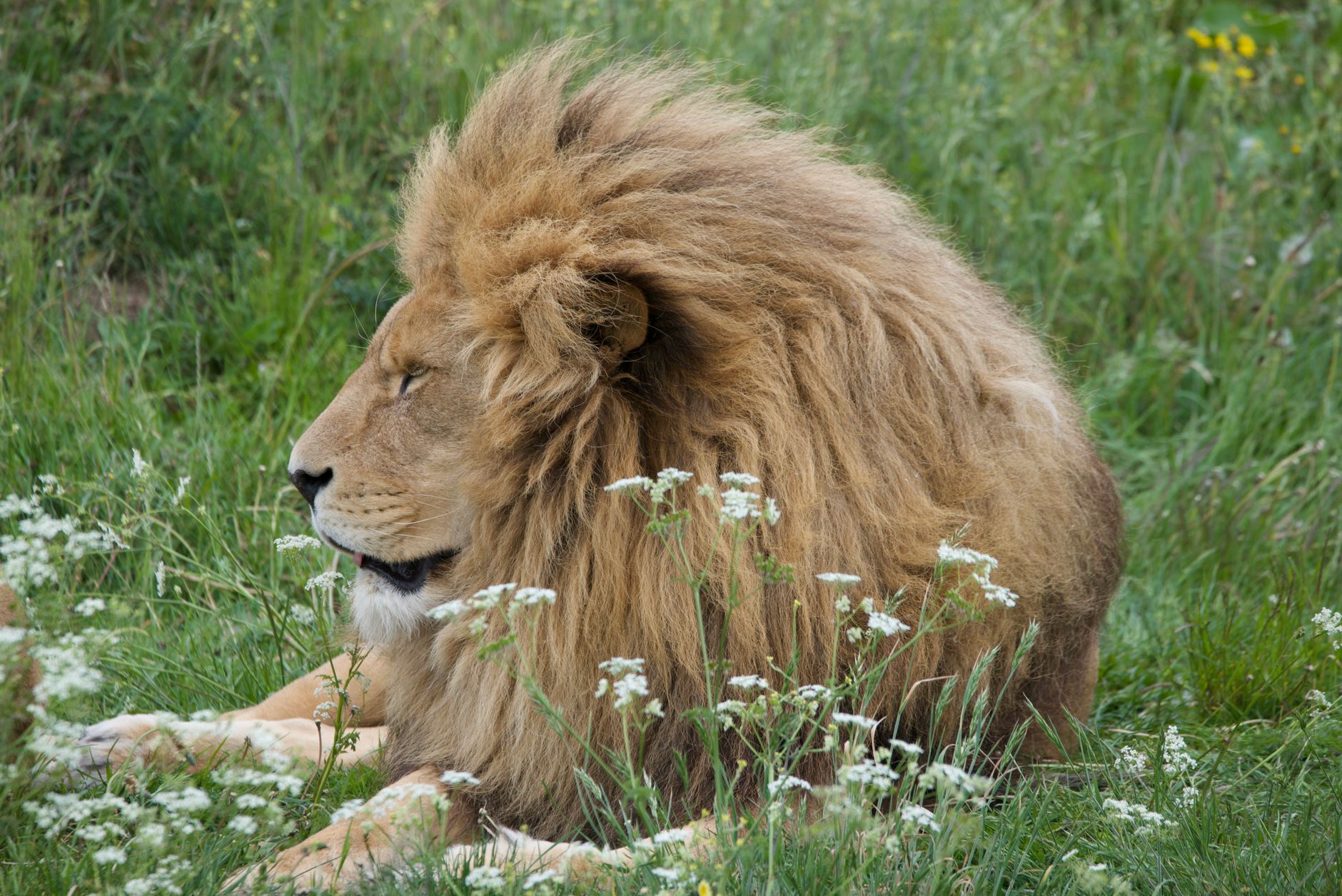
Lions (Panthera leo) once roamed across Africa, Asia, and even parts of Europe. Today, their range is dramatically reduced, confined largely to sub-Saharan Africa, with a small, critically endangered population persisting in India’s Gir Forest. The majestic King of the Jungle faces a severe crisis, with populations plummeting from hundreds of thousands a century ago to an estimated 20,000-30,000 individuals today. This drastic decline underscores the urgency of understanding why are lions going extinct?. The reasons are multifaceted and interconnected, posing significant challenges to conservation efforts.
What colours are fish most attracted to?
Can you put your finger in a trout's mouth?
Is methylene blue anti bacterial?
Does aquarium salt raise pH in aquarium?
The Primary Driver: Habitat Loss and Fragmentation
Habitat loss stands as one of the most significant threats to lion survival. As human populations expand, natural landscapes are converted for agriculture, infrastructure development, and settlements. This fragmentation isolates lion populations, reducing genetic diversity and limiting access to prey.
- Agricultural Expansion: Farmlands encroach on lion habitats, displacing prey and bringing lions into direct conflict with farmers.
- Infrastructure Development: Roads, railways, and pipelines bisect lion territories, hindering movement and isolating populations.
- Urbanization: The growth of cities and towns further shrinks the available habitat, forcing lions into smaller and more isolated areas.
The impacts of habitat loss extend beyond simple reduction of space. It alters ecosystems, changes prey availability, and increases the likelihood of human-wildlife conflict.
The Deadly Equation: Human-Wildlife Conflict
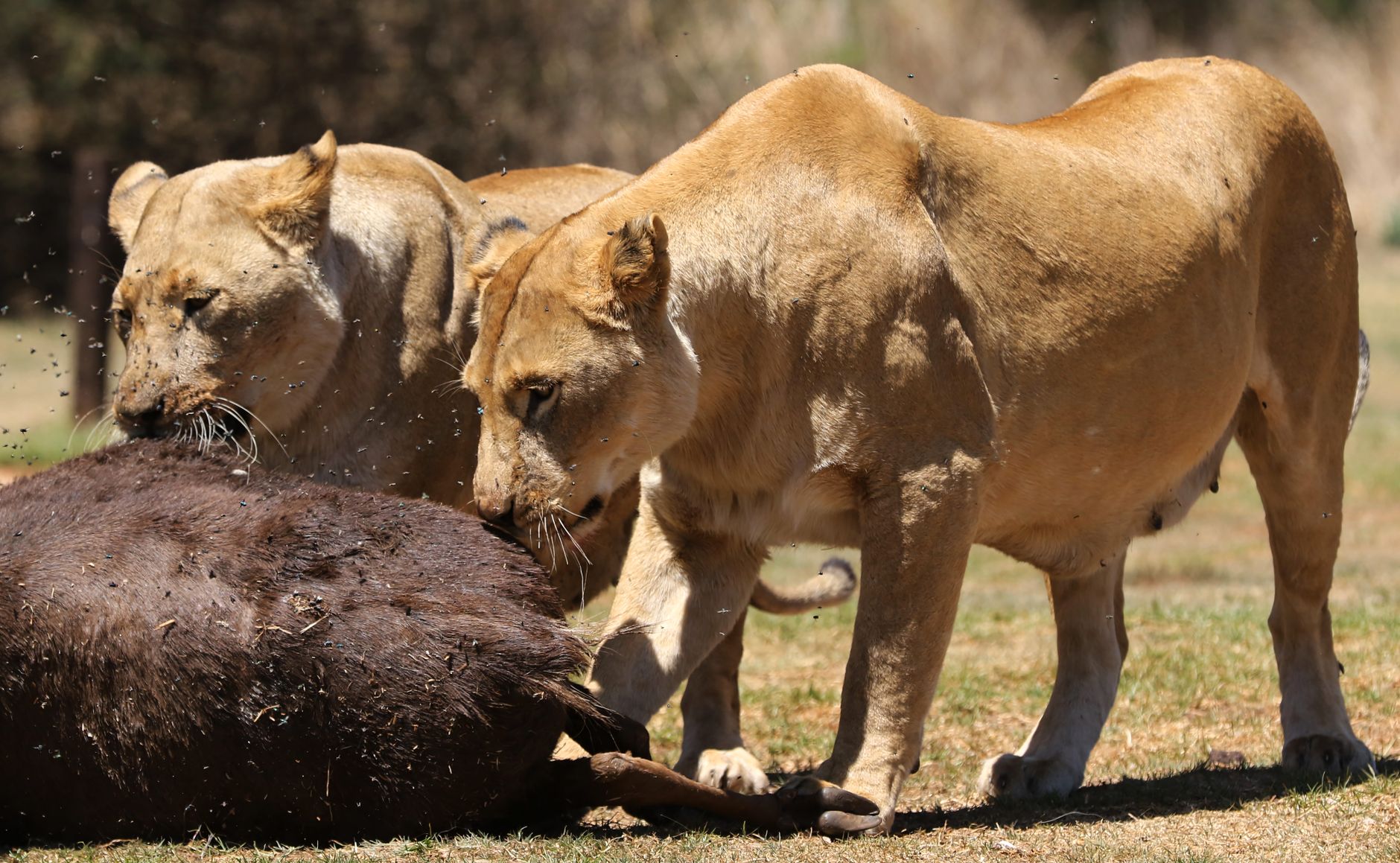
As lions lose their natural habitat, they are increasingly forced to prey on livestock, leading to retaliatory killings by farmers. This human-wildlife conflict is a major contributor to lion mortality.
- Livestock Depredation: Lions may turn to livestock when wild prey is scarce or inaccessible.
- Retaliatory Killings: Farmers often poison or shoot lions to protect their livestock, even leading to pre-emptive killings to deter future attacks.
- Poisoning: Carcasses are sometimes laced with poison to kill lions, also impacting other scavengers like vultures and hyenas.
Mitigating human-wildlife conflict requires proactive strategies:
- Compensation Schemes: Compensating farmers for livestock losses can reduce retaliatory killings.
- Predator-Proof Enclosures: Constructing secure enclosures for livestock can prevent lion attacks.
- Community Education: Raising awareness about lion conservation and promoting coexistence is crucial.
The Shadow of the Hunt: Unsustainable Hunting and Poaching
Although regulated hunting can, in theory, contribute to conservation revenue, unsustainable hunting practices have decimated lion populations in many areas. Furthermore, poaching for lion body parts for traditional medicine or trophy hunting continues to pose a severe threat.
- Trophy Hunting: While regulated trophy hunting can generate revenue for conservation, poorly managed or illegal hunts can deplete lion populations.
- Poaching for Body Parts: Lion bones and other body parts are used in traditional medicine in some cultures, driving a demand that fuels poaching.
- Bushmeat Trade: Lions can be caught in snares set for other animals, leading to accidental deaths.
Effective anti-poaching measures, strengthened regulations, and community involvement are essential to combat these threats.
The Scars of Disease: Impact of Disease on Lion Populations
Disease outbreaks can have devastating impacts on lion populations, particularly when combined with other stressors like habitat loss and reduced genetic diversity.
- Canine Distemper Virus (CDV): This highly contagious virus can cause neurological damage and death in lions.
- Tuberculosis (TB): TB can weaken lions and make them more susceptible to other diseases.
- Feline Immunodeficiency Virus (FIV): While FIV does not always cause clinical disease, it can suppress the immune system and increase vulnerability to other infections.
Vaccination programs and improved disease monitoring are crucial for managing disease outbreaks and protecting lion populations.
The Silent Threat: Genetic Inbreeding and Loss of Diversity
Reduced habitat size and population fragmentation lead to genetic inbreeding, diminishing the genetic diversity of lion populations. This makes them more vulnerable to disease and reduces their ability to adapt to changing environmental conditions.
- Limited Gene Pool: Small, isolated populations have a limited gene pool, increasing the likelihood of inbreeding.
- Reduced Fitness: Inbreeding can lead to reduced fitness, making lions more susceptible to disease and environmental stressors.
- Reproductive Problems: Inbreeding can also cause reproductive problems, reducing birth rates.
Maintaining genetic diversity requires connecting fragmented populations through habitat corridors and translocation programs.
The Path Forward: Conservation Strategies for Lions
Protecting lions requires a comprehensive and multifaceted approach that addresses the threats they face and involves collaboration among governments, conservation organizations, and local communities. Understanding why are lions going extinct? is only the first step; action is paramount.
- Habitat Protection: Establishing and managing protected areas, such as national parks and reserves, is essential for securing lion habitats.
- Anti-Poaching Measures: Strengthening anti-poaching patrols and enforcing wildlife laws can deter poaching.
- Community-Based Conservation: Engaging local communities in conservation efforts can foster support for lion protection.
- Human-Wildlife Conflict Mitigation: Implementing strategies to reduce human-wildlife conflict can minimize retaliatory killings.
- Disease Monitoring and Management: Monitoring lion populations for disease outbreaks and implementing vaccination programs can protect them from disease.
- Genetic Management: Connecting fragmented populations through habitat corridors and translocation programs can increase genetic diversity.
Frequently Asked Questions (FAQs)
What is the current population of lions in the wild?
The estimated wild lion population currently stands at approximately 20,000 to 30,000 individuals. This represents a significant decline from historical numbers, highlighting the vulnerability of the species.
Where are lions found in the wild today?
Lions are primarily found in sub-Saharan Africa. A small, critically endangered population exists in the Gir Forest National Park in India. Their range has been drastically reduced compared to their historical distribution.
What are the main threats facing lions?
The main threats include habitat loss, human-wildlife conflict, unsustainable hunting, poaching, disease, and genetic inbreeding. These factors interact and exacerbate the challenges faced by lion populations.
How does habitat loss impact lion populations?
Habitat loss reduces the available space for lions to live and hunt, disrupts ecosystems, fragments populations, and increases human-wildlife conflict. This forces lions into smaller and more isolated areas, making them more vulnerable.
What is human-wildlife conflict, and how does it affect lions?
Human-wildlife conflict occurs when lions prey on livestock, leading to retaliatory killings by farmers. This is a major cause of lion mortality, especially in areas where wild prey is scarce.
Is hunting a threat to lion populations?
Unsustainable hunting and poaching can deplete lion populations. While regulated trophy hunting can generate revenue for conservation, poorly managed hunts and illegal poaching can have devastating impacts.
What diseases affect lions, and how do they impact their survival?
Lions are susceptible to diseases like Canine Distemper Virus (CDV), Tuberculosis (TB), and Feline Immunodeficiency Virus (FIV). These diseases can weaken lions, make them more vulnerable to other infections, and cause mortality.
What is genetic inbreeding, and why is it a concern for lions?
Genetic inbreeding occurs when closely related individuals breed, reducing genetic diversity. This can lead to reduced fitness, increased susceptibility to disease, and reproductive problems in lion populations.
What conservation efforts are being implemented to protect lions?
Conservation efforts include habitat protection, anti-poaching measures, community-based conservation, human-wildlife conflict mitigation, disease monitoring and management, and genetic management. These efforts aim to address the various threats facing lions.
How can local communities play a role in lion conservation?
Local communities can play a crucial role by participating in conservation efforts, protecting livestock, reporting poaching activities, and promoting coexistence with lions. Engaging local communities is essential for long-term lion conservation.
What can individuals do to help protect lions?
Individuals can support lion conservation by donating to conservation organizations, raising awareness about the plight of lions, advocating for stronger wildlife protection laws, and making sustainable consumer choices that do not contribute to habitat destruction.
What is the future outlook for lion populations?
The future of lion populations depends on the success of conservation efforts. Without continued action to address the threats they face, lion populations will continue to decline, potentially leading to extinction in many areas. Addressing why are lions going extinct? is crucial for securing their survival.