
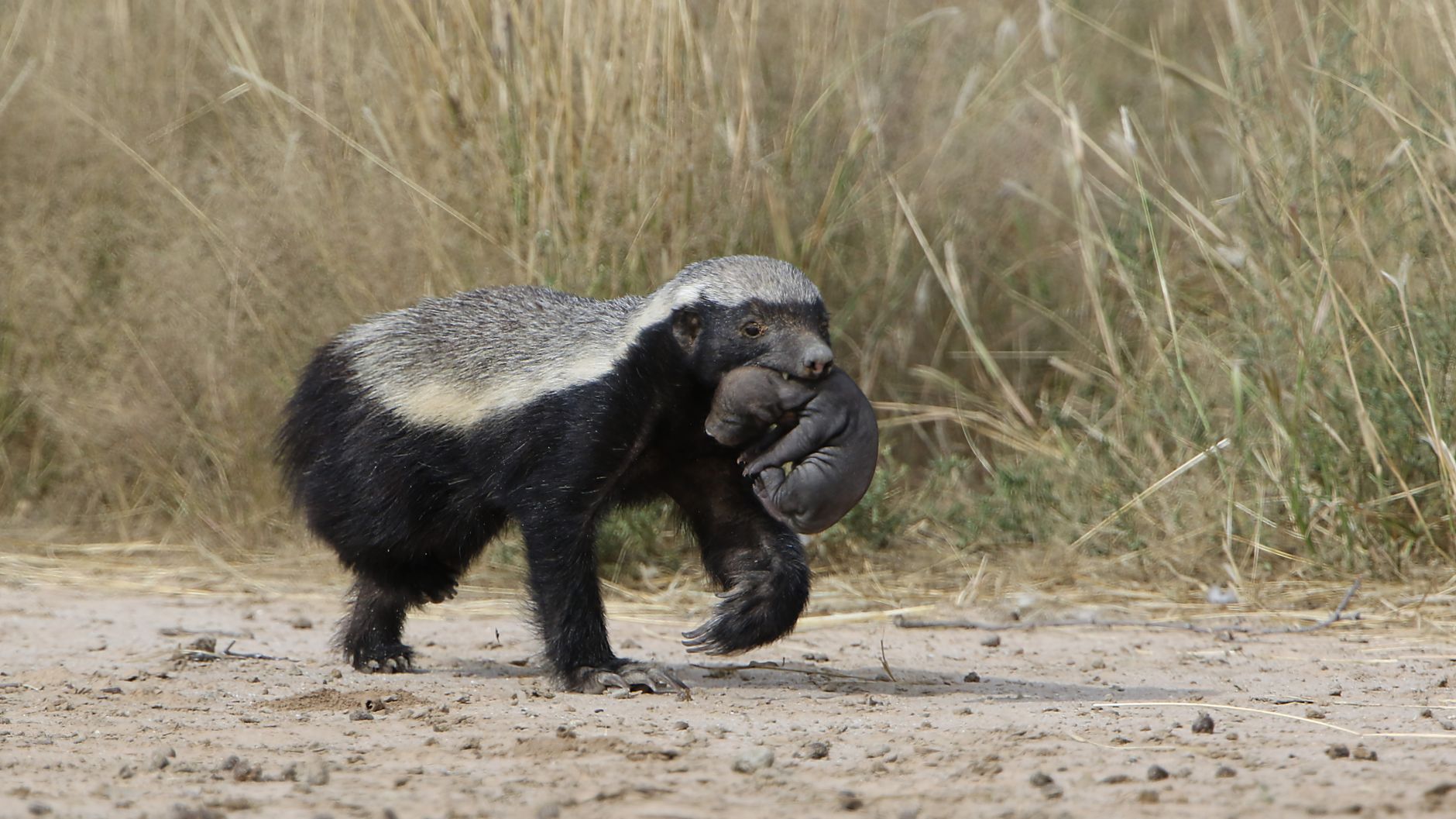
Why Are Honey Badgers So Good?
Honey badgers are renowned for their extraordinary toughness, tenacity, and intelligence, traits that allow them to thrive in harsh environments and face down predators many times their size, making them arguably the most fearless animal on the planet.

Introduction to the Honey Badger: A Creature of Legend
The honey badger ( Mellivora capensis), also known as the ratel, is a mammal widely distributed in Africa, Southwest Asia, and the Indian subcontinent. While its name might conjure images of cuddly creatures, the honey badger is anything but. Their reputation precedes them, fueled by viral videos and folklore that paint them as fearless, resourceful, and virtually indestructible. Why are honey badgers so good? The answer lies in a combination of unique physical adaptations, remarkable intelligence, and an unwavering attitude that allows them to survive and even thrive in environments that would challenge even the most formidable predators.

What colours are fish most attracted to?
Can you put your finger in a trout's mouth?
Is methylene blue anti bacterial?
Does aquarium salt raise pH in aquarium?
Physical Adaptations: Armor Plating and Powerful Jaws

The honey badger’s physical attributes are crucial to its survival. These adaptations allow it to face everything from venomous snakes to lions with a shocking level of confidence.
- Thick, Loose Skin: Perhaps the most iconic feature, the honey badger’s skin is incredibly thick and loose. This serves as a form of armor, making it difficult for predators to get a firm grip. The looseness also allows the badger to twist and turn within its skin, even when held by another animal, often allowing it to deliver a counter-attack.
- Powerful Claws: These claws are not just for digging burrows; they are formidable weapons. The honey badger uses them for digging out prey, tearing apart carcasses, and defending itself against attackers.
- Strong Jaws and Teeth: Honey badgers possess strong jaws and sharp teeth capable of crushing bones and tearing through flesh. They are not picky eaters and will consume almost anything they can get their paws on.
- Anal Glands: These glands secrete a foul-smelling liquid that the honey badger can spray to deter predators, similar to a skunk.
Behavioral Adaptations: Intelligence and Tenacity
Beyond physical attributes, the honey badger’s behavior contributes significantly to its success. Its cunning and determination are legendary.
- Problem-Solving Abilities: Honey badgers are incredibly intelligent. They have been observed using tools and solving complex problems to obtain food. Captive honey badgers have even escaped enclosures that were thought to be escape-proof.
- Fearless Attitude: The honey badger’s most defining characteristic is its unwavering fearlessness. They are known to aggressively confront animals much larger than themselves, including lions, leopards, and even pythons.
- Resourcefulness: Honey badgers are highly adaptable and resourceful. They are opportunistic feeders and will readily scavenge, hunt, or steal food from other animals. They even tolerate bee stings to get to honey, a testament to their tenacity.
Diet and Hunting Strategies
The honey badger’s diet is remarkably diverse. They are omnivores and will consume anything from insects and small mammals to reptiles, birds, and fruits. They are also known for their love of honey, hence their name.
| Food Source | Description |
|---|---|
| Insects | Beetles, scorpions, termites |
| Small Mammals | Rodents, rabbits, birds |
| Reptiles | Snakes (including venomous ones), lizards, tortoises |
| Fruits & Vegetables | Berries, roots, tubers |
| Honey & Bee Larvae | A highly sought-after food source, despite the risk of bee stings |
Their hunting strategies are equally varied. They may dig prey out of burrows, chase them down on the ground, or even climb trees to raid nests.
Conservation Status
Despite their formidable reputation, honey badgers face several threats, including habitat loss, poaching, and persecution by farmers who view them as pests. While they are not currently classified as endangered, their populations are declining in some areas. Conservation efforts are crucial to ensure the survival of this iconic species.
The Honey Badger’s Impact on Popular Culture
The honey badger’s fearless and tenacious nature has made it a popular symbol in popular culture. It is often used to represent resilience, determination, and a refusal to back down, no matter the odds. This notoriety has further cemented the legend of why honey badgers are so good.
Frequently Asked Questions About Honey Badgers
What makes honey badgers so resistant to venom?
Honey badgers possess a degree of resistance to the venom of some snakes and scorpions. This isn’t complete immunity, but rather a reduced sensitivity due to modifications in the acetylcholine receptor, the target of many snake venoms. This resistance allows them to survive bites that would be fatal to other animals.
Are honey badgers really immune to bee stings?
No, honey badgers are not immune to bee stings. However, their thick skin and dense fur provide a significant degree of protection. They also seem to have a higher tolerance for bee venom compared to other mammals. They are willing to endure the pain for the reward of honey and bee larvae.
How do honey badgers find beehives?
Honey badgers often rely on the greater honeyguide bird to locate beehives. The honeyguide will actively seek out honey badgers and lead them to beehives in exchange for access to the beeswax that the badger breaks open. This is an example of mutualistic symbiosis.
Are honey badgers solitary animals?
Honey badgers are generally solitary animals, except during mating season or when raising young. They typically live in self-dug burrows and hunt alone.
How big do honey badgers get?
Honey badgers are relatively small animals. Adults typically weigh between 12 and 31 pounds and measure between 22 and 30 inches in length, excluding the tail.
Where do honey badgers live?
Honey badgers are found in a wide range of habitats across Africa, Southwest Asia, and the Indian subcontinent. They are highly adaptable and can thrive in various environments, including grasslands, savannas, forests, and even deserts.
What is the lifespan of a honey badger?
In the wild, honey badgers typically live for around 7 to 10 years. In captivity, they can live much longer, with some individuals reaching 20 years or more.
Do honey badgers have any predators?
Despite their formidable reputation, honey badgers are sometimes preyed upon by larger predators, such as lions, leopards, and hyenas, especially when they are young or injured. However, their tenacity and defensive capabilities often allow them to escape these encounters.
Are honey badgers dangerous to humans?
Honey badgers are generally not aggressive towards humans unless provoked or threatened. However, if they feel threatened, they will not hesitate to defend themselves, and their powerful jaws and sharp claws can inflict serious injuries.
What is the conservation status of honey badgers?
The IUCN Red List classifies honey badgers as Least Concern. However, their populations are declining in some areas due to habitat loss, poaching, and persecution by farmers.
What can I do to help protect honey badgers?
Supporting conservation organizations that work to protect honey badgers and their habitat is a great way to help. You can also educate others about the importance of these fascinating creatures. Further, promoting responsible land management practices that minimize habitat destruction is important.
Why is the Honey Badger considered the world’s most fearless animal?
The combination of their thick skin, potent defenses, problem-solving skills, and unyielding aggression make the honey badger remarkably resilient and confident. It’s this fearless attitude, coupled with their physical abilities, that leads many to consider them the most fearless animal on Earth. This perfectly encapsulates why are honey badgers so good?