

Why Are Greenland Sharks Rare? Exploring the Mysteries of a Deep-Sea Giant
The rarity of Greenland sharks stems from a combination of their extremely slow growth, late maturity, deep-sea habitat challenges, and low reproductive rate, making them particularly vulnerable to environmental changes and human activity. These factors combine to limit their population numbers and make them challenging to study.

Introduction: The Enigmatic Greenland Shark
The Greenland shark (Somniosus microcephalus) is a creature of myth and mystery, inhabiting the frigid depths of the Arctic and North Atlantic oceans. This remarkable shark, one of the longest-living vertebrates on Earth, is shrouded in secrecy. Why are Greenland sharks rare? The answer is a complex interplay of biological factors, environmental pressures, and the sheer difficulty of studying these elusive animals in their deep-sea home. Their longevity, while fascinating, also makes them extremely vulnerable.

What colours are fish most attracted to?
Can you put your finger in a trout's mouth?
Is methylene blue anti bacterial?
Does aquarium salt raise pH in aquarium?
The Slow Life: Growth, Maturity, and Longevity
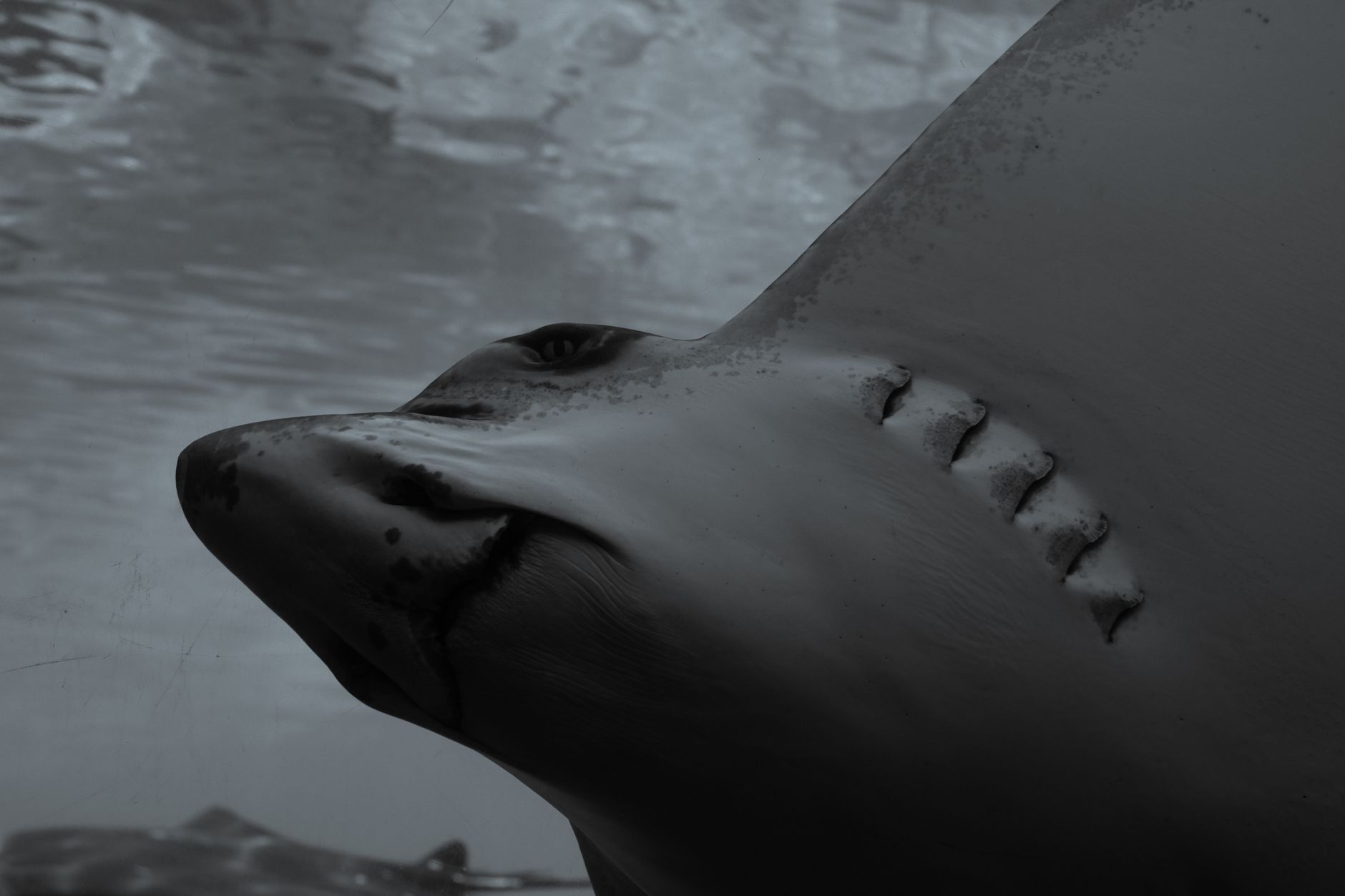
Perhaps the most significant factor contributing to the rarity of Greenland sharks is their extraordinarily slow life cycle.
- Extremely Slow Growth: Greenland sharks grow at a glacial pace, estimated at approximately 1 cm per year.
- Late Maturity: They don’t reach sexual maturity until they are around 150 years old.
- Exceptional Longevity: Radiocarbon dating of eye lenses has revealed individuals living for over 400 years, making them the longest-lived vertebrate known to science.
This slow growth and late maturity mean that Greenland sharks are incredibly vulnerable to disturbances in their environment. Any threat that reduces their lifespan before they can reproduce significantly impacts the population’s ability to recover. A disruption that impacts other shark species might have a minimal impact, however a disruption to the Greenland shark species could have a major negative impact.
Deep-Sea Habitat Challenges
Greenland sharks are primarily deep-sea dwellers, inhabiting waters at depths of up to 2,200 meters (7,200 feet). This presents significant challenges for both the sharks themselves and for researchers studying them.
- Extreme Pressure: The immense pressure at these depths requires unique physiological adaptations.
- Low Temperatures: The frigid temperatures slow down metabolic processes, contributing to their slow growth and development.
- Limited Food Availability: Food sources in the deep sea are often scarce and unpredictable.
These harsh conditions limit the population density that the environment can support. Moreover, the difficulty of accessing and studying these sharks in their natural habitat hinders our understanding of their behavior, ecology, and population dynamics.
Low Reproductive Rate
Compared to other shark species, Greenland sharks have a low reproductive rate. While they are ovoviviparous (meaning they retain eggs inside the body until they hatch), they produce a relatively small number of offspring per litter. Estimates vary, but litters typically contain fewer than 10 pups. This low reproductive output, combined with their late maturity, means that the population takes a very long time to replenish itself, making them highly susceptible to overfishing or other environmental threats.
Bycatch and Human Impact
Although Greenland sharks are not typically targeted by commercial fisheries, they are often caught as bycatch in trawling nets targeting other species. This unintentional capture can lead to injury or death, further contributing to their rarity. Furthermore, pollution, climate change, and other human-induced environmental changes can negatively impact their habitat and food sources, posing additional threats to their survival.
Limited Research and Understanding
The deep-sea habitat and elusive nature of Greenland sharks make them incredibly difficult to study. Limited research funds and the logistical challenges of deep-sea exploration mean that we still know relatively little about their population size, distribution, and behavior. This lack of knowledge hinders conservation efforts and makes it difficult to accurately assess the threats they face. Why are Greenland sharks rare? Because of the fact they are hard to study, it is hard to obtain accurate details on their numbers.
A Confluence of Factors
In conclusion, the rarity of Greenland sharks is not due to any single factor, but rather to a combination of their slow life cycle, deep-sea habitat challenges, low reproductive rate, and the impacts of human activities. The lack of comprehensive research also contributes to the problem, as we need more information to effectively protect these remarkable creatures.
Frequently Asked Questions (FAQs)
What is the current estimated population size of Greenland sharks?
While precise population estimates are lacking, scientists believe that Greenland shark populations are relatively small compared to other shark species. Their scattered distribution and the difficulty of surveying deep-sea environments make accurate population assessments challenging. Limited data suggests a vulnerable status, highlighting the need for further research.
How do Greenland sharks survive in such cold temperatures?
Greenland sharks possess high concentrations of urea and trimethylamine oxide (TMAO) in their tissues, acting as antifreeze and protecting their cells from freezing in the frigid Arctic waters. These compounds also give their meat a toxic quality, making it unpalatable to humans without special preparation.
What do Greenland sharks eat?
Greenland sharks are opportunistic predators and scavengers, with a diverse diet that includes fish, seals, marine mammals, and even carrion. They are known to prey on sleeping seals and scavenge on whale carcasses, demonstrating their adaptability to food sources. They may even be opportunistic scavengers for polar bears.
Are Greenland sharks dangerous to humans?
While Greenland sharks are large predators, there are no confirmed reports of them attacking humans. Their deep-sea habitat and slow movements suggest they are not a significant threat to swimmers or divers. However, caution should always be exercised when encountering any large marine animal.
What role do Greenland sharks play in the Arctic ecosystem?
As apex predators, Greenland sharks play a crucial role in maintaining the balance of the Arctic ecosystem. They help regulate populations of other species and contribute to nutrient cycling in the deep sea. Their decline could have cascading effects on the entire food web.
What are the main threats facing Greenland sharks today?
The main threats to Greenland sharks include bycatch in fisheries, pollution, climate change, and habitat degradation. Their slow growth and late maturity make them particularly vulnerable to these threats.
How can we protect Greenland sharks?
Protecting Greenland sharks requires a multi-faceted approach, including reducing bycatch in fisheries, mitigating pollution, addressing climate change, and increasing research efforts to better understand their biology and ecology. International cooperation is essential for effective conservation.
What is the average lifespan of a Greenland shark?
Greenland sharks are exceptionally long-lived, with some individuals estimated to live for over 400 years. They are the longest-lived vertebrates known to science.
Where are Greenland sharks primarily found?
Greenland sharks are found primarily in the cold waters of the Arctic and North Atlantic oceans, ranging from the Canadian Arctic to the coast of Europe. They are adapted to thrive in frigid, deep-sea environments.
What is the conservation status of the Greenland shark?
The IUCN (International Union for Conservation of Nature) currently lists the Greenland shark as Near Threatened. This reflects concerns about their slow life cycle, low reproductive rate, and vulnerability to bycatch. Their actual status may be worse, due to limited data.
How do scientists determine the age of Greenland sharks?
Scientists use radiocarbon dating of the eye lens to determine the age of Greenland sharks. This method measures the amount of carbon-14 present in the lens, which can be used to estimate the shark’s age. This groundbreaking technique revolutionized our understanding of their longevity.
Why are Greenland Sharks rare, and what is being done to change that?
The combination of slow growth, late maturity, low reproductive rates, deep-sea habitat challenges, and human impacts contribute to their rarity. Efforts to change this involve reducing bycatch, mitigating pollution, increasing research to gain a better understanding of their species, and international cooperation to implement conservation efforts. Increased awareness and responsible fishing practices are crucial for their long-term survival.