

Why Are Giraffes’ Tongues Black? Unveiling the Mystery Behind the Dark Hue
The dark pigmentation of a giraffe’s tongue is primarily an adaptation to protect it from the harsh African sun, acting like a natural sunscreen. Therefore, the main reason why are giraffes tongues black? is sun protection.

A Curious Case: Exploring the Giraffe’s Unique Tongue
Giraffes are magnificent creatures, instantly recognizable by their towering height and distinctive spotted coats. But did you know that their tongues are just as remarkable? The characteristic black or bluish-black color of a giraffe’s tongue has fascinated scientists and nature enthusiasts alike. Understanding the reasoning behind this unique feature provides insights into the giraffe’s evolutionary adaptations and survival strategies in the African savanna.

What colours are fish most attracted to?
Can you put your finger in a trout's mouth?
Is methylene blue anti bacterial?
Does aquarium salt raise pH in aquarium?
The Scorching Savanna: Sunlight and Sunburn
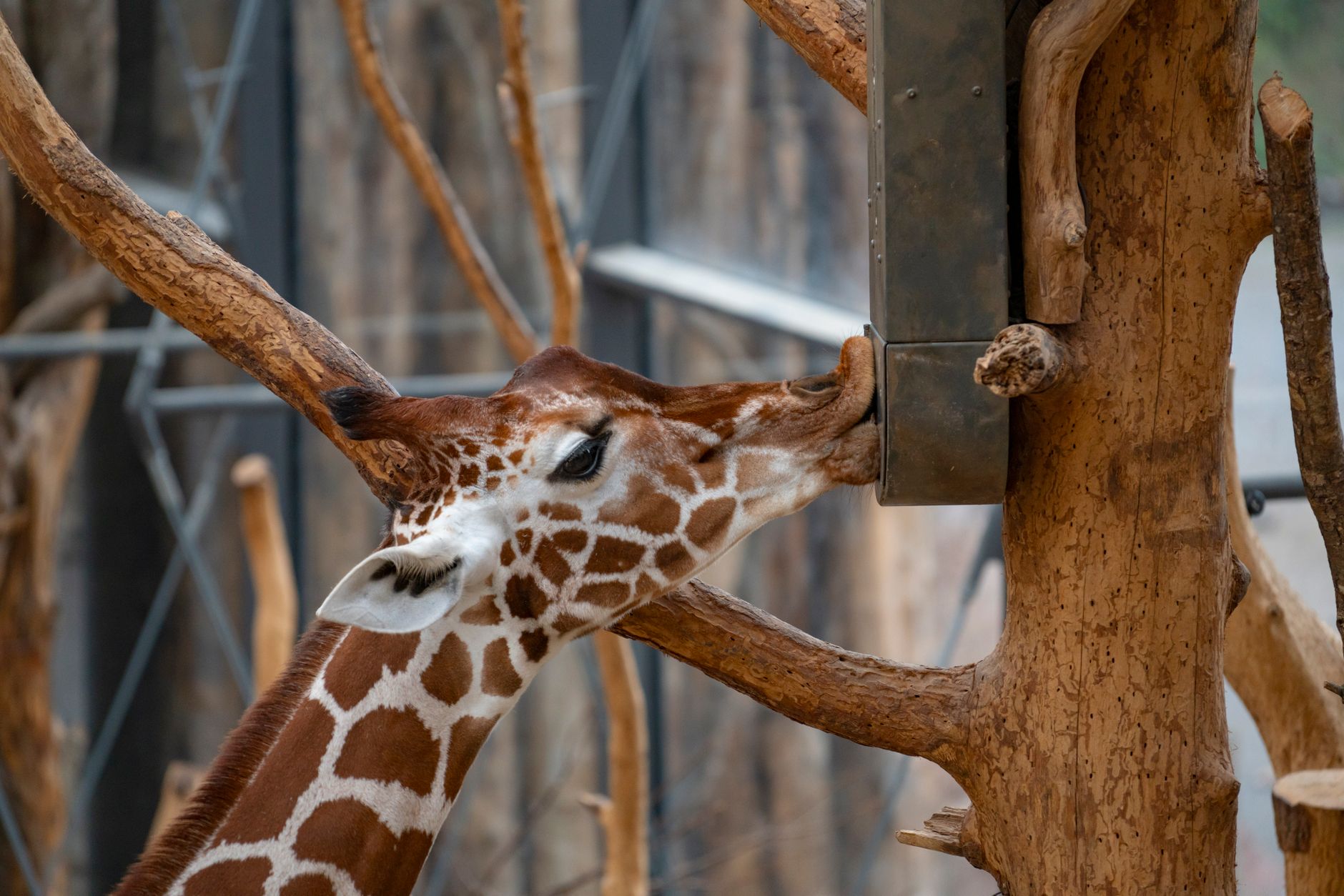
The African savanna is a harsh environment, with intense sunlight beating down for most of the day. Giraffes spend a significant portion of their time browsing on leaves from tall trees, exposing their tongues to direct sunlight. This constant exposure can lead to sunburn, which can be painful and even increase the risk of skin cancer.
Melanin: Nature’s Sunscreen
The key to understanding why are giraffes tongues black? lies in melanin, the same pigment that gives human skin its color. Melanin acts as a natural sunscreen, absorbing harmful ultraviolet (UV) radiation from the sun. The darker the pigmentation, the more effective the protection. The black or bluish-black color of a giraffe’s tongue is due to a high concentration of melanin, providing crucial protection from the sun’s damaging rays.
Beyond Sun Protection: Other Potential Benefits
While sun protection is the primary reason why are giraffes tongues black?, some researchers suggest that there might be other contributing factors:
- Anti-microbial properties: Melanin may have antimicrobial properties, helping to protect the tongue from infections.
- Camouflage: While not a primary driver, the dark color might offer a degree of camouflage, making the tongue less conspicuous to predators when the giraffe is feeding.
- Thermoregulation: The dark color could potentially aid in thermoregulation, helping to dissipate heat. However, this is less likely than sun protection.
Not Entirely Black: Variations in Pigmentation
It’s important to note that a giraffe’s tongue isn’t uniformly black. The base of the tongue is often pink, while the tip and upper surface are typically the darkest. This variation in pigmentation could reflect the level of sun exposure each part of the tongue receives. The tip, being most frequently exposed, requires the highest degree of protection.
Now, let’s address some frequently asked questions about giraffe tongues:
Why are giraffes tongues black?
The primary reason why are giraffes tongues black? is to protect them from sunburn. The high concentration of melanin in the tongue acts as a natural sunscreen, shielding the delicate tissue from harmful UV radiation.
Do all giraffes have black tongues?
Yes, all giraffes have dark-colored tongues, though the intensity of the pigmentation can vary slightly between individuals and populations. Some tongues may appear more bluish-black than others.
Is the entire giraffe tongue black?
No, while the tip and upper surface of the tongue are typically black or bluish-black, the base of the tongue is often pink. This variation likely reflects differing levels of sun exposure.
How long is a giraffe’s tongue?
Giraffe tongues are remarkably long, averaging around 18 to 20 inches (45 to 50 centimeters). This length allows them to reach leaves high up in the trees.
What do giraffes eat?
Giraffes are primarily herbivores, feeding mainly on leaves, buds, and twigs. They are particularly fond of acacia trees.
How do giraffes use their tongues to eat?
Giraffes use their long, prehensile tongues to grasp and pull leaves from branches. The tongue’s tough surface helps them to strip leaves without damaging it.
Do giraffes get sunburn on their tongues?
Without the melanin, giraffes would be highly susceptible to sunburn on their tongues. This is why are giraffes tongues black?, as the dark pigment protects them from this risk.
Are giraffe tongues edible?
While technically edible, giraffe tongues are not commonly consumed by humans. Some cultures may occasionally use them, but they are not a regular part of the diet.
Do baby giraffes have black tongues?
Yes, baby giraffes are born with dark tongues, indicating that the pigmentation is genetically determined and present from birth.
Do other animals have black tongues?
While not as common as in giraffes, other animals, such as certain breeds of dogs (e.g., Chow Chows and Shar-Peis), also have black or bluish-black tongues. The reasons for this pigmentation can vary.
Can a giraffe’s tongue get diseases?
Yes, like any other organ, a giraffe’s tongue can be susceptible to diseases, although specific information on tongue-related diseases in giraffes is limited. Injuries from thorns or sharp branches are more common concerns.
How does a giraffe’s tongue help it survive in its environment?
The giraffe’s tongue is a crucial adaptation for survival. Its length allows access to food sources unavailable to other herbivores. The dark pigmentation and tough surface are essential for protecting it from the harsh sun and abrasive vegetation. Therefore, knowing why are giraffes tongues black? is critical to understanding giraffes’ evolutionary adaptation.
In Conclusion: Appreciating the Adaptations
The black or bluish-black tongue of a giraffe is a testament to the power of adaptation. The intense African sun necessitates this protective pigmentation, ensuring the giraffe can continue to browse efficiently without succumbing to the harmful effects of UV radiation. Further research may reveal additional benefits of this unique feature, but the primary function is undoubtedly sun protection. Understanding why are giraffes tongues black? allows us to appreciate the intricate ways in which animals have evolved to thrive in their environments.