

Why Are Fish So Important? The Unsung Heroes of Our Planet
Fish are absolutely critical to global food security, ecosystem health, and the economic livelihoods of millions. In essence, they are the cornerstone of aquatic ecosystems and a vital resource for humankind.
Introduction: A Deeper Dive into the Aquatic World
The vast underwater realm, often hidden from plain sight, teems with life. At the heart of this vibrant ecosystem swim countless species of fish. But Why are fish so important? The answer extends far beyond a simple meal. Fish play multifaceted roles, acting as crucial players in the delicate balance of our planet’s health and the prosperity of human societies. This article explores the diverse and critical functions that fish fulfill, from providing sustenance to regulating aquatic environments and supporting global economies.

Are fish heads good for the garden?
Can fish hear water?
What is cotton rot in fish?
What colours are fish most attracted to?
The Fish Food Chain: Keystone Species and Ecosystem Engineers

Fish occupy various trophic levels within aquatic food webs. From tiny planktivores to apex predators, they control populations, disperse nutrients, and maintain biodiversity. The absence or decline of certain fish species can trigger cascading effects, leading to ecosystem collapse.
- Planktivores: These small fish consume plankton, forming the base of many aquatic food chains. Without them, algal blooms could occur, depleting oxygen and harming other marine life.
- Herbivores: Grazing on algae and aquatic plants, herbivorous fish help maintain healthy coral reefs and seagrass beds.
- Predators: Top predators regulate populations of smaller fish, preventing overgrazing and maintaining balance within the ecosystem.
Fish as a Vital Food Source: Sustaining Humanity
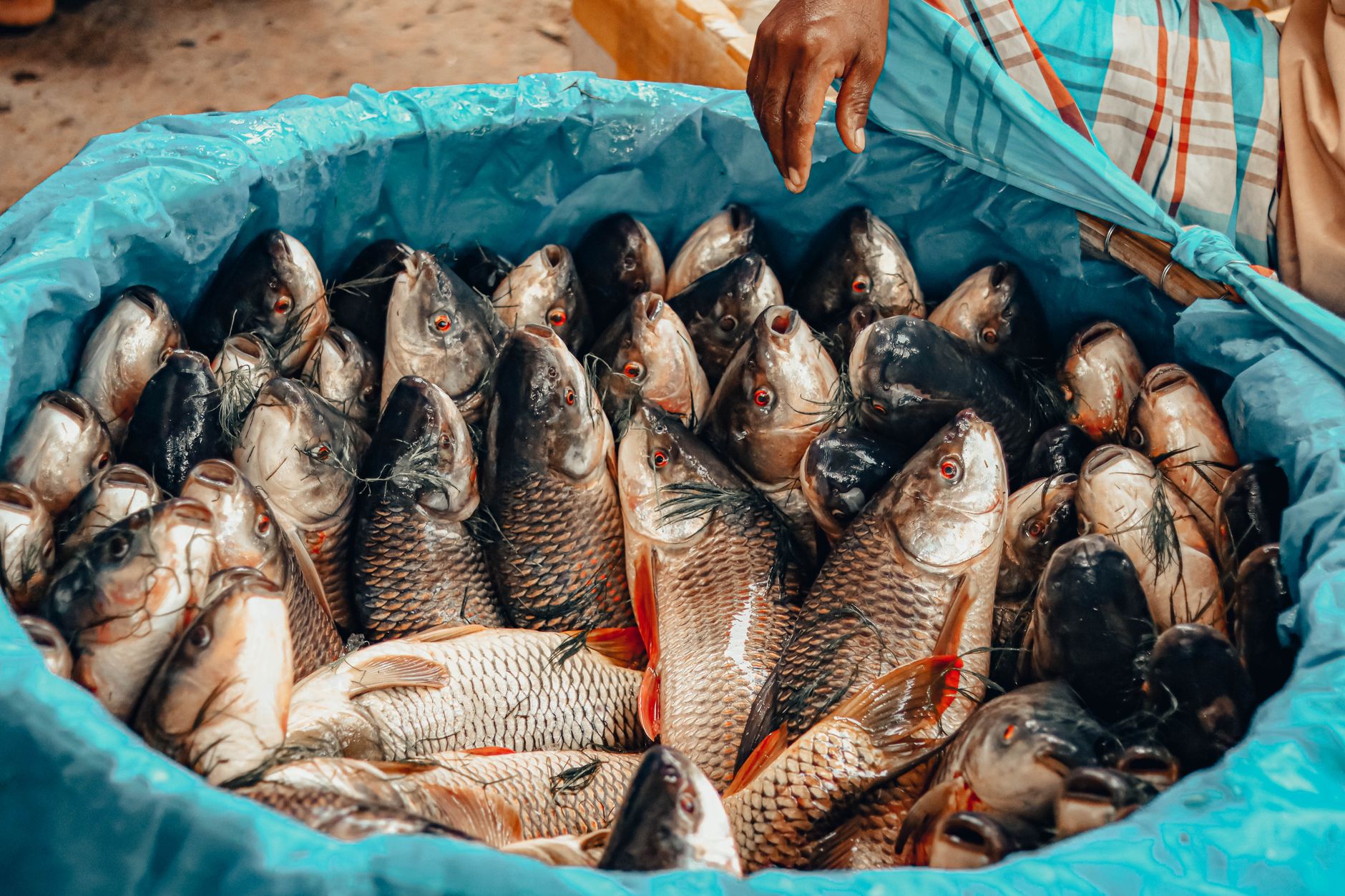
For billions of people worldwide, fish are a primary source of protein and essential nutrients. They are particularly important in coastal communities and developing nations, where access to other protein sources may be limited.
Here’s a breakdown of the nutritional benefits:
| Nutrient | Benefit |
|---|---|
| Omega-3 Fatty Acids | Essential for brain development, heart health, and reducing inflammation. |
| Vitamin D | Crucial for bone health, immune function, and calcium absorption. |
| Vitamin B12 | Important for nerve function, DNA synthesis, and red blood cell formation. |
| Iron | Essential for oxygen transport in the blood. |
| Zinc | Supports immune function, wound healing, and cell growth. |
The Economic Impact of Fisheries: Livelihoods and Global Trade
The fishing industry supports millions of jobs worldwide, from fishermen and processors to retailers and restaurateurs. Fish are a major commodity in international trade, contributing significantly to global economies. Sustainable fisheries management is crucial to ensure the long-term viability of this vital sector. The consequences of overfishing are devastating to fishing communities and to the environment.
Fish and Climate Change: Adapting to a Changing World
Climate change poses significant threats to fish populations and their habitats. Rising ocean temperatures, ocean acidification, and altered weather patterns are all impacting fish distribution, abundance, and physiology. Protecting and restoring fish habitats, reducing carbon emissions, and promoting sustainable fisheries management are essential to mitigate these impacts. Scientists around the world are studying the affects of climate change.
Conservation Challenges: Overfishing, Habitat Destruction, and Pollution
Despite their importance, fish populations face numerous threats. Overfishing, habitat destruction (such as coral reef degradation), and pollution are all contributing to declines in fish stocks. Addressing these challenges requires a multifaceted approach, including:
- Strengthening fisheries management: Implementing science-based catch limits, protecting spawning grounds, and enforcing regulations.
- Reducing pollution: Minimizing runoff from agriculture and industry, preventing plastic pollution, and treating wastewater effectively.
- Restoring habitats: Protecting and restoring coral reefs, mangroves, and seagrass beds.
- Promoting sustainable aquaculture: Developing responsible aquaculture practices that minimize environmental impacts.
The Future of Fish: Sustainable Practices and Responsible Consumption
Ensuring the long-term health of fish populations and the sustainability of fisheries requires a global effort. This includes:
- Supporting sustainable fisheries: Choosing seafood that is certified by reputable organizations (e.g., Marine Stewardship Council).
- Reducing our carbon footprint: Taking steps to reduce our reliance on fossil fuels and support renewable energy.
- Advocating for stronger environmental policies: Supporting policies that protect fish habitats and reduce pollution.
- Educating ourselves and others: Learning more about the importance of fish and the challenges they face, and sharing this knowledge with others. Ultimately, understanding why are fish so important allows us to make better environmental and consumption choices.
Frequently Asked Questions (FAQs)
What are the main threats to fish populations?
The primary threats to fish populations are overfishing, habitat destruction, and pollution. Overfishing depletes fish stocks faster than they can reproduce, while habitat destruction, such as the destruction of coral reefs and mangroves, removes crucial spawning and nursery grounds. Pollution from various sources degrades water quality and harms fish health.
How does overfishing affect the marine ecosystem?
Overfishing can have devastating effects on marine ecosystems, leading to trophic cascades, loss of biodiversity, and reduced resilience to environmental changes. When top predators are removed, populations of smaller fish may explode, leading to overgrazing of algae and the collapse of coral reefs.
What is sustainable seafood?
Sustainable seafood refers to fish and shellfish that are caught or farmed in a way that minimizes environmental impacts and ensures the long-term health of fish populations and their habitats. Look for certifications from organizations like the Marine Stewardship Council (MSC) or consult seafood guides to make informed choices.
How can I choose sustainable seafood?
You can choose sustainable seafood by looking for eco-labels like the MSC certification or by consulting seafood guides from organizations like the Monterey Bay Aquarium’s Seafood Watch. These resources provide information on which species are sustainably caught or farmed.
What role does aquaculture play in sustainable fisheries?
Aquaculture, or fish farming, can play a role in sustainable fisheries by reducing pressure on wild fish stocks. However, it’s important to ensure that aquaculture practices are environmentally responsible, minimizing pollution, preventing escapes of farmed fish, and using sustainable feed sources.
What are the benefits of eating fish?
Eating fish provides numerous health benefits, as fish are rich in omega-3 fatty acids, vitamin D, and vitamin B12. These nutrients are essential for brain health, heart health, and overall well-being.
How does climate change impact fish populations?
Climate change impacts fish populations through rising ocean temperatures, ocean acidification, and altered weather patterns. These changes can shift fish distributions, reduce their abundance, and affect their physiology, making them more vulnerable to disease and less able to reproduce.
What can I do to help protect fish populations?
You can help protect fish populations by making sustainable seafood choices, reducing your carbon footprint, supporting organizations that promote marine conservation, and advocating for policies that protect fish habitats.
What is the difference between wild-caught and farmed fish?
Wild-caught fish are caught in their natural habitats, while farmed fish are raised in controlled environments. Both wild-caught and farmed fish can be sustainable, depending on the fishing or farming practices used.
Why are coral reefs important for fish?
Coral reefs provide critical habitat for a vast array of fish species, offering shelter, feeding grounds, and spawning areas. They are essential for maintaining biodiversity and supporting fisheries.
What is the impact of plastic pollution on fish?
Plastic pollution can have serious impacts on fish, as they can ingest plastic particles, which can lead to starvation, poisoning, and other health problems. Plastic pollution also degrades fish habitats and entangles marine life.
How can we promote sustainable fisheries management?
Promoting sustainable fisheries management requires implementing science-based catch limits, protecting spawning grounds, enforcing regulations, and promoting international cooperation. It also involves supporting local fishing communities and ensuring that they have a voice in the management process.