

Why Are Blue Penguins Blue? Unveiling the Secrets of Eudyptula Minor’s Unique Plumage
The blue hue of little italicpenguinsitalic isn’t simply a matter of random coloration; it’s an evolutionary adaptation stemming from specialized pigments and nanoscale structural arrangements within their feathers designed for italicunderwater camouflageitalic. This intricate design helps them thrive in their marine environment.

Introduction: The Enigmatic Little Blue Penguin
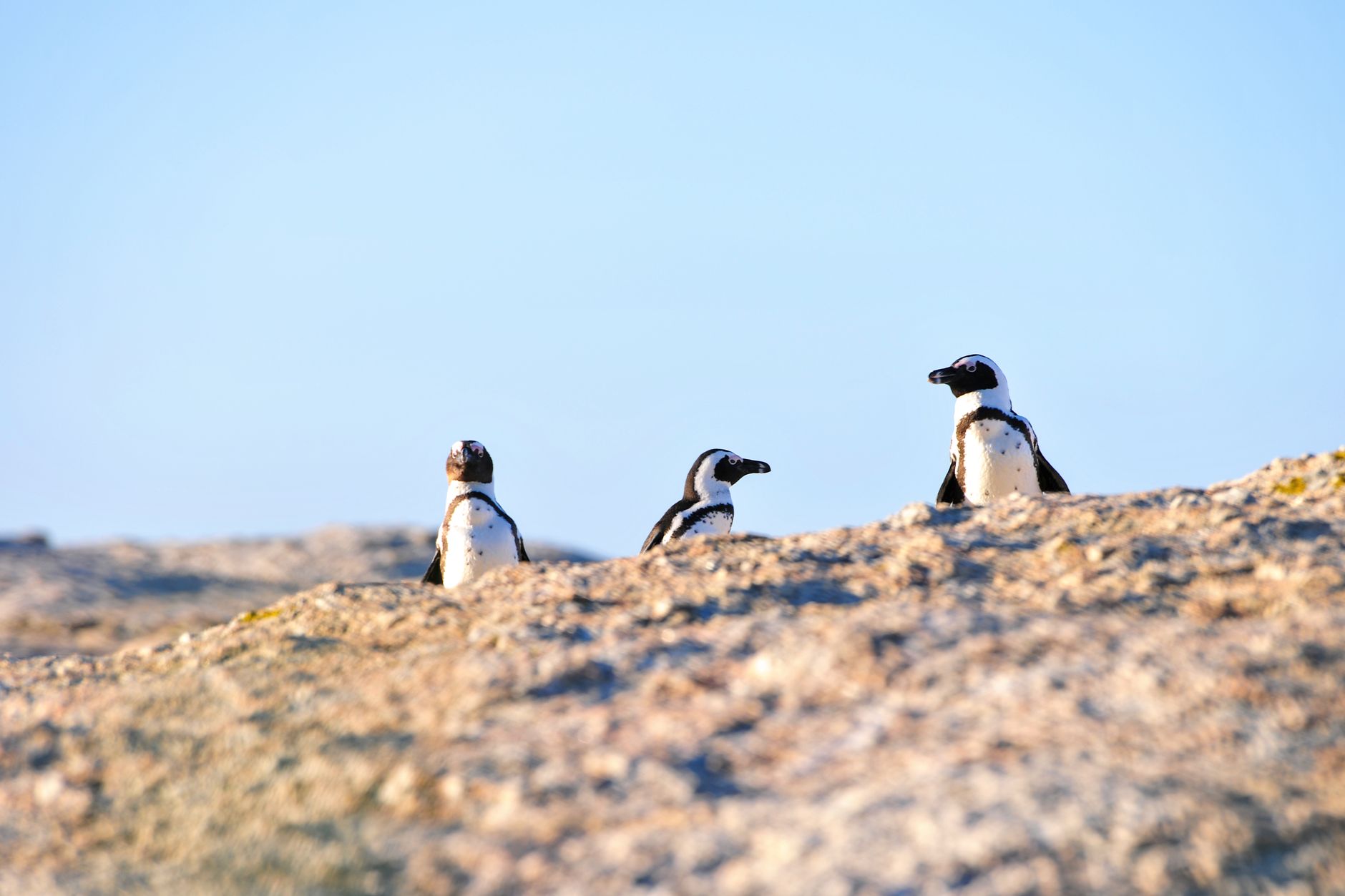
The smallest of all penguin species, the little blue penguin ( Eudyptula minor ), also known as the fairy penguin or kororā, boasts a plumage unlike its black-and-white relatives. While most penguins are adorned in variations of black and white, the little blue penguin exhibits a stunning slate-blue coloration on its back and head. Why are blue penguins blue? This unique coloring has captivated scientists and nature enthusiasts alike, prompting extensive research into the underlying mechanisms and adaptive significance of this phenomenon. This article delves into the science behind the blue hue, exploring the pigments, feather structure, and evolutionary pressures that have shaped this captivating trait.
Is distilled water good for goldfish?
What colours are fish most attracted to?
Can you put your finger in a trout's mouth?
Does aquarium salt raise pH in aquarium?
The Pigmentary Basis: Not Quite Blue

Surprisingly, the blue color of little blue penguins isn’t derived from blue pigments, which are rare in the animal kingdom. Instead, it arises from a complex interplay of pigment and structure. The primary pigment responsible is italicmelaninitalic, a dark pigment that also contributes to black and brown coloration in other animals.
- Melanin: Provides the base color for the feathers.
- Structure: Refers to the microscopic arrangement of the feather barbules.
Structural Coloration: The Key to the Blue Hue
The crucial element in creating the blue color is the italicstructural arrangementitalic of the feather barbules. These tiny structures scatter light in a way that selectively reflects blue wavelengths. This phenomenon, known as italicstructural colorationitalic, is also responsible for the iridescent blues and greens seen in some birds, butterflies, and insects.
The feather barbules contain tiny air pockets and melanin granules. When light strikes the feather, the melanin absorbs most wavelengths except blue, which is scattered by the air pockets and reflective surfaces within the barbules. The specific dimensions and spacing of these components are precisely tuned to maximize blue light reflection.
Underwater Camouflage: The Evolutionary Advantage
Why are blue penguins blue? The answer lies in the underwater environment. The blue coloration provides exceptional camouflage against the twilight effect of the ocean depths. When viewed from below by predators, the blue feathers blend seamlessly with the diffuse blue light filtering through the water column.
Consider the perspective of a predator looking upwards from the depths:
- Black and White Penguins: Silhouetted against the surface, making them easily visible.
- Blue Penguins: Blend with the surrounding blue light, offering excellent camouflage.
This camouflage provides a significant survival advantage, reducing the risk of predation from marine predators such as seals, sharks, and sea lions.
Color Variation: Subtle Differences Across Populations
While all little blue penguins exhibit blue plumage, there are subtle variations in the intensity and hue of the blue color across different populations. These variations may be influenced by:
- Diet: Carotenoids in their diet can affect feather coloration.
- Environmental Factors: Exposure to sunlight and seawater can also alter feather color over time.
- Genetics: Local genetic adaptations can contribute to subtle differences in feather structure and melanin production.
The Role of Molting: Maintaining the Blue
Little blue penguins undergo a complete molt annually, replacing all of their feathers. This process is crucial for maintaining the integrity of their plumage and ensuring optimal camouflage. During the molt, they are unable to enter the water to feed and must rely on stored fat reserves.
Conservation Implications: Threats to the Blue
Understanding the factors that contribute to the blue coloration of little blue penguins is essential for their conservation. Threats to their populations include:
- Habitat Loss: Coastal development and habitat destruction.
- Predation: Introduced predators such as foxes and dogs.
- Pollution: Oil spills and plastic pollution.
- Climate Change: Rising sea temperatures and changes in prey availability.
Protecting their breeding colonies and mitigating these threats is crucial for ensuring the survival of these fascinating creatures.
The Future of Blue Penguin Research
Ongoing research continues to shed light on the intricacies of blue penguin coloration. Scientists are using advanced techniques such as italicspectroscopyitalic and italicmicroscopyitalic to further investigate the structural and pigmentary basis of their blue plumage. Future studies will likely focus on:
- Genetic factors influencing coloration.
- The impact of environmental stressors on feather structure and color.
- The role of blue coloration in mate selection and communication.
FAQ: Frequently Asked Questions About Blue Penguins
Are little blue penguins really blue, or are they just a grayish color?
Yes, little blue penguins are italicgenuinely blueitalic, though the shade can vary between slate-blue and indigo. The color is definitely more vibrant and distinct than a simple grey. The hue can also appear more muted depending on lighting conditions.
Is the blue color the same for male and female penguins?
Generally, there is no significant difference in the italicintensity of the blue coloritalic between male and female little blue penguins. However, some studies suggest that males may have slightly brighter plumage during breeding season.
Do baby little blue penguins hatch blue?
No, italicbaby little blue penguinsitalic are covered in down feathers that are typically a grayish-brown color. They develop their blue adult plumage as they mature and undergo their first molt.
Can little blue penguins change color?
Little blue penguins can’t actively change their color like a chameleon. However, italicthe appearance of their blue plumage can changeitalic depending on factors such as lighting, molting, and exposure to seawater.
What other animals have similar structural coloration?
Many animals, especially birds and insects, exhibit italicstructural colorationitalic. Examples include peacocks, blue jays, morpho butterflies, and some beetles.
Are there any albino or leucistic little blue penguins?
Yes, italicalbino and leucisticitalic little blue penguins have been documented, although they are rare. These individuals lack the normal pigmentation and appear white or pale.
How does the blue color help them find a mate?
While it’s not definitively proven, scientists suspect that italicplumage brightnessitalic and overall condition play a role in mate selection for little blue penguins. Brighter plumage might indicate better health and access to resources.
Are little blue penguins endangered?
No, little blue penguins are not currently considered endangered. However, they face italicvarious threatsitalic that could impact their populations, making conservation efforts crucial. Their conservation status is classified as Least Concern by the IUCN.
Where can I see little blue penguins in the wild?
Little blue penguins are found in italiccoastal regions of Australia and New Zealanditalic. Popular viewing locations include Phillip Island in Victoria, Australia, and Oamaru in New Zealand.
What do little blue penguins eat?
Little blue penguins primarily feed on italicsmall fish, squid, and crustaceansitalic. Their diet varies depending on the location and availability of prey.
How deep can little blue penguins dive?
Little blue penguins are capable of diving to depths of up to italic60-70 metersitalic in search of food, although most dives are shallower than that.
How long do little blue penguins live?
Little blue penguins typically live for italic6-8 years in the wilditalic, but some individuals have been known to live for over 20 years.