

Who Kills Voles? Unmasking the Predators and Understanding Vole Mortality
Voles face a multitude of predators, ranging from birds of prey and mammals to reptiles, making identifying exactly who kills voles a complex task that varies depending on the location and ecosystem. The primary vole predators include owls, hawks, snakes, foxes, coyotes, cats, and weasels.
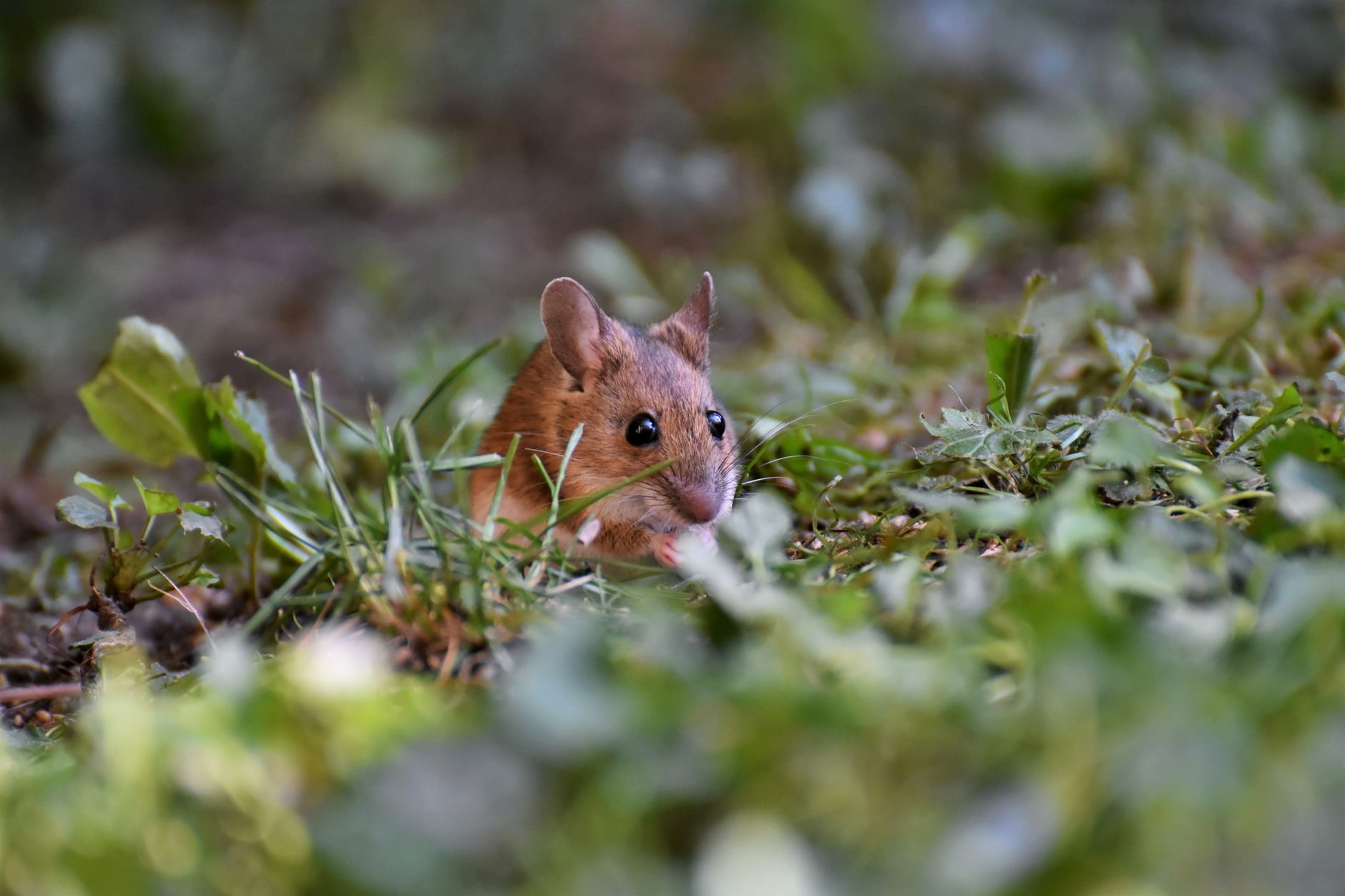
Understanding the Vole and its Vulnerability
Voles, also known as meadow mice or field mice, are small rodents with a stocky build, short tails, and small eyes. They are prolific breeders, which allows their populations to rebound even after significant predation. However, their relatively small size and above-ground nesting habits make them highly susceptible to a wide range of predators. Understanding who kills voles requires understanding the vole’s lifestyle and habitat.

What colours are fish most attracted to?
Can you put your finger in a trout's mouth?
Is methylene blue anti bacterial?
Does aquarium salt raise pH in aquarium?
The Avian Assault: Birds of Prey

Birds of prey represent a significant threat to vole populations. Their keen eyesight and aerial hunting skills make them incredibly efficient vole hunters.
- Owls: Barn owls, great horned owls, and barred owls are all notorious vole hunters. They hunt primarily at night, using their exceptional hearing to pinpoint voles moving through the undergrowth.
- Hawks: Red-tailed hawks, Cooper’s hawks, and northern harriers are diurnal predators that rely on their sharp vision to spot voles during the day.
- Eagles: While less common, eagles will also prey on voles, especially if other prey is scarce.
Mammalian Marauders: Terrestrial Predators
A diverse group of mammals also includes predators that actively hunt and kill voles.
- Foxes and Coyotes: These canids are opportunistic hunters, consuming a wide variety of prey, including voles. They often patrol fields and meadows, using their keen sense of smell to locate vole burrows.
- Cats (Domestic and Feral): Domestic cats and feral cats are significant vole predators, often hunting them out of instinct, even if they are well-fed.
- Weasels: These agile predators are particularly adept at hunting voles within their burrows. Their slender bodies allow them to navigate the narrow tunnels with ease.
- Raccoons and Opossums: These omnivorous mammals will also prey on voles, especially when they can easily access their nests.
- Skunks: Skunks will dig up vole nests in search of food.
Reptilian Raids: Snakes and Other Reptiles
In regions where reptiles are prevalent, they also contribute to vole mortality.
- Snakes: Garter snakes, rat snakes, and other non-venomous snakes will readily prey on voles. They typically ambush voles near their burrows or in tall grass.
Habitat and Geographic Location Influence
Who kills voles can vary significantly depending on the geographic location and the available habitat. For instance, in rural areas with abundant forests, owls and foxes might be the primary predators. In suburban areas, cats and snakes might pose a greater threat. Factors like vegetation cover, availability of alternative prey, and the presence of human activity all influence predator-prey dynamics.
Beyond Predation: Other Causes of Vole Mortality
While predation is a major factor, it’s not the only cause of vole death.
- Disease: Voles are susceptible to various diseases, including parasites and bacterial infections.
- Starvation: During harsh winters, voles may struggle to find enough food, leading to starvation.
- Weather: Extreme weather events, such as floods or droughts, can also negatively impact vole populations.
- Human Activity: Habitat destruction, poisoning, and trapping can all contribute to vole mortality.
Conservation Implications
Understanding who kills voles and the factors affecting their mortality is crucial for effective wildlife management and conservation. Protecting vole populations can have cascading effects on the entire ecosystem, benefiting both predators and other prey species.
Frequently Asked Questions (FAQs)
What is the most common predator of voles in North America?
The most common predator of voles in North America varies by region, but owls and hawks are generally considered the most significant predators due to their widespread distribution and specialized hunting skills.
Are voles a significant food source for other animals?
Yes, voles play a crucial role in many food webs, serving as an important food source for a wide range of predators. Their abundance and relatively high reproductive rate make them a reliable food source for many animals.
How can I tell if voles are being preyed upon in my yard?
Signs of vole predation include scattered vole remains, increased activity of predators such as hawks or cats in the area, and a noticeable decrease in the vole population.
Do voles have any natural defenses against predators?
Voles rely primarily on their small size, cryptic coloration, and extensive burrow systems to evade predators. They also have a high reproductive rate, which allows their populations to recover quickly after predation events.
Can humans unintentionally increase vole predation?
Yes, altering the habitat (e.g., removing vegetation cover) or attracting predators (e.g., feeding birds that prey on voles) can unintentionally increase vole predation.
What role do domestic cats play in vole mortality?
Domestic cats are significant predators of voles, even when they are well-fed. Their hunting instincts often lead them to kill voles, contributing to vole mortality, especially in suburban and rural areas.
Are there any ethical methods of vole control that minimize predation?
Ethical vole control methods focus on habitat modification, such as reducing ground cover and improving drainage. Live trapping and relocation can be effective, but it is important to release voles in a suitable habitat far from the original location.
How does climate change impact vole populations and predation rates?
Climate change can alter vole habitats and affect the distribution of both voles and their predators. Changes in temperature and precipitation patterns can also influence vole populations and predation rates.
Do vole populations fluctuate naturally, independent of predation?
Yes, vole populations often exhibit cyclic fluctuations, which can be influenced by factors such as food availability, weather patterns, and disease outbreaks, in addition to predation.
Are some vole species more susceptible to predation than others?
Yes, species with smaller body sizes or those that inhabit open habitats are often more susceptible to predation than larger or more concealed species.
What is the impact of habitat fragmentation on vole predation rates?
Habitat fragmentation can increase vole predation rates by concentrating populations into smaller areas and making them more vulnerable to predators.
Can I use predator-friendly methods to control vole populations in my garden?
Encouraging natural predators, such as owls and hawks, by providing suitable nesting sites and avoiding the use of rodenticides can help to control vole populations in a predator-friendly manner. However, attracting more predators may have negative impacts on other small wildlife in your area.