
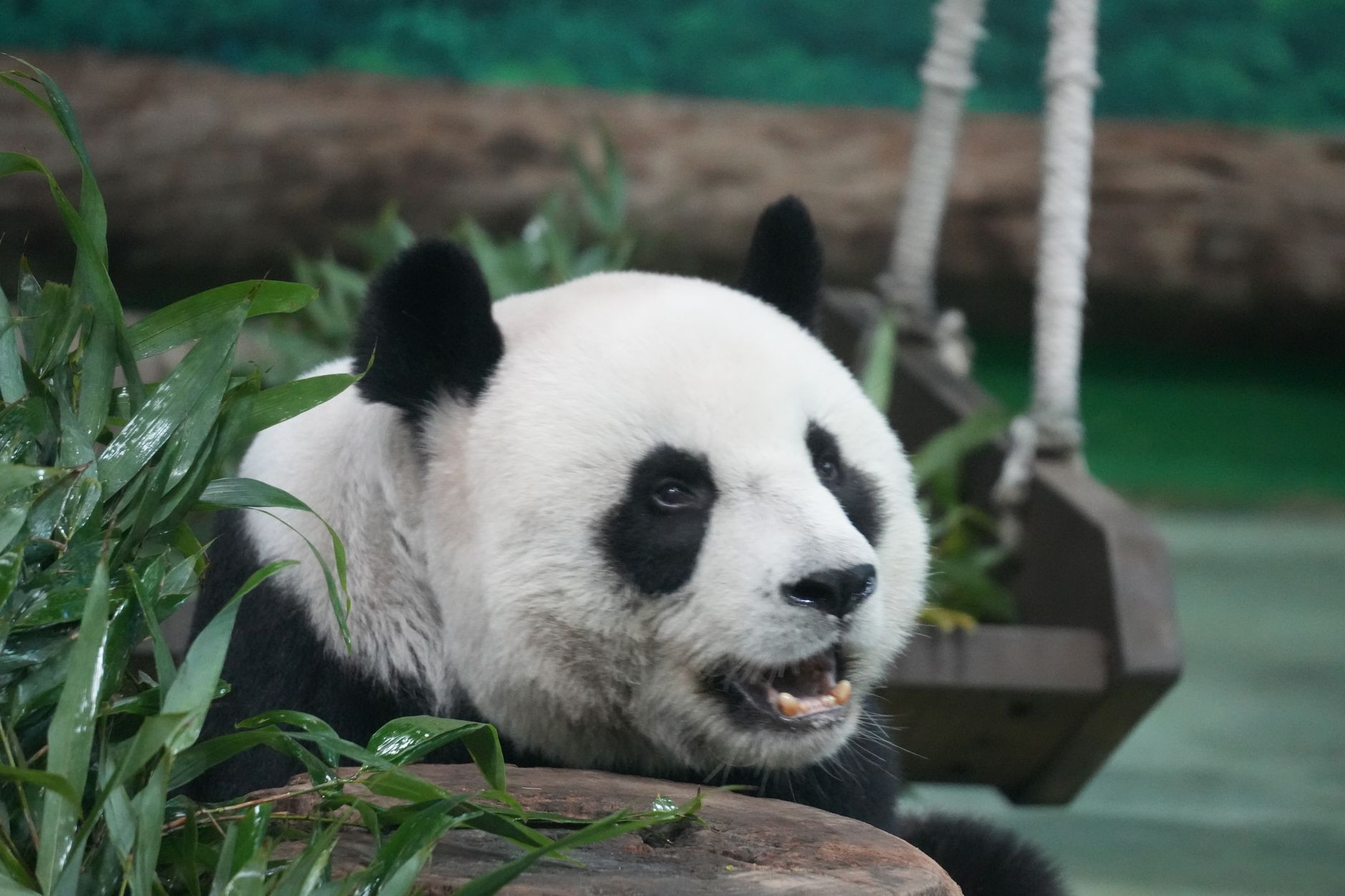
Who Is The Oldest Panda Ever?
The title of oldest panda ever belongs to Jia Jia, who lived to be approximately 38 years old, significantly exceeding the average lifespan of pandas in the wild. This makes her the oldest giant panda in captivity and possibly the oldest panda recorded overall.

A Look into Panda Longevity
Giant pandas, with their iconic black and white fur, are a beloved symbol of conservation efforts worldwide. While their lives in the wild are often fraught with challenges, those in captivity can sometimes achieve remarkable longevity. Who is the oldest panda ever? is a question that sparks curiosity about the factors influencing their lifespan, the dedicated care they receive, and the remarkable story of individual pandas who have lived long and fulfilling lives. This article explores the exceptional case of Jia Jia and delves into the factors that contribute to panda longevity.

What colours are fish most attracted to?
Can you put your finger in a trout's mouth?
Is methylene blue anti bacterial?
Does aquarium salt raise pH in aquarium?
Panda Lifespans: Wild vs. Captivity
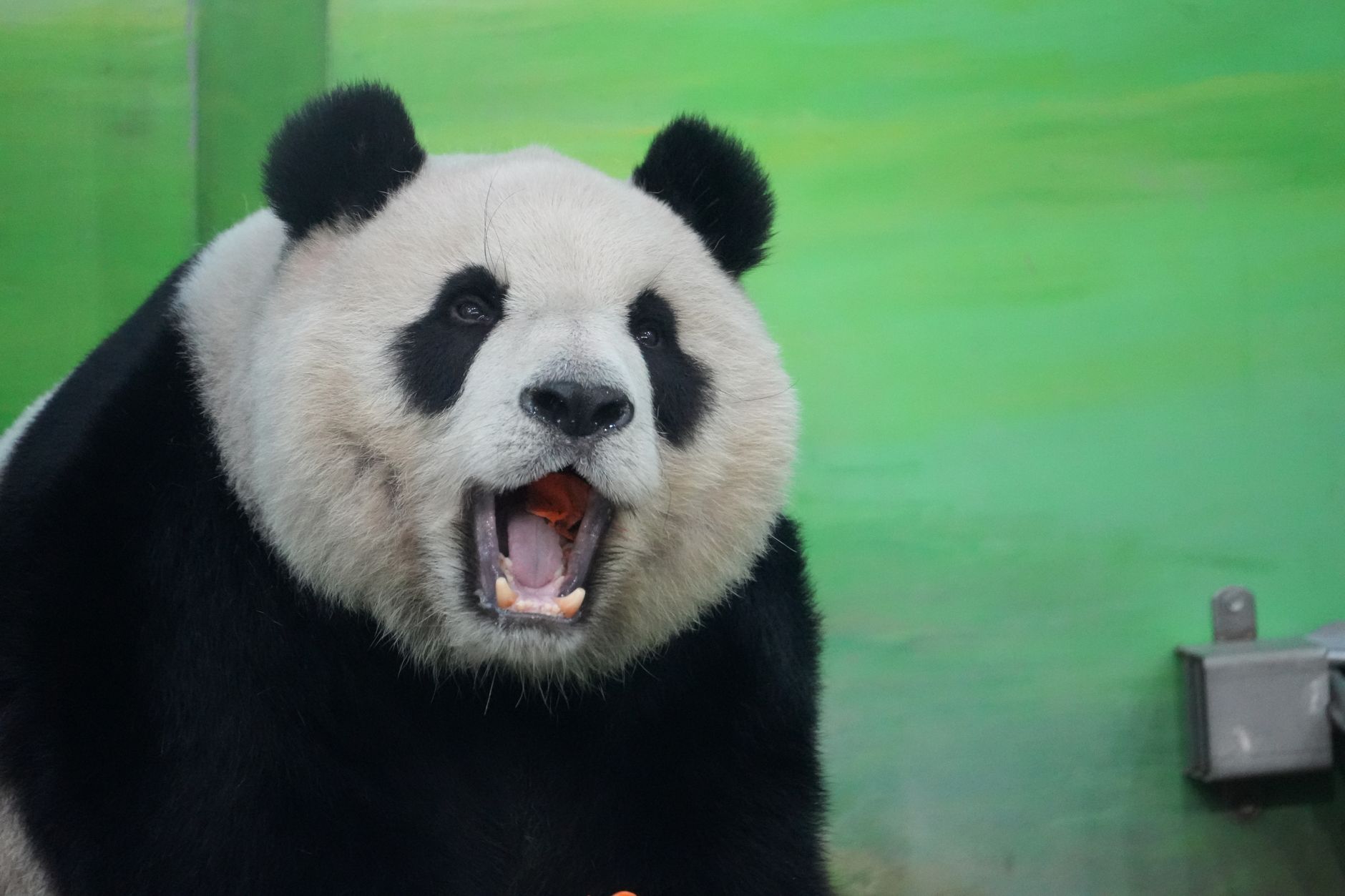
The average lifespan of a giant panda in the wild is estimated to be between 15 and 20 years. However, those living in zoos and breeding centers often live significantly longer. This is due to factors such as:
- Consistent access to food: Captive pandas receive a balanced diet, ensuring they don’t face the same nutritional challenges as their wild counterparts.
- Veterinary care: Regular check-ups and prompt treatment of illnesses contribute to increased longevity.
- Protection from predators and natural disasters: Captivity provides a safe environment free from external threats.
- Controlled breeding programs: Careful management of breeding reduces inbreeding and promotes genetic diversity, contributing to overall health.
Jia Jia: A Record-Breaking Panda
Jia Jia, whose name translates to “Good,” held the Guinness World Record for the oldest giant panda in captivity. Born in the wild around 1978, she was rescued in 1980 and transferred to Ocean Park Hong Kong in 1999. She lived there until her passing in 2016. Her estimated age of 38 was equivalent to over 100 human years!
Jia Jia’s advanced age was attributed to the exceptional care she received at Ocean Park, including a specialized diet and proactive veterinary attention. Even as she aged, she remained a beloved figure and a symbol of panda conservation.
Factors Contributing to Panda Longevity in Captivity
The longevity of pandas in captivity is a testament to the dedication and expertise of zoologists, veterinarians, and animal care professionals. Several key factors contribute to their extended lifespans:
- Nutrition: Pandas require a specific diet consisting primarily of bamboo. Zoos and breeding centers carefully manage the bamboo supply to ensure freshness and nutritional value. They also supplement their diet with other foods such as fruits, vegetables, and specially formulated biscuits.
- Veterinary Care: Regular health check-ups, vaccinations, and prompt treatment of illnesses are crucial for maintaining panda health. Skilled veterinarians monitor their well-being and address any health concerns that arise.
- Enrichment: Providing stimulating environments and opportunities for natural behaviors is important for both physical and mental well-being. This includes providing climbing structures, toys, and opportunities for social interaction.
- Preventative Medicine: Proactive measures, such as regular parasite control and dental care, help prevent health problems before they arise.
The Importance of Panda Conservation
Understanding the factors that contribute to panda longevity is crucial for informing conservation efforts. While captive breeding programs play a vital role in increasing panda populations, protecting their natural habitat is essential for long-term survival. By studying the health and well-being of pandas in both wild and captive settings, researchers can gain valuable insights into their needs and develop effective conservation strategies. Who is the oldest panda ever? reminds us of the need to actively protect these magnificent animals.
Comparison Table: Wild vs. Captive Panda Lifespan
| Feature | Wild Pandas | Captive Pandas |
|---|---|---|
| Average Lifespan | 15-20 years | 25-30+ years |
| Food Availability | Variable, dependent on bamboo forests | Consistent, balanced diet |
| Veterinary Care | Limited | Regular and comprehensive |
| Predation Risk | High | Minimal |
| Habitat Security | Vulnerable to deforestation and climate change | Protected |
Frequently Asked Questions
What is the typical lifespan of a giant panda in the wild?
The typical lifespan of a giant panda in the wild is estimated to be between 15 and 20 years. However, this can vary depending on factors such as food availability, habitat quality, and predation risk.
How old was Jia Jia when she passed away?
Jia Jia lived to be approximately 38 years old. This is equivalent to over 100 human years and made her the oldest giant panda in captivity.
What factors contributed to Jia Jia’s longevity?
Jia Jia’s longevity was attributed to the exceptional care she received at Ocean Park Hong Kong, including a specialized diet, proactive veterinary attention, and a stimulating environment.
Are there any other pandas that have lived as long as Jia Jia?
While some pandas have lived into their 30s, Jia Jia held the record for the oldest giant panda in captivity. It is unlikely that other pandas have reached such an advanced age.
How does the lifespan of a panda in captivity compare to its lifespan in the wild?
Pandas in captivity typically live significantly longer than those in the wild. This is due to factors such as consistent food availability, veterinary care, and protection from predators and natural disasters.
What do pandas eat in captivity?
While bamboo constitutes the vast majority of their diet (up to 99%), captive pandas also eat fruits, vegetables, and specially formulated biscuits that provide essential nutrients.
What kind of veterinary care do pandas receive in captivity?
Pandas in captivity receive regular health check-ups, vaccinations, and prompt treatment for any illnesses. Skilled veterinarians monitor their well-being and address any health concerns that arise.
What is “enrichment” for pandas, and why is it important?
Enrichment refers to providing stimulating environments and opportunities for natural behaviors. This includes providing climbing structures, toys, and opportunities for social interaction. It is important for both physical and mental well-being.
How do zoos and breeding centers ensure the quality of bamboo for pandas?
Zoos and breeding centers carefully manage the bamboo supply to ensure freshness and nutritional value. They may grow their own bamboo or source it from reputable suppliers. Regular testing is also performed to ensure nutritional content.
Why is panda conservation important?
Panda conservation is important because pandas are an endangered species facing threats such as habitat loss and climate change. Protecting pandas helps preserve biodiversity and ensures the survival of this iconic animal.
What can I do to support panda conservation?
You can support panda conservation by donating to conservation organizations, reducing your carbon footprint, and advocating for policies that protect panda habitats.
Who is the oldest panda ever? Jia Jia remains the oldest panda ever documented. Her record-breaking age highlights the importance of conservation efforts and the dedicated care provided to pandas in captivity.