

Who is the King of the Predators?
The title of “King of the Predators” is fiercely contested, but scientifically speaking, it arguably belongs to the orca (Orcinus orca), the apex predator of the marine realm, due to its intelligence, adaptability, and lack of natural predators. This article will delve into the world of apex predators, examining the qualities that define their reign and exploring the reasons why the orca stands out as a truly dominant force in the animal kingdom.

Defining the Apex Predator
The term apex predator refers to a predator residing at the top of a food chain, upon which no other creatures prey. These animals play a critical role in maintaining the balance of their ecosystems. Their presence regulates populations below them, preventing any single species from becoming dominant and disrupting the entire food web. Determining who is the king of the predators requires examining several factors, including:
- Diet and Hunting Prowess: The ability to successfully hunt and consume a wide variety of prey.
- Intelligence and Adaptability: The capacity to learn, solve problems, and adapt to changing environments.
- Social Structure and Cooperation: The ability to hunt and defend territory in groups, enhancing overall effectiveness.
- Lack of Natural Predators: Absence of significant threats from other animals.

What colours are fish most attracted to?
Can you put your finger in a trout's mouth?
Is methylene blue anti bacterial?
Does aquarium salt raise pH in aquarium?
Contenders for the Crown
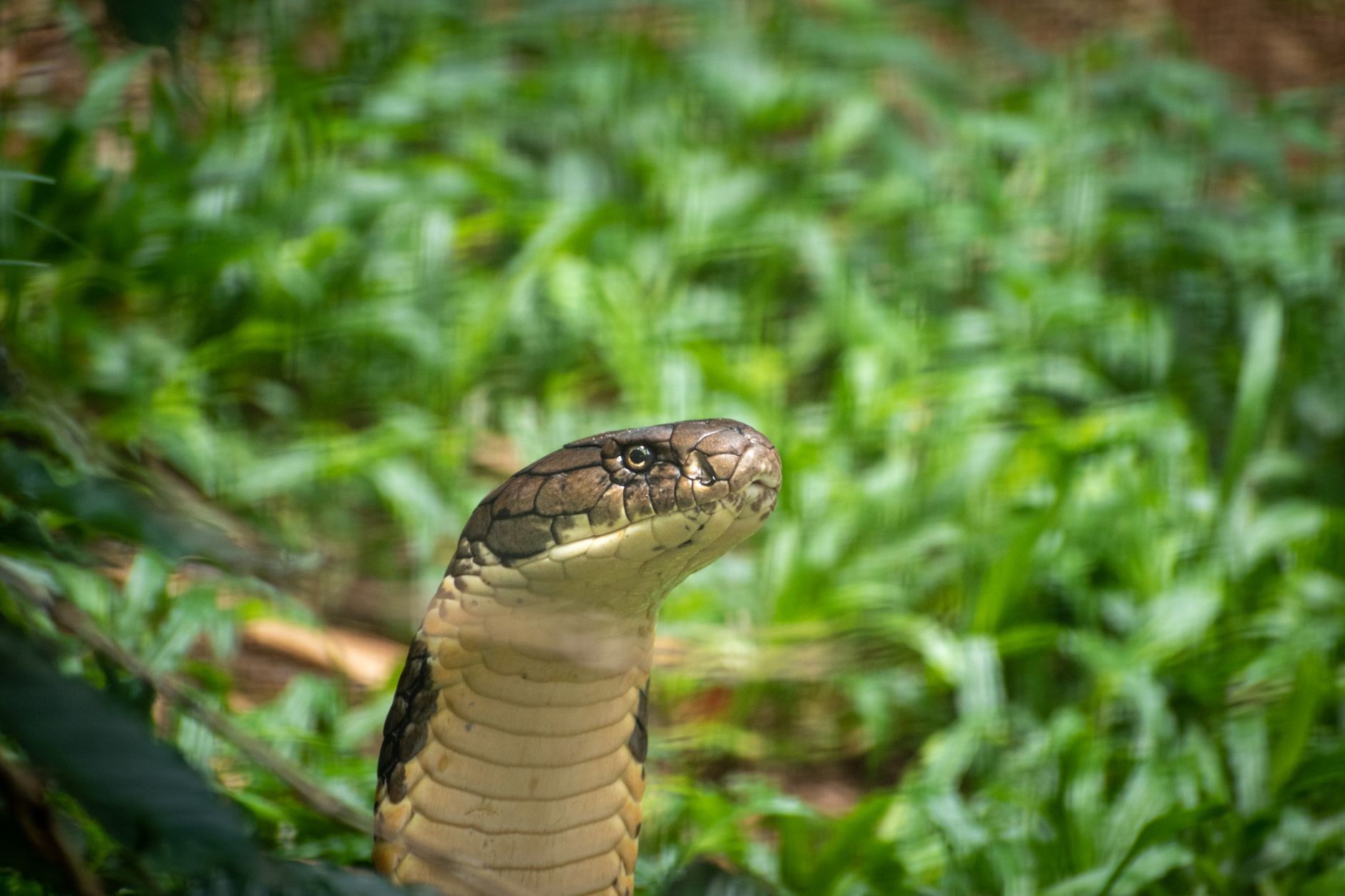
While the orca is a strong contender, other formidable predators vie for the title of “king”:
- Lions (Panthera leo): Often referred to as the “king of the jungle,” lions are apex predators in their African habitats, known for their cooperative hunting strategies.
- Polar Bears (Ursus maritimus): Masters of the Arctic, polar bears are highly specialized hunters of seals and other marine mammals.
- Great White Sharks (Carcharodon carcharias): Feared predators of the ocean, great white sharks are powerful and efficient hunters of large marine animals.
- Humans (Homo sapiens): Arguably the most impactful predator on the planet, humans have significantly altered ecosystems worldwide.
Each of these animals possesses impressive predatory skills and holds a dominant position within their respective environments. However, when considering a holistic view incorporating intelligence, adaptability, and lack of predators, the orca emerges as a leading candidate.
The Orca: A Strong Contender
The orca, also known as the killer whale, possesses an impressive array of characteristics that solidify its position as a top contender for the title of who is the king of the predators.
- Intelligence and Social Complexity: Orcas are highly intelligent animals with complex social structures. They live in tightly knit pods, often led by older females, and exhibit cooperative hunting behaviors.
- Hunting Versatility: Orcas exhibit a diverse diet, preying on a wide range of animals, including fish, seals, whales, and even sharks. Their hunting strategies are highly adaptable and vary depending on the prey and the environment.
- Geographical Range: Orcas are found in all of the world’s oceans, demonstrating their adaptability to a wide range of climates and environments.
- Lack of Natural Predators: Adult orcas have virtually no natural predators, further solidifying their position at the top of the food chain.
Comparative Analysis
| Predator | Diet | Intelligence | Social Structure | Natural Predators |
|---|---|---|---|---|
| Orca | Fish, seals, whales, sharks, seabirds | High | Complex, matrilineal pods | None (adults) |
| Lion | Large ungulates (zebra, wildebeest, etc.) | Moderate | Prides, cooperative hunting | Hyenas, other lions |
| Polar Bear | Seals, walruses | Moderate | Solitary, except mothers | None |
| Great White Shark | Fish, seals, sea lions, dolphins | Moderate | Solitary | Orcas |
| Humans | Virtually everything | Very High | Complex societies | None (except each other) |
This table highlights the strengths and weaknesses of each predator. While lions excel in cooperative hunting and polar bears are highly specialized for their arctic environment, the orca’s combination of intelligence, adaptability, and lack of natural predators gives it a distinct advantage.
A Note on Human Impact
It’s important to acknowledge the impact of humans on all ecosystems. While we might not consider ourselves predators in the traditional sense, our activities, such as hunting, fishing, and habitat destruction, have a profound influence on predator populations and the overall health of the planet. It’s crucial to consider the ethical implications of human actions on predator populations.
Frequently Asked Questions (FAQs)
What exactly defines an “apex predator”?
An apex predator is a species that sits at the very top of a food chain in its ecosystem. This means they are not preyed upon by any other species once they reach adulthood (with the exception of humans, which can impact almost any apex predator). Their role is to keep populations of other species in check and prevent any single species from dominating and disrupting the natural balance.
Why is intelligence an important factor in determining who is the king of the predators?
Intelligence allows predators to adapt to new environments, learn from their mistakes, and develop innovative hunting strategies. Highly intelligent predators are often more successful in securing food and avoiding danger, giving them a competitive advantage. Orcas, for instance, demonstrate complex problem-solving skills and communication abilities that enable them to effectively hunt a wide variety of prey.
How does the orca’s social structure contribute to its dominance?
Orcas live in highly organized social groups called pods, typically led by older, experienced females. This social structure allows them to cooperate in hunting, defend their territory, and raise their young more effectively. Cooperative hunting strategies enable them to target prey much larger than themselves, such as baleen whales.
What are some of the specialized hunting techniques used by orcas?
Orcas employ a wide range of hunting techniques tailored to their specific prey and environment. Some examples include: wave washing to knock seals off ice floes, cooperative herding of fish, and beaching themselves to catch seals on the shore. These diverse strategies highlight their adaptability and intelligence.
Are there any predators that prey on orcas?
Adult orcas have very few natural predators. Occasionally, younger or weakened orcas may be targeted by sharks, but these instances are rare. Humans pose the greatest threat to orca populations through hunting, pollution, and habitat destruction.
Why are lions often referred to as the “king of the jungle”?
Lions are apex predators in their African habitats, playing a crucial role in regulating ungulate populations (zebra, wildebeest, etc.). Their cooperative hunting strategies and imposing presence have earned them the title “king of the jungle,” although technically, they primarily inhabit grasslands and savannas.
How does the polar bear’s physiology adapt it to its role as an apex predator?
Polar bears have evolved several physiological adaptations for hunting in the Arctic, including a thick layer of blubber for insulation, sharp claws for gripping ice and prey, and a keen sense of smell for detecting seals beneath the snow. These adaptations make them highly effective hunters in their challenging environment.
What role do great white sharks play in their marine ecosystems?
Great white sharks are apex predators in many marine ecosystems, helping to regulate populations of seals, sea lions, and other large marine animals. Their presence ensures that these prey species do not overpopulate and disrupt the food web.
How have human activities impacted predator populations around the world?
Human activities, such as hunting, habitat destruction, pollution, and climate change, have had a significant impact on predator populations worldwide. Many apex predators are now threatened or endangered due to these factors. Conservation efforts are crucial to protect these important species and maintain the balance of ecosystems.
What are some examples of conservation efforts aimed at protecting apex predators?
Conservation efforts for apex predators include habitat preservation, anti-poaching measures, regulation of hunting and fishing, and public education campaigns. Protecting their prey base and mitigating the effects of climate change are also essential for their long-term survival.
How does climate change affect apex predators?
Climate change poses a significant threat to many apex predators. For example, melting sea ice is reducing the habitat of polar bears, making it harder for them to hunt seals. Changes in ocean temperatures and currents can also affect the distribution and abundance of prey species, impacting predators that rely on them.
Ultimately, who is the king of the predators and why?
While many apex predators are highly skilled and dominant in their respective environments, the orca (Orcinus orca) arguably holds the strongest claim to the title of “King of the Predators.” Its combination of high intelligence, complex social structure, adaptability to diverse environments, diverse diet, and near lack of natural predators makes it a truly dominant force in the animal kingdom.