
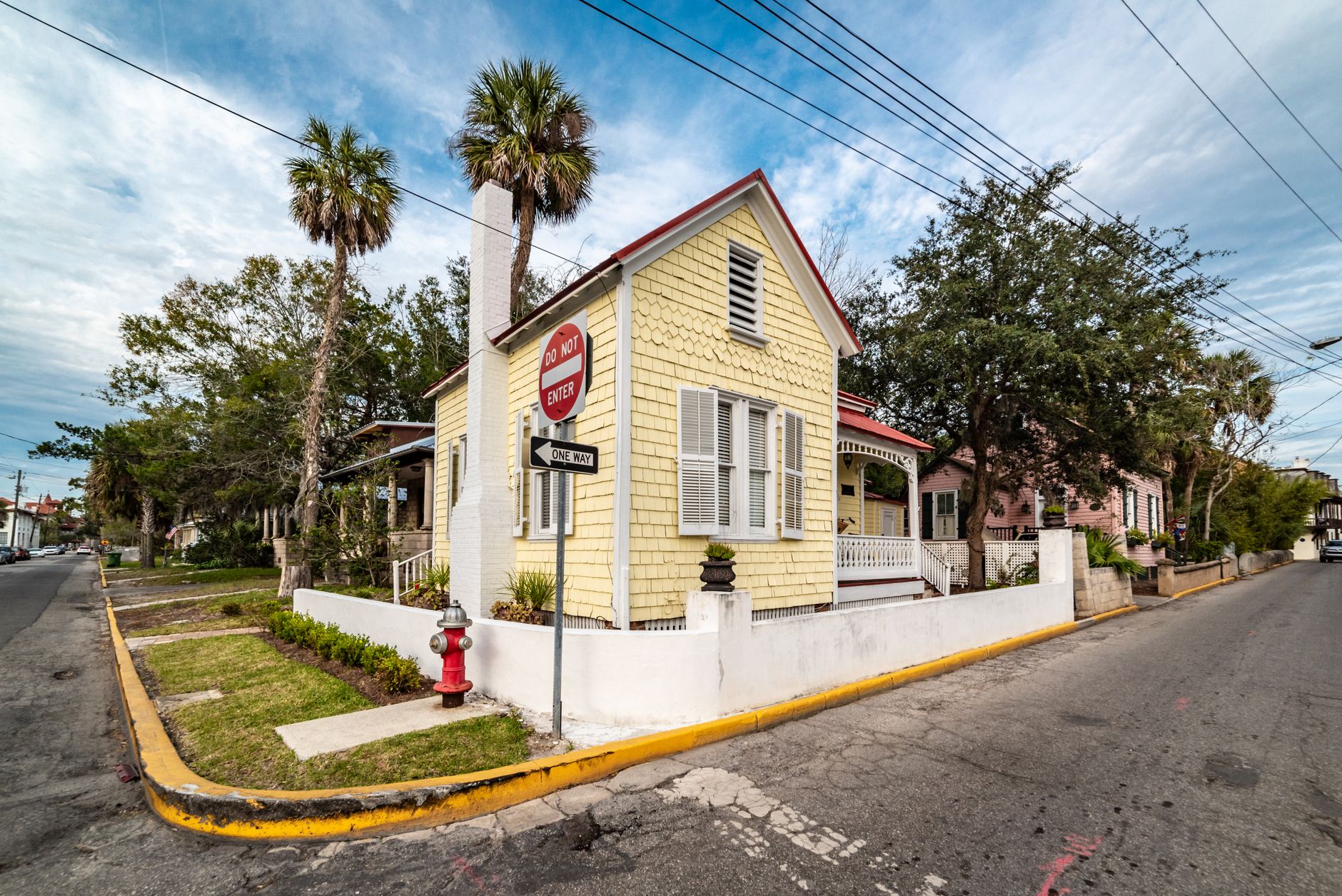
Which Way Should Your House Face in Florida? Maximizing Comfort and Savings
In Florida’s unique climate, the direction your house faces significantly impacts energy efficiency and overall comfort. The ideal house orientation in Florida is east-west, minimizing exposure to the intense afternoon sun and maximizing morning sunlight, thereby leading to substantial energy savings and a more comfortable living environment.

Understanding Florida’s Climate and Solar Path
Florida’s subtropical climate presents unique challenges and opportunities for home design. The intense solar radiation, particularly during the summer months, can drastically increase cooling costs. Understanding the sun’s path and how it affects different sides of your house is crucial in determining the optimal orientation. The angle of the sun changes throughout the year, impacting how much heat penetrates your home through windows and walls. This is a critical factor when considering which way should your house face in Florida?.

What colours are fish most attracted to?
Can you put your finger in a trout's mouth?
Is methylene blue anti bacterial?
Does aquarium salt raise pH in aquarium?
Benefits of Strategic House Orientation

Optimizing your house’s orientation offers a multitude of benefits:
- Reduced Energy Bills: By minimizing direct sunlight exposure on the east and west-facing walls (especially during the hottest part of the day), you can significantly reduce your reliance on air conditioning, leading to lower energy consumption and reduced utility bills.
- Improved Comfort: A properly oriented house stays cooler in the summer, creating a more comfortable living environment. You’ll experience fewer temperature fluctuations throughout the day.
- Enhanced Natural Light: Maximizing morning sunlight while minimizing harsh afternoon glare allows for more natural light, reducing the need for artificial lighting during the day.
- Increased Property Value: Energy-efficient homes are becoming increasingly desirable to homebuyers. A well-oriented house can be a selling point.
- Protection from Elements: Strategic orientation can offer greater protection from prevailing winds and rain, reducing wear and tear on your home’s exterior.
Key Considerations for House Orientation
Several factors should be considered when determining which way should your house face in Florida?:
- Prevailing Winds: In Florida, the prevailing winds generally come from the east and southeast. Designing your house to take advantage of these breezes can help with natural ventilation, further reducing your reliance on air conditioning.
- Sun Angle: The sun’s path is lower in the winter and higher in the summer. This affects how much sunlight penetrates your windows and walls.
- Lot Size and Shape: The size and shape of your lot may limit your options for house orientation.
- Landscaping: Trees and shrubs can provide shade and reduce the amount of sunlight that reaches your house. Strategic landscaping can significantly enhance the benefits of proper orientation.
- Window Placement and Design: The size, type, and placement of windows play a crucial role in managing solar heat gain.
Best Orientation: East-West
The most common and recommended orientation for houses in Florida is east-west. Here’s why:
- East-Facing Walls: Receive morning sunlight, which is less intense than afternoon sun.
- West-Facing Walls: Receive afternoon sunlight, but the shorter duration of this exposure minimizes heat gain compared to a south-facing wall receiving sun all day.
- North-Facing Walls: Receive minimal direct sunlight.
- South-Facing Walls: Receive the most direct sunlight, which can be beneficial in the winter but detrimental in the summer. This orientation requires careful planning and shading strategies.
However, a true east-west orientation might not always be possible or desirable. Slight variations, such as northeast-southwest or southeast-northwest, can be acceptable and may even be preferable depending on other factors like views and lot configuration.
Strategies to Mitigate Solar Heat Gain
Even with optimal orientation, you may need additional strategies to mitigate solar heat gain:
- Window Tinting: Reduces the amount of solar heat that enters your home through windows.
- Awnings and Overhangs: Provide shade for windows and doors.
- Landscaping: Plant trees and shrubs to provide shade for walls and windows.
- Energy-Efficient Windows: Choose windows with a low solar heat gain coefficient (SHGC).
- Insulation: Adequate insulation in walls and ceilings helps to prevent heat transfer.
Comparing Orientations
| Orientation | Advantages | Disadvantages |
|---|---|---|
| East-West | Minimizes afternoon sun exposure, maximizes morning sunlight. | May require careful landscaping to block afternoon sun on the west-facing wall. |
| North-South | Can be energy-efficient with proper shading and window design. | South-facing walls receive intense sunlight throughout the day, requiring extensive shading. |
| Southeast-Northwest | Can be a good compromise if true east-west is not feasible. | Still requires careful consideration of solar heat gain on the southeast and northwest-facing walls. |
| Northeast-Southwest | Another good compromise offering balanced sun exposure. | Careful window placement is needed to avoid too much sun on southwest-facing walls. |
Common Mistakes to Avoid
- Ignoring the Sun’s Path: Failing to consider the sun’s path and its impact on different sides of the house.
- Neglecting Landscaping: Underestimating the importance of trees and shrubs in providing shade.
- Insufficient Insulation: Not using enough insulation to prevent heat transfer.
- Choosing Inefficient Windows: Selecting windows with a high SHGC.
- Overlooking Prevailing Winds: Not taking advantage of natural ventilation.
Frequently Asked Questions (FAQs)
What is the most important factor to consider when deciding which way my house should face?
The most important factor is solar orientation. Understanding the sun’s path and how it affects different sides of your house throughout the year is crucial for maximizing energy efficiency and comfort.
Does house color impact the effects of house orientation in Florida?
Yes, lighter colors reflect more sunlight, reducing heat absorption, while darker colors absorb more heat. Therefore, a lighter color scheme can help to mitigate the effects of intense sun exposure, regardless of orientation.
Can I improve an existing home’s energy efficiency if it’s not optimally oriented?
Absolutely! There are many ways to improve an existing home’s energy efficiency, regardless of its orientation, including window tinting, adding awnings, improving insulation, and planting trees for shade.
What role does landscaping play in mitigating the effects of sub-optimal orientation?
Landscaping plays a crucial role. Properly placed trees and shrubs can shade walls and windows, reducing solar heat gain significantly. Deciduous trees are particularly effective as they provide shade in the summer and allow sunlight through in the winter.
Are there specific window types better suited for different orientations in Florida?
Yes. Windows with a low Solar Heat Gain Coefficient (SHGC) are ideal for south-facing walls to minimize heat transfer. For north-facing windows, you might prioritize Visible Light Transmittance (VT) to maximize natural light.
How much can I expect to save on energy bills with optimal house orientation?
Savings vary depending on factors like house size, insulation, and lifestyle, but you can typically expect to save 10-30% on your cooling costs with optimal orientation and energy-efficient design.
What impact do hurricane-resistant windows have on solar heat gain?
Hurricane-resistant windows are often designed with multiple layers of glass and coatings that can also reduce solar heat gain. Check the SHGC rating to determine their effectiveness.
Is it better to prioritize view or orientation when building a house in Florida?
This is a personal decision, but prioritizing orientation generally yields greater long-term benefits in terms of energy efficiency and comfort. However, you can often find a compromise that balances both view and orientation.
How does the location of my house (coastal vs. inland) affect orientation considerations?
Coastal locations tend to experience more consistent breezes, which can influence the optimal orientation. Inland locations might benefit more from strategies to maximize shade and minimize solar heat gain due to higher temperatures and less wind.
Are there any financial incentives for building an energy-efficient home in Florida?
Yes, there may be state and local rebates or tax credits available for building an energy-efficient home. Check with your local utility company and government agencies for available programs.
What is the role of building codes in promoting optimal house orientation?
While building codes don’t typically mandate specific orientations, they enforce minimum energy efficiency standards that encourage builders to consider orientation and other factors that affect energy performance.
Besides orientation, what are the other effective ways to reduce energy consumption in Florida homes?
Other effective strategies include using energy-efficient appliances, properly insulating your home, sealing air leaks, installing a smart thermostat, and using energy-efficient lighting. These measures, combined with optimal orientation, create a comfortable and energy-saving living environment.