

Which Type of Goldfish Lives Longest? Exploring Longevity in the Goldfish World
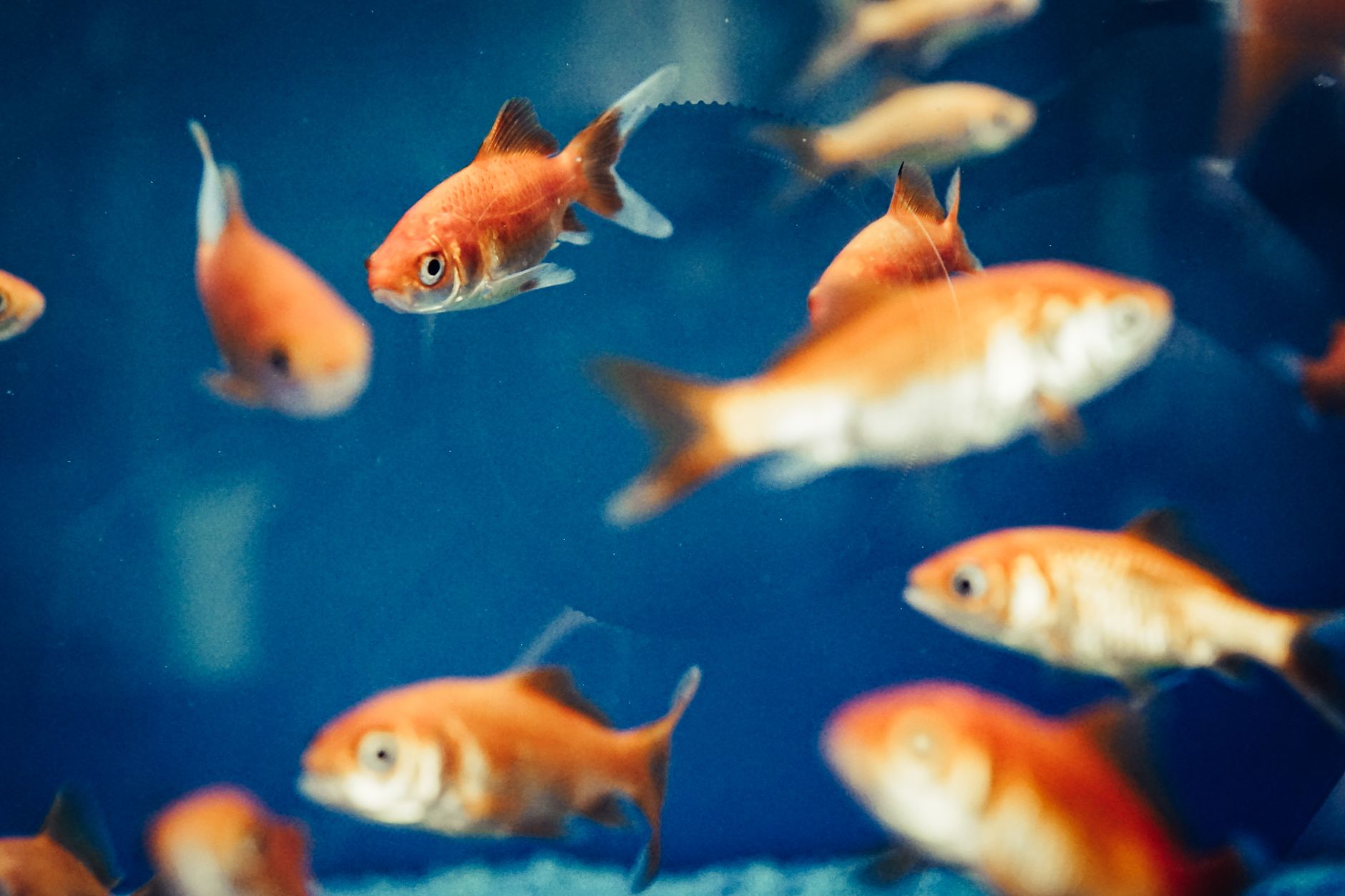
While all goldfish can live surprisingly long with proper care, fancy goldfish typically have shorter lifespans than their single-tailed counterparts. Therefore, when asking, “Which type of goldfish lives longest?” the answer is that single-tailed goldfish breeds, such as the Common Goldfish, Comet Goldfish, and Shubunkin, generally outlive fancy varieties.
Understanding Goldfish Longevity
Goldfish, often seen as simple starter pets, can actually thrive for many years under the right conditions. Understanding the factors that influence their lifespan is crucial for responsible pet ownership. The question of “Which type of goldfish lives longest?” isn’t just about breed; it’s about the whole environment.
What is the GREY African clawed frog?
What colours are fish most attracted to?
Can you put your finger in a trout's mouth?
Is methylene blue anti bacterial?
Factors Affecting Goldfish Lifespan
Several factors contribute to a goldfish’s lifespan, and it’s not solely dependent on the breed. Here’s a breakdown:
- Tank Size: Goldfish require ample space to swim and grow. Overcrowding leads to stress and poor water quality, significantly shortening their lifespan.
- Water Quality: Goldfish produce a lot of waste. Regular water changes and a proper filtration system are essential to maintain healthy water parameters. Ammonia and nitrite spikes are lethal.
- Diet: A balanced diet is vital. Overfeeding and feeding low-quality food can lead to health problems.
- Genetics: Some goldfish are simply predisposed to longer lives due to their genetic makeup.
- Care Practices: Consistent, high-quality care directly impacts lifespan. This includes proper acclimation, quarantine of new fish, and prompt treatment of illnesses.
Single-Tailed vs. Fancy Goldfish
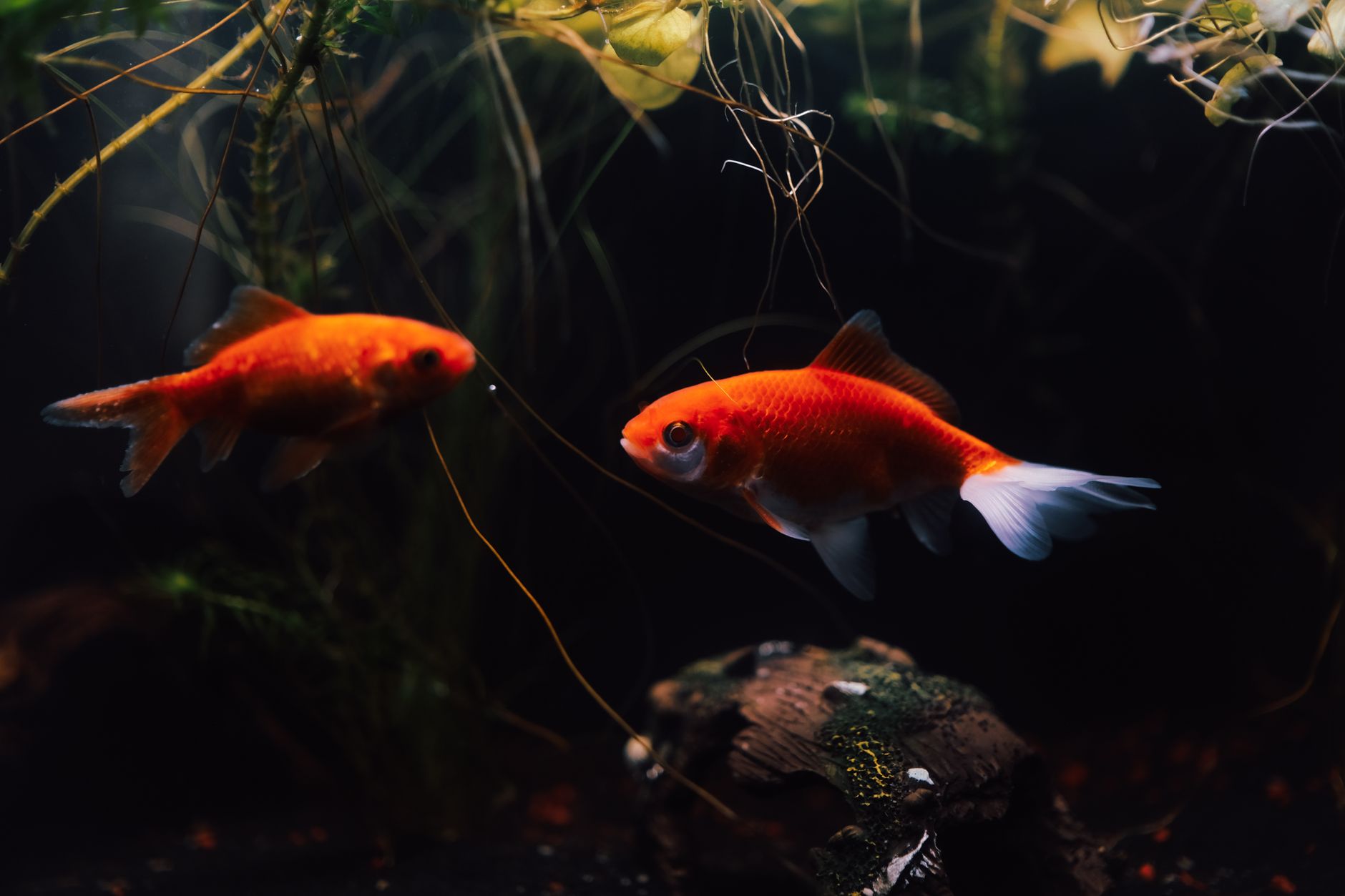
The primary reason single-tailed goldfish generally live longer is their streamlined body shape and robust constitution. Fancy goldfish, with their selective breeding for specific aesthetic traits, are often more susceptible to health issues.
- Single-Tailed Goldfish (e.g., Common, Comet, Shubunkin):
- More streamlined body shape.
- Hardier and more resilient.
- Less prone to swim bladder issues.
- Generally live 10-30 years with good care, some even living longer.
- Fancy Goldfish (e.g., Oranda, Ranchu, Ryukin):
- Rounder, less streamlined body shape.
- More prone to swim bladder disorders.
- More susceptible to injuries and infections.
- Typically live 5-15 years with exceptional care.
The Impact of Body Shape
The body shape of fancy goldfish, while visually appealing, often comes at a cost to their health. Their compressed bodies and elaborate fins can hinder their swimming ability and make them more vulnerable to injuries. For example, fish enthusiasts often note that breeds like the Celestial goldfish face difficulties seeing the food, increasing health issues. They can also be slower to access food, potentially leading to malnutrition if kept with more agile single-tailed breeds.
Best Practices for Maximizing Goldfish Lifespan
No matter the type of goldfish, adhering to best practices in care is crucial for maximizing their lifespan.
- Large Tank: Provide a tank that is at least 20 gallons for a single-tailed goldfish and 30 gallons for fancy varieties. Add 10 gallons for each additional fish.
- Effective Filtration: Invest in a high-quality filter that can handle the bioload of goldfish.
- Regular Water Changes: Perform weekly water changes of 25-50%, depending on tank size and stocking levels.
- Balanced Diet: Feed a high-quality goldfish food in small portions, 1-2 times per day. Supplement with vegetables like peas and leafy greens.
- Proper Acclimation: When introducing new fish, acclimate them slowly to the tank water to minimize stress.
- Monitor Water Parameters: Regularly test the water for ammonia, nitrite, and nitrate levels.
- Quarantine New Fish: Quarantine new fish for 2-4 weeks before introducing them to the main tank to prevent the spread of diseases.
Understanding the Goldfish Life Cycle
| Stage | Description | Duration |
|---|---|---|
| Egg | Fertilized egg attached to surfaces | 2-7 days |
| Fry | Newly hatched, tiny goldfish | Several weeks |
| Juvenile | Growing goldfish, developing coloration | Several months |
| Adult | Mature goldfish, capable of breeding | Remainder of life |
Choosing the Right Goldfish
When choosing a goldfish, consider your experience level and the commitment required to provide proper care. Single-tailed goldfish are generally easier to care for and are a good choice for beginners.
Which type of goldfish lives longest?
As previously noted, single-tailed varieties like Common Goldfish and Comet Goldfish tend to live longer, often exceeding 10-20 years with proper care. Their more streamlined body shape and hardier nature contribute to their longevity.
How big of a tank do goldfish need?
Goldfish require significant space. A good rule of thumb is at least 20 gallons for one single-tailed goldfish and 30 gallons for a fancy goldfish, with 10 additional gallons per fish.
What do goldfish eat?
Goldfish require a balanced diet consisting of high-quality goldfish flakes or pellets. Supplement their diet with occasional treats such as blanched vegetables (peas, spinach) or bloodworms.
How often should I clean my goldfish tank?
Regular water changes are crucial. Aim to change 25-50% of the water every week or two, depending on the size of the tank and the number of fish.
What is swim bladder disorder?
Swim bladder disorder is a common ailment in fancy goldfish that affects their ability to maintain buoyancy. It is often caused by poor water quality, overfeeding, or swallowing air while eating.
Can I keep goldfish with other fish?
It’s generally not recommended to keep goldfish with tropical fish, as they have different temperature requirements. Compatible tank mates include White Cloud Mountain Minnows.
How long can goldfish live without food?
Goldfish can survive for a surprisingly long time without food, sometimes up to two weeks, but this is not recommended as it causes stress and weakens their immune system. It’s better to provide consistent and appropriate feeding.
What are the ideal water parameters for goldfish?
The ideal water parameters for goldfish are: pH of 6.5-7.5, ammonia and nitrite levels of 0 ppm, and nitrate levels below 20 ppm.
Are goldfish schooling fish?
While goldfish are not strictly schooling fish, they are social creatures and generally thrive when kept in groups. They appreciate having company.
What are some signs of a healthy goldfish?
Signs of a healthy goldfish include bright coloration, active swimming, a healthy appetite, and clear eyes. Be sure to monitor for any abnormal behavior.
How can I prevent my goldfish from getting sick?
Maintaining good water quality, providing a balanced diet, and avoiding overcrowding are the best ways to prevent your goldfish from getting sick.
What is the best type of filter for a goldfish tank?
A powerful filter that can handle the bioload of goldfish is essential. Canister filters, hang-on-back filters, and sponge filters are all suitable options, but be sure the chosen option can adequately filter the entire tank volume multiple times an hour.