

Which Month is Best for Whale Watching in Hermanus? A Definitive Guide
The absolute best month for whale watching in Hermanus is October, offering peak viewing opportunities for Southern Right Whales during their breeding season. While whale season spans several months, October boasts the highest concentration of these magnificent creatures.
Introduction: The Whale Coast Beckons
Hermanus, South Africa, is globally renowned as one of the best land-based whale watching destinations in the world. Every year, Southern Right Whales migrate to the sheltered waters of Walker Bay to mate, calve, and nurture their young. This creates an extraordinary opportunity for visitors to witness these gentle giants up close, from the shore, boat, or even the air. Understanding the nuances of the whale season is crucial to planning the perfect trip and maximizing your chances of a truly unforgettable experience.

What colours are fish most attracted to?
Can you put your finger in a trout's mouth?
Is methylene blue anti bacterial?
Does aquarium salt raise pH in aquarium?
The Southern Right Whale Migration: A Seasonal Spectacle
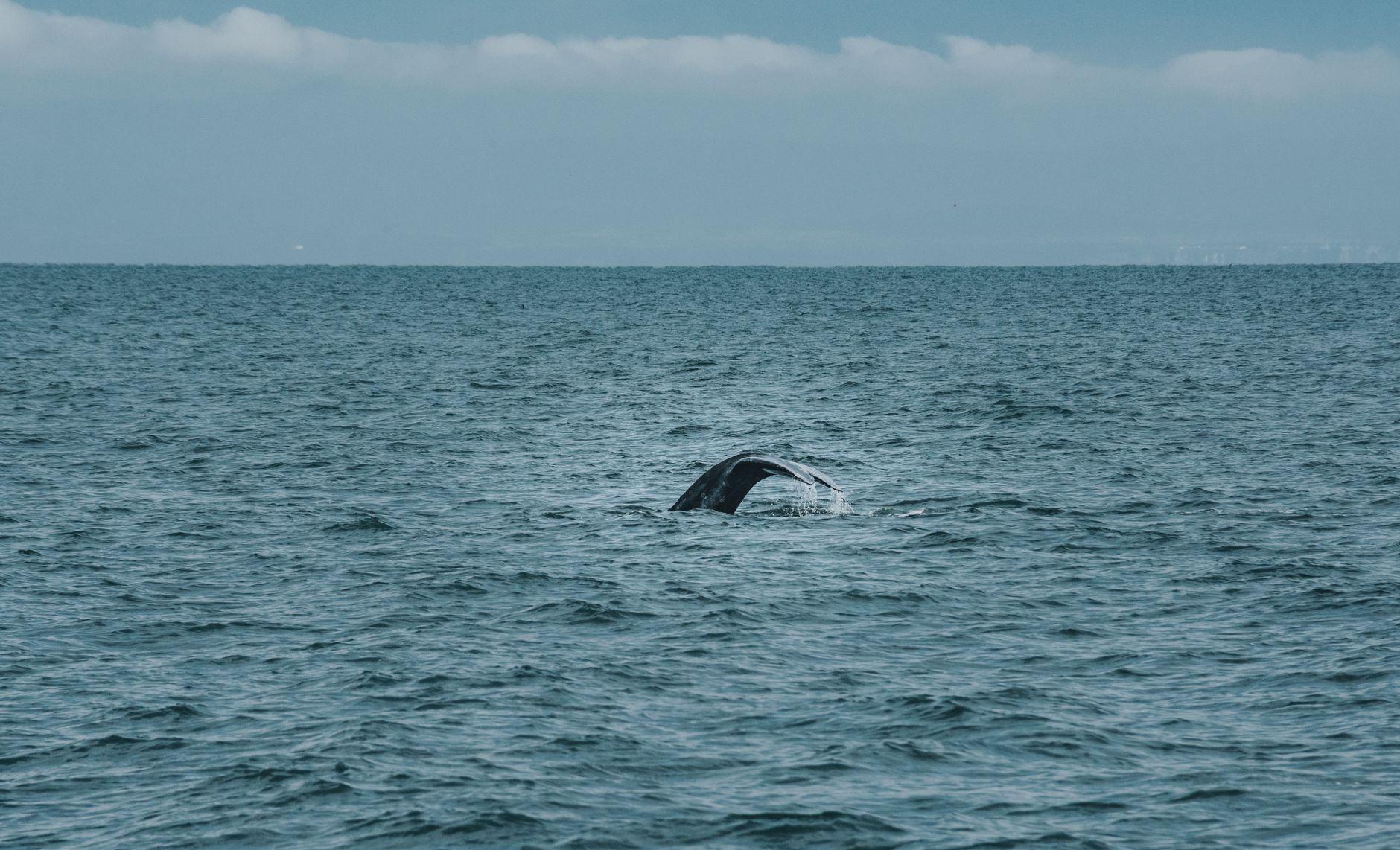
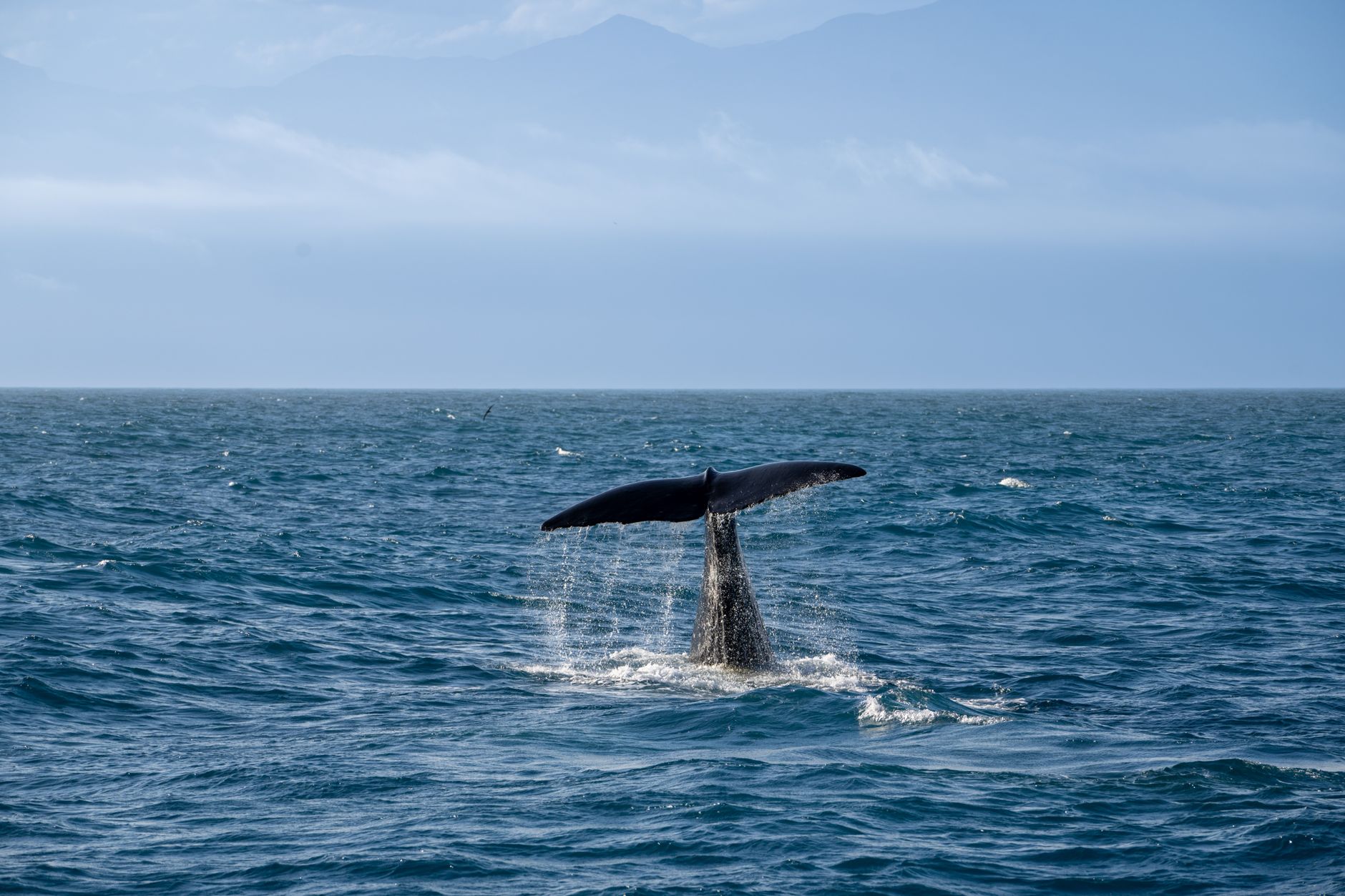
The Southern Right Whale (Eubalaena australis) undertakes a long migration from the cold Antarctic feeding grounds to the warmer, protected bays of South Africa and Argentina. They arrive in Hermanus seeking safe havens to give birth and raise their calves, away from the harsh conditions and predators of the Southern Ocean. The timing of this migration dictates the Hermanus whale season.
Understanding the Hermanus Whale Season
The official Hermanus whale season typically runs from June to December. However, the peak of the season, when the largest number of whales are present, is generally from September to November. While whales can be sighted as early as May or even late April, sightings are much less frequent until the main season kicks off. December often sees a sharp decline in whale activity as the whales begin their return journey to the Antarctic.
Comparing Whale Watching Months in Hermanus
| Month | Whale Numbers | Calving Activity | Weather Conditions | Crowd Levels |
|---|---|---|---|---|
| June | Low to Moderate | Starting | Cool, Variable | Low |
| July | Moderate | Increasing | Cool, Often Rainy | Moderate |
| August | High | High | Moderate, Windy | Moderate |
| September | Very High | Very High | Moderate, Improving | High |
| October | Peak | Peak | Warm, Sunny | High |
| November | High | Decreasing | Warm, Sunny | Moderate |
| December | Low | Very Low | Hot, Sunny | Low |
Why October is Considered the Best
Several factors contribute to October being considered the prime month for whale watching in Hermanus:
- Peak Whale Numbers: October consistently exhibits the highest concentration of Southern Right Whales in Walker Bay.
- Optimal Calving Activity: The majority of calving occurs during September and October, offering exceptional opportunities to observe mothers with their newborns.
- Favorable Weather Conditions: October typically enjoys warm, sunny days with calmer seas, providing excellent viewing conditions for both land-based and boat-based whale watching.
- Increased Whale Activity: Whales are often more active in October, engaging in displays such as breaching and tail slapping, making for a more dynamic viewing experience.
Beyond October: Alternative Whale Watching Months
While October is the ideal month, other months within the whale season offer their own advantages:
- September: Offers similar whale numbers to October but can be slightly less crowded.
- November: Still provides good whale watching opportunities, with warmer weather and potentially lower prices compared to the peak season.
- August: A great option for those seeking good whale activity before the peak crowds arrive, though be prepared for potentially windier conditions.
Tips for Planning Your Whale Watching Trip
- Book in Advance: Particularly if traveling during the peak season (September to November), book accommodation, tours, and activities well in advance to avoid disappointment.
- Choose a Reputable Tour Operator: Select a boat-based whale watching tour operator that adheres to responsible whale watching practices.
- Pack Appropriately: Bring layers of clothing, sunscreen, a hat, and binoculars to enhance your viewing experience.
- Check the Weather Forecast: Be aware of the weather conditions and sea conditions before embarking on a whale watching trip.
- Be Patient: Whale watching requires patience. While sightings are common, there’s no guarantee, so relax and enjoy the overall experience.
Common Mistakes to Avoid
- Underestimating Crowd Levels: Hermanus can get very crowded during the peak whale season, so plan accordingly.
- Not Booking Accommodation Early: Accommodation options can fill up quickly, especially for October.
- Choosing an Unethical Tour Operator: Ensure the tour operator follows responsible whale watching guidelines.
- Ignoring the Weather Forecast: Bad weather can significantly impact your whale watching experience.
- Expecting Guaranteed Sightings: While sightings are likely, they are not guaranteed.
Frequently Asked Questions (FAQs)
What types of whales can I see in Hermanus?
While the primary species sighted in Hermanus is the Southern Right Whale, you may occasionally see other whale species, such as Bryde’s Whales and Humpback Whales, especially during the shoulder seasons.
When does the Hermanus Whale Festival take place?
The Hermanus Whale Festival typically takes place in late September or early October, coinciding with the peak of the whale season. It’s a vibrant celebration of whales and the marine environment.
Are there any land-based whale watching spots in Hermanus?
Yes, Hermanus offers excellent land-based whale watching opportunities. Popular spots include the Cliff Path, Voëlklip, and Gearing’s Point.
What should I wear for whale watching?
Dress in layers, as the weather can change quickly. Bring sunscreen, a hat, and sunglasses to protect yourself from the sun. Warm clothing is also advisable, even on sunny days, especially for boat-based trips.
Are children allowed on whale watching tours?
Yes, most whale watching tour operators welcome children. However, it’s important to check the minimum age requirements and safety guidelines before booking.
What are the responsible whale watching guidelines?
Responsible whale watching involves maintaining a safe distance from the whales, avoiding sudden movements or loud noises, and not harassing or disturbing them in any way. Reputable tour operators adhere to these guidelines to minimize their impact on the whales.
How long do whale watching tours typically last?
Boat-based whale watching tours typically last around 2-3 hours, providing ample time to observe the whales and other marine life.
What other wildlife can I see in Hermanus?
In addition to whales, you may also see dolphins, seals, penguins, and various seabirds in Hermanus.
Is it possible to see whales from my hotel?
Some hotels in Hermanus offer stunning views of Walker Bay and the opportunity to spot whales directly from your balcony or window. Check with individual hotels for availability and specific whale watching views.
How far in advance should I book my whale watching tour?
It is highly recommended to book your whale watching tour well in advance, especially if you are traveling during the peak season (September to November). Bookings can fill up weeks or even months ahead of time.
Is it safe to swim with whales in Hermanus?
Swimming with whales is generally not permitted in Hermanus, as it can disturb the whales and potentially pose a safety risk to both humans and the animals.
What happens if I don’t see any whales on my tour?
Many tour operators offer a whale sighting guarantee, which means that if you don’t see any whales on your tour, you may be offered a free return trip. Be sure to inquire about this policy before booking your tour. Understanding which month is best for whales in Hermanus can increase your chance of successful sighting, but whales are still wild animals.