

Which Animals Reproduce Without Mating? Unveiling the Secrets of Asexual Reproduction
Some animals, astonishingly, can reproduce without mating. This process, called asexual reproduction, allows for the creation of offspring from a single parent, bypassing the need for fertilization.

Introduction to Asexual Reproduction
The world of reproduction is remarkably diverse. While sexual reproduction, involving the fusion of sperm and egg, is the most familiar method, a fascinating alternative exists: asexual reproduction. This process allows certain animals to produce offspring that are genetically identical (or nearly so) to themselves, without the need for a partner. Understanding which animal reproduce without mating requires delving into the specifics of these unique reproductive strategies.

What colours are fish most attracted to?
Can you put your finger in a trout's mouth?
Is methylene blue anti bacterial?
Does aquarium salt raise pH in aquarium?
The Benefits of Asexual Reproduction
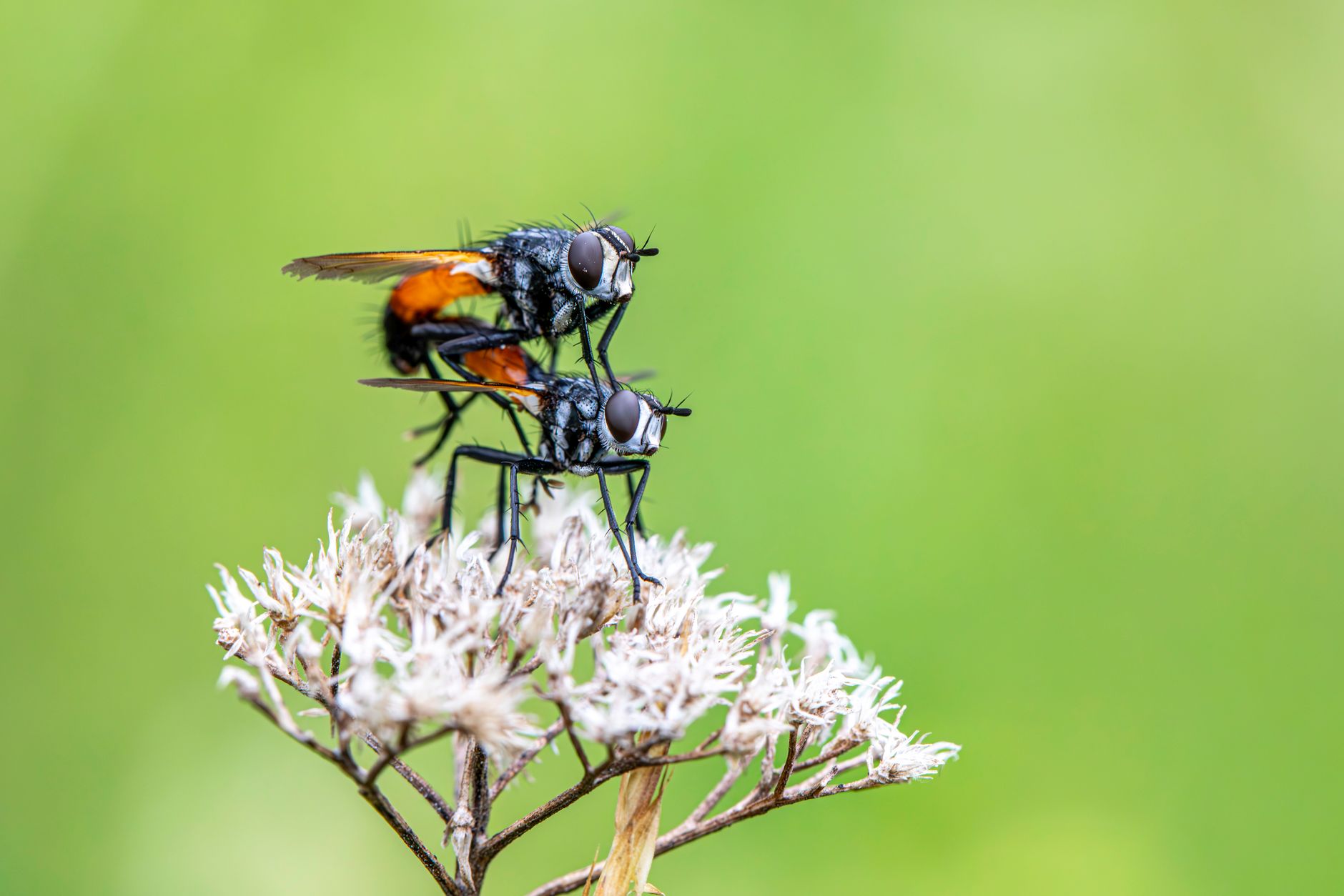
Asexual reproduction offers several advantages, particularly in stable environments or when finding a mate is difficult.
- Rapid population growth: A single individual can quickly establish a population.
- Efficient resource utilization: All energy goes into offspring production, rather than courtship or mate competition.
- Preservation of favorable traits: In a stable environment, offspring inherit the parent’s well-adapted genes.
However, the lack of genetic diversity can also be a drawback in changing environments.
Different Types of Asexual Reproduction
Several types of asexual reproduction exist in the animal kingdom. Some of the most common include:
- Budding: A new individual develops as an outgrowth (bud) from the parent’s body. Examples include hydra and some sponges.
- Fragmentation: The parent organism breaks into fragments, each of which develops into a new individual. Starfish and some worms exhibit this.
- Parthenogenesis: An unfertilized egg develops into a new individual. This is seen in various insects, reptiles, and even some birds.
- Binary Fission: The parent organism divides into two approximately equal parts. This is primarily seen in single-celled organisms.
Parthenogenesis: A Closer Look
Parthenogenesis is perhaps the most well-known form of asexual reproduction in multicellular animals. There are several forms of parthenogenesis:
- Obligate parthenogenesis: Reproduction occurs exclusively through parthenogenesis; no sexual reproduction takes place.
- Facultative parthenogenesis: Organisms can reproduce both sexually and asexually (through parthenogenesis). This allows for switching between strategies depending on environmental conditions.
The mechanism of parthenogenesis varies depending on the species. In some cases, the egg cell undergoes a process called automixis, where the chromosomes duplicate, and then fuse to restore the diploid number. In other cases, the egg cell is already diploid due to a failure in meiosis.
Common Examples of Animals That Reproduce Asexually
The question “Which animal reproduce without mating?” elicits a diverse list of creatures.
- Hydra: These freshwater polyps reproduce by budding.
- Sponges: Many sponges can reproduce asexually through budding or fragmentation.
- Starfish: Starfish are famous for their ability to regenerate lost limbs; if a limb is detached along with a portion of the central disc, it can regenerate into a complete new starfish.
- Aphids: These insects can reproduce parthenogenetically, especially when environmental conditions are favorable.
- Komodo Dragons: In rare instances, female Komodo dragons have been known to reproduce parthenogenetically in the absence of males.
- Whiptail Lizards: Some species of whiptail lizards consist entirely of females and reproduce through parthenogenesis.
The Evolutionary Significance of Asexual Reproduction
Asexual reproduction is often viewed as an evolutionary advantage in stable environments. It allows animals to rapidly colonize new areas and exploit available resources. However, the lack of genetic diversity makes asexually reproducing populations vulnerable to environmental changes or disease outbreaks. Many species that rely heavily on asexual reproduction also retain some capacity for sexual reproduction, allowing them to adapt to changing conditions when necessary.
Understanding Asexual Reproduction vs. Cloning
While both asexual reproduction and cloning result in genetically similar offspring, it’s important to differentiate between them. Asexual reproduction is a natural process that occurs spontaneously in certain organisms. Cloning, on the other hand, is a human-induced process that artificially creates a genetically identical copy of an organism. Therefore, these are distinct processes despite the similar outcome.
Challenges and Limitations of Asexual Reproduction
While asexual reproduction offers benefits, it also has limitations:
- Lack of genetic diversity: As mentioned earlier, offspring are genetically identical (or nearly so) to the parent, reducing the population’s ability to adapt to changing conditions.
- Accumulation of deleterious mutations: Harmful mutations can accumulate over generations in asexually reproducing populations, leading to a decline in fitness.
- Limited evolutionary potential: Asexual reproduction hinders the development of new adaptations and evolutionary pathways.
The Future of Asexual Reproduction Research
Research into asexual reproduction is ongoing, with scientists exploring the genetic and molecular mechanisms that control this process. Understanding how and which animal reproduce without mating can shed light on the evolution of reproductive strategies and potentially lead to new biotechnological applications. For example, understanding the mechanisms of parthenogenesis could have implications for animal breeding and conservation.
Frequently Asked Questions (FAQs)
What is the primary difference between sexual and asexual reproduction?
The primary difference lies in the need for fertilization. Sexual reproduction involves the fusion of sperm and egg from two parents, creating genetically diverse offspring. Asexual reproduction, on the other hand, involves a single parent producing genetically identical (or nearly identical) offspring without fertilization.
Why is asexual reproduction advantageous in stable environments?
In stable environments, organisms are well-adapted to their surroundings. Asexual reproduction allows for the rapid replication of these successful genotypes, leading to quick population growth and efficient resource utilization, without the risk of introducing less favorable traits through sexual reproduction.
Which animals are most likely to reproduce asexually?
Animals that are sessile (attached to a surface), live in isolated environments, or face challenges in finding mates are more likely to reproduce asexually. This includes many invertebrates like sponges, hydra, and some insects.
Is it possible for a normally sexually reproducing animal to reproduce asexually?
Yes, facultative parthenogenesis allows for this. Some species that typically reproduce sexually can switch to asexual reproduction when conditions are unfavorable for mating, such as the absence of males or scarce resources.
What triggers parthenogenesis in animals like Komodo dragons?
The exact triggers are not fully understood, but it is believed that parthenogenesis in Komodo dragons is a result of a lack of available males and a hormonal cascade that stimulates the egg to develop without fertilization.
Are offspring produced through parthenogenesis always female?
The sex of offspring produced through parthenogenesis depends on the species and the underlying genetic mechanisms. In some species, the offspring are always female. In others, males can be produced through parthenogenesis.
Does asexual reproduction lead to genetic mutations?
Yes, although offspring are genetically identical to the parent, mutations can still occur during DNA replication. These mutations can accumulate over generations, potentially leading to a decline in fitness.
How does fragmentation differ from budding?
In fragmentation, the parent organism breaks into multiple fragments, each capable of developing into a new individual. In budding, a single outgrowth develops from the parent’s body. Fragmentation results in several independent individuals, while budding involves the formation of a smaller, attached individual.
What is automixis, and how does it relate to parthenogenesis?
Automixis is a type of parthenogenesis where the egg cell undergoes a process of chromosome duplication and fusion to restore the diploid chromosome number, enabling development without fertilization.
Is cloning a form of asexual reproduction?
No, cloning is not a form of natural asexual reproduction. While both processes result in genetically identical offspring, cloning is a human-induced process, whereas asexual reproduction occurs naturally in certain species.
Why is genetic diversity important for a population?
Genetic diversity allows a population to adapt to changing environmental conditions, such as new diseases or climate changes. A population with high genetic diversity is more likely to have individuals with traits that enable them to survive and reproduce in the face of these challenges.
What are the potential implications of asexual reproduction for conservation efforts?
Understanding asexual reproduction can be beneficial for conservation efforts, particularly for endangered species. If a species can reproduce asexually, it may be possible to maintain a population even with a limited number of individuals. However, the lack of genetic diversity needs to be carefully considered.