

Where is the Best Place to Put a Dog Bowl?
The best place to put a dog bowl is a clean, quiet, and easily accessible area, away from high-traffic zones, ideally in a corner of the kitchen or dining room, minimizing distractions and promoting comfortable feeding. This ensures a stress-free and enjoyable mealtime for your beloved canine companion.
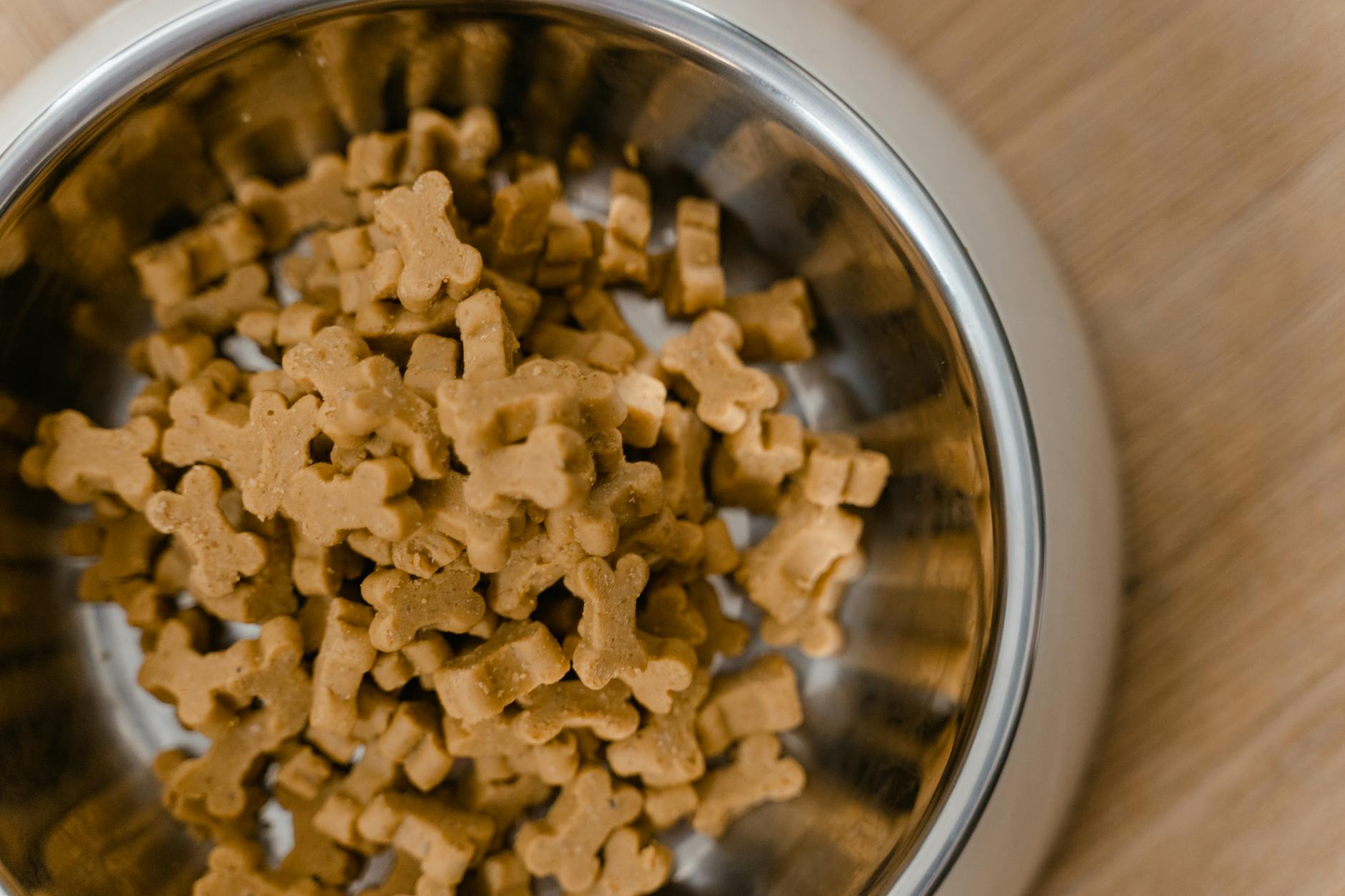
Introduction: Creating the Perfect Dining Space for Your Dog
Choosing the right location for your dog’s food and water bowls is more than just a matter of convenience; it directly impacts their well-being, hygiene, and even their behavior. Just as we appreciate a comfortable and peaceful dining environment, so do our furry friends. A carefully selected location can minimize stress, prevent resource guarding, and encourage proper hydration and nutrition. This article delves into the key considerations when determining where is the best place to put a dog bowl?, providing expert insights to help you create an optimal feeding station for your canine companion.
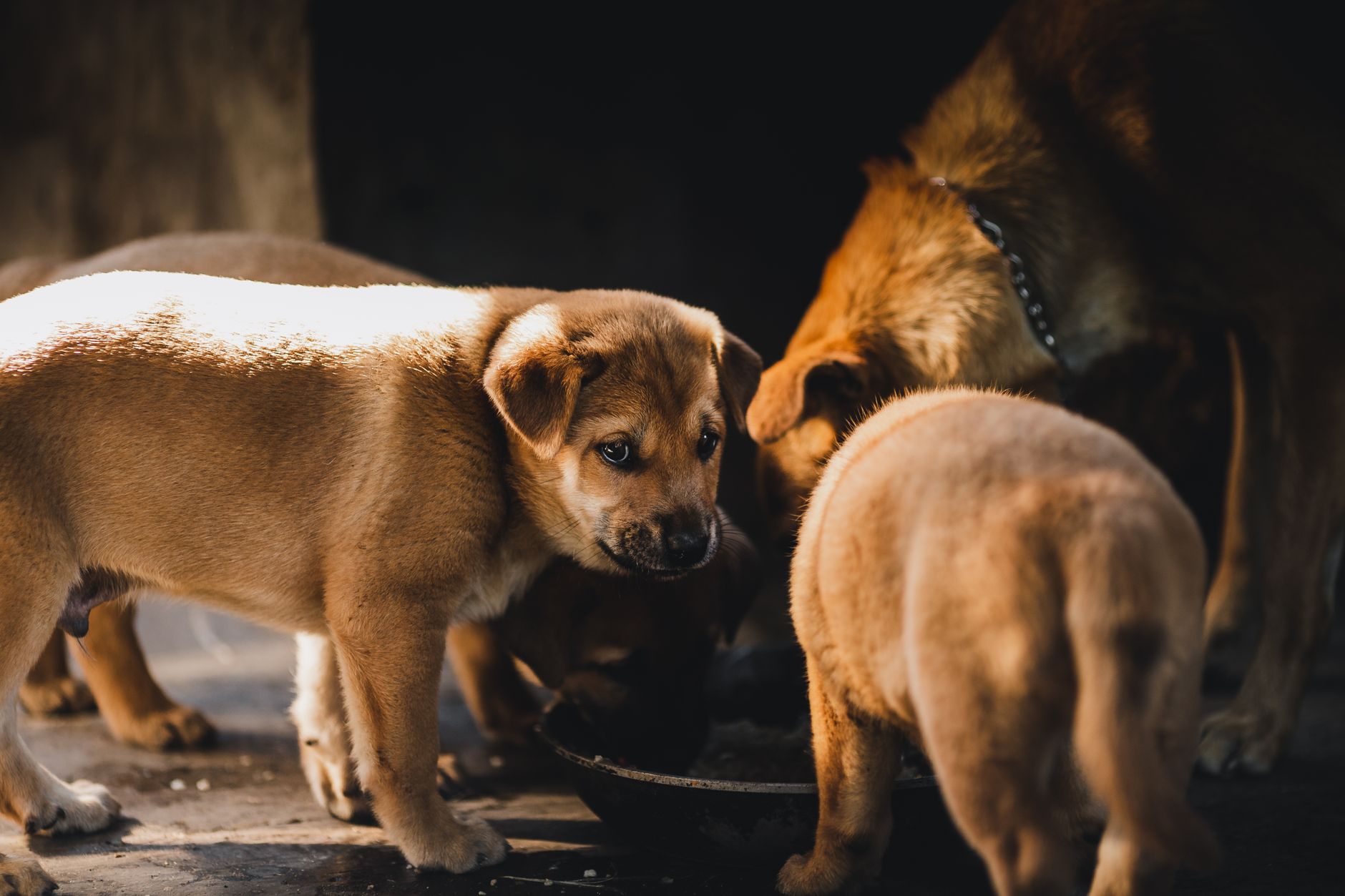
What is the best turtle to have as a pet in Australia?
How many fish can you put in a 200 gallon tank?
Can I put pink Himalayan salt in a fish tank?
The Importance of Location, Location, Location

The placement of your dog’s bowls can significantly affect their eating habits and overall health. A noisy or disruptive environment can lead to anxiety and reduced appetite, while an inaccessible location can prevent them from staying properly hydrated. Consider these factors:
- Accessibility: Can your dog easily reach the bowls at any time?
- Hygiene: Is the area easy to clean and free from contaminants?
- Traffic: Is the location away from busy foot traffic and potential disturbances?
- Other Pets: Does the placement minimize competition and resource guarding with other animals?
Ideal Locations and Their Benefits
Several locations within your home can serve as suitable feeding areas. Here’s a breakdown of popular choices and their advantages:
- Kitchen: A natural choice due to its proximity to food preparation areas, making cleaning spills and messes easier. The kitchen is often a social hub, so assess whether it’s truly calm for your dog.
- Dining Room: Provides a dedicated space for meals, often quieter than the kitchen, especially during meal preparation times.
- Mudroom/Laundry Room: Practical for messy eaters, as these rooms often have durable and easy-to-clean flooring. However, ensure these areas are not too isolated.
- Quiet Corner: Any quiet corner in your home, away from high-traffic areas, can work well, provided it meets the other criteria.
Ultimately, the ideal location depends on your dog’s personality, size, and specific needs, as well as the layout of your home.
Factors to Avoid
Just as important as choosing the right location is avoiding common pitfalls. Here are some areas that are generally unsuitable for dog bowls:
- High-Traffic Areas: Hallways, doorways, and busy living rooms can be stressful for dogs while they’re eating.
- Near Litter Boxes: For obvious hygiene reasons, avoid placing food and water bowls near litter boxes.
- Outdoors (Unprotected): Bowls left outside are susceptible to contamination and extreme temperatures.
- Near Heat Sources: Avoid placing bowls near radiators or fireplaces, as this can make the water unpalatable and potentially unsafe.
- Upstairs (for older dogs/puppies): If your dog has mobility issues or is a young puppy, consider keeping the food and water bowls on a single level.
Practical Considerations for Different Dog Sizes and Breeds
The size and breed of your dog can influence the best bowl placement and type.
- Large Breeds: Elevated feeders are often recommended for large breeds to reduce strain on their neck and joints.
- Brachycephalic Breeds (e.g., Pugs, Bulldogs): Shallow bowls are easier for these breeds to eat and drink from, minimizing the risk of choking or aspiration.
- Puppies: A dedicated puppy zone with food and water is essential for housetraining and establishing good eating habits.
- Senior Dogs: Ensure the bowls are easily accessible, especially if they have mobility issues, and consider raised bowls.
Maintaining a Clean and Healthy Feeding Area
Hygiene is paramount. Regular cleaning of the bowls and the surrounding area is essential to prevent the growth of bacteria and other harmful microorganisms.
- Daily Cleaning: Wash food and water bowls daily with hot, soapy water.
- Regular Disinfection: Periodically disinfect the bowls with a pet-safe disinfectant.
- Clean the Area: Sweep or mop the area around the bowls regularly to remove food crumbs and spills.
- Fresh Water: Always provide fresh, clean water. Change the water at least twice a day, or more frequently in hot weather.
Summary of Choosing the Perfect Location
Where is the best place to put a dog bowl? is a question with a multifaceted answer. Carefully consider your dog’s individual needs, the layout of your home, and the principles of hygiene and accessibility to identify the ideal spot. A well-chosen location will contribute to your dog’s overall well-being and create a positive mealtime experience.
Frequently Asked Questions (FAQs)
What type of bowl is best for my dog?
The best type of bowl depends on your dog’s size, breed, and eating habits. Stainless steel bowls are generally recommended for their durability, hygiene, and resistance to bacteria. Ceramic bowls are another good option, but ensure they are free from lead. Plastic bowls can harbor bacteria and may be chewed on, so they are generally less desirable.
How often should I clean my dog’s bowls?
You should clean your dog’s food and water bowls at least once a day, preferably after each meal. Use hot, soapy water and rinse thoroughly. Periodically disinfect the bowls with a pet-safe disinfectant.
Should I use an elevated feeder for my dog?
Elevated feeders can be beneficial for large breeds, senior dogs, and dogs with certain medical conditions, as they can reduce strain on the neck and joints. However, they are not recommended for all dogs, and some studies suggest they may increase the risk of bloat in certain breeds. Consult with your veterinarian to determine if an elevated feeder is right for your dog.
What if my dog is a messy eater?
If your dog is a messy eater, consider using a non-slip mat or a raised feeder with a rim to contain spills. You can also place the bowls in an area that is easy to clean, such as a kitchen or mudroom.
My dog guards their food bowl. What should I do?
Food guarding is a common behavior, but it can be addressed with training and management techniques. Avoid approaching your dog while they are eating, and consider feeding them in a separate room or area. Consult with a professional dog trainer or behaviorist for guidance on addressing food guarding.
Should I leave food out all day for my dog?
Free-feeding, or leaving food out all day, is generally not recommended, as it can lead to obesity and difficulty in monitoring your dog’s appetite and health. It is best to feed your dog measured portions at specific mealtimes.
What if I have multiple dogs?
If you have multiple dogs, it is important to provide separate feeding areas to prevent competition and resource guarding. Ensure that each dog has their own bowls and that they are supervised during mealtimes.
My dog isn’t drinking enough water. What can I do?
Ensure that your dog always has access to fresh, clean water. Consider offering water in multiple locations throughout the house. You can also try adding a small amount of low-sodium broth or flavoring to the water to encourage them to drink more.
Is it okay to place the water bowl next to the food bowl?
Yes, it is generally okay to place the water bowl next to the food bowl. However, ensure that the bowls are not too close together, as this can lead to food particles contaminating the water.
Can I use tap water for my dog?
Tap water is generally safe for dogs to drink, provided it meets local safety standards. However, if you have concerns about the quality of your tap water, you can use filtered water instead.
How do I choose the right size bowl for my dog?
The size of the bowl should be appropriate for your dog’s size and breed. The bowl should be large enough to hold enough food and water without being too deep or shallow.
What if my dog keeps knocking over their water bowl?
If your dog keeps knocking over their water bowl, consider using a heavy, non-tip bowl or placing the bowl on a non-slip mat. You can also try using a water fountain instead of a traditional bowl.