
Where Do You Mostly Find Owls?
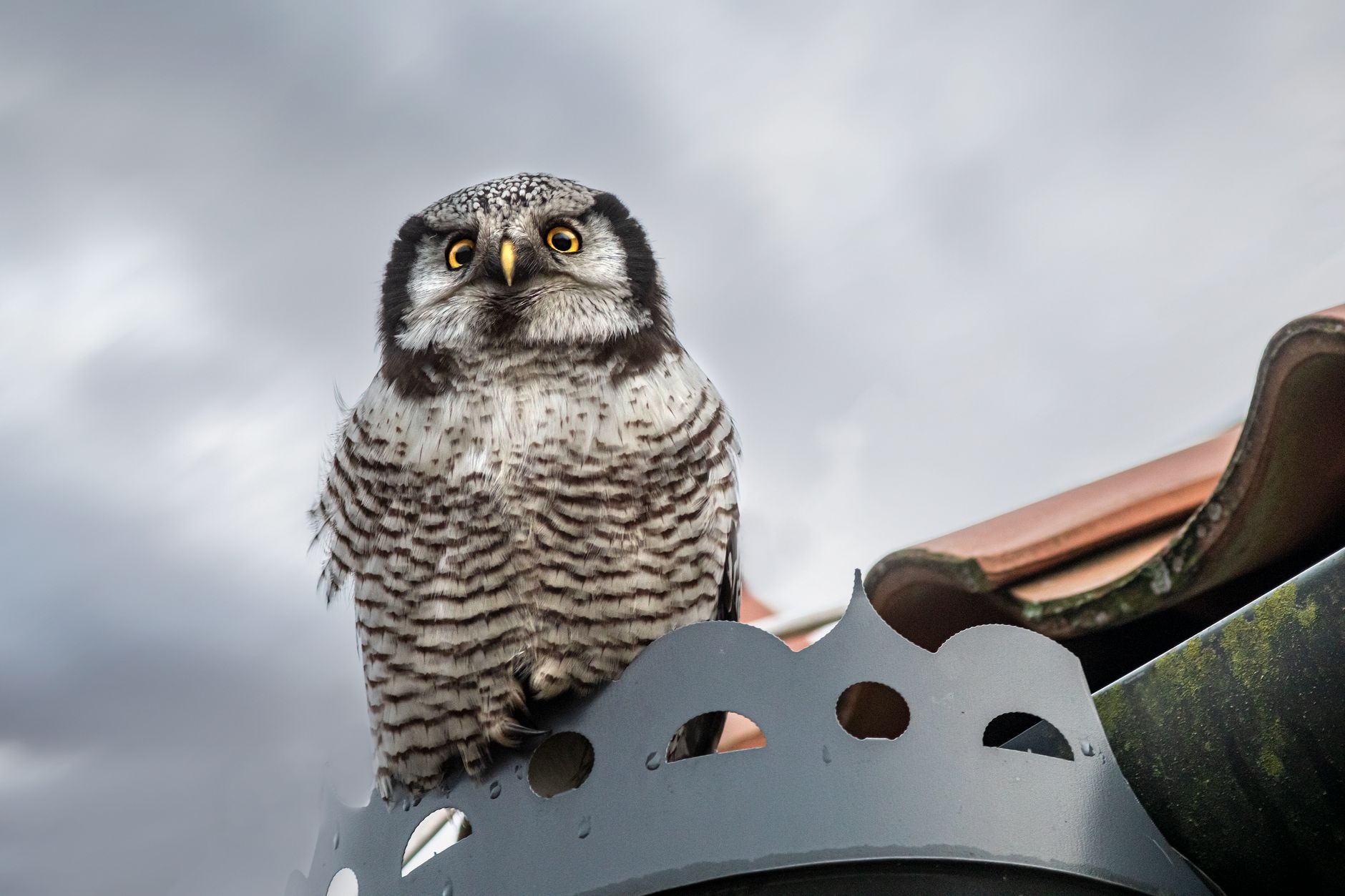
Owls, masters of the night, inhabit a surprisingly diverse range of habitats. Where do you mostly find owls? You’ll mostly find them in woodlands, forests, and other areas with mature trees providing nesting cavities, though their adaptability allows them to thrive in grasslands, deserts, and even urban environments.

Introduction: The Elusive Owl
The owl, a symbol of wisdom and mystery, captivates our imagination. These nocturnal hunters are found across the globe, from the frozen Arctic to the scorching deserts. Understanding where do you mostly find owls involves recognizing the factors that shape their distribution, including habitat availability, prey abundance, and competition with other species. While their secretive nature can make them difficult to spot, knowing their preferred environments significantly increases your chances of encountering these magnificent birds.

What colours are fish most attracted to?
Can you put your finger in a trout's mouth?
Is methylene blue anti bacterial?
Does aquarium salt raise pH in aquarium?
Habitat Preferences: A World of Owls

Owls are remarkably adaptable, occupying a variety of habitats depending on the species and geographic location. Understanding these preferences is crucial in answering the question, where do you mostly find owls?
- Forests and Woodlands: These are arguably the most common habitats for owls, offering plentiful nesting sites in tree cavities and ample hunting grounds. Many owl species, like the Great Horned Owl and Barred Owl, are strongly associated with forested environments.
- Grasslands and Prairies: Owls such as the Burrowing Owl have adapted to open landscapes, using burrows in the ground for nesting and hunting for small mammals.
- Deserts: Some owls, including the Elf Owl, have evolved to thrive in arid environments, utilizing cacti and other desert vegetation for shelter and nesting.
- Urban Areas: Surprisingly, owls can also be found in cities, adapting to the presence of buildings and other structures. The Barn Owl, for instance, frequently nests in barns, warehouses, and even church steeples.
- Arctic Tundra: Snowy Owls, as their name suggests, are perfectly adapted to the harsh conditions of the Arctic tundra, nesting on the ground and hunting for lemmings.
Factors Influencing Owl Distribution
Several factors influence the distribution of owl species:
- Availability of Nesting Sites: Owls require suitable nesting sites, whether they are tree cavities, burrows, or cliffs. The presence or absence of these sites can significantly affect where they are found.
- Prey Abundance: Owls are predators, and their distribution is heavily influenced by the availability of their preferred prey, such as rodents, birds, and insects.
- Competition: Owls compete with other birds of prey and predators for resources. This competition can affect their distribution and abundance in certain areas.
- Climate: Climate plays a crucial role in determining the range of owl species. Some owls are adapted to cold climates, while others prefer warmer regions.
- Human Activity: Human activities, such as deforestation and urbanization, can have a significant impact on owl populations and their distribution.
Identifying Owl Habitats
Knowing what to look for can help you identify potential owl habitats:
- Mature Trees: Look for areas with large, mature trees with cavities that could be used for nesting.
- Rodent Activity: Areas with high rodent populations are likely to attract owls. Look for signs of rodent activity, such as burrows and droppings.
- Owl Pellets: Owl pellets are regurgitated masses of indigestible material, such as bones and fur. Finding owl pellets can indicate the presence of owls in the area.
- Listen for Owl Calls: Owls are most vocal at night, so listening for their calls can be a good way to locate them.
- Look for White Wash: Owl droppings often leave a white “wash” on branches or the ground below a roosting site.
Conservation Efforts: Protecting Owl Habitats
Protecting owl habitats is crucial for ensuring the survival of these magnificent birds.
- Habitat Preservation: Protecting forests, grasslands, and other natural habitats is essential for providing owls with the resources they need to thrive.
- Responsible Land Management: Implementing responsible land management practices, such as avoiding clear-cutting and promoting sustainable forestry, can help maintain owl habitats.
- Providing Nesting Structures: Installing nest boxes can provide owls with artificial nesting sites in areas where natural cavities are scarce.
- Reducing Pesticide Use: Pesticides can harm owls by poisoning their prey and reducing prey populations. Reducing pesticide use can help protect owl populations.
- Raising Awareness: Educating the public about the importance of owl conservation can help generate support for protecting these birds and their habitats.
Owl Habitats Around the World: A Brief Overview
To better address where do you mostly find owls, consider this brief regional overview:
| Region | Common Owl Habitats | Example Owl Species |
|---|---|---|
| North America | Forests, grasslands, deserts, urban areas | Great Horned Owl, Burrowing Owl, Barn Owl |
| Europe | Forests, woodlands, agricultural areas | Tawny Owl, Barn Owl, Eagle Owl |
| Asia | Forests, grasslands, mountains, deserts | Eurasian Eagle Owl, Brown Wood Owl, Scops Owl |
| Africa | Savannas, forests, deserts, grasslands | African Scops Owl, Barn Owl, Spotted Eagle Owl |
| South America | Rainforests, grasslands, mountains, deserts | Spectacled Owl, Burrowing Owl, Tropical Screech Owl |
| Australia | Woodlands, forests, grasslands, urban areas | Southern Boobook, Barn Owl, Powerful Owl |
Frequently Asked Questions
What is the most common owl habitat in North America?
The most common owl habitat in North America is undoubtedly the temperate forest. Providing a diverse range of prey and plentiful nesting sites, forests support a wide variety of owl species, including the Great Horned Owl, Barred Owl, and Eastern Screech-Owl.
Are owls only found in forests?
No, owls are not exclusively found in forests. While forests are a primary habitat for many species, owls are adaptable and can thrive in various environments, including grasslands, deserts, and even urban areas. This is a key factor to understand when considering where do you mostly find owls?
What makes a good owl nesting site?
A good owl nesting site typically offers protection from predators and the elements. This can include a tree cavity, a burrow in the ground, a cliff ledge, or even an artificial structure such as a nest box. It also needs to be large enough to accommodate the owl and its young.
How does prey availability affect owl distribution?
Prey availability is a major determinant of owl distribution. Owls are predators, and their distribution is heavily influenced by the abundance and accessibility of their preferred prey, such as rodents, birds, and insects. Areas with plentiful prey are more likely to support owl populations.
Can you find owls in urban areas?
Yes, some owl species have adapted to living in urban areas. These owls, such as the Barn Owl, may nest in buildings, bridges, or other structures and hunt for rodents in parks and gardens.
What is an owl pellet and why is it important?
An owl pellet is a regurgitated mass of indigestible material, such as bones, fur, and feathers. Owl pellets are important because they provide valuable information about an owl’s diet and can be used to study the local ecosystem.
How can I attract owls to my property?
You can attract owls to your property by providing suitable habitat, such as planting trees and shrubs, reducing pesticide use, and installing a nest box. It’s also important to avoid disturbing owls or their nesting sites.
What is the biggest threat to owl populations?
The biggest threats to owl populations include habitat loss, pesticide use, vehicle collisions, and climate change. Protecting owl habitats and reducing these threats are crucial for ensuring the survival of these birds.
Are all owl species nocturnal?
While most owl species are primarily nocturnal, some are diurnal (active during the day) or crepuscular (active during dawn and dusk). The Snowy Owl, for example, is often active during the day, especially in the Arctic where daylight hours are long during the summer.
How do owls find their prey in the dark?
Owls have exceptional hearing and vision that allow them to hunt effectively in the dark. Their facial discs help to focus sound, and their asymmetrical ear placement allows them to pinpoint the location of prey.
What should I do if I find an injured owl?
If you find an injured owl, it is important to handle it with care and contact a local wildlife rehabilitator. Do not attempt to treat the owl yourself, as you could cause further harm.
How can I learn more about owls?
There are many resources available for learning more about owls, including books, websites, and nature centers. You can also join a local birdwatching group or attend an owl prowl to learn more about these fascinating birds. Understanding where do you mostly find owls starts with research!