
Where to Unearth Prehistoric Treasures: Exploring Locations Where Shark Teeth are Usually Found
Shark teeth are most frequently discovered in coastal areas with exposed fossil-rich sediments, particularly those along the Atlantic and Gulf Coasts of the United States, as well as in riverbeds and construction sites where these sediments have been disturbed.

Introduction: A Glimpse into the Jaws of the Past
The allure of shark teeth lies not just in their sharp, predatory beauty, but also in their connection to a prehistoric world. These durable remnants of ancient sharks offer a tangible link to creatures that patrolled the oceans millions of years ago. Finding a shark tooth is like holding a piece of history in your hand, a silent testament to the power and longevity of these magnificent predators. But where are shark teeth usually found? Understanding the geological forces and environmental conditions that contribute to their preservation and exposure is key to successfully hunting these fascinating fossils.

What colours are fish most attracted to?
Can you put your finger in a trout's mouth?
Is methylene blue anti bacterial?
Does aquarium salt raise pH in aquarium?
Why Shark Teeth are Found Where They Are: The Science of Sedimentation

The prevalence of shark teeth in certain locations isn’t accidental. It’s a direct result of the geological history and sedimentary processes that have shaped our coastlines.
- Erosion and Exposure: Coastal erosion, river currents, and construction activities are the primary agents of exposure. They gradually wear away overlying layers of sediment, revealing the fossil-rich deposits beneath.
- Fossiliferous Formations: Certain geological formations, particularly those dating back to the Miocene and Pliocene epochs (roughly 23 to 2.6 million years ago), are exceptionally rich in marine fossils, including shark teeth.
- Sedimentary Environments: Slow depositional environments, such as coastal plains and shallow marine basins, are ideal for preserving fossils. Fine-grained sediments like sand and silt bury the teeth quickly, protecting them from weathering and decomposition.
Prime Locations: Mapping the Shark Tooth Hotspots
Knowing the geological history of an area is important, but it’s even more helpful to have a list of known shark tooth hotspots. While they can be found globally, certain regions are particularly productive.
-
United States:
- Florida: Known as a shark tooth mecca, Florida boasts numerous locations along the Gulf and Atlantic coasts, including Venice Beach, known as the “Shark Tooth Capital of the World.”
- South Carolina: The Charleston area and Myrtle Beach are famed for their abundance of shark teeth, often found on beaches and in creek beds.
- North Carolina: Aurora Fossil Museum and the surrounding area are renowned for their phosphate mines, which yield a vast array of fossilized marine life, including impressive shark teeth.
- Maryland: Calvert Cliffs along the Chesapeake Bay offers stunning views and abundant fossil hunting opportunities.
-
International Locations:
- Morocco: The phosphate deposits in Morocco are a treasure trove of fossilized shark teeth, including some of the largest and most impressive specimens.
- England: The coastlines of southern England, particularly around the Isle of Sheppey, yield a variety of fossil shark teeth.
- Australia: Various coastal regions of Australia, particularly along the eastern coast, are known to produce shark teeth fossils.
Tips for Finding Shark Teeth: A Hunter’s Guide
Once you know where are shark teeth usually found, employing the right techniques increases your odds of success.
-
Timing is Key:
- Low Tide: The best time to hunt is during low tide, when more of the beach is exposed.
- After Storms: Storms can erode away sediment, revealing fresh layers of fossil-bearing material.
- Early Morning: The beach is often less crowded, allowing you to thoroughly scan the sand.
-
Search Techniques:
- The “Shark Tooth Shuffle”: Slowly shuffle your feet through the shallow water, sifting through the sand with each step.
- Screening: Use a mesh screen to sift through piles of shell and gravel.
- Surface Scanning: Carefully scan the surface of the sand, looking for the distinctive triangular shapes of shark teeth.
-
Essential Gear:
- Sand Sifter: A small mesh sifter is helpful for separating teeth from other debris.
- Small Shovel or Scoop: Useful for digging in areas with concentrated shell deposits.
- Magnifying Glass: Aids in identifying smaller teeth.
- Sunscreen and Hat: Protect yourself from the sun.
- Water Bottle: Stay hydrated during your search.
Identifying Shark Teeth: A Visual Guide
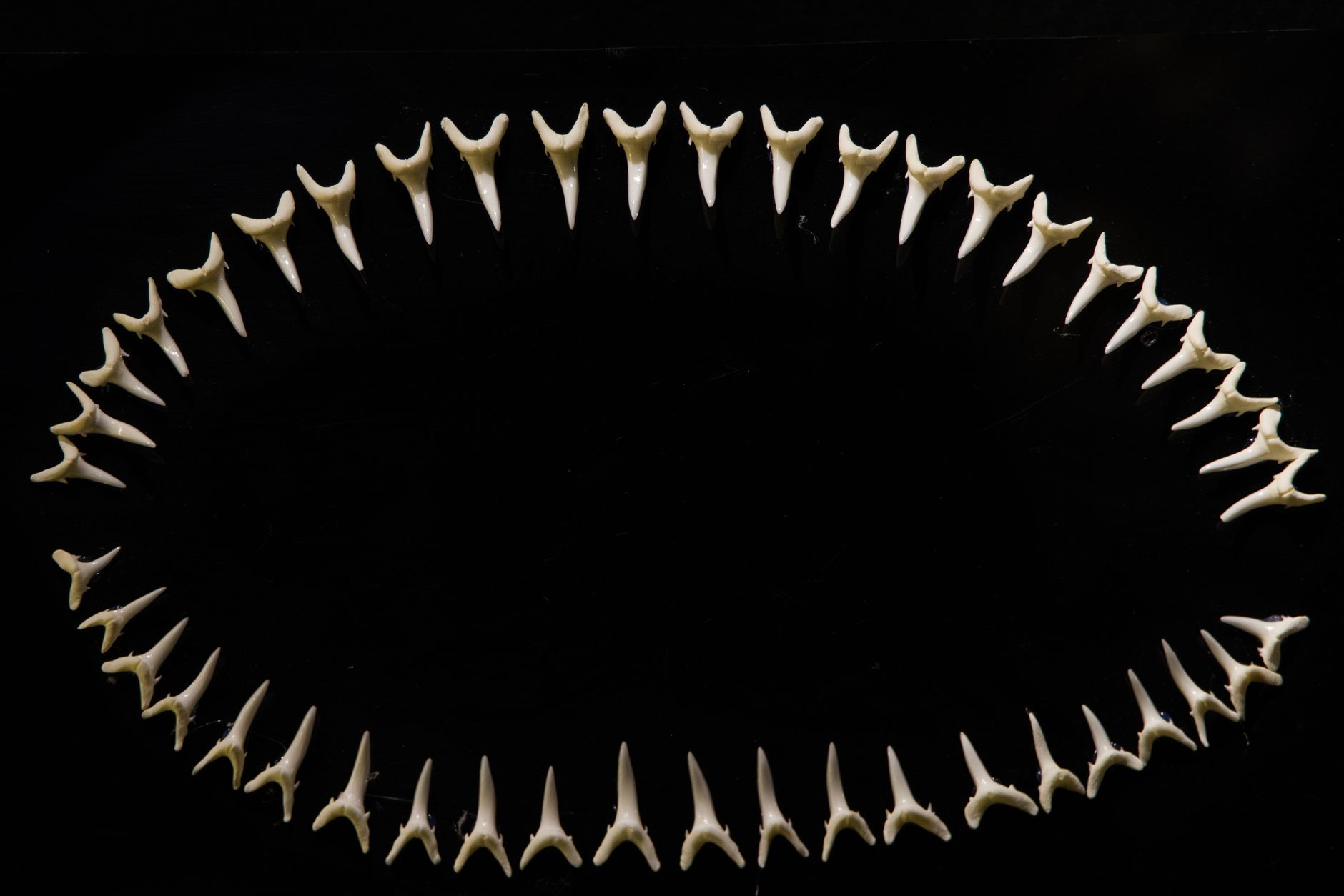
Identifying a shark tooth can be tricky, especially for beginners. Understanding the basic morphology of shark teeth and familiarizing yourself with common species is essential.
-
Key Features:
- Shape: Most shark teeth are triangular, but variations exist depending on the species and position in the jaw.
- Serrations: Serrated edges are common in many shark species, aiding in tearing flesh.
- Root: The root is the portion of the tooth that was embedded in the jaw. It can vary in shape and size.
- Color: Shark teeth come in a variety of colors, depending on the minerals they have absorbed from the surrounding sediment.
-
Common Types:
- Megalodon: These massive teeth, belonging to the extinct Carcharocles megalodon, are highly sought after.
- Great White: Teeth from the modern Great White shark (Carcharodon carcharias) are characterized by their broad, triangular shape and serrated edges.
- Tiger Shark: Tiger shark (Galeocerdo cuvier) teeth are typically wider and more curved than Great White teeth.
- Lemon Shark: Lemon shark (Negaprion brevirostris) teeth are slender and lack serrations.
Ethical Considerations: Preserving the Past
While collecting shark teeth is a fascinating hobby, it’s important to do so responsibly and ethically.
- Respect Private Property: Obtain permission before searching on private land.
- Follow Local Regulations: Be aware of any rules or restrictions on fossil collecting in the area.
- Leave No Trace: Pack out any trash and minimize your impact on the environment.
- Consider Conservation: Avoid collecting excessively rare or scientifically significant specimens.
- Report Important Finds: If you discover a particularly rare or unusual fossil, consider reporting it to a local museum or university.
FAQs: Deeper Insights into Shark Tooth Hunting
Are shark teeth always black?
While many shark teeth are black or dark brown, this is due to the absorption of minerals like iron and manganese from the surrounding sediment. Colors can vary depending on the specific minerals present, ranging from white and gray to tan and even shades of blue and green.
What kind of environments are most conducive to finding shark teeth?
Where are shark teeth usually found? Coastal areas with a history of sedimentation and erosion are the most promising. Beaches, riverbeds, and construction sites that expose fossil-rich layers are prime locations.
How old are the shark teeth that are typically found?
The age of shark teeth varies depending on the location, but most found are from the Miocene and Pliocene epochs, dating back between 2.6 and 23 million years. However, you can find teeth from younger or older periods as well.
Is it legal to collect shark teeth on beaches?
In most cases, collecting shark teeth on public beaches is legal for personal use. However, it’s crucial to check local regulations regarding permits or restrictions, especially in protected areas or state parks.
Can you find shark teeth in freshwater?
While most shark teeth are found in marine environments, it’s possible to find them in freshwater if the area was once a marine or estuarine environment. Riverbeds that flow through fossil-rich sediments are the most likely places to find them.
What is the rarest type of shark tooth to find?
The rarity of a shark tooth depends on its size, condition, and species. Megalodon teeth are generally considered rare due to their size and popularity. Teeth from extinct or less common shark species are also highly prized.
What tools are best for finding shark teeth?
A sand sifter, small shovel, and magnifying glass are all useful tools. A good eye and patience are also essential.
How do I clean shark teeth after finding them?
Gently scrub the teeth with a soft brush and water. For more stubborn dirt, a diluted vinegar solution can be used. Avoid using harsh chemicals or abrasive cleaners, as they can damage the enamel.
What is the value of a shark tooth?
The value of a shark tooth depends on its size, condition, species, and rarity. Megalodon teeth in excellent condition can fetch thousands of dollars, while smaller, more common teeth may only be worth a few dollars.
Can I find a Megalodon tooth?
Yes, Megalodon teeth can be found in areas where sediments from the Miocene and Pliocene epochs are exposed, particularly along the Atlantic and Gulf Coasts of the United States. Florida, South Carolina, and North Carolina are known for producing Megalodon teeth.
What do I do if I find a really large or unique shark tooth?
Consider contacting a local museum or university. They may be interested in examining the tooth for scientific purposes and can provide information about its significance.
Are there guided shark tooth hunting tours?
Yes, many companies offer guided shark tooth hunting tours, especially in areas like Florida and South Carolina. These tours can be a great way to learn about the best locations and techniques for finding shark teeth. They offer expert guidance and can increase your chances of success.