

Where Are Mink in the UK? The Current Distribution and Impact
Mink, an invasive species in the UK, are now widespread across most of mainland Britain, particularly near waterways, though localized eradication efforts have achieved some success in specific areas. Understanding where are mink in the UK is crucial for managing their impact on native wildlife.
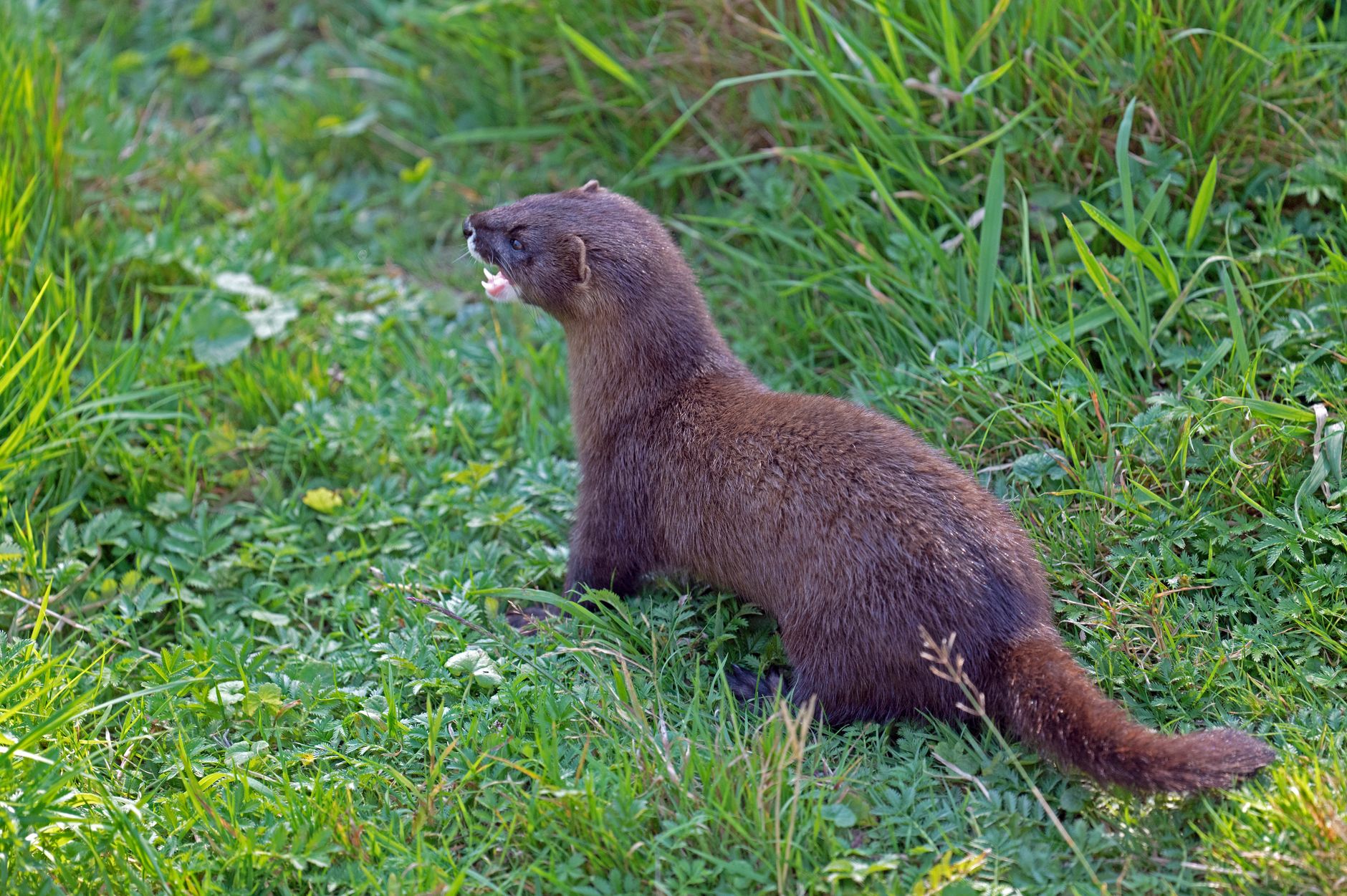
Introduction: The Mink’s UK Story
The American mink (Neovison vison) is not native to the UK. Brought over for fur farming in the 20th century, escapes and deliberate releases led to their establishment in the wild. Their adaptability and predatory nature have made them a significant threat to native species, particularly water voles and ground-nesting birds. The question of where are mink in the UK is therefore not just academic; it’s fundamental to conservation efforts.

What colours are fish most attracted to?
Can you put your finger in a trout's mouth?
Is methylene blue anti bacterial?
Does aquarium salt raise pH in aquarium?
Historical Distribution and Spread

Initially, mink populations were concentrated near fur farms. However, they rapidly expanded their range, colonizing almost all of mainland Britain by the late 20th century. Their semi-aquatic lifestyle allows them to thrive in a variety of habitats, from rivers and streams to coastal areas and even urban waterways.
Current Distribution Patterns
Despite localized control programs, mink remain widespread. The following are key aspects of their current distribution:
- Widespread Presence: Found throughout most of mainland Britain.
- Waterway Dependence: Typically observed near rivers, streams, lakes, and coastal areas.
- Regional Variations: Some regions, such as parts of Scotland and East Anglia, have seen more effective control efforts.
- Urban Adaptability: Increasingly observed in urban waterways and parks.
Impact on Native Wildlife
The introduction of mink has had devastating consequences for many native species. They are opportunistic predators with a broad diet, including:
- Water Voles: A primary prey species, leading to drastic population declines.
- Ground-Nesting Birds: Including wading birds and waterfowl.
- Fish: Affecting fish populations in rivers and lakes.
- Amphibians: Such as frogs and newts.
Mitigation and Control Efforts
Various strategies have been employed to control mink populations and mitigate their impact. These include:
- Trapping: Using specialized traps to capture and remove mink.
- Habitat Management: Altering habitats to make them less suitable for mink.
- Biological Control: Researching potential biological control methods.
Understanding Population Dynamics
Understanding the population dynamics of mink is crucial for effective management. Key factors include:
- Breeding Season: Typically occurs in early spring.
- Litter Size: Average litter size is 4-6 kits.
- Dispersal: Young mink disperse from their natal areas in the autumn.
- Mortality Rates: Influenced by factors such as food availability, predation, and disease.
Regional Success Stories
While the overall picture is challenging, some regions have seen notable success in controlling mink populations.
- River Avon Otter Project: Demonstrated that restoring otter populations can help control mink numbers.
- Hebridean Mink Project: Successfully eradicated mink from the Outer Hebrides, protecting vulnerable bird populations.
| Region | Control Method | Outcome |
|---|---|---|
| River Avon | Otter Restoration | Reduced mink populations, improved water vole numbers |
| Outer Hebrides | Trapping | Complete eradication of mink, protecting bird populations |
Future Challenges and Strategies
Continued efforts are needed to control mink populations and protect native wildlife. Key challenges include:
- Resource Limitations: Control programs require significant resources.
- Public Awareness: Raising public awareness of the impacts of mink.
- Long-Term Sustainability: Ensuring that control efforts are sustainable in the long term.
The Role of Citizen Science
Citizen science can play an important role in monitoring mink populations and informing control efforts. This includes:
- Reporting Sightings: Encouraging the public to report mink sightings.
- Participating in Surveys: Contributing to organized surveys of mink populations.
Conclusion: A Persistent Threat
Despite ongoing control efforts, mink remain a significant threat to native wildlife in the UK. Understanding where are mink in the UK and implementing effective management strategies is crucial for protecting biodiversity. Continuous monitoring, research, and public engagement are essential for achieving long-term success.
Frequently Asked Questions (FAQs)
How did mink get to the UK in the first place?
Mink were introduced to the UK primarily for fur farming in the 20th century. Escapes and deliberate releases from these farms led to the establishment of feral populations. This human-mediated introduction is a classic example of how invasive species can become established and cause ecological harm.
Are mink dangerous to humans?
Mink are generally not dangerous to humans. They are relatively small predators and are unlikely to attack unless provoked or cornered. However, they can carry diseases, so it’s best to avoid direct contact.
What is the impact of mink on water vole populations?
The impact of mink on water vole populations has been devastating. Mink are efficient predators of water voles, and their introduction has been a major factor in the dramatic decline of water vole populations across the UK. In many areas, water voles have disappeared entirely due to mink predation.
What are the main methods used to control mink populations?
The main method used to control mink populations is trapping. Specialized traps are set in areas where mink are known to be present. These traps are designed to capture mink without harming other wildlife. In some areas, habitat management and other methods are also used.
How can I identify a mink?
Mink are relatively small, semi-aquatic mammals with a long, slender body and a bushy tail. They are typically dark brown or black in color. They can be distinguished from other similar animals, such as otters, by their smaller size and less flattened tail.
Are there any areas in the UK where mink have been eradicated?
Yes, there have been some successful mink eradication programs in certain areas of the UK, particularly on islands. The Hebridean Mink Project, for example, successfully eradicated mink from the Outer Hebrides.
What is the role of otters in controlling mink populations?
Otters can help control mink populations through competition and predation. Otters are larger and more dominant predators, and they can outcompete mink for resources. In some cases, otters may also prey on mink.
What can I do if I see a mink?
If you see a mink, you can report the sighting to your local wildlife trust or conservation organization. Reporting sightings helps to track mink populations and inform control efforts.
Are mink protected under UK law?
Mink are not protected under UK law. As an invasive species, they can be legally controlled or removed. This lack of protection reflects the significant ecological damage they cause.
What is the best habitat for mink?
Mink thrive in semi-aquatic habitats such as rivers, streams, lakes, and coastal areas. They prefer areas with dense vegetation that provides cover and shelter. These varied habitats contribute to the problem of where are mink in the UK because they are widespread.
How do mink affect fish populations?
Mink can have a negative impact on fish populations, particularly smaller fish species. They are opportunistic predators and will readily prey on fish if they are available.
What is being done to prevent future introductions of invasive species like mink?
Efforts to prevent future introductions of invasive species include stricter regulations on the importation and ownership of non-native animals. Biosecurity measures are also being implemented to prevent the accidental introduction of invasive species through trade and travel. This includes educating the public about the risks associated with releasing non-native animals into the wild.