
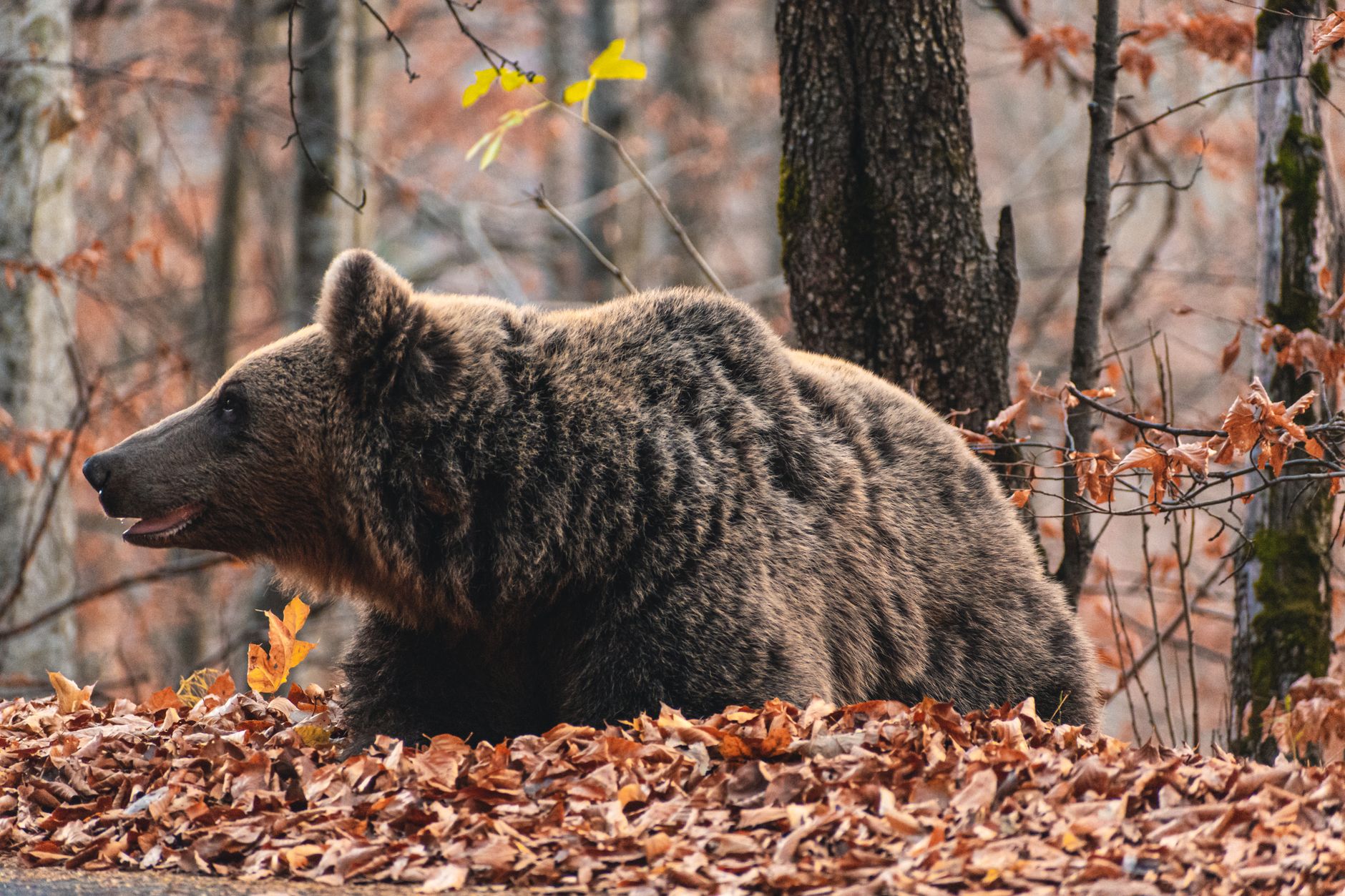
What’s the Largest Brown Bear Ever Recorded? Unveiling the Colossus
The largest brown bear ever recorded was a male Kodiak bear that weighed in at an astonishing 2,500 pounds and stood 12 feet tall on its hind legs, making it a true behemoth of the ursine world. This legendary specimen serves as a benchmark for the sheer size these apex predators can achieve.

The Allure of Gigantism in Brown Bears
Brown bears, also known as grizzly bears and Kodiak bears, are among the largest terrestrial predators on Earth. The largest brown bear ever recorded captures our imagination, sparking curiosity about the factors that contribute to such extraordinary size. Understanding these factors allows us to appreciate the ecological role of these magnificent creatures and the challenges they face in a changing world.

What colours are fish most attracted to?
Can you put your finger in a trout's mouth?
Is methylene blue anti bacterial?
Does aquarium salt raise pH in aquarium?
Factors Influencing Brown Bear Size

Several key factors contribute to the impressive size variations observed in brown bear populations:
- Genetics: Genetics play a significant role in determining the potential size of a bear. Some populations, like the Kodiak bears, have a genetic predisposition for larger size.
- Diet: A nutrient-rich diet is crucial for growth. Coastal brown bears, with access to abundant salmon runs, tend to grow larger than inland bears with less consistent food sources.
- Environment: Environmental factors, such as climate and habitat availability, can influence food availability and overall health, impacting growth rates.
- Age: Brown bears continue to grow throughout their lives, although growth slows significantly after reaching maturity. Older bears generally attain the largest sizes.
Identifying the Champion: The Kodiak Bear and the Largest Individual
While grizzly bears can attain impressive sizes, Kodiak bears (Ursus arctos middendorffi), a subspecies found exclusively on the Kodiak Archipelago in Alaska, are generally considered the largest brown bear subspecies. They benefit from a rich marine environment and an abundance of salmon, allowing them to pack on weight and reach enormous sizes.
The largest brown bear ever recorded, as mentioned previously, was a Kodiak bear. Official records indicate that it tipped the scales at approximately 2,500 pounds and measured a staggering 12 feet tall when standing upright. While undocumented reports and anecdotal evidence exist of larger bears, this individual remains the officially recognized record holder.
The Importance of Accurate Measurement and Verification
It is crucial to note the difficulty in accurately measuring wild bears. Estimating weight and height can be challenging, and claims of record-breaking size often lack verifiable evidence. Scientifically validated measurements, photographs, and other data are essential for confirming the size and weight of these impressive animals. This makes confirming who is truly What’s the largest brown bear ever recorded? a challenge.
| Measurement Type | Challenges | Importance |
|---|---|---|
| Weight | Estimating accurately in the wild | Reflects overall health and resource access |
| Height | Variable stance, skeletal growth | Provides a size comparison metric |
The Future of Brown Bears and the Potential for Gigantism
Climate change and habitat loss pose significant threats to brown bear populations worldwide. As these magnificent animals face increasing challenges in finding adequate food and suitable habitat, their overall size and health could be impacted. Conservation efforts are crucial to ensuring the survival of brown bears and preserving their potential for gigantism. If not protected, we might never know What’s the largest brown bear ever recorded? in the future.
Conservation Efforts: Protecting the Giants
Supporting organizations dedicated to brown bear conservation is critical. These efforts include:
- Habitat preservation: Protecting critical habitats from development and resource extraction.
- Conflict mitigation: Implementing strategies to reduce human-bear conflict, such as bear-resistant food storage and education programs.
- Research and monitoring: Studying bear populations to understand their needs and track their response to environmental changes.
Frequently Asked Questions (FAQs)
What is the difference between a brown bear and a grizzly bear?
Brown bear is a broad term that encompasses several subspecies, including the grizzly bear. Grizzly bears are typically found inland, while other brown bear subspecies, such as the Kodiak bear, inhabit coastal regions. While their habitats differ, they are fundamentally the same species and are able to interbreed.
How much does the average adult brown bear weigh?
The weight of an adult brown bear varies significantly depending on the subspecies, location, and time of year. On average, male grizzly bears weigh between 300 and 850 pounds, while female grizzly bears weigh between 200 and 450 pounds. Kodiak bears are typically larger, with males averaging 1,000 to 1,400 pounds.
How tall can a brown bear stand on its hind legs?
A brown bear’s height when standing on its hind legs can be impressive. Grizzly bears can reach up to 8 feet tall, while Kodiak bears can stand as tall as 10 to 12 feet, as mentioned when discovering What’s the largest brown bear ever recorded?.
What do brown bears eat?
Brown bears are omnivores with a highly varied diet. They consume a wide range of foods, including berries, roots, insects, fish (especially salmon), and mammals. The specific composition of their diet depends on the availability of food resources in their habitat.
How long do brown bears live?
Brown bears typically live for 20 to 30 years in the wild. However, some individuals may live longer, especially in protected areas with abundant resources.
Where are brown bears found in the world?
Brown bears are found in North America, Europe, and Asia. Their range has significantly decreased due to habitat loss and human persecution.
Are brown bears dangerous to humans?
Brown bears are powerful animals and can be dangerous if provoked or surprised. However, attacks on humans are relatively rare. It is important to practice bear safety guidelines, such as making noise while hiking and carrying bear spray.
What is the lifespan of brown bears in captivity?
Brown bears in captivity often live longer than their wild counterparts, potentially reaching ages of 30 to 40 years or more. This is primarily due to consistent food availability, veterinary care, and protection from predators and other environmental hazards.
How fast can brown bears run?
Brown bears are surprisingly fast runners, capable of reaching speeds of up to 35 miles per hour over short distances.
How much food can a brown bear eat in a day?
During periods of hyperphagia (excessive eating) in preparation for winter hibernation, brown bears can consume tens of thousands of calories per day. They need to build up substantial fat reserves to survive the winter months without eating.
What role do brown bears play in their ecosystem?
Brown bears are apex predators and play a crucial role in maintaining the health and balance of their ecosystems. They help regulate populations of other animals, disperse seeds, and recycle nutrients through their foraging activities.
What are some threats to brown bear populations?
Major threats to brown bear populations include habitat loss, human-caused mortality (hunting, poaching, and vehicle collisions), and climate change. Conservation efforts are essential to mitigating these threats and ensuring the long-term survival of brown bears. To protect the species and see What’s the largest brown bear ever recorded? in the future, these efforts need to be continued.