

What’s the Best Thing to Feed Deer?
The best thing to feed deer, when supplemental feeding is absolutely necessary, is a carefully formulated commercial deer feed that mimics their natural diet, especially during periods of nutritional stress. Specifically, high-quality deer feed pellets designed to support antler growth, lactation, and overall health are recommended.

Understanding Deer Nutrition
Deer, specifically white-tailed deer ( Odocoileus virginianus), are ruminants with complex digestive systems adapted to forage on a variety of plants. Their diet naturally changes throughout the year depending on seasonal availability. Understanding these dietary needs is crucial before considering any supplemental feeding program. What’s the best thing to feed deer? It all starts with knowledge.
- Spring & Summer: Focus on lush green vegetation, forbs, and new growth.
- Fall: Emphasis shifts to hard mast (acorns, beechnuts), soft mast (fruits), and remaining green vegetation.
- Winter: Rely on browse (twigs, buds), evergreen foliage, and stored energy reserves.
Supplemental feeding, while sometimes tempting, should only be considered when natural food sources are scarce, such as during severe winters or prolonged droughts. It’s imperative to supplement responsibly, as improper feeding can lead to various health problems and ecological imbalances.

What colours are fish most attracted to?
Can you put your finger in a trout's mouth?
Is methylene blue anti bacterial?
Does aquarium salt raise pH in aquarium?
The Risks of Improper Feeding
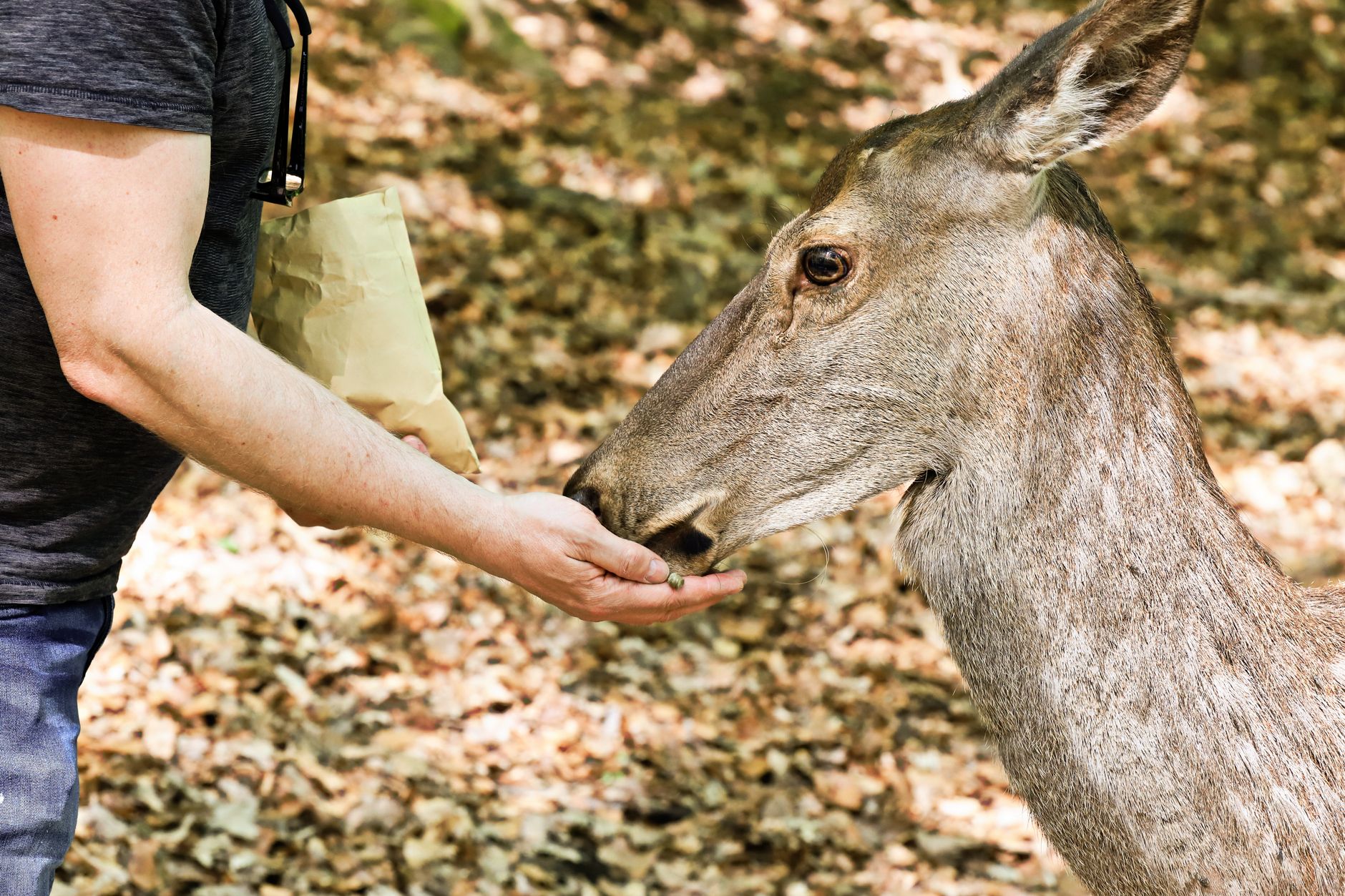
Indiscriminately feeding deer can cause significant harm. Here’s why:
- Rumen Acidosis: Deer are adapted to digest fibrous plant matter slowly. Sudden access to large quantities of carbohydrates (like corn) can disrupt their gut flora, leading to a fatal condition called rumen acidosis.
- Nutritional Imbalances: Feeding a single type of food, even if seemingly nutritious, can create imbalances. Deer require a specific ratio of protein, carbohydrates, fats, and minerals for optimal health.
- Disease Transmission: Concentrating deer in feeding areas increases the risk of spreading diseases like chronic wasting disease (CWD).
- Dependence and Altered Behavior: Deer may become overly reliant on supplemental food, leading to decreased foraging behavior and increased competition around feeding sites.
- Habitat Damage: Overgrazing around feeding sites can damage the surrounding vegetation.
Formulated Deer Feed: A Safer Alternative
If supplemental feeding is deemed necessary, a commercially formulated deer feed is significantly safer and more beneficial than offering single-source foods like corn or table scraps. These feeds are designed to meet the specific nutritional requirements of deer at different life stages.
- Benefits:
- Provides a balanced diet tailored to deer needs.
- Reduces the risk of rumen acidosis compared to corn.
- May contain additives to support antler growth, immune function, and overall health.
- Helps deer maintain body condition during periods of food scarcity.
- Key Ingredients:
- Protein (typically 16-20%): Essential for muscle growth, antler development, and lactation.
- Fiber: Promotes healthy digestion.
- Fat: Provides energy.
- Minerals (calcium, phosphorus, selenium, etc.): Crucial for bone development, immune function, and reproduction.
- Vitamins (A, D, E): Support overall health and immune function.
Best Practices for Supplemental Feeding
Even with formulated feed, responsible feeding practices are crucial:
- Timing: Start feeding before deer are in poor condition. Begin supplementing in late fall or early winter when natural food sources begin to decline.
- Quantity: Provide only the amount of feed that deer can consume in a reasonable time frame (e.g., 1-2 days). Avoid overfeeding.
- Location: Choose feeding sites that are well-drained, protected from the elements, and located away from roads. Space out feeding stations to reduce crowding and disease transmission.
- Type of Feeder: Use feeders that protect the feed from weather and prevent waste. Gravity feeders and trough feeders are common options. Consider using deer lick blocks as another supplement.
- Gradual Introduction: Introduce new feeds gradually to allow deer to adjust their digestive systems. Mix the new feed with existing food sources (if available) before transitioning completely.
- Monitor Deer Condition: Observe deer behavior and body condition regularly. Adjust feeding practices as needed.
- Cease Feeding: Gradually reduce and eventually discontinue feeding once natural food sources become abundant in the spring.
Comparing Feeding Options
| Feed Type | Pros | Cons | Suitability |
|---|---|---|---|
| Corn | Readily available, inexpensive. | High risk of rumen acidosis, nutritional imbalances, promotes obesity. | Not Recommended |
| Formulated Feed | Balanced nutrition, reduced risk of acidosis, supports specific needs. | More expensive than corn, requires careful selection and responsible use. | Recommended (if done responsibly) |
| Alfalfa Hay | Good source of fiber and protein. | Can be expensive, may contain molds if not stored properly. | Acceptable, in moderation |
| Table Scraps | Readily available, free. | Unbalanced nutrition, potentially harmful ingredients, promotes dependence. | Not Recommended |
| Native Plants/Browse | Natural diet, promotes healthy foraging behavior. | Availability varies seasonally, may be insufficient during winter. | Best Option (when available) |
What’s the best thing to feed deer? A diverse and naturally available food source is always ideal, but when necessary, commercially formulated deer feed is the safest and most nutritionally beneficial supplement.
Frequently Asked Questions (FAQs)
Why is corn bad for deer?
Corn is high in carbohydrates but low in fiber and other essential nutrients. Overconsumption of corn can lead to rumen acidosis, a potentially fatal condition caused by a rapid shift in the deer’s gut pH.
Can I feed deer apples?
Apples are acceptable in small quantities as an occasional treat. However, they should not be the primary source of food, as they are high in sugar and lack essential nutrients. Overfeeding apples can also lead to digestive upset.
Is it legal to feed deer in my state?
Feeding regulations vary significantly by state. Some states prohibit feeding deer altogether due to concerns about disease transmission and habitat degradation. Always check your local regulations before engaging in any supplemental feeding activity.
How do I know if deer are starving?
Signs of starvation in deer include visible ribs, a sunken appearance, lethargy, and difficulty moving. However, winter coats can sometimes mask a deer’s true condition. Consult with a wildlife professional if you suspect deer are starving.
What is chronic wasting disease (CWD)?
CWD is a fatal neurological disease that affects deer, elk, and moose. It is spread through direct contact with infected animals or through contaminated environments. Concentrating deer at feeding sites can increase the risk of CWD transmission.
When is the best time to start feeding deer?
The best time to start feeding deer is late fall or early winter, before deer are in poor condition. This allows them to gradually adjust to the supplemental feed and build up their energy reserves before the coldest months.
How much food should I give deer?
The amount of food to provide depends on the number of deer in the area and the availability of natural food sources. Start with a small amount and gradually increase it as needed. Avoid overfeeding.
Can I feed deer bread?
Bread is not a suitable food for deer. It offers little nutritional value and can disrupt their digestive system. Similar to corn, it can cause rumen issues and should be avoided.
Are mineral licks beneficial for deer?
Mineral licks can provide essential minerals that may be lacking in the deer’s natural diet, particularly during antler growth and lactation. Choose a mineral lick formulated specifically for deer. Ensure access to fresh water is also available.
How can I attract deer to my property without feeding them?
Planting native trees, shrubs, and forbs that provide food and cover for deer is a sustainable and beneficial way to attract them to your property. This encourages natural foraging behavior and avoids the risks associated with supplemental feeding.
What are the alternatives to feeding deer?
Alternatives to feeding deer include habitat management practices such as thinning forests to promote browse growth, creating food plots with native plants, and protecting existing food sources from overgrazing. These methods support the entire ecosystem.
Can feeding deer make them more vulnerable to predators?
Yes, concentrating deer at feeding sites can make them more vulnerable to predators, such as coyotes and wolves. Predators may learn to associate feeding sites with an easy meal, increasing the risk of predation for deer.