
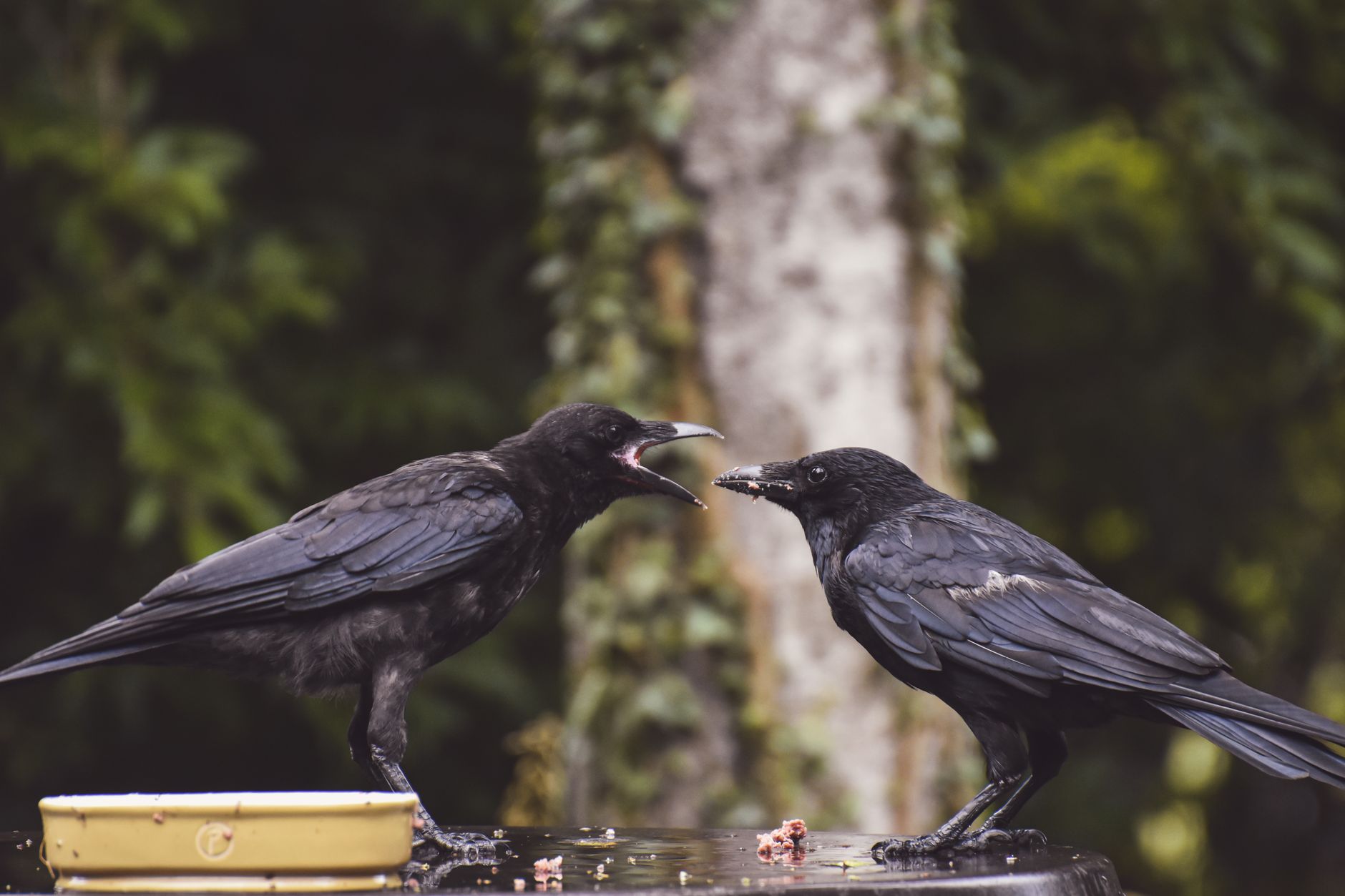
What’s a Crowd of Crows Called? Delving into Corvid Collective Nouns
A group of crows is most commonly known as a murder, but other terms like a congress, host, or storytelling can also be used. This article explores the fascinating origins and nuances of these collective nouns.

The Enigmatic Appeal of Collective Nouns
Collective nouns, also known as terms of venery, are wonderfully quirky words used to describe groups of animals. While a flock of birds or a herd of cows are relatively straightforward, some collective nouns offer a more evocative, even whimsical, image. These unique terms speak to the inherent characteristics or perceived behaviors of the animals they describe. What’s a crowd of crows called? The answer is a prime example of this intriguing linguistic phenomenon.

What colours are fish most attracted to?
Can you put your finger in a trout's mouth?
Is methylene blue anti bacterial?
Does aquarium salt raise pH in aquarium?
Why ‘Murder’ is the Dominant Term
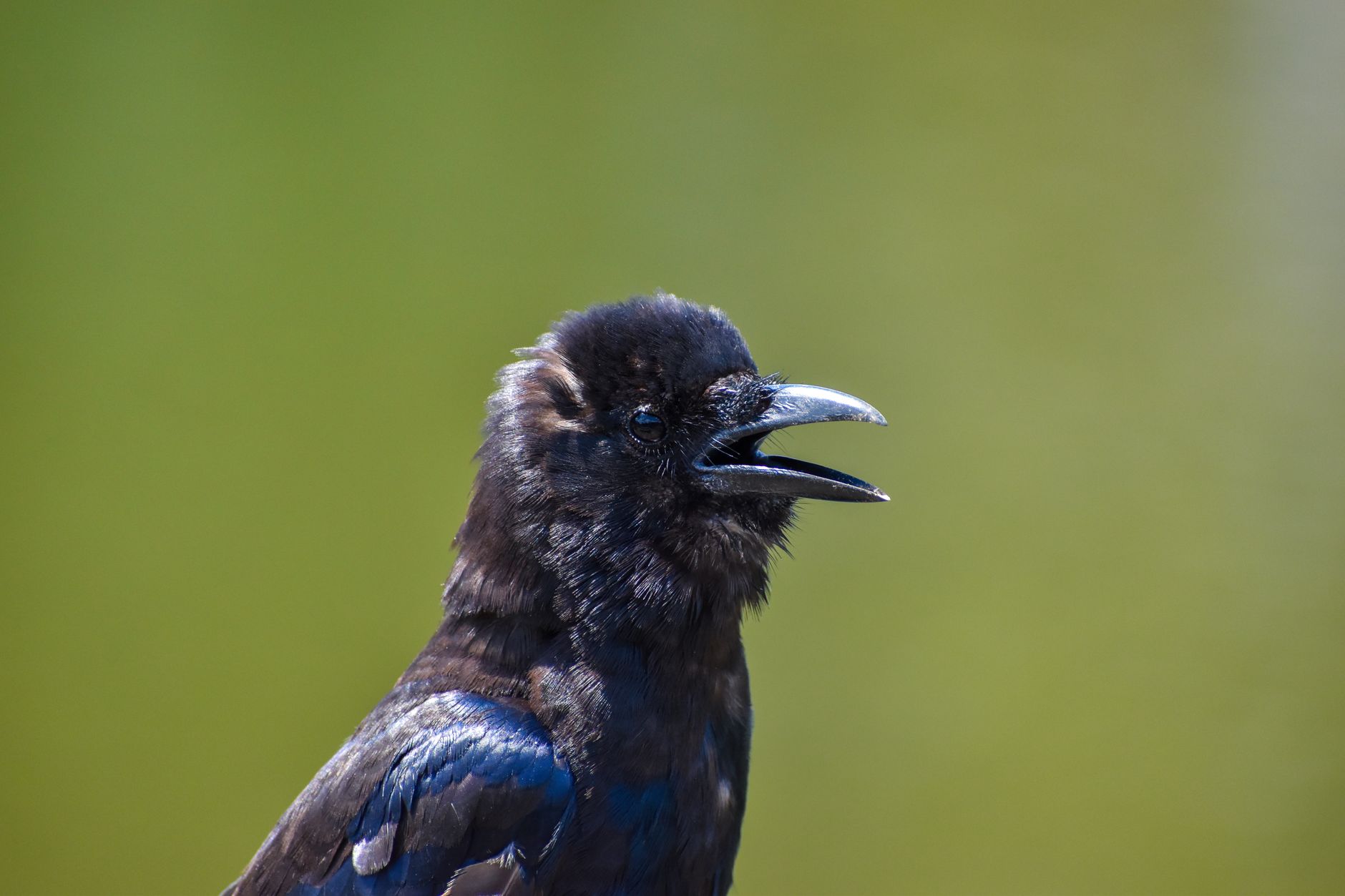
The term “murder” to describe a group of crows has been around for centuries, with its origins deeply rooted in folklore and superstition. Crows have often been associated with ill omens, death, and bad luck in many cultures. This dark reputation likely contributed to the association of a group of crows with the grim word “murder.”
However, the association might also stem from the observed behavior of crows themselves. Crows are intelligent and opportunistic birds, and they have been known to engage in acts that could be interpreted as “murderous” within their own species, such as mobbing weaker individuals or competing intensely for resources. Whether based on superstition or perceived behavior, the term “murder” remains the most widely recognized answer to the question, What’s a crowd of crows called?
Other, Less Common Collective Nouns
While “murder” is the most prevalent term, other collective nouns for crows exist, reflecting different perspectives on these intelligent birds.
- Congress: This term suggests a gathering of wise and perhaps even deliberative individuals, highlighting the corvid intelligence and complex social structures. Crows are known for their problem-solving abilities and their intricate communication systems, making “congress” a surprisingly apt description.
- Host: A “host” of crows might refer to the large numbers in which they sometimes gather, especially during migration or in roosting sites.
- Storytelling: This is one of the most evocative and newer terms used. Because crows are well known for being very intelligent birds with complex communication systems, it lends itself to the idea that crows are somehow “telling stories” when they are in large groups.
The Evolving Language of Collective Nouns
It’s important to remember that collective nouns are, in many ways, fluid and subject to change over time. New terms may emerge, old terms may fall out of favor, and regional variations can exist. While “murder” currently reigns supreme, the other terms offer valuable insights into the multifaceted perceptions of these intelligent and often misunderstood birds. So, when asked What’s a crowd of crows called?, remember the richness and depth of the answer.
The Intelligence of Crows
Crows are exceptionally intelligent creatures. They exhibit problem-solving skills comparable to those of primates, using tools and even crafting them from available materials. They possess a complex social structure, sophisticated communication systems, and remarkable memory. Their intelligence is a significant factor in how humans perceive and describe them, contributing to the variety of collective nouns used.
Crow Behavior and Social Structure
Crows live in complex social groups, often centered around family units. They cooperate in raising young, defending territory, and foraging for food. They have been observed displaying empathy and even holding “funerals” for their dead. Their social complexity mirrors human societies in many ways, adding another layer to the fascination surrounding these birds. Understanding their behavior helps contextualize the use of terms like “congress” or “storytelling” to describe a group of them.
Frequently Asked Questions (FAQs) About Crows and Their Collective Nouns
Why is ‘murder’ such a dark term for a group of crows?
The association of crows with death, bad luck, and ill omens in various cultures has led to the use of the term “murder.” In the Middle Ages, crows were often seen scavenging on battlefields and were associated with death and decay. This dark imagery solidified the connection between crows and the word “murder” in the popular imagination.
Are there regional differences in the terms used for a group of crows?
While “murder” is widely recognized, regional variations may exist, with some communities preferring other terms like “congress” or “host.” However, documented evidence for widespread regional variations is limited, and “murder” remains the dominant term globally.
Do other birds have collective nouns with negative connotations?
Yes, several other bird species have collective nouns with negative connotations, such as a dissimulation of birds or a unkindness of ravens. This reflects the historical tendency to project human anxieties and fears onto the natural world.
Is it accurate to use any of the collective nouns for crows, or is ‘murder’ the only correct one?
While “murder” is the most widely accepted and recognized term, the other collective nouns like “congress,” “host,” or “storytelling” are also technically correct and reflect different aspects of crow behavior and perception. The best term to use depends on the context and the desired effect.
How many crows are typically in a “murder”?
There’s no specific number that defines a “murder” of crows. It can refer to any group of crows, from a small family unit to a large flock.
Do crows actually “murder” each other?
While crows are not necessarily murderers in the human sense, they have been observed engaging in behaviors that could be interpreted as such, such as mobbing weaker individuals or competing fiercely for resources. However, this behavior is more about survival and competition than about intentional malice.
Are crows considered pests?
In some areas, crows can be considered pests due to their tendency to damage crops or scavenge for food in urban areas. However, they also play a vital role in the ecosystem by controlling insect populations and dispersing seeds.
Are crows protected by law?
In the United States, crows are protected under the Migratory Bird Treaty Act, which makes it illegal to kill or harm them without a permit. This reflects a growing recognition of the ecological importance of crows.
What’s so special about crow intelligence?
Crows exhibit problem-solving skills, tool use, and complex social behavior that are comparable to those of primates. They can recognize human faces, learn from each other, and even plan for the future. This intelligence makes them fascinating subjects of scientific study.
Can crows talk?
While crows cannot speak in the same way that humans do, they have a complex communication system that includes a variety of calls, postures, and facial expressions. They can use these signals to convey information about food sources, threats, and social relationships.
How long do crows live?
Crows can live for up to 15 years in the wild and even longer in captivity. This lifespan allows them to accumulate a vast amount of knowledge and experience, contributing to their complex social structures and learning abilities.
What role do crows play in the ecosystem?
Crows play a vital role in the ecosystem by controlling insect populations, dispersing seeds, and scavenging carrion. They are also indicators of environmental health, as they are sensitive to changes in habitat and food availability. They are an integral part of the natural world. Understanding What’s a crowd of crows called? is just one small piece of understanding the amazing nature of these birds.