

What to do with a Horse That Hates the Bit?
Addressing a horse’s aversion to the bit requires patience, understanding, and a methodical approach focusing on comfort and positive reinforcement. The key to helping a horse that hates the bit is identifying the root cause of the problem and implementing a training plan that gradually rebuilds trust and confidence.

Understanding Bit Aversion in Horses
Bit aversion is a common problem faced by horse owners. A horse that dislikes the bit may exhibit a variety of behaviors, ranging from subtle resistance to outright refusal to accept the bit. Understanding the underlying reasons for this aversion is crucial for developing an effective solution.
What colours are fish most attracted to?
Can you put your finger in a trout's mouth?
Is methylene blue anti bacterial?
Does aquarium salt raise pH in aquarium?
Potential Causes of Bit Aversion
There are numerous factors that can contribute to a horse’s negative association with the bit. These can be broadly categorized as physical discomfort and negative training experiences.
- Physical Discomfort: This could stem from dental issues, such as sharp points or wolf teeth, poorly fitting tack, or mouth conformation problems.
- Negative Training Experiences: Harsh handling, inconsistent rein pressure, or excessive force can create a negative association with the bit.
- Inappropriate Bit Selection: Using a bit that is too harsh, too thick, or the wrong shape for the horse’s mouth can cause discomfort and resistance.
- Rider Inexperience: Inexperienced riders can inadvertently cause discomfort by using excessive rein pressure or giving unclear signals.
Diagnosing the Problem: A Step-by-Step Approach
What to do with a horse that hates the bit? The first step is accurate diagnosis.
- Veterinary Examination: A thorough veterinary exam, including a dental check, is essential to rule out any underlying medical conditions.
- Tack Evaluation: Ensure that the bridle and bit fit correctly and comfortably. Check for any signs of rubbing or pressure points.
- Riding Assessment: Have a knowledgeable instructor or trainer observe you riding your horse to identify any inconsistencies in your riding technique.
- Observe Behavior: Carefully observe your horse’s behavior when bitted. Note any specific actions or reactions that suggest discomfort or resistance.
- Bit Change: Experiment with different bit materials, shapes, and sizes to see if the horse shows a preference.
Addressing Physical Discomfort
If the diagnosis reveals physical discomfort, addressing these issues is paramount.
- Dental Care: Work with a qualified equine dentist to address any dental problems.
- Tack Adjustment: Ensure the bridle and bit fit correctly and comfortably. A bit fitter can provide invaluable advice.
- Bit Selection: Choose a bit that is appropriate for the horse’s mouth conformation and training level. Soft materials like rubber or sweet iron can be a good starting point.
Retraining and Rebuilding Trust
Once physical discomfort is addressed, the focus shifts to retraining and rebuilding trust. This requires patience, consistency, and a positive approach.
- Groundwork: Start with groundwork exercises to establish clear communication and build trust without the bit.
- Introduce the Bit Gradually: Start by simply introducing the bit without fastening the bridle. Allow the horse to explore it and become comfortable with its presence.
- Positive Reinforcement: Use positive reinforcement techniques, such as treats or praise, to reward the horse for accepting the bit.
- Soft Rein Pressure: When riding, use light and consistent rein pressure. Avoid jerking or pulling on the reins.
- Progress Slowly: Gradually increase the duration and intensity of your training sessions.
Common Mistakes to Avoid
Several common mistakes can exacerbate bit aversion. Avoiding these pitfalls is crucial for success.
- Using Force: Forcing the horse to accept the bit will only reinforce the negative association.
- Inconsistent Rein Pressure: Inconsistent rein pressure can confuse the horse and create anxiety.
- Ignoring Signs of Discomfort: Ignoring signs of discomfort can lead to more serious problems.
- Lack of Patience: Retraining a horse with bit aversion takes time and patience.
| Mistake | Consequence | Solution |
|---|---|---|
| Using a harsh bit | Pain, resistance, fear | Switch to a softer, more comfortable bit |
| Applying excessive rein pressure | Mouth pain, head tossing, bolting | Gentle hands, proper training, bitless options |
| Ignoring dental issues | Mouth pain, chewing difficulty, bit avoidance | Regular dental checkups and care |
| Inconsistent handling | Confusion, anxiety, lack of trust | Consistent training methods, clear communication |
| Rushing the process | Heightened anxiety, resistance, potential for injury | Take your time, gradual introduction, positive reinforcement |
Bitless Options
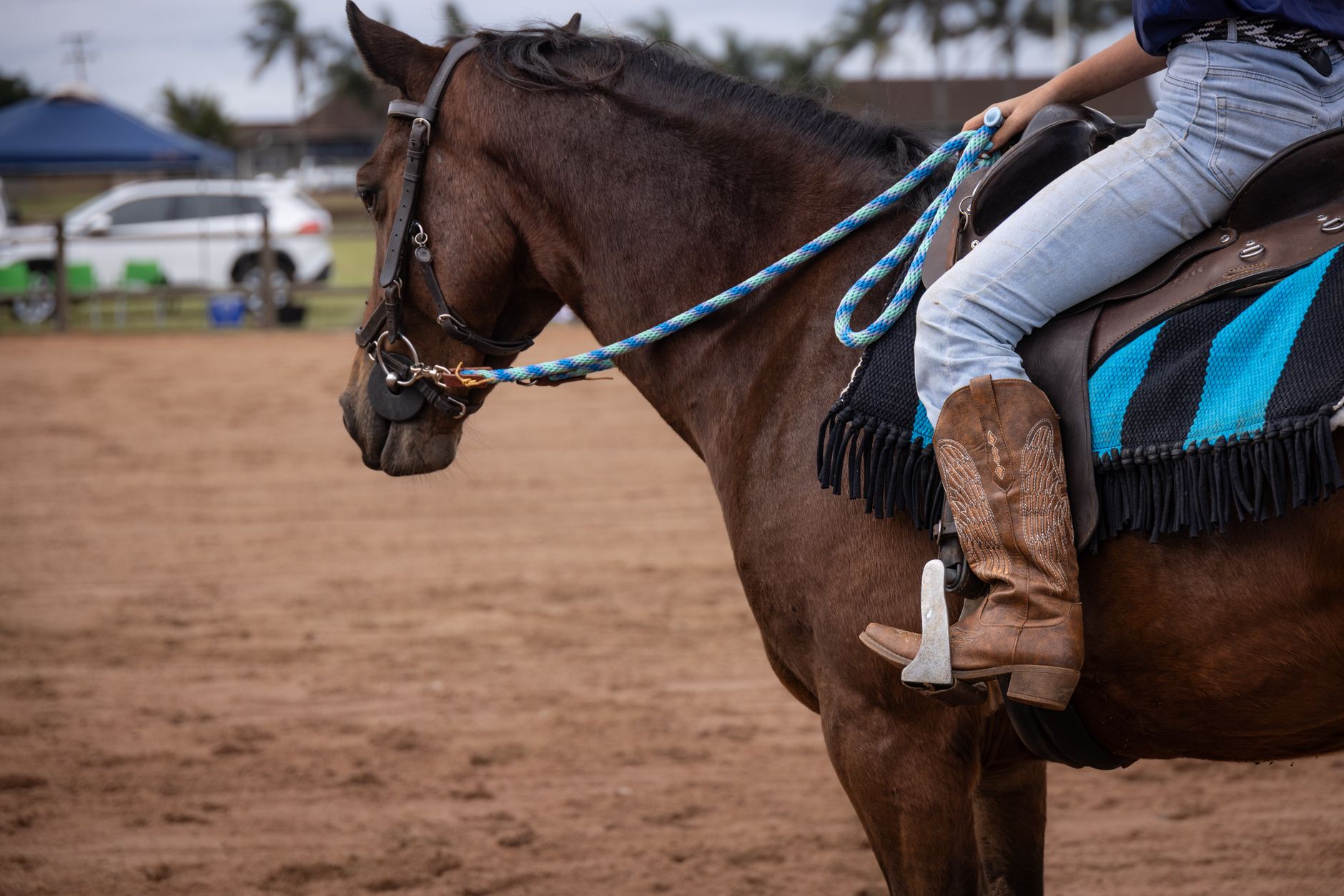
In some cases, a bitless bridle may be a suitable alternative. Bitless bridles distribute pressure differently and can be a good option for horses that are particularly sensitive or resistant to the bit. However, it’s crucial to receive proper instruction on how to use them effectively.
- Sidepull: A simple bitless bridle with direct rein action.
- Bosal: A traditional vaquero bridle that applies pressure to the nose.
- Mechanical Hackamore: A bitless bridle with leverage action.
FAQs: Deeper Insights into Bit Aversion
What are the first steps I should take if my horse suddenly starts refusing the bit?
The first step is to rule out any sudden onset of pain or discomfort. A veterinary examination, including a dental check, is crucial to ensure that there are no underlying medical issues causing the resistance. Also, check the fit of your bridle and bit immediately.
How can I tell if my bit is the right size for my horse’s mouth?
A properly fitted bit should rest comfortably in the horse’s mouth without pinching or rubbing. There should be approximately 1/4 to 1/2 inch of space between the bit ring and the corner of the horse’s mouth. Also, observe how the bit sits when the reins are engaged; it shouldn’t be pulled too high or hang too low.
Is it possible to completely eliminate bit aversion?
In many cases, yes, it is possible to significantly reduce or eliminate bit aversion through patience, consistent training, and addressing any underlying physical discomfort. However, some horses may always be more sensitive to the bit than others.
What type of bit is generally considered the most gentle for a horse with bit issues?
A smooth, unjointed snaffle bit made of a soft material like rubber or sweet iron is often a good starting point for horses with bit issues. These bits apply even pressure across the tongue and bars of the mouth, minimizing the risk of pinching or discomfort.
How important is the rider’s skill in preventing bit aversion?
The rider’s skill is extremely important. Inexperienced or heavy-handed riders can inadvertently cause discomfort and create a negative association with the bit. Seeking guidance from a qualified instructor is highly recommended.
Can a horse develop bit aversion even if it has been ridden in a bit for years?
Yes, a horse can develop bit aversion at any time. This can be due to a variety of factors, including changes in dental health, poorly fitting tack, or changes in the rider’s handling.
What are some common signs that a horse dislikes the bit?
Common signs include head tossing, mouth opening, tongue evasion, refusing to take the bit, resistance to turning, and reluctance to move forward.
How long does it typically take to retrain a horse that hates the bit?
The time it takes to retrain a horse that hates the bit varies depending on the severity of the problem and the horse’s temperament. It can take anywhere from a few weeks to several months of consistent training and patience.
Is it ever appropriate to use a bit with a horse that has severe bit aversion?
In some cases, yes, but only after addressing the underlying causes of the aversion and gradually reintroducing the bit in a positive and controlled manner. Consulting with a veterinarian, equine dentist, and experienced trainer is crucial.
Can a bitless bridle be a permanent solution for a horse that hates the bit?
For many horses, a bitless bridle can be a viable and humane alternative. However, it’s important to choose the right type of bitless bridle and learn how to use it correctly. A bitless bridle may not be suitable for all disciplines or riding situations.
Are there any specific exercises that can help a horse become more comfortable with the bit?
Yes, several exercises can help. Gentle groundwork, such as yielding to pressure from the halter and lead rope, can help establish communication and build trust. Also, using treats to reward the horse for accepting the bit can be very effective.
What if I’ve tried everything, and my horse still hates the bit?
If you’ve exhausted all options, it may be time to consider accepting that your horse is simply not comfortable with a bit. Focus on finding alternative methods of communication and control, such as bitless riding or working primarily on groundwork and liberty work. Sometimes, accepting your horse’s preferences is the kindest thing you can do. What to do with a horse that hates the bit? Sometimes, the answer is to remove it!