

What to Do With a Dead Bat? A Comprehensive Guide
Dealing with a dead bat requires careful handling to protect yourself from potential diseases. Here’s a comprehensive guide on what to do with a dead bat, focusing on safe removal and disposal, while also addressing important health considerations.

Introduction: Understanding the Risks and Responsibilities
Finding a dead bat on your property can be unsettling. While most bats are harmless, they can carry diseases such as rabies, making it crucial to handle them with caution. Knowing what to do with a dead bat protects your health and safety and potentially contributes to disease surveillance efforts.

What colours are fish most attracted to?
Can you put your finger in a trout's mouth?
Is methylene blue anti bacterial?
Does aquarium salt raise pH in aquarium?
Why Proper Handling is Crucial
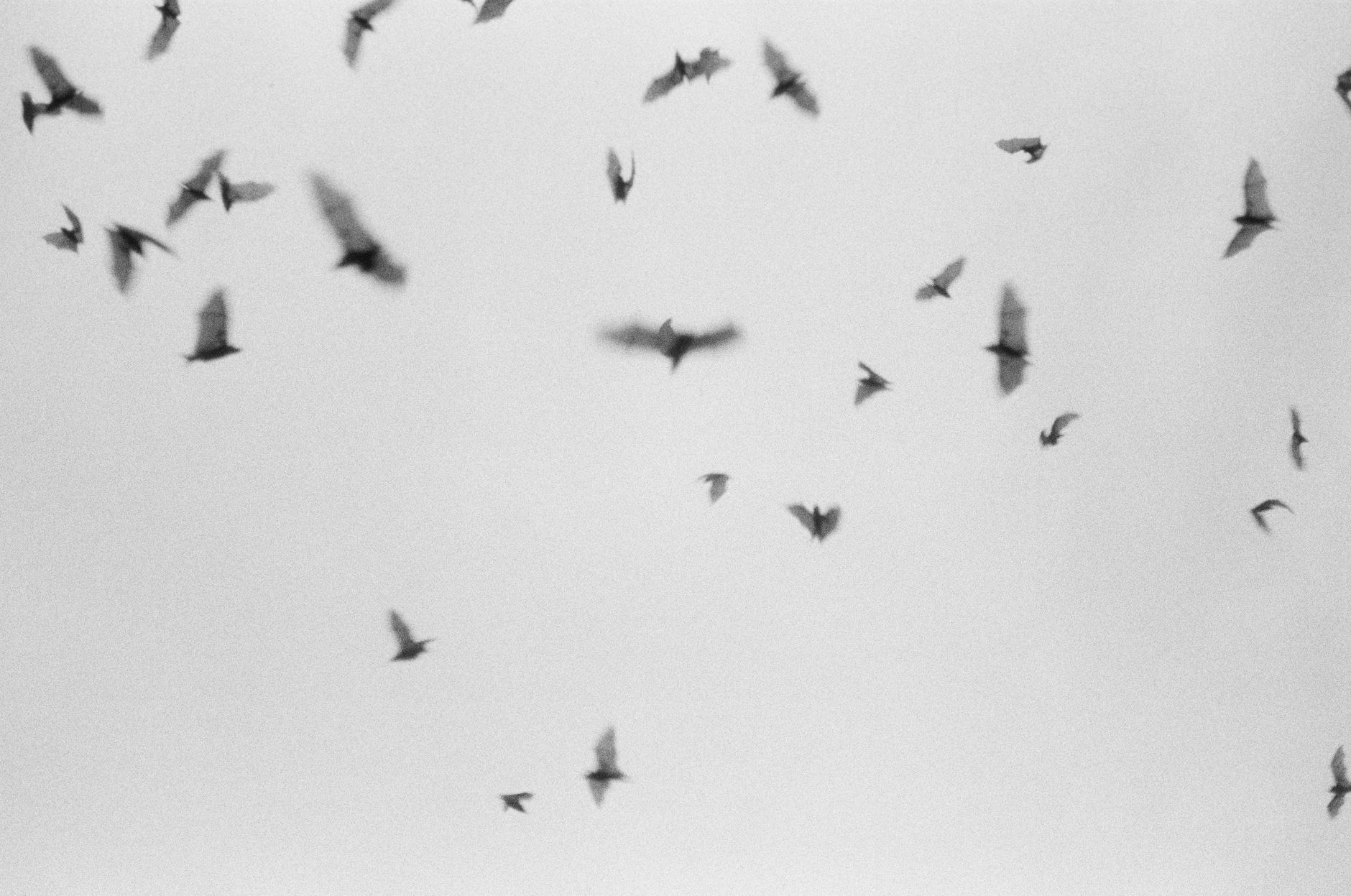
Bats play a vital role in our ecosystem, primarily by controlling insect populations. However, direct contact with bats, alive or dead, should be avoided.
- Rabies Risk: Bats are known carriers of rabies, a deadly viral disease that can be transmitted through bites or scratches.
- Histoplasmosis: This fungal infection can be contracted from bat droppings, especially in enclosed spaces like attics.
- Other Pathogens: Bats can carry other pathogens that pose risks to human health.
The Safe Removal Process: A Step-by-Step Guide
The process of safely removing and disposing of a dead bat is crucial to minimize health risks. Follow these steps carefully:
- Gather Supplies: You will need:
- Heavy-duty gloves (e.g., leather or rubber)
- A shovel or tongs
- A sealable plastic bag or container
- Disinfectant (e.g., diluted bleach solution)
- Put on Protective Gear: Always wear gloves to prevent direct contact with the bat.
- Carefully Collect the Bat: Use the shovel or tongs to gently pick up the bat. Avoid touching it directly.
- Seal the Bat: Place the bat in the plastic bag or container and seal it tightly.
- Disinfect the Area: Thoroughly disinfect the area where the bat was found using a diluted bleach solution.
- Wash Your Hands: After handling the bat and disinfecting the area, wash your hands thoroughly with soap and water.
Disposal Options: What to Do With the Sealed Bat
What to do with a dead bat after you’ve safely contained it depends on several factors.
- General Disposal: If you are certain the bat did not have any contact with humans or pets, you can dispose of it in your regular trash. Double-bag the sealed container for extra protection.
- Testing for Rabies: If there’s a possibility the bat bit or scratched someone, or if a pet had contact, contact your local health department or animal control immediately. They may advise submitting the bat for rabies testing. Proper storage, usually refrigeration, is important until authorities arrive.
- Burial: If allowed by local regulations, you can bury the bat. Dig a hole at least two feet deep and place the sealed container inside.
Common Mistakes to Avoid
Several mistakes can increase the risk of disease transmission when dealing with a dead bat:
- Touching the Bat Directly: Always use gloves or tools to avoid direct contact.
- Ignoring Potential Exposure: If bitten or scratched, seek immediate medical attention.
- Neglecting Disinfection: Failure to disinfect the area can leave behind harmful pathogens.
- Improper Disposal: Disposing of a potentially rabid bat in a way that allows contact with other animals or humans is dangerous.
Understanding Rabies Testing
If there’s a concern about rabies, understanding the testing process is vital.
| Feature | Description |
|---|---|
| Purpose | To determine if the bat was infected with the rabies virus. |
| Process | The bat’s brain tissue is analyzed for the presence of the virus. |
| Who to Contact | Local health department or animal control. They will provide instructions and coordinate testing. |
| Turnaround Time | Typically a few days, depending on the testing facility. |
When to Call a Professional
While you can handle a dead bat yourself, certain situations warrant professional help:
- Large Bat Infestations: If you suspect a bat infestation in your home, contact a wildlife removal specialist.
- Uncertainty About Rabies Exposure: If you’re unsure whether you or a pet has been exposed, seek immediate medical or veterinary advice.
- Discomfort or Fear: If you feel uncomfortable handling the bat, don’t hesitate to call a professional.
Frequently Asked Questions (FAQs)
What are the signs of rabies in a bat?
While it’s difficult to tell if a bat has rabies just by looking at it, unusual behavior like daytime activity, stumbling, or being unable to fly can be indicators. However, even seemingly healthy bats can carry the virus, so avoid all contact and rely on laboratory testing for confirmation.
How long can rabies survive in a dead bat?
The rabies virus can survive for a short period in a dead bat, depending on environmental conditions. Cooler temperatures can prolong its survival. It’s best to treat all dead bats as potentially infectious and handle them with utmost care, even if they appear to have been dead for some time.
What should I do if my pet has been bitten by a bat?
If your pet has been bitten or scratched by a bat, contact your veterinarian immediately. They will assess the situation and may recommend a rabies booster shot. Your vet will also report the incident to local animal control authorities.
Is it safe to touch bat droppings?
No, it is not safe to touch bat droppings. Bat guano can contain the fungus Histoplasma capsulatum, which can cause histoplasmosis. Avoid disturbing droppings and wear appropriate respiratory protection if you must clean up large quantities, particularly in enclosed spaces.
What should I do if I find a dead bat inside my house?
If you find a dead bat inside your house, follow the steps outlined above for safe removal and disposal. Pay particular attention to disinfecting the area where the bat was found. Consider contacting a professional to inspect your home for entry points to prevent future occurrences.
Can I just throw the bat outside?
While it might seem like a simple solution, throwing the bat outside is not recommended. This could expose other animals to potential diseases. It is crucial to contain the bat in a sealed container and dispose of it appropriately, following local regulations.
What if I don’t have gloves?
If you absolutely do not have gloves, use multiple layers of plastic bags on your hands to create a barrier. Dispose of the bags immediately after use and wash your hands thoroughly. Acquiring gloves before handling is always the safer approach.
Where can I get the bat tested for rabies?
Your local health department or animal control can provide information on where to get a bat tested for rabies. They will typically have a list of approved testing facilities and can guide you through the process.
Is it illegal to kill bats?
In many jurisdictions, bats are protected species, and killing them is illegal. Check your local laws and regulations before taking any action that could harm bats.
How can I prevent bats from entering my home?
To prevent bats from entering your home, seal any cracks or openings in your walls, roof, and foundation. Install screens on windows and doors. Consider contacting a wildlife removal specialist for a professional assessment.
What does bat rabies look like?
The rabies virus looks like other viruses when viewed using electron microscopy. To test, professionals utilize tests such as Direct Fluorescent Antibody (DFA) testing. Do not try to analyze the bat yourself.
Why is rabies testing important even if no one was bitten?
Rabies testing is important even if no one was bitten because it helps monitor the prevalence of the virus in the bat population. This data informs public health strategies and helps prevent future outbreaks. It also provides peace of mind to those who may have been in close proximity to the bat.