

What to do with a baby hedgehog?
Finding a baby hedgehog is a delicate situation. The most crucial step is to assess if it truly needs help and, if so, to provide immediate warmth, hydration, and appropriate nutrition before contacting a wildlife rehabilitator.

Understanding the Situation: A Hedgehog in Need
Coming across a baby hedgehog can be concerning. It’s essential to determine if the hoglet truly needs intervention or if its mother is nearby and will return. Premature intervention can be detrimental, separating the baby from its best chance of survival. Observing the situation carefully is the first and most important step.

What colours are fish most attracted to?
Can you put your finger in a trout's mouth?
Is methylene blue anti bacterial?
Does aquarium salt raise pH in aquarium?
Signs a Baby Hedgehog Needs Help
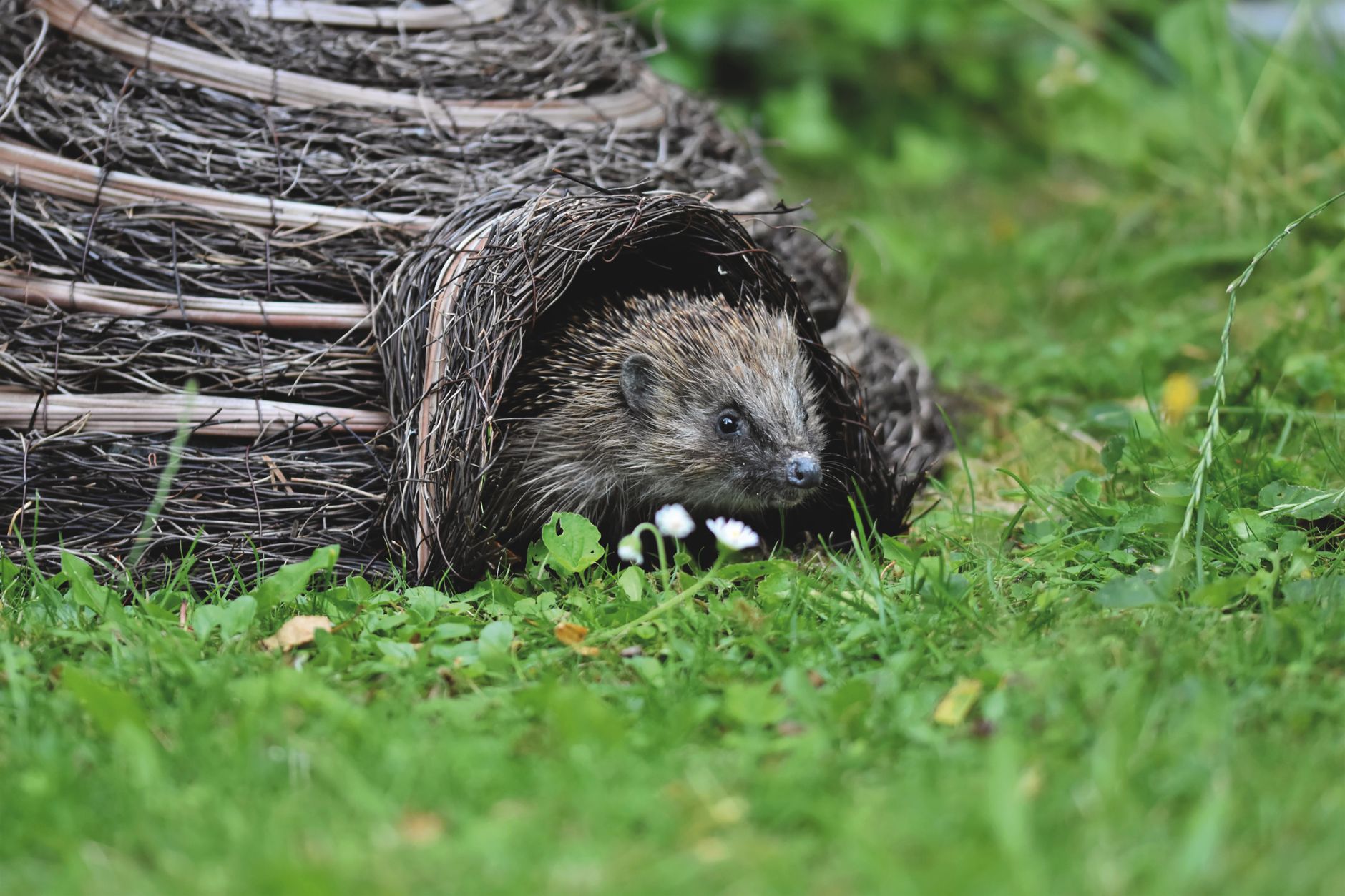
Several factors indicate that a baby hedgehog is in distress and requires assistance:
- Visible injuries: Any sign of injury, such as wounds, bleeding, or broken limbs.
- Thin or emaciated appearance: A hoglet should appear plump. If it’s visibly thin or bony, it’s likely malnourished.
- Cold to the touch: If the hoglet feels cold, it’s suffering from hypothermia.
- Presence of flies or fly eggs: This indicates the hoglet has been abandoned for a considerable time.
- Weakness or lethargy: A healthy hoglet will be active and responsive.
- Found in an unsafe location: Near a busy road, exposed to predators, or in an area with no shelter.
Initial Steps: Providing Warmth and Hydration
If you determine the baby hedgehog needs help, immediate action is crucial:
- Warmth: Hypothermia is the biggest threat to baby hedgehogs. Gently warm the hoglet by wrapping it in a soft towel or fleece. Place it in a box or container lined with the towel. You can also use a warm water bottle wrapped in a towel as a heat source, ensuring it’s not too hot and the hoglet cannot directly touch it.
- Hydration: Dehydration is another significant concern. Offer a shallow dish of unflavored electrolyte solution (such as Pedialyte). You can also use unflavored water, but electrolyte solutions are preferable. Offer the liquid using a small syringe or dropper, administering small amounts at a time.
- Avoid Cow’s Milk: Cow’s milk can cause severe digestive problems in hedgehogs. It’s essential to avoid giving it to the hoglet.
Short-Term Care: Feeding a Baby Hedgehog
Proper nutrition is critical for the survival of a rescued baby hedgehog. However, it’s crucial to remember that you should only provide temporary care until you can get the hoglet to a qualified wildlife rehabilitator.
- Suitable Food: The best option is specially formulated milk replacer for hedgehogs or kittens (available at pet stores). If unavailable, goat’s milk can be used as a temporary substitute. Never use cow’s milk.
- Feeding Schedule: Very young hoglets need to be fed every 2-3 hours, including during the night. As they grow, the frequency can be reduced.
- Feeding Amount: The amount to feed depends on the hoglet’s age and weight. Consult with a wildlife rehabilitator for specific instructions. A general guideline is to feed until the hoglet appears full but not over-distended.
- Feeding Technique: Use a small syringe or dropper to feed the hoglet slowly and carefully. Ensure the hoglet is warm and upright during feeding to prevent aspiration.
Finding a Wildlife Rehabilitator
This is the most important step. Locate and contact a qualified wildlife rehabilitator specializing in hedgehogs as soon as possible. They have the expertise and resources to provide the long-term care the hoglet needs. Search online for “wildlife rehabilitator near me” or contact your local animal shelter or humane society for referrals. What to do with a baby hedgehog? The best course of action is always to hand it over to trained professionals.
Legal Considerations
In many areas, it’s illegal to keep wildlife, including hedgehogs, without the proper permits. Contacting a wildlife rehabilitator ensures the hoglet receives appropriate care while complying with local laws and regulations.
Common Mistakes
- Overfeeding: Can lead to digestive problems and aspiration.
- Using Cow’s Milk: Causes diarrhea and dehydration.
- Keeping the hoglet as a pet: Wild animals require specialized care and should not be kept as pets.
- Releasing the hoglet prematurely: Without proper rehabilitation, the hoglet is unlikely to survive in the wild.
Frequently Asked Questions (FAQs)
Will the mother reject the baby hedgehog if I touch it?
While wild animals can be sensitive to human scent, it’s generally not a significant concern with hedgehogs. The primary concern is the hoglet’s well-being. Prioritize getting it warm and safe first. Then, if possible, monitor the area from a distance to see if the mother returns.
How do I tell if a baby hedgehog is male or female?
Determining the sex of a very young hedgehog can be difficult. It’s best left to experienced wildlife rehabilitators. They have the necessary knowledge and equipment to do so without causing harm.
Can I raise a baby hedgehog myself?
While tempting, it’s strongly discouraged. Raising a baby hedgehog requires specialized knowledge and equipment. Wildlife rehabilitators have the expertise to provide the appropriate care and ensure the hoglet’s survival. Furthermore, as previously mentioned, keeping a wild animal without proper permits is illegal.
What is the best temperature to keep a baby hedgehog at?
The ideal temperature is around 85-90°F (29-32°C). This can be achieved using a heat source such as a warm water bottle or a heating pad set on low, wrapped in a towel. Always monitor the temperature carefully to avoid overheating.
What do I do if I find a hedgehog during the day?
Hedgehogs are nocturnal animals. Finding one out during the day is often a sign that something is wrong. Assess its condition and contact a wildlife rehabilitator if it appears injured, sick, or weak.
How long can a baby hedgehog survive without its mother?
Very young hoglets can only survive a few hours without their mother’s warmth and milk. Their survival depends on immediate intervention if the mother is not present.
Is it safe to handle a baby hedgehog?
While hedgehogs are not typically aggressive, they do have sharp spines. Wear gloves when handling a baby hedgehog to protect yourself from being pricked. Wash your hands thoroughly after handling to prevent the spread of germs.
What if I can’t find a wildlife rehabilitator?
Keep searching and broadening your search area. Contact local animal shelters, humane societies, and veterinarians for referrals. In the meantime, continue providing warmth, hydration, and appropriate nutrition as outlined above.
How much does it cost to rehabilitate a baby hedgehog?
Wildlife rehabilitation is often done by non-profit organizations or individuals who rely on donations. Donations are always appreciated to help cover the costs of food, medical care, and housing.
What should I do with the hedgehog droppings?
Maintain good hygiene by cleaning the hoglet’s enclosure regularly. Wear gloves and dispose of the droppings properly in a sealed bag.
Can I give a baby hedgehog cat food?
No. While hedgehogs are insectivores, cat food is not an appropriate substitute for their natural diet or specialized milk replacer. It lacks the necessary nutrients and can cause digestive problems.
What happens to the baby hedgehog after rehabilitation?
The goal of wildlife rehabilitation is to release the animal back into its natural habitat once it’s healthy and able to survive on its own. The rehabilitator will assess the hoglet’s readiness for release and choose a suitable location. What to do with a baby hedgehog? Ultimately, it’s about giving it a second chance at life in the wild.