

What To Do When Your Dog’s Nail Is Bleeding: A Comprehensive Guide
When a dog’s nail bleeds, it’s often startling, but it’s crucial to react calmly and effectively. The most important initial steps are to immediately apply pressure to the bleeding nail using a styptic pencil or powder and keep your dog calm. This minimizes blood loss and allows the clot to form.

Introduction: Understanding the Quick and the Bleed
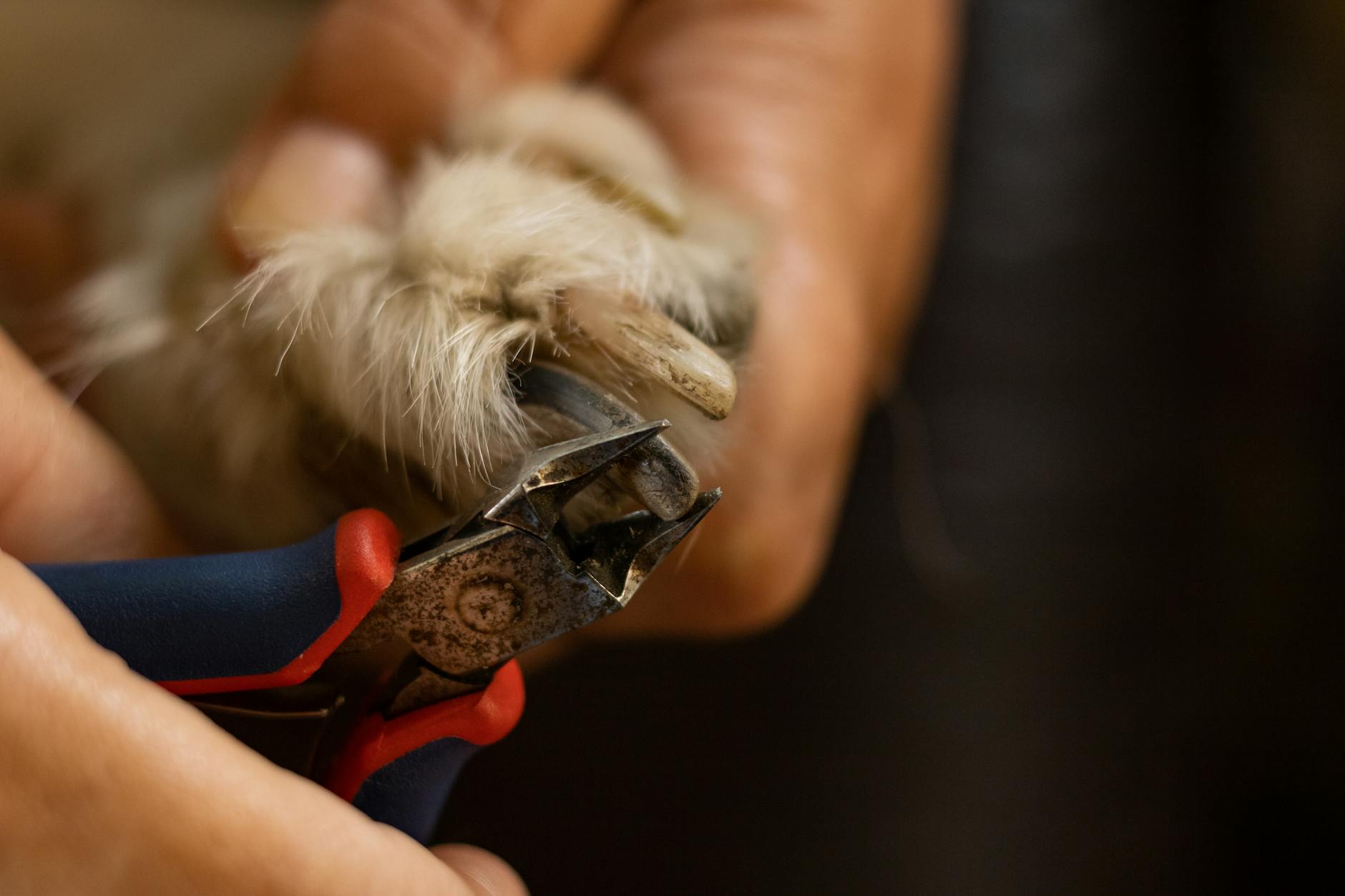
Accidentally cutting into the quick of a dog’s nail is a common occurrence, even for experienced groomers. The quick is the sensitive, living part of the nail that contains blood vessels and nerve endings. Understanding this anatomy is essential for safe nail trimming. Knowing what to do when dogs nail is bleeding? is crucial for any dog owner. This guide provides clear instructions and helpful tips to manage this situation effectively.
What colours are fish most attracted to?
Can you put your finger in a trout's mouth?
Is methylene blue anti bacterial?
Does aquarium salt raise pH in aquarium?
Identifying the Bleed

Recognizing that the nail is bleeding is the first step. The telltale sign is, of course, blood. It might be a slow trickle or a more forceful flow. Keeping a close eye on your dog’s paws during and after trimming is vital.
Immediate Actions: Stop the Bleeding
When you realize your dog’s nail is bleeding, immediate action is paramount. Here’s a step-by-step approach:
- Stay Calm: Your dog will sense your panic. A calm demeanor will help them remain calmer and more cooperative.
- Apply Pressure: Use a clean cloth or gauze to apply direct pressure to the end of the nail. Hold firmly for 2-3 minutes without releasing to check for bleeding.
- Use a Styptic Product: This is your best friend in this situation. Styptic powder or a styptic pencil contains ingredients that promote blood clotting.
- Apply Styptic Powder: If using powder, pour a small amount into your hand, then gently press the bleeding nail into the powder. Hold for another 2-3 minutes.
- Apply Styptic Pencil: If using a pencil, moisten the tip slightly and apply it directly to the bleeding area, holding it firmly in place.
- Alternative Solutions: If you don’t have styptic powder or a pencil, cornstarch or flour can be used as a temporary substitute.
After the Bleeding Stops: Monitoring and Care
After the bleeding has stopped, it’s essential to monitor the area to prevent infection and ensure a full recovery.
- Keep the Area Clean: Prevent your dog from licking the paw excessively. Licking can introduce bacteria and disrupt the clotting process. An Elizabethan collar (cone of shame) might be necessary.
- Monitor for Infection: Watch for signs of infection such as redness, swelling, pus, or increased pain.
- Limit Activity: Restrict strenuous activity for at least 24 hours to avoid reopening the wound.
- Protect the Paw: Consider using a dog bootie to protect the paw when going outside.
Preventing Future Bleeds
Prevention is always better than cure. These tips will help you avoid cutting into the quick in the future:
- Trim Regularly: Frequent, small trims are better than infrequent, large ones. This helps the quick recede over time.
- Use Proper Tools: Invest in high-quality dog nail clippers. Dull clippers can crush the nail and increase the risk of splitting.
- Trim in Good Lighting: Good lighting is essential for seeing the quick.
- Take Breaks: If your dog is anxious or uncooperative, take breaks during the trimming process.
- Consult a Professional: If you’re uncomfortable trimming your dog’s nails, consult a veterinarian or professional groomer.
Common Mistakes and How to Avoid Them
Several common mistakes can exacerbate the situation when a dog’s nail is bleeding:
- Panicking: As mentioned before, staying calm is crucial.
- Not Applying Enough Pressure: Insufficient pressure will prevent the clot from forming.
- Checking Too Soon: Releasing pressure too quickly can disrupt the clotting process.
- Using Dirty Materials: Ensure all materials used are clean to prevent infection.
- Ignoring Infection Signs: Promptly address any signs of infection.
Understanding Nail Anatomy: The Quick and Beyond
A deeper understanding of nail anatomy helps avoid future accidents. The nail consists of:
- The Nail Wall: The hard, outer part of the nail.
- The Nail Bed: The tissue underneath the nail.
- The Quick: The living part of the nail containing blood vessels and nerves.
- The Cuticle: The protective layer at the base of the nail.
What to Do When Dogs Nail Is Bleeding: Advanced Techniques
Sometimes, the bleeding is profuse or persistent. In these cases, consider:
- Silver Nitrate Sticks: For persistent bleeding, a veterinarian might use silver nitrate sticks to cauterize the wound.
- Veterinary Visit: If bleeding doesn’t stop within 30 minutes, or if there are signs of infection, seek veterinary attention.
Different Nail Types and Trimming Techniques
Different dog breeds have different nail types. Understanding these differences can improve trimming safety:
| Nail Type | Description | Trimming Tips |
|---|---|---|
| Black Nails | The quick is difficult to see. Trim small bits at a time, watching for a chalky white ring in the center of the cut end. | Trim conservatively and frequently. |
| White Nails | The quick is easier to see as a pink triangle. | Trim just before the pink triangle begins. |
| Long Nails | The quick is often elongated. | Frequent trimming can encourage the quick to recede. |
What to do when Dogs Nail is Bleeding? A Quick Checklist
Here’s a rapid review of what to do when dogs nail is bleeding?:
- Stay calm.
- Apply direct pressure with a clean cloth.
- Use styptic powder or a pencil.
- Monitor for infection.
- Prevent licking.
- Restrict activity.
- Protect the paw.
Conclusion: Empowering Dog Owners
Knowing what to do when dogs nail is bleeding? empowers dog owners to handle a potentially stressful situation effectively. By understanding nail anatomy, practicing safe trimming techniques, and being prepared with the right supplies, you can minimize the risk of injury and ensure your dog’s well-being.
FAQs: Deeper Insights Into Dog Nail Bleeds
What is styptic powder, and how does it work?
Styptic powder is a medicated powder containing ingredients like ferric sulfate that constrict blood vessels and promote blood clotting. It works by creating a barrier over the wound, quickly stopping the bleeding. It’s an essential item to keep in your dog grooming kit.
How long should I apply pressure to a bleeding nail?
Apply firm, consistent pressure for at least 2-3 minutes, without releasing to check for bleeding. Prematurely releasing pressure can disrupt the clot formation and restart the bleeding. If it continues to bleed after this period, reapply pressure.
Can I use human styptic products on my dog?
While human styptic pencils are sometimes used, products specifically formulated for pets are generally safer. They are designed to be non-toxic if ingested in small amounts. Always check the ingredients and consult your veterinarian if you have concerns.
What if I don’t have styptic powder?
If you don’t have styptic powder, cornstarch or flour can be used as a temporary substitute. These substances can help absorb blood and encourage clotting. Apply them in the same way you would apply styptic powder.
How can I tell if my dog’s nail is infected?
Signs of infection include redness, swelling, pus, increased pain or sensitivity, and a foul odor. If you notice any of these signs, contact your veterinarian immediately.
How often should I trim my dog’s nails?
The frequency of nail trimming depends on your dog’s activity level and nail growth rate. Generally, every 2-4 weeks is a good guideline. You’ll know it’s time when the nails touch the ground when your dog is standing.
Why is my dog’s quick so long?
The quick can elongate if nails are not trimmed regularly. This is because the blood vessels and nerves in the quick extend along with the nail. Frequent trimming can encourage the quick to recede over time.
Is it always my fault if I cut the quick?
While careful trimming reduces the risk, sometimes, even with the best technique, accidents happen. Dogs can move suddenly, or the quick might be unusually long. Don’t beat yourself up – just focus on stopping the bleeding.
What if my dog won’t let me trim their nails?
If your dog is fearful or aggressive during nail trims, consult a professional groomer or veterinarian. They have experience in handling difficult dogs and can trim the nails safely. Desensitization and counter-conditioning techniques can also help.
Should I use nail clippers or a nail grinder?
Both nail clippers and nail grinders have their pros and cons. Clippers are faster and more efficient for some, while grinders offer more control and reduce the risk of cutting the quick. The choice depends on your comfort level and your dog’s tolerance.
My dog keeps licking the injured paw; what should I do?
Excessive licking can introduce bacteria and delay healing. An Elizabethan collar (cone) is often the best solution to prevent licking. You can also use a dog bootie to protect the paw.
When should I see a vet after cutting my dog’s nail?
You should seek veterinary attention if the bleeding doesn’t stop within 30 minutes, if you notice signs of infection, or if your dog is in severe pain. A veterinarian can provide further treatment and rule out any underlying issues.