
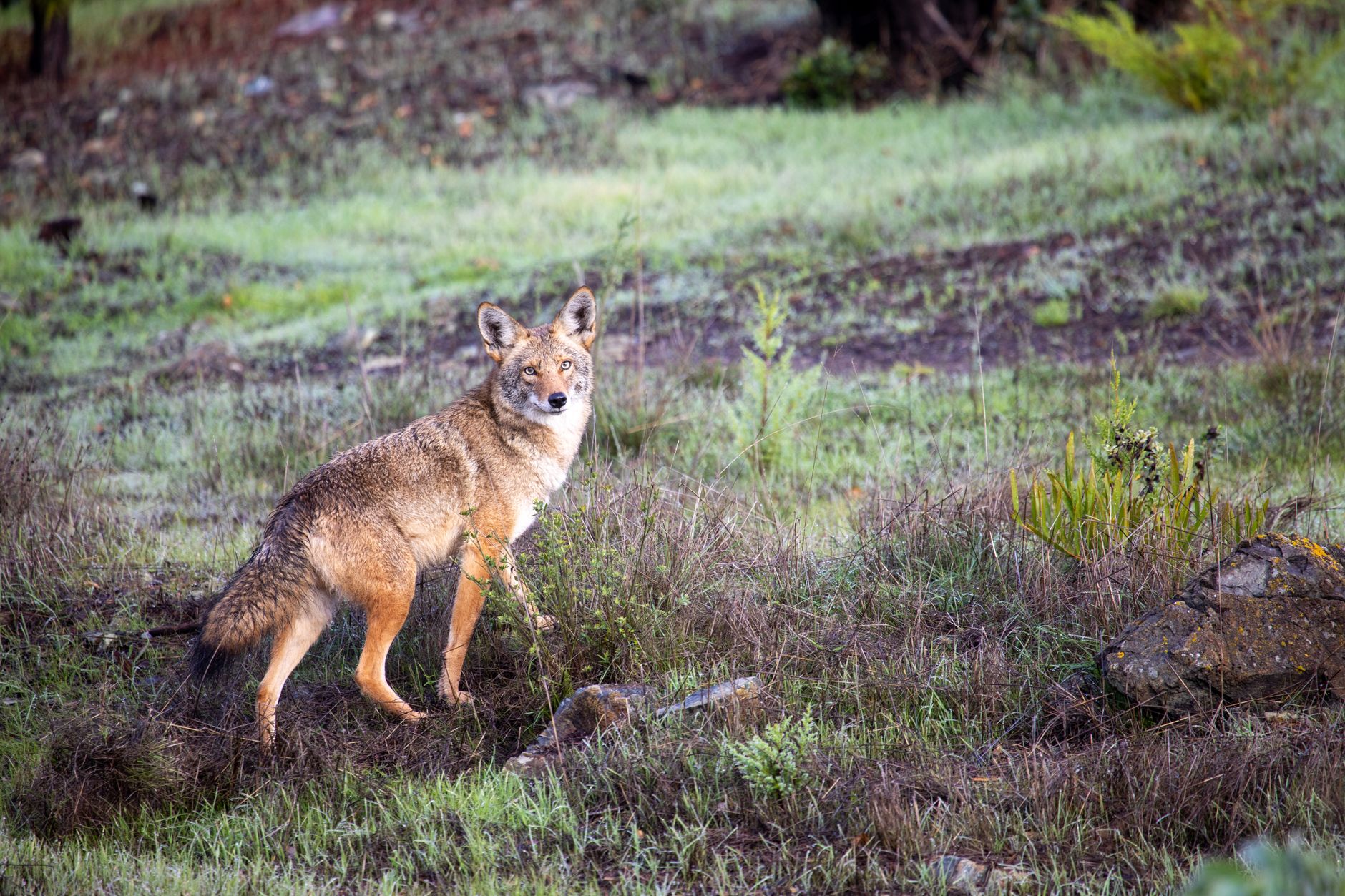
What to do if you see a rabid coyote?
If you encounter a coyote exhibiting signs of rabies, such as unusual aggression, disorientation, or excessive drooling, it is crucial to maintain a safe distance, report the sighting to local animal control or law enforcement immediately, and avoid any direct contact to prevent potential exposure.
Understanding Rabies and Coyotes
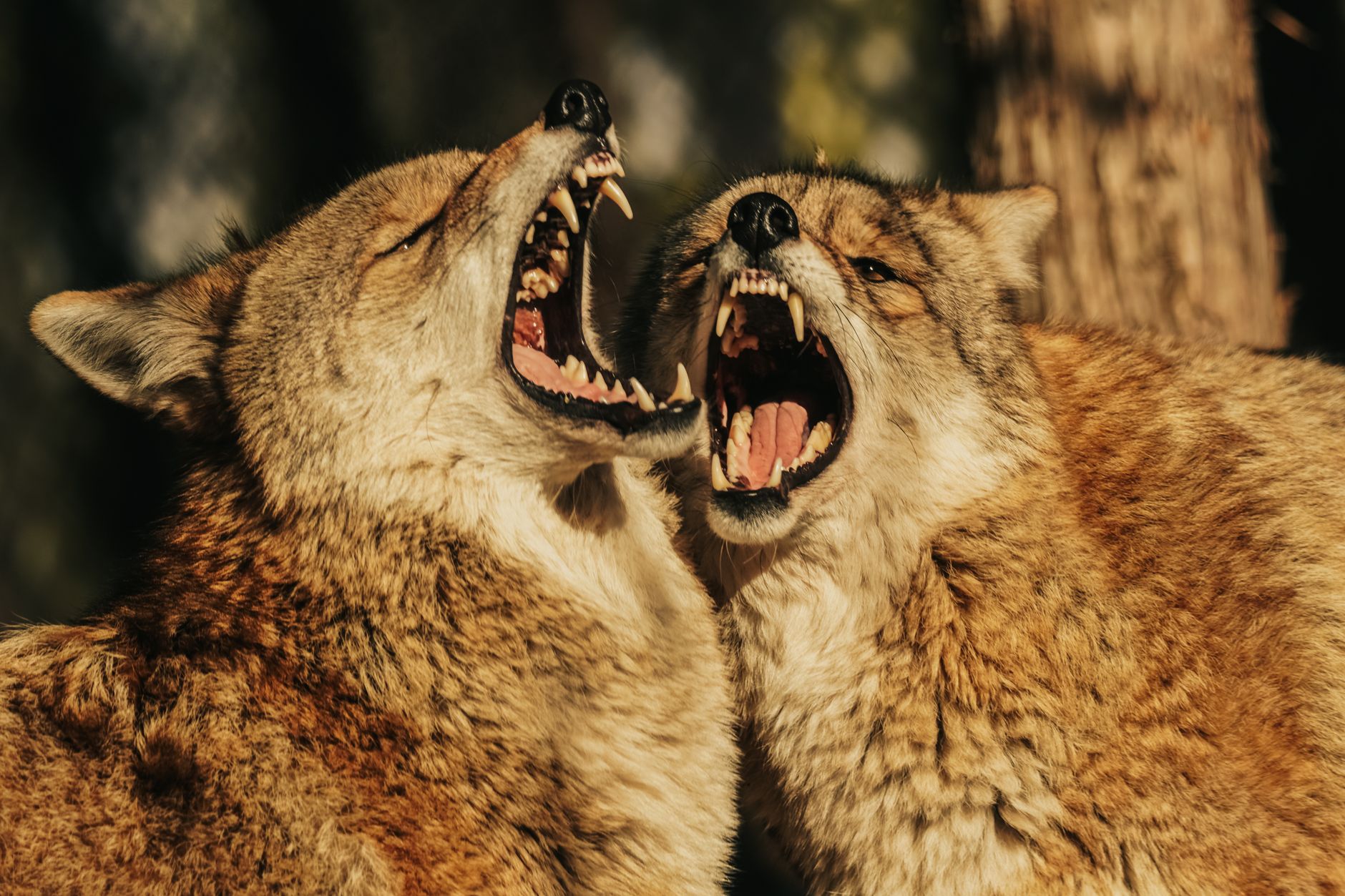
Rabies is a deadly viral disease that affects the central nervous system of mammals, including humans and coyotes. Knowing how to identify potential signs of rabies in coyotes and understanding the proper response is vital for personal safety and public health. Coyotes, while typically wary of humans, can become infected with rabies, leading to altered behavior and increased risk of transmission.

What colours are fish most attracted to?
Can you put your finger in a trout's mouth?
Is methylene blue anti bacterial?
Does aquarium salt raise pH in aquarium?
Recognizing the Signs of Rabies in Coyotes
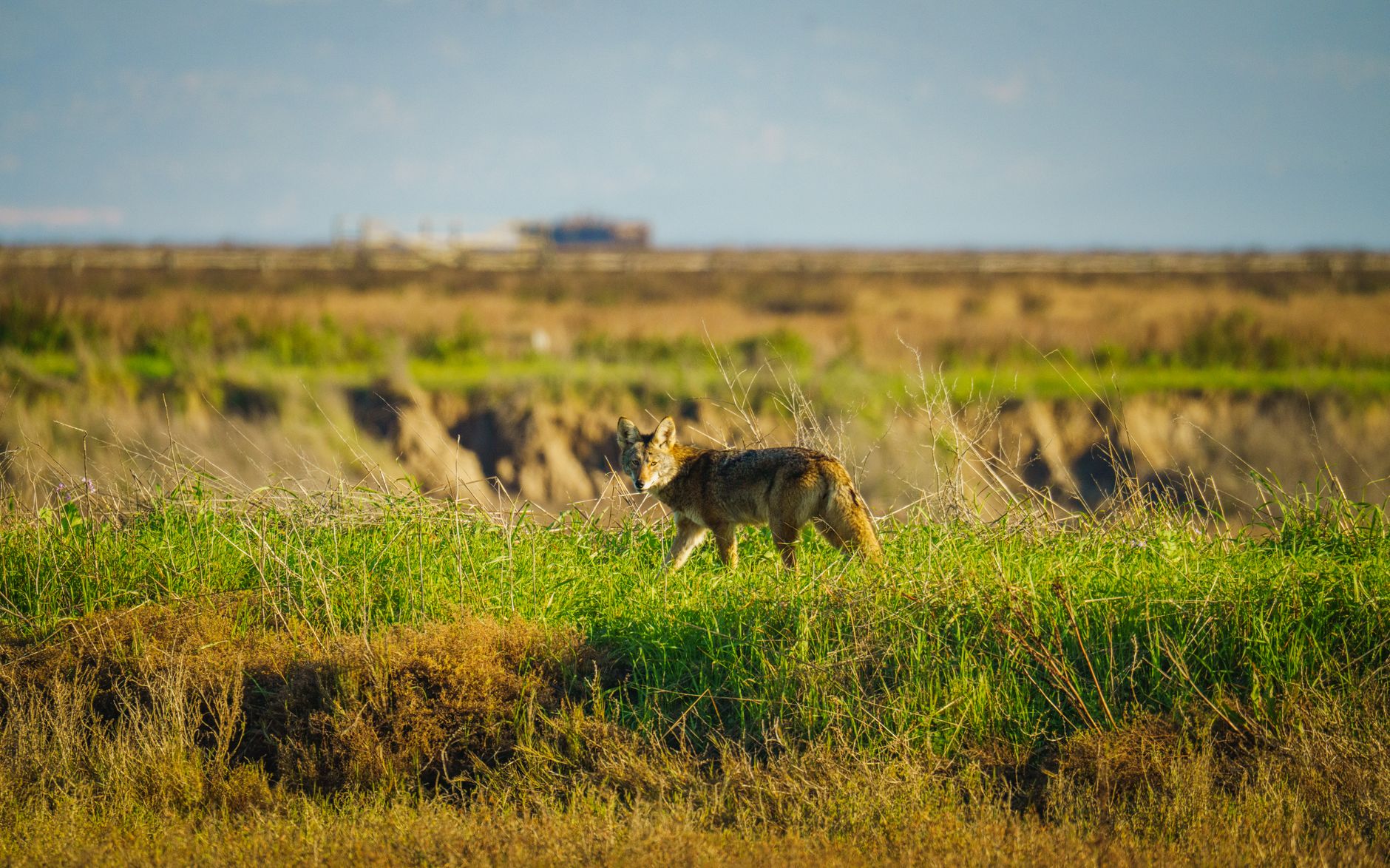
Identifying a rabid coyote can be challenging, but certain behaviors and physical symptoms are red flags. These may include:
- Uncharacteristic Aggression: A usually shy coyote might become overly aggressive, attacking without provocation.
- Disorientation and Confusion: The animal may appear confused, stumbling, or unable to coordinate movements.
- Excessive Drooling or Foaming at the Mouth: This is a classic, though not always present, sign of rabies.
- Paralysis: Weakness or paralysis, especially in the hind legs, can indicate advanced rabies.
- Nocturnal Behavior During the Day: Coyotes are generally more active at night. Seeing one acting strangely during the day is a cause for concern.
- Unusual Vocalizations: Strange cries or howls outside of their normal communication can also be a sign.
It’s important to note that some of these symptoms could also be signs of other illnesses or injuries, but it’s best to err on the side of caution.
The Importance of Reporting
Prompt reporting of suspected rabid coyotes is essential. Local animal control agencies and health departments can take appropriate action to investigate the situation, capture the animal (if possible), test it for rabies, and implement necessary public health measures. Quick action can prevent further spread of the disease and protect both humans and other animals.
What Not To Do if you See a Rabid Coyote
Knowing what not to do is just as important as knowing what to do. Avoid these common mistakes:
- Do not approach or try to interact with the coyote. Even if it appears docile, it could attack without warning.
- Do not try to capture or kill the coyote yourself. This could put you at risk of being bitten or scratched.
- Do not ignore the situation. Reporting the sighting is crucial for public safety.
- Do not assume the coyote is “just sick.” Err on the side of caution and treat it as potentially rabid.
Steps to Take When Sighting a Suspected Rabid Coyote
Here’s a step-by-step guide on what to do if you see a rabid coyote:
- Maintain a Safe Distance: Back away slowly and avoid any sudden movements. Aim to put as much distance between you and the animal as possible.
- Protect Yourself and Others: Warn anyone nearby to stay away from the coyote. If you have pets, bring them indoors immediately.
- Report the Sighting: Contact your local animal control agency, police department, or health department. Provide them with a detailed description of the coyote’s appearance and behavior, as well as its location.
- Document the Encounter (If Safe): If it’s safe to do so without putting yourself at risk, take pictures or video of the coyote from a distance. This can help authorities identify the animal.
- Stay Informed: Follow up with animal control or health officials to get updates on the situation and any necessary precautions.
Preventing Rabies Exposure
While knowing what to do if you see a rabid coyote is essential, preventing exposure in the first place is even better. Here are some key preventive measures:
- Vaccinate your pets: Keep your dogs, cats, and ferrets up-to-date on their rabies vaccinations.
- Supervise your pets: Keep your pets indoors or on a leash when outside, especially in areas where coyotes are common.
- Secure your property: Eliminate potential food sources for coyotes, such as pet food, garbage, and fallen fruit.
- Teach children about wildlife safety: Instruct children to never approach or feed wild animals.
- Be aware of your surroundings: Be vigilant when walking or hiking in areas where coyotes may be present.
Post-Exposure Prophylaxis
If you are bitten, scratched, or come into contact with the saliva of a potentially rabid coyote, seek immediate medical attention. Post-exposure prophylaxis (PEP) is a series of vaccinations and immunoglobulin shots that can prevent rabies from developing if administered promptly after exposure. Time is of the essence; the sooner you receive PEP, the better your chances of preventing the disease.
Factors Influencing Coyote Behavior
Understanding factors that can influence coyote behavior is essential to preventing encounters and understanding what to do if you see a rabid coyote.
| Factor | Influence on Coyote Behavior |
|---|---|
| Food Availability | Scarcity may lead to increased boldness in seeking food, bringing them closer to human habitation. Abundance can lead to increased reproduction and competition, pushing younger coyotes into new territories. |
| Habitat Loss | Forces coyotes into closer proximity to humans as their natural habitats are destroyed or fragmented. |
| Human Interaction | Feeding coyotes can habituate them to humans, making them less fearful and more likely to approach. Conversely, hunting or harassment can make them more wary. |
| Disease | Rabies and other diseases can dramatically alter behavior, leading to aggression, disorientation, and loss of fear. |
Frequently Asked Questions (FAQs)
If I see a coyote during the day, does that automatically mean it has rabies?
Not necessarily. While coyotes are generally more active at night, seeing one during the day doesn’t automatically indicate rabies. However, if the coyote is exhibiting other symptoms of rabies, such as unusual aggression or disorientation, it’s important to exercise caution and report the sighting. It could also just be looking for food or water.
What if my pet is bitten by a coyote?
Immediately seek veterinary attention for your pet. Your veterinarian will assess the wound, administer a rabies booster (if your pet is vaccinated), and may recommend a quarantine period. Report the incident to animal control. Even if your pet is vaccinated, prompt veterinary care is essential.
Can rabies be treated once symptoms appear?
Unfortunately, rabies is virtually always fatal once symptoms develop. This is why post-exposure prophylaxis (PEP) is so crucial after a potential exposure. The PEP treatment prevents the virus from reaching the brain and causing irreversible damage.
How long does rabies take to incubate in a coyote?
The incubation period for rabies in coyotes, and other mammals, can vary from weeks to months. This depends on factors such as the location of the bite, the amount of virus transmitted, and the individual animal’s immune system.
What is the best way to protect my chickens from coyotes?
Secure your chicken coop with strong wire mesh that extends underground to prevent digging. Provide a fully enclosed run and consider adding motion-activated lights or noise deterrents. Regularly inspect the coop for any signs of damage or weakness.
Are coyotes more likely to be rabid in certain areas?
The prevalence of rabies in coyotes can vary depending on the geographic location and the presence of other rabid animals, such as bats or raccoons. Contact your local health department or animal control agency for information on rabies activity in your area.
If a coyote approaches me but doesn’t bite, do I need a rabies shot?
If the coyote did not bite, scratch, or have saliva contact with any open wound or mucous membrane, then the risk of rabies exposure is extremely low. However, it’s best to consult with your doctor or local health department to assess your specific situation and determine if post-exposure prophylaxis is necessary.
How do I tell the difference between a sick coyote and a rabid coyote?
It can be difficult to distinguish between a sick coyote and a rabid one based solely on appearance. However, rabies often manifests with neurological symptoms such as disorientation, incoordination, paralysis, and excessive drooling. Any unusual behavior should be treated with caution.
What if I accidentally touch a dead coyote?
Avoid touching any dead animal, including coyotes. If you must handle it (e.g., to remove it from your property), wear gloves and wash your hands thoroughly afterward. If the coyote died under suspicious circumstances, contact animal control.
How can I keep coyotes away from my property?
Remove potential food sources, such as pet food, garbage, and fallen fruit. Trim bushes and shrubs to eliminate hiding places. Install motion-activated lights or sprinklers. Consider erecting a fence to create a physical barrier.
What is the proper way to dispose of garbage to avoid attracting coyotes?
Use tightly sealed garbage cans with locking lids. Store garbage cans in a garage or shed if possible. Avoid leaving garbage bags outside overnight. Clean up any spilled food or trash immediately.
What role do vaccines play in preventing rabies outbreaks in coyotes?
Oral rabies vaccines (ORV) are sometimes used in targeted areas to vaccinate wild coyote populations. These vaccines are distributed in bait and are consumed by coyotes, providing them with immunity to the disease. ORV programs can help to control and prevent rabies outbreaks in wildlife populations.