
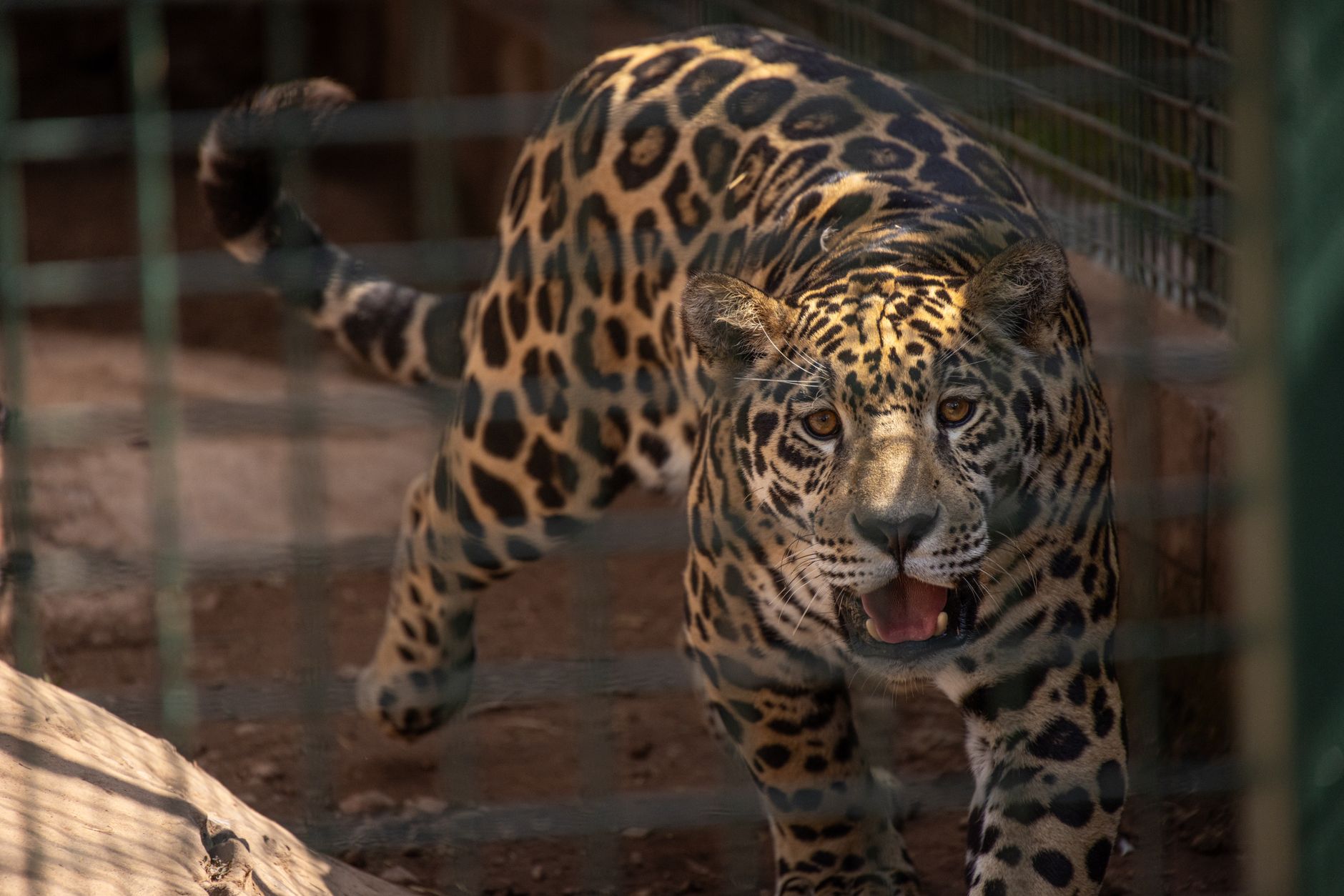
What to Do If a Jaguar Approaches You?
In the unlikely event of a jaguar encounter, your immediate response is crucial. The key is to stand your ground, appear large and intimidating, and never run; this is the most effective strategy for deterring an attack.

Understanding Jaguar Encounters: A Primer
Jaguars, apex predators of the Americas, are generally elusive and avoid human contact. However, understanding their behavior and knowing how to react in the rare event of an encounter is vital, especially if you live in or are visiting jaguar habitat. This knowledge could save your life.

What colours are fish most attracted to?
Can you put your finger in a trout's mouth?
Is methylene blue anti bacterial?
Does aquarium salt raise pH in aquarium?
Why Jaguars Approach Humans (or Seem to)

There are several reasons why a jaguar might appear to approach a human:
- Curiosity: Young or inexperienced jaguars may be curious.
- Defense of Young: A mother with cubs is extremely protective.
- Food Scarcity: Although rare, a desperate jaguar might approach humans if prey is scarce.
- Habituation: Jaguars that have become accustomed to human presence (often near settlements) might be less wary.
- Mistaken Identity: In low light or dense vegetation, a jaguar might misinterpret a human as prey.
The Dos and Don’ts of Jaguar Encounters
Understanding the correct and incorrect actions to take is paramount. The primary goal is to deter an attack by appearing as a threat.
Do:
- Stand Your Ground: Never run or turn your back. Running triggers a predatory response.
- Make Yourself Look Big: Raise your arms, open your jacket, and try to appear as large as possible.
- Make Noise: Yell loudly, clap your hands, bang objects together – anything to deter the jaguar.
- Maintain Eye Contact: Stare directly at the jaguar. This asserts dominance.
- Back Away Slowly: If possible, slowly retreat while maintaining eye contact and making noise.
- Fight Back: If attacked, fight back with anything available – rocks, sticks, knives, bare hands. Focus on the eyes and nose.
Don’t:
- Run: As stated earlier, running triggers the jaguar’s instinct to chase.
- Crouch Down: Crouching makes you appear smaller and more vulnerable.
- Play Dead: This is ineffective with jaguars.
- Turn Your Back: Always face the jaguar.
- Panic: Remain calm and focused, even though it’s difficult.
Utilizing Tools and Environmental Factors
Your environment can also play a role in your defense.
- Use Available Objects: Pick up rocks, sticks, or anything else that can be used as a weapon.
- Utilize Natural Barriers: Position yourself near trees, rocks, or other obstacles that can provide some protection.
- Elevate Yourself: If possible, climb onto a rock or other elevated surface to appear larger.
- Fire: If you have a fire, use it to your advantage. Jaguars are generally wary of fire.
Prevention is Key: Reducing the Risk of Encounters
Preventing an encounter is always preferable to dealing with one.
- Travel in Groups: Jaguars are less likely to approach groups of people.
- Make Noise While Hiking: Alert jaguars to your presence to avoid surprising them.
- Avoid Hiking at Dawn and Dusk: These are peak activity times for jaguars.
- Keep Children Close: Young children are particularly vulnerable.
- Be Aware of Your Surroundings: Pay attention to signs of jaguar presence, such as tracks or scat.
- Store Food Properly: Don’t leave food out, as this can attract jaguars.
Comparing Responses: Jaguars vs. Other Predators
Understanding how to respond to a jaguar differs from how to respond to other large predators, such as bears or mountain lions.
| Predator | Key Response |
|---|---|
| Jaguar | Stand your ground, fight back |
| Bear | Often play dead (depends on species) |
| Mountain Lion | Make yourself look big, back away slowly |
Post-Encounter Actions
Even if you successfully deter a jaguar, it’s crucial to take follow-up steps.
- Report the Encounter: Inform local authorities or wildlife officials about the encounter. This helps them track jaguar activity and take necessary precautions.
- Seek Medical Attention: Even if you don’t appear injured, it’s advisable to seek medical attention, as jaguar scratches and bites can be serious.
- Re-evaluate Your Safety Measures: Assess whether your previous safety measures were adequate and make adjustments as needed.
The Importance of Respect and Conservation
Remember, jaguars are vital to the ecosystem. Respect their habitat and support conservation efforts to ensure their survival.
The Future of Jaguar Encounters: Climate Change and Habitat Loss
Unfortunately, climate change and habitat loss are increasing the likelihood of human-wildlife conflict, including jaguar encounters. Protecting their habitat is essential for preventing these conflicts.
Conclusion
Knowing what to do if a jaguar approaches you? is crucial for anyone living in or visiting jaguar territory. By understanding jaguar behavior and following the guidelines outlined above, you can significantly increase your chances of a safe outcome. The key is to remain calm, appear large and intimidating, and never run. Prevention, through responsible behavior and conservation efforts, remains the best strategy.
Frequently Asked Questions
What should I do if a jaguar approaches my vehicle?
If a jaguar approaches your vehicle, do not exit the vehicle. Slowly move away if possible. If the jaguar is blocking your path, wait for it to move on its own accord. Honk your horn briefly to startle it. Report the incident to local authorities.
Is it ever safe to feed a jaguar?
Absolutely not. Feeding a jaguar, or any wild animal, habituates it to humans, making it more likely to approach people in the future and potentially causing conflict. It also disrupts their natural hunting behavior.
What if a jaguar is injured? Should I approach it to help?
Never approach an injured jaguar. Contact local wildlife authorities or a qualified veterinarian. They have the expertise and equipment to safely handle the animal. Approaching an injured jaguar is extremely dangerous.
How can I tell if a jaguar is stalking me?
Jaguars are skilled at stalking. Signs may include tracks in the dirt, the sensation of being watched, or the discovery of a kill nearby. If you suspect you are being stalked, immediately implement the defensive measures described earlier: stand your ground, make noise, and maintain eye contact.
Are jaguars more aggressive during mating season?
While jaguars may be more active during mating season, there is no concrete evidence to suggest they are significantly more aggressive towards humans. However, it’s always advisable to be extra cautious during this time.
What is the best way to protect my pets from jaguars?
Keep pets indoors, especially at night. If pets must be outside, keep them in a secure enclosure with a roof or supervise them closely. Consider installing motion-activated lights or alarms to deter jaguars.
Can pepper spray be effective against jaguars?
While not specifically designed for jaguars, pepper spray could potentially deter an attack. However, its effectiveness depends on factors such as wind conditions and the jaguar’s temperament. It is best used as a secondary defense in combination with other strategies.
What are the main differences between a jaguar and a leopard, and does it affect my response?
Jaguars are typically larger and stockier than leopards, with distinctive rosette patterns that often have a spot inside. While both are dangerous, the response is similar: stand your ground, make noise, and fight back if necessary. The key difference is geographical distribution: jaguars are found in the Americas, while leopards are found in Africa and Asia.
What are the legal consequences of killing a jaguar in self-defense?
The legal consequences of killing a jaguar vary depending on the country and local regulations. In many regions, jaguars are protected species, and killing one can result in fines or imprisonment. However, self-defense is often a valid justification, but it’s essential to report the incident immediately to the authorities and cooperate with their investigation.
How effective are electric fences in deterring jaguars?
Electric fences can be effective in deterring jaguars, particularly around livestock or settlements. However, the fence must be properly designed and maintained to deliver a sufficient shock without harming the animal. Regular inspection and maintenance are crucial.
Is it true that jaguars only attack from behind?
While jaguars are ambush predators, they do not exclusively attack from behind. Maintaining constant vigilance and making yourself appear large and intimidating are essential, regardless of the jaguar’s position.
Are certain regions known for more frequent jaguar-human conflicts?
Yes, certain regions with significant habitat loss or increasing human encroachment experience more frequent jaguar-human conflicts. These areas often include fragmented forests or areas where livestock farming is common. Being aware of these hotspots can help individuals take extra precautions.