

What to do if a Crocodile Sees You? Survival Guide
If a crocodile sees you, your best bet is to slowly back away, maintaining eye contact, and create distance. Avoid sudden movements or panic, as this could trigger a predatory response.
Understanding the Crocodile Threat
Crocodiles, apex predators found in tropical regions worldwide, are formidable creatures. Knowing what to do if a crocodile sees you is crucial for anyone spending time near their habitats. This survival guide aims to equip you with the knowledge and strategies needed to increase your chances of a safe encounter.

What colours are fish most attracted to?
Can you put your finger in a trout's mouth?
Is methylene blue anti bacterial?
Does aquarium salt raise pH in aquarium?
Crocodile Behavior: Predator vs. Defense
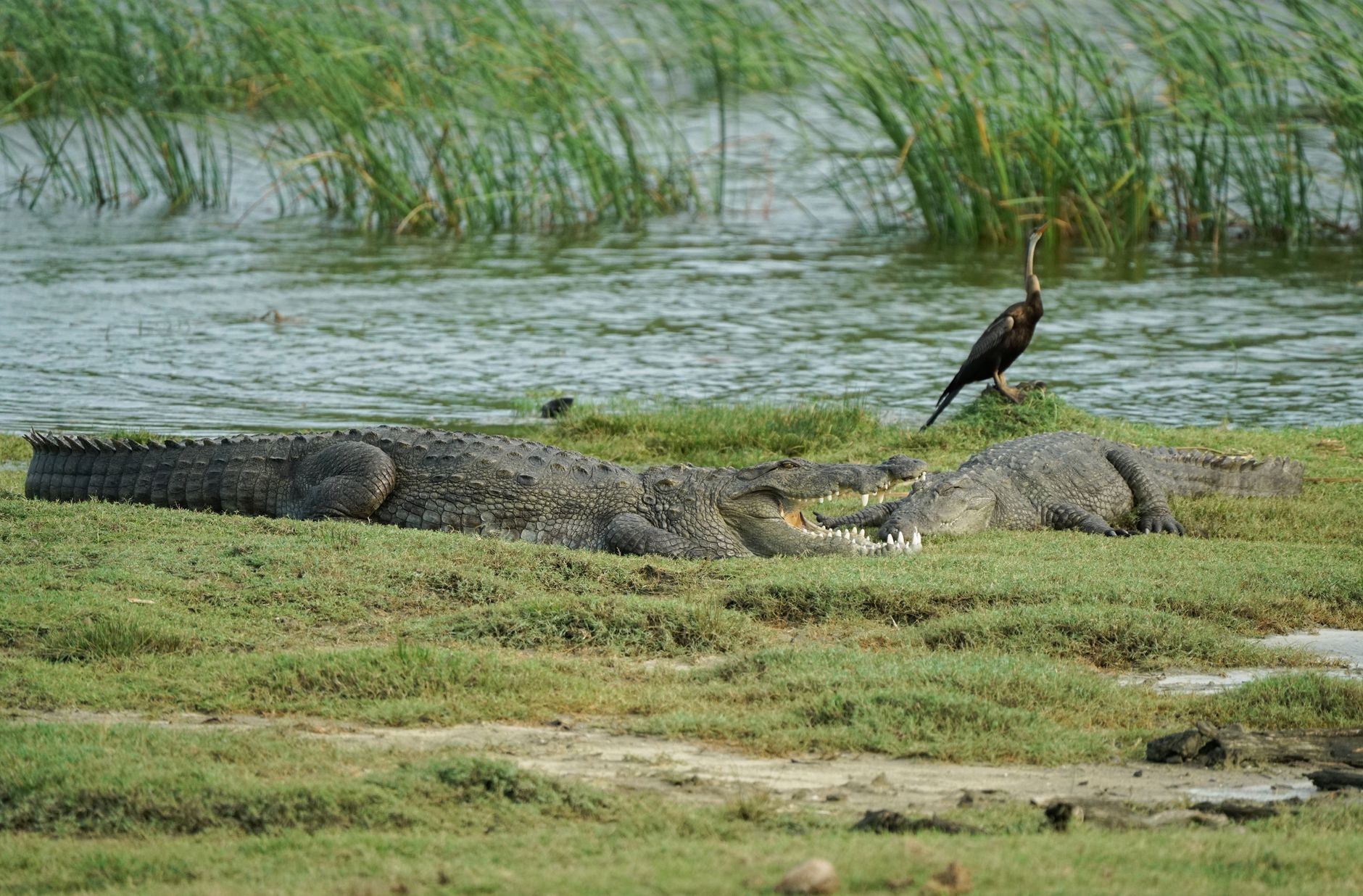
Understanding crocodile behavior is key to responding effectively. Crocodiles typically attack for two primary reasons: predation and defense.
- Predatory Attacks: These are the most dangerous, driven by hunger. Crocodiles lie in wait, often submerged, and ambush their prey with incredible speed.
- Defensive Attacks: Occur when a crocodile feels threatened, such as when someone approaches its nest or gets too close to a resting crocodile.
Identifying the type of threat is difficult in the moment, so the recommended actions prioritize safe disengagement.
Assessing the Situation
The first step in any crocodile encounter is a rapid assessment. Consider these factors:
- Distance: How far are you from the crocodile? The closer you are, the more immediate the threat.
- Size: Larger crocodiles are generally more dangerous.
- Behavior: Is the crocodile actively moving towards you, or is it stationary?
- Environment: Are you on land or in the water? The environment dictates your best course of action.
What to Do: Step-by-Step Guide
What to do if a crocodile sees you largely depends on the environment. However, these steps apply broadly:
- Remain Calm: Panicking can lead to poor decisions. Take a deep breath and try to assess the situation rationally.
- Maintain Eye Contact: Crocodiles are less likely to attack something that is actively watching them.
- Back Away Slowly: Never turn your back on a crocodile. Move slowly and deliberately away from the animal.
- Create Distance: The further you are from the crocodile, the safer you are. Aim to put as much space between you and the animal as possible.
- Make Noise: Yelling, shouting, or making other loud noises can sometimes deter a crocodile. This is most effective if you believe the encounter is defensive.
- Find a Barrier: If possible, put a physical barrier between yourself and the crocodile, such as a tree, rock, or vehicle.
- Be Aware of Your Surroundings: Look for other crocodiles in the area, and be mindful of potential escape routes.
- Report the Sighting: Inform local authorities or park rangers about the crocodile sighting to help prevent future incidents.
What Not to Do
- Don’t Panic: As mentioned before, panic can cloud your judgment and lead to dangerous mistakes.
- Don’t Run: Running may trigger the crocodile’s predatory instincts.
- Don’t Turn Your Back: Always keep the crocodile in your sight.
- Don’t Approach the Crocodile: Curiosity can be deadly.
- Don’t Feed Crocodiles: Feeding crocodiles habituates them to humans and increases the likelihood of attacks.
- Don’t Swim in Crocodile-Infested Waters: Unless absolutely necessary, avoid swimming in areas known to be inhabited by crocodiles.
- Don’t Assume Crocodiles Are Slow on Land: While they are often portrayed as sluggish, crocodiles can move surprisingly fast on land, especially in short bursts.
Self-Defense Techniques (Last Resort)
If a crocodile attacks, your priority is to fight back. While your chances are slim, it’s crucial to resist.
- Aim for the Eyes: Crocodiles’ eyes are vulnerable. Poke, scratch, or gouge their eyes to disorient them.
- Attack the Snout: The snout is another sensitive area. Punch, kick, or use any available object to strike the snout.
- Fight Dirty: Use any means necessary to defend yourself, including biting, scratching, and kicking.
Prevention is Key
The best way to survive a crocodile encounter is to avoid one in the first place. What to do if a crocodile sees you is less of a worry if you take precautions.
- Be Aware of Your Surroundings: Know the areas where crocodiles are known to inhabit and avoid them whenever possible.
- Heed Warning Signs: Pay attention to warning signs and follow all instructions.
- Stay Away From the Water’s Edge: Crocodiles often lie in wait near the water’s edge.
- Avoid Traveling Alone: Traveling in groups can increase your safety.
- Be Especially Cautious at Dawn and Dusk: Crocodiles are most active during these times.
- Don’t Camp Near Waterways: Avoid camping too close to rivers, lakes, or swamps.
- Supervise Children Closely: Keep a close eye on children when they are near water.
Comparing Alligators and Crocodiles
While often confused, alligators and crocodiles have distinct differences.
| Feature | Alligator | Crocodile |
|---|---|---|
| Snout Shape | U-shaped, wider | V-shaped, narrower |
| Teeth | Lower teeth mostly hidden when mouth is closed | Fourth lower tooth visible when mouth is closed |
| Habitat | Primarily freshwater | Can tolerate saltwater |
| Aggressiveness | Generally less aggressive than crocodiles | Generally more aggressive than alligators |
Knowing these differences can help you identify the specific threat you face, although the core defensive strategies remain similar.
Frequently Asked Questions (FAQs)
What is the first thing I should do if I see a crocodile?
The first thing you should do is assess the situation quickly. Determine the crocodile’s distance, size, and behavior, and then slowly back away while maintaining eye contact.
Is it better to run or stand my ground if a crocodile approaches?
It is generally better to slowly back away while maintaining eye contact rather than running. Running may trigger the crocodile’s predatory instincts.
What are the chances of surviving a crocodile attack?
The chances of surviving a crocodile attack are relatively low, but not zero. Your best chance of survival is to fight back aggressively, targeting vulnerable areas like the eyes and snout.
Can crocodiles climb fences?
Yes, some crocodile species, particularly smaller ones, are capable of climbing fences and other obstacles. This is why it’s crucial to avoid complacency and maintain a safe distance even behind barriers.
How fast can a crocodile run on land?
While they are not built for speed, crocodiles can move surprisingly fast on land for short bursts. They can reach speeds of up to 17 kilometers per hour (approximately 11 miles per hour) so running is not an effective escape method.
Are all crocodile attacks fatal?
No, not all crocodile attacks are fatal. However, they can cause severe injuries, and the outcome depends on factors such as the size of the crocodile, the location of the attack, and the victim’s ability to fight back.
What should I do if a crocodile grabs my limb?
If a crocodile grabs your limb, your priority is to fight back aggressively. Target the eyes and snout, and try to disrupt the crocodile’s grip by thrashing violently.
Are crocodiles more dangerous in the water or on land?
Crocodiles are generally more dangerous in the water, where they are more agile and have the advantage of surprise. However, they can still pose a significant threat on land.
What time of day are crocodiles most active?
Crocodiles are typically most active during dawn and dusk, which are prime hunting times. It is important to exercise extra caution during these periods.
How can I protect my pets from crocodiles?
To protect your pets from crocodiles, keep them on a leash near water, avoid walking them near waterways during dawn and dusk, and supervise them closely at all times.
What should I do if I see a crocodile nest?
If you see a crocodile nest, back away immediately and avoid disturbing it. Mother crocodiles are highly protective of their nests and will aggressively defend them.
Is it safe to swim in a river where crocodiles are known to live?
It is generally not safe to swim in a river where crocodiles are known to live. The risk of attack is always present, and it is best to avoid swimming in these areas altogether. Knowing what to do if a crocodile sees you is helpful but prevention is key.