

What Threatens the Vicuña Habitat?
The vicuña habitat is primarily threatened by human encroachment, illegal poaching for their valuable fleece, and habitat degradation due to unsustainable land management practices, all jeopardizing the delicate balance of this high-altitude ecosystem.

Introduction: The Fragile World of the Vicuña
The vicuña, Vicugna vicugna, is a South American camelid renowned for its incredibly fine and valuable fleece. Native to the high Andean plateaus of Peru, Bolivia, Argentina, and Chile, these magnificent creatures roam freely across altitudes ranging from 3,200 to 4,800 meters. These are harsh environments, characterized by sparse vegetation, extreme temperature fluctuations, and low oxygen levels. The vicuña has adapted remarkably to these conditions, but its survival remains precarious due to a complex interplay of threats to its habitat. Understanding what threatens the vicuña habitat is crucial for implementing effective conservation strategies.

What colours are fish most attracted to?
Can you put your finger in a trout's mouth?
Is methylene blue anti bacterial?
Does aquarium salt raise pH in aquarium?
The Vicuña: A Treasure Trove of Economic and Ecological Significance
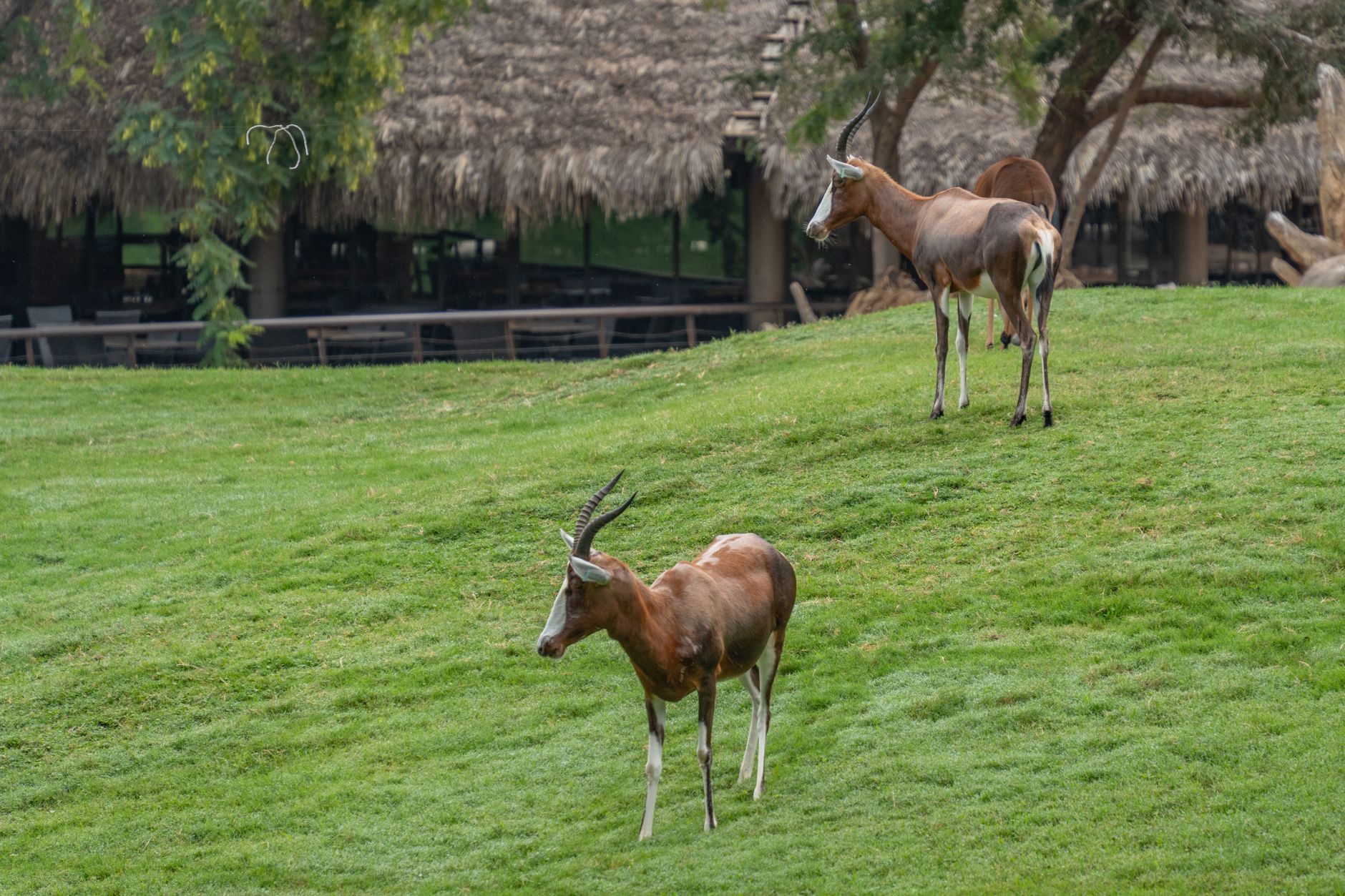
The vicuña holds immense economic importance for local Andean communities. The trade in vicuña fleece provides a significant source of income, supporting the livelihoods of thousands of families. Sustainable harvesting programs, where the animals are live-shorn and released, have proven successful in balancing economic benefit with conservation. Ecologically, vicuñas play a vital role in maintaining the health of the high-altitude grasslands. Their grazing habits help to prevent the overgrowth of certain plant species, contributing to biodiversity. They also serve as an important food source for predators like the Andean condor and pumas. Understanding what threatens the vicuña habitat is therefore essential for preserving both biodiversity and community livelihoods.
Factors Leading to Vicuña Habitat Degradation
Several factors contribute to the decline of suitable vicuña habitat:
- Overgrazing by livestock: The introduction of domestic livestock, such as sheep and llamas, can lead to overgrazing, depleting the vegetation that vicuñas rely on for food and shelter.
- Mining activities: Mining operations, both legal and illegal, can directly destroy vicuña habitat through deforestation, soil erosion, and water pollution.
- Infrastructure development: Road construction, building settlements, and other infrastructure projects fragment habitats, isolating vicuña populations and hindering their movement and access to resources.
- Climate Change: Shifting weather patterns, altered precipitation and intensified droughts can significantly affect plant life in these high-altitude environments, shrinking available food resources for the vicuña population.
The Scourge of Illegal Poaching
Despite strict regulations and conservation efforts, illegal poaching remains a significant threat to vicuña populations. The high value of vicuña fleece fuels this illicit trade, with poachers targeting animals for their wool, often killing them in the process. Uncontrolled poaching severely disrupts vicuña populations, hindering their recovery and disrupting the delicate balance of the ecosystem. The relentless demand that drives this poaching underlines a crucial aspect of what threatens the vicuña habitat.
Conservation Efforts and Strategies
Numerous conservation initiatives are in place to protect vicuñas and their habitat:
- Protected Areas: Establishing and managing national parks and reserves helps to safeguard critical vicuña habitat from human encroachment and destructive activities.
- Sustainable Harvesting Programs: Implementing regulated shearing programs, where vicuñas are live-shorn and released, allows for the sustainable use of their fleece while ensuring their welfare.
- Community Involvement: Engaging local communities in conservation efforts is essential, as they are the stewards of the land and have a vested interest in protecting vicuñas.
- Anti-Poaching Patrols: Deploying patrols to monitor vicuña populations and deter poachers is crucial for combating illegal hunting.
- Education and Awareness Campaigns: Raising awareness among local communities and the general public about the importance of vicuña conservation helps to foster a sense of responsibility and encourages sustainable practices.
Policy and Legislation
Strong national and international policies and legislation are essential for protecting vicuñas and their habitat. These regulations can include:
- Strict penalties for poaching and illegal trade: Deterrent measures are needed to discourage poaching and ensure that those who engage in this activity are held accountable.
- Regulation of land use: Implementing regulations that limit the impact of mining, infrastructure development, and other human activities on vicuña habitat.
- International cooperation: Collaborating with neighboring countries to address transboundary threats to vicuña populations.
- Support for sustainable harvesting programs: Providing financial and technical assistance to communities engaged in sustainable vicuña fleece production.
What is the current estimated population size of vicuñas?
The vicuña population has rebounded significantly from near extinction in the 1960s. Current estimates place the population at over 400,000 individuals across the Andean region. However, these numbers can fluctuate, and localized populations remain vulnerable. Therefore, understanding what threatens the vicuña habitat is vital for ensuring their continued recovery.
How does climate change impact vicuña habitat specifically?
Climate change impacts vicuña habitat through altered precipitation patterns, increased temperatures, and more frequent and intense droughts. These changes can lead to a decline in vegetation cover, reducing the availability of food and water for vicuñas.
What are the key differences between vicuña and alpaca fiber?
Vicuña fiber is significantly finer and more expensive than alpaca fiber. Vicuña fiber has a diameter of around 12-13 microns, while alpaca fiber ranges from 18-25 microns. This difference in fineness contributes to the superior softness and value of vicuña fleece.
Are there any diseases that specifically threaten vicuña populations?
Vicuñas are susceptible to various diseases, including scabies, mange, and parasitic infections. Outbreaks of these diseases can have a devastating impact on vicuña populations, especially in areas where animals are stressed by habitat degradation or malnutrition.
How can local communities benefit from vicuña conservation?
Local communities can benefit from vicuña conservation through sustainable harvesting programs that generate income from the sale of vicuña fleece. These programs provide an economic incentive for communities to protect vicuñas and their habitat.
What role does ecotourism play in vicuña conservation?
Ecotourism can play a significant role in vicuña conservation by generating revenue for local communities and raising awareness about the importance of protecting vicuñas and their habitat. Well-managed ecotourism operations can provide economic incentives for conservation and help to educate visitors about the challenges facing vicuñas.
What is the legal status of vicuñas and their fleece trade?
Vicuñas are protected under national and international laws, including the Convention on International Trade in Endangered Species (CITES). The trade in vicuña fleece is regulated to ensure that it is sustainable and does not threaten the survival of the species.
What is being done to combat illegal poaching of vicuñas?
Efforts to combat illegal poaching include increased patrols, the use of drones for monitoring, and the implementation of stricter penalties for poachers. Cooperation between government agencies, local communities, and international organizations is essential for tackling this problem.
What are the challenges in managing vicuña populations in fragmented habitats?
Managing vicuña populations in fragmented habitats poses significant challenges, including reduced genetic diversity, increased vulnerability to disease, and limited access to resources. Habitat fragmentation can also lead to increased conflict between vicuñas and humans.
What are the ethical considerations involved in vicuña shearing?
Ethical considerations in vicuña shearing include ensuring the welfare of the animals, minimizing stress during the shearing process, and using humane shearing techniques. Sustainable harvesting programs should adhere to strict ethical guidelines to ensure that vicuñas are treated with respect.
How do different grazing patterns of vicuñas compared to domestic livestock affect the environment?
Vicuñas tend to graze in a more selective and less intensive manner compared to domestic livestock such as sheep. This difference in grazing patterns helps to maintain the health and biodiversity of the high-altitude grasslands. Overgrazing by livestock is a major contributor to habitat degradation, which then underlines what threatens the vicuña habitat.
What are the most effective ways to monitor vicuña populations and track their movements?
Effective methods for monitoring vicuña populations and tracking their movements include aerial surveys, camera trapping, and the use of GPS collars. These techniques provide valuable data on population size, distribution, and movement patterns, which can inform conservation management strategies.