
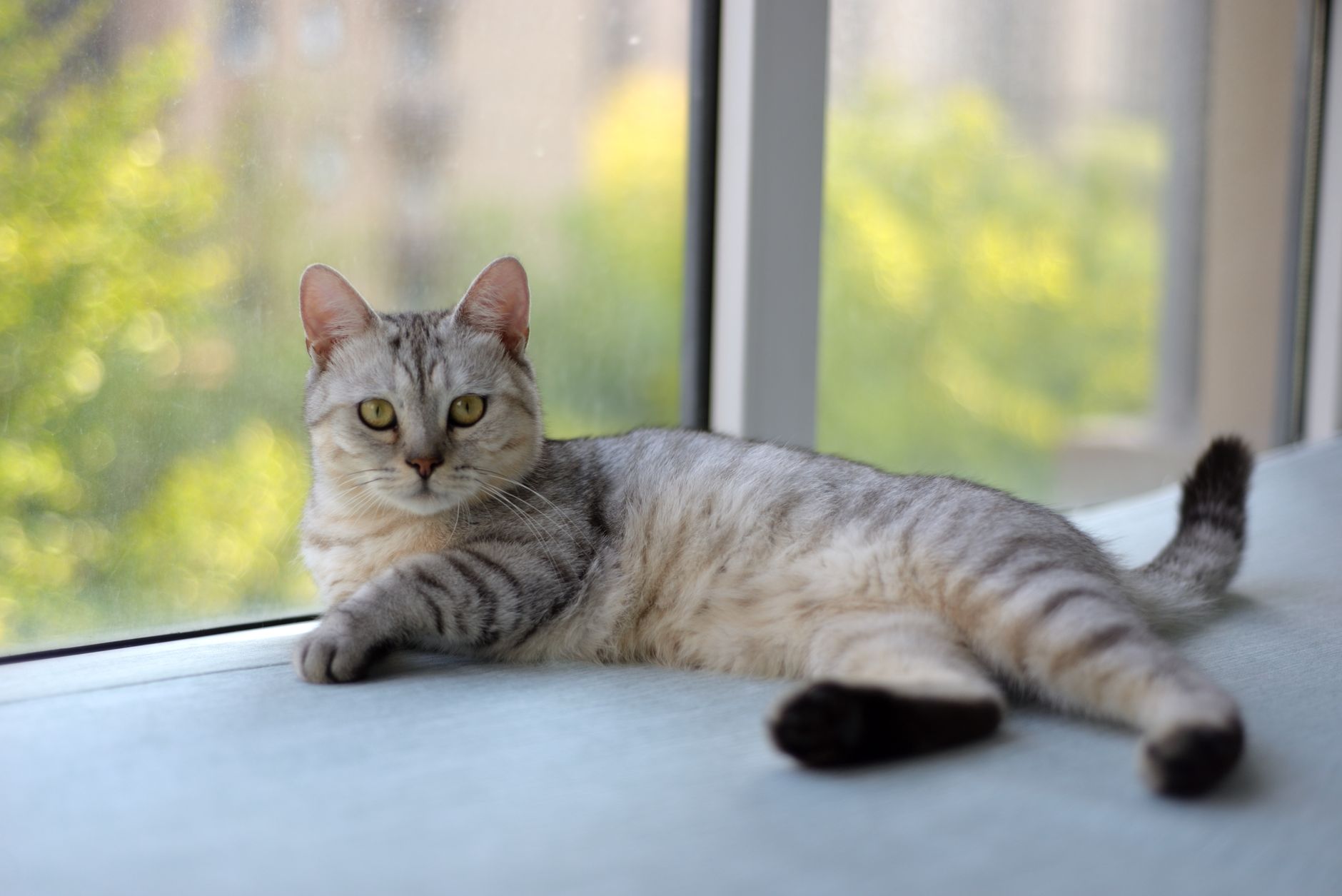
What Temperature is Too Hot for Cats Indoors?
The danger zone for indoor cats is generally considered to be above 90°F (32°C). It’s crucial to understand what temperature is too hot for cats indoors to prevent heatstroke and ensure their well-being.

Understanding Feline Thermal Comfort
Cats, while adaptable, are vulnerable to overheating, especially in indoor environments. Understanding their thermal comfort range is vital for responsible pet ownership. Unlike humans, cats have limited ability to sweat. They primarily regulate their body temperature through panting and grooming, making them more susceptible to heat stress. What temperature is too hot for cats indoors depends on several factors, including breed, age, health, and humidity.

What colours are fish most attracted to?
Can you put your finger in a trout's mouth?
Is methylene blue anti bacterial?
Does aquarium salt raise pH in aquarium?
Factors Affecting Heat Tolerance in Cats

Several factors influence a cat’s ability to tolerate high temperatures.
- Breed: Breeds with thick fur, such as Persians and Maine Coons, are more prone to overheating. Conversely, hairless breeds like Sphynx cats are also susceptible to extreme temperatures due to the lack of insulation.
- Age: Kittens and senior cats have a harder time regulating their body temperature.
- Health: Cats with underlying health conditions, such as heart disease or respiratory issues, are at increased risk of heatstroke.
- Humidity: High humidity levels exacerbate the effects of heat, making it difficult for cats to cool down through panting.
Recognizing the Signs of Overheating
Recognizing the signs of overheating in cats is crucial for prompt intervention.
Common symptoms include:
- Excessive panting
- Restlessness and agitation
- Drooling
- Lethargy and weakness
- Increased heart rate
- Red gums and tongue
- Vomiting or diarrhea
- Seizures or collapse (in severe cases)
If you notice any of these signs, it’s essential to take immediate action to cool your cat down and seek veterinary attention.
Preventing Overheating in Cats
Prevention is key when it comes to protecting your cat from heat stress.
Here are some practical tips:
- Maintain a comfortable indoor temperature: Aim for a temperature between 72-78°F (22-26°C).
- Provide plenty of fresh water: Ensure your cat always has access to clean, cool water.
- Offer shaded areas: Create shaded areas indoors where your cat can escape the sun.
- Use fans or air conditioning: Fans can help circulate air, while air conditioning provides optimal cooling.
- Provide cooling mats or towels: These can help lower your cat’s body temperature.
- Avoid strenuous activity during hot weather: Limit playtime and outdoor excursions during peak heat hours.
- Never leave your cat in a parked car: Even on a mildly warm day, the temperature inside a car can quickly rise to dangerous levels.
Actionable Steps if Your Cat is Overheating
If you suspect your cat is overheating, take the following steps:
- Move your cat to a cool, shaded area.
- Offer small amounts of cool water.
- Apply cool (not ice-cold) water to their ears, paws, and groin area.
- Place a cool, damp towel underneath them.
- Use a fan to circulate air around your cat.
- Monitor their condition closely.
- Contact your veterinarian immediately.
It’s important to act quickly and cautiously when dealing with heatstroke in cats.
Tools to Help Maintain a Safe Indoor Temperature for Cats
Several tools can assist in keeping your indoor environment comfortable for your feline friend:
- Thermometers: Monitor the temperature in different areas of your home.
- Humidifiers/Dehumidifiers: Control humidity levels to optimize comfort.
- Smart thermostats: Allow you to remotely adjust the temperature.
- Cooling mats: Provide a comfortable and cool surface for your cat to lie on.
- Pet water fountains: Encourage hydration by providing a constant source of fresh, flowing water.
| Tool | Description | Benefits |
|---|---|---|
| Thermometer | Measures air temperature. | Helps monitor and maintain optimal temperature ranges. |
| Humidifier/Dehumidifier | Controls humidity levels. | Prevents excessive humidity, which exacerbates heat stress. |
| Smart Thermostat | Allows remote temperature adjustment. | Enables precise control of indoor temperature, even when you’re away. |
| Cooling Mat | Provides a cool surface for the cat to lie on. | Helps dissipate heat and provides comfort. |
| Pet Water Fountain | Provides a constant source of fresh, flowing water. | Encourages hydration, crucial for regulating body temperature. |
The Role of Humidity
Humidity plays a significant role in a cat’s ability to regulate its body temperature. High humidity levels make it difficult for cats to cool down through panting, as the air is already saturated with moisture. This can lead to a rapid increase in body temperature and increase the risk of heatstroke. Maintaining optimal humidity levels (around 30-50%) is essential for feline comfort, especially when the temperature is too hot for cats indoors.
Long-Term Effects of Heat Exposure
Repeated exposure to high temperatures can have long-term health consequences for cats. These include:
- Increased risk of kidney damage
- Compromised immune function
- Exacerbation of existing health conditions
- Chronic dehydration
- Reduced overall quality of life
It is vital to proactively manage your cat’s environment to minimize their risk of heat-related health problems.
Common Mistakes to Avoid
Several common mistakes can contribute to overheating in cats.
- Overlooking humidity levels: Focus only on temperature while neglecting the humidity can be dangerous.
- Assuming cats can handle heat: Cats are more vulnerable to overheating than many people realize.
- Not providing enough water: Dehydration increases the risk of heatstroke.
- Leaving cats in direct sunlight: Provide shaded areas where cats can escape the sun.
- Ignoring early warning signs: Prompt intervention is critical for preventing severe heatstroke.
- Thinking Fans alone are enough: While fans help, they may not suffice in high heat. A/C may be needed.
Additional Tips for Keeping Cats Cool
Beyond the standard precautions, consider these additional strategies:
- Brush your cat regularly: Removing excess fur can help improve air circulation.
- Offer frozen treats: Freeze diluted tuna juice or chicken broth into ice cubes for a refreshing treat.
- Place a damp cloth in front of a fan: This can create a cooling breeze.
- Consider a cat-safe paddling pool: Some cats enjoy playing in shallow water.
Ensuring Proper Ventilation
Proper ventilation is critical for maintaining a comfortable indoor environment for cats. Stagnant air can trap heat and increase humidity, making it difficult for cats to cool down. Open windows (with secure screens) to promote airflow, and ensure that your air conditioning system is functioning efficiently. What temperature is too hot for cats indoors is often exacerbated by poor ventilation.
Frequently Asked Questions
At what temperature should I be concerned about my cat indoors?
You should start to be concerned about your cat when the indoor temperature reaches 85°F (29°C), especially if humidity is high. Above 90°F (32°C), the risk of heatstroke increases significantly. Monitoring the temperature and your cat’s behavior is crucial at these levels.
Can cats die from being too hot?
Yes, cats can die from heatstroke if their body temperature rises to dangerous levels (above 105°F/40.5°C). Heatstroke can cause organ damage, neurological problems, and ultimately, death. It is essential to recognize the signs of overheating and take prompt action.
Is air conditioning necessary for cats in the summer?
While not always strictly necessary, air conditioning can be very beneficial for cats during the summer, especially if you live in a hot and humid climate. It helps maintain a comfortable and safe indoor temperature, reducing the risk of heat stress. If A/C is unavailable, utilize fans, cooling mats, and plentiful water.
What is the ideal humidity level for cats indoors?
The ideal humidity level for cats indoors is between 30-50%. High humidity can exacerbate the effects of heat, making it harder for cats to cool down. Use a dehumidifier if necessary to maintain optimal humidity levels.
How can I tell if my cat is dehydrated?
Signs of dehydration in cats include sunken eyes, dry gums, and decreased skin elasticity. To test skin elasticity, gently pinch the skin on the back of their neck. If it doesn’t return to its normal position quickly, your cat may be dehydrated and needs more water.
Can all cats tolerate the same indoor temperature?
No, individual cats have different levels of heat tolerance based on factors like breed, age, health, and fur thickness. Cats with thick fur, kittens, senior cats, and those with underlying health conditions are more susceptible to overheating.
Are some cat breeds more prone to heatstroke?
Yes, certain cat breeds, particularly those with thick fur like Persians and Maine Coons, are more prone to heatstroke. Hairless breeds like Sphynx cats also have difficulty regulating their body temperature and are vulnerable to both heat and cold. What temperature is too hot for cats indoors affects these breeds differently.
Is it okay to shave my cat’s fur in the summer to keep them cool?
While shaving your cat’s fur might seem like a good idea, it’s generally not recommended unless medically necessary. A cat’s fur provides insulation against both heat and cold. Shaving it can disrupt their natural temperature regulation and increase their risk of sunburn.
Can I use ice water to cool down my cat?
Avoid using ice water to cool down your cat, as it can cause shock and constriction of blood vessels, making it harder for their body to dissipate heat. Use cool (not ice-cold) water to gently dampen their fur, particularly on their ears, paws, and groin area.
How often should I change my cat’s water bowl in hot weather?
You should change your cat’s water bowl at least twice a day in hot weather to ensure they have access to fresh, cool water. Consider using a pet water fountain to encourage hydration.
What should I do if my cat is panting excessively?
Excessive panting in cats is a sign of overheating and should be taken seriously. Move your cat to a cool area, offer them water, apply cool water to their paws and ears, and contact your veterinarian immediately. Prompt action is crucial.
Are older cats more at risk from high temperatures?
Yes, older cats are more at risk from high temperatures because they may have underlying health conditions and a reduced ability to regulate their body temperature. Pay extra attention to senior cats during hot weather and ensure they have access to plenty of water and cool, shaded areas.