

What Should the Swimming Motions of a Fish Look Like?
The swimming motions of a fish are complex and diverse, depending on the species and environment, but generally involve coordinated undulations of the body and tail for propulsion, combined with fin movements for stability, maneuvering, and braking.
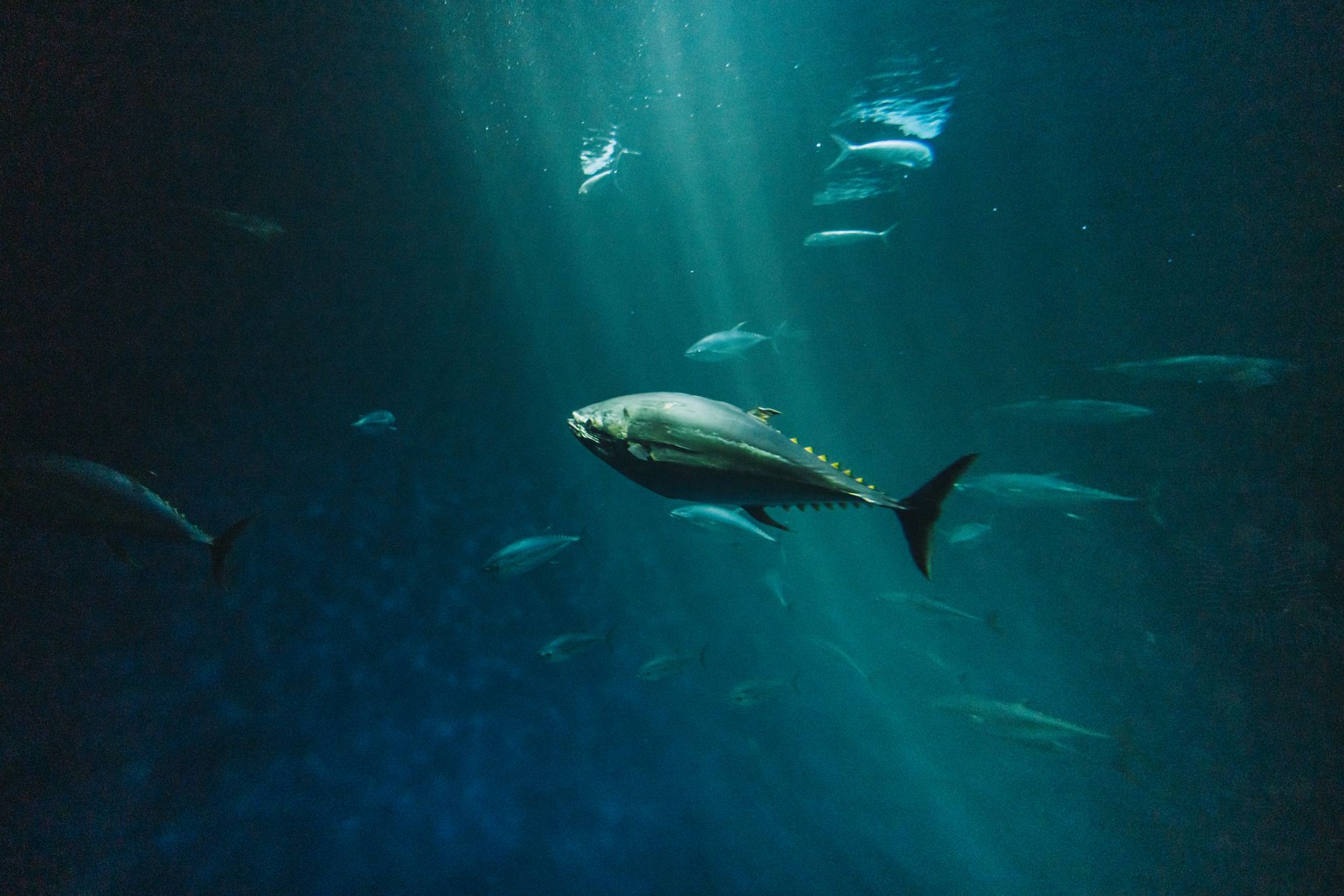
Introduction: The Art and Science of Fish Locomotion
The graceful and seemingly effortless way a fish navigates its aquatic world has captivated scientists and nature enthusiasts for centuries. But what exactly defines the ideal swimming motions of a fish? The answer is surprisingly multifaceted, influenced by factors ranging from the fish’s anatomical structure to the water’s density and flow. This article will delve into the biomechanics of fish swimming, exploring the fundamental principles that govern their locomotion and the diverse strategies employed by different species. Understanding these principles isn’t just academically interesting; it has practical applications in fields like bio-inspired robotics and fisheries management.

Are fish heads good for the garden?
Can fish hear water?
What is cotton rot in fish?
What colours are fish most attracted to?
The Fundamentals of Fish Swimming

Fish swimming, at its core, is a remarkable example of biological engineering. The goal is to generate thrust and overcome drag to move efficiently through the water. This is achieved through a coordinated dance of muscle contractions, skeletal structures, and fin movements. The interaction between the fish’s body and the surrounding water is crucial.
Different Swimming Styles: A Spectrum of Locomotion
Not all fish swim in the same way. The swimming motions of a fish vary drastically based on its lifestyle, habitat, and evolutionary history. Here are some key swimming styles:
- Anguilliform: This style, common in eels, involves undulation of the entire body.
- Carangiform: Seen in many familiar fish like trout and herring, this involves undulation mainly of the posterior half of the body.
- Thunniform: Characteristic of tuna and sharks, this involves oscillation of only the tail fin. It’s incredibly efficient for sustained high-speed swimming.
- Ostraciiform: This style, employed by boxfish, involves oscillation of the caudal fin while the body remains relatively rigid.
The Role of Fins
Fins are essential components of a fish’s swimming apparatus. They serve multiple purposes:
- Stabilization: Dorsal and anal fins help prevent rolling and yawing.
- Steering: Pectoral and pelvic fins enable precise maneuvering and turning.
- Braking: Pectoral fins can be used to slow down or stop.
- Propulsion: The caudal fin is the primary source of thrust in many species.
The shape and size of a fish’s fins are directly related to its swimming style and habitat. For example, fish living in fast-flowing rivers tend to have larger pectoral fins for increased maneuverability, while open-ocean swimmers often have streamlined bodies and powerful caudal fins for efficient cruising.
Muscle Architecture and Propulsion
The muscles that power a fish’s swimming motions are arranged in segments called myomeres. These muscles contract sequentially, creating the wave-like motion that propels the fish forward. The shape and arrangement of the myomeres, as well as the type of muscle fibers (red for sustained swimming, white for burst swimming), play a significant role in determining a fish’s swimming capabilities.
Common Mistakes in Observing Fish Swimming
When observing the swimming motions of a fish, it’s easy to make assumptions or overlook subtle details. Here are some common pitfalls:
- Overgeneralization: Assuming that all fish swim in the same way.
- Ignoring Fin Movements: Focusing solely on body undulation and neglecting the crucial role of the fins.
- Underestimating the Impact of Water: Failing to consider the effects of water density, viscosity, and turbulence.
- Neglecting Environmental Context: Not accounting for the influence of habitat on swimming behavior.
Factors Influencing Swimming Performance
Numerous factors influence how effectively a fish can swim.
| Factor | Description | Impact on Swimming |
|---|---|---|
| Body Shape | Streamlined bodies reduce drag; deeper bodies provide greater thrust but increase drag. | Dictates speed, efficiency, and maneuverability. |
| Fin Shape | Different fin shapes are optimized for different functions (stability, steering, propulsion). | Determines turning radius, braking ability, and propulsive force. |
| Muscle Type | Red muscle fibers are for sustained swimming; white muscle fibers are for burst swimming. | Influences endurance and maximum speed. |
| Water Temperature | Temperature affects water viscosity and fish metabolic rate. | Impacts swimming speed, endurance, and overall performance. |
| Water Salinity | Salinity affects water density and buoyancy. | Alters the energy required for swimming and maneuvering. |
The Energetics of Fish Swimming
Swimming is an energetically demanding activity, and fish have evolved a variety of strategies to minimize energy expenditure. These strategies include optimizing body shape, using hydrodynamic lift, and exploiting natural currents. Understanding the energetics of fish swimming is crucial for assessing their ecological roles and predicting their responses to environmental changes.
Frequently Asked Questions (FAQs)
What is the most efficient swimming style for a fish?
The most efficient swimming style depends on the fish’s lifestyle and environment. Thunniform swimming, employed by tuna and sharks, is highly efficient for sustained high-speed swimming over long distances. However, it may not be suitable for maneuvering in complex habitats.
How do fish use their lateral line to aid in swimming?
The lateral line is a sensory organ that detects changes in water pressure and flow. Fish use their lateral line to sense obstacles, detect prey, and coordinate their movements with other fish in a school. This sensory input helps them navigate complex environments and optimize their swimming performance.
What role does mucus play in fish swimming?
Mucus reduces drag by smoothing the surface of the fish and reducing friction with the water. This can significantly improve swimming efficiency, especially at higher speeds.
How does body size affect swimming performance?
In general, larger fish tend to swim faster and more efficiently than smaller fish, due to their more favorable surface area to volume ratio and higher muscle mass. However, body size can also affect maneuverability and access to certain habitats.
Do fish get tired when they swim?
Yes, fish do get tired when they swim. The build-up of lactic acid in their muscles during strenuous activity can lead to fatigue. Different species have varying levels of endurance, depending on their lifestyle and swimming habits.
How do fish schools coordinate their swimming movements?
Fish schools coordinate their swimming movements through a combination of visual cues, lateral line sensing, and hydrodynamic interactions. Each fish adjusts its position and speed based on the movements of its neighbors, creating a synchronized swimming pattern.
What is the difference between burst swimming and sustained swimming?
Burst swimming involves short bursts of high-speed activity, powered by white muscle fibers. Sustained swimming involves lower-speed, long-duration activity, powered by red muscle fibers. Most fish can switch between these two modes of swimming, depending on their needs.
How does pollution affect fish swimming performance?
Pollution can negatively affect fish swimming performance by damaging their gills, disrupting their sensory systems, and impairing their muscle function. This can make it harder for them to find food, avoid predators, and reproduce.
What is the significance of the caudal peduncle?
The caudal peduncle is the narrow region of the body just before the tail fin. It serves as a pivot point for the tail fin, allowing for efficient transfer of energy from the muscles to the water. A strong and well-developed caudal peduncle is essential for powerful swimming.
How can we study fish swimming motions?
Scientists use a variety of techniques to study fish swimming motions, including high-speed video recording, computational fluid dynamics (CFD) modeling, and electromyography (EMG) to measure muscle activity. These techniques provide valuable insights into the biomechanics and energetics of fish swimming.
Can fish swim backwards?
While most fish are primarily adapted for forward swimming, some species can swim backwards to a limited extent. They typically use their pectoral fins to generate reverse thrust and maneuver in tight spaces.
How do swimming motions of a fish apply to Bio-Inspired robotics?
The swimming motions of a fish inspire the creation of underwater robots with greater efficiency, maneuverability, and stealth. By mimicking the undulatory movements and fin coordination of fish, engineers can develop robots that are better suited for tasks such as underwater exploration, environmental monitoring, and search and rescue operations.