

What Shark Looks Like a Ghost? Unveiling the Phantom of the Deep
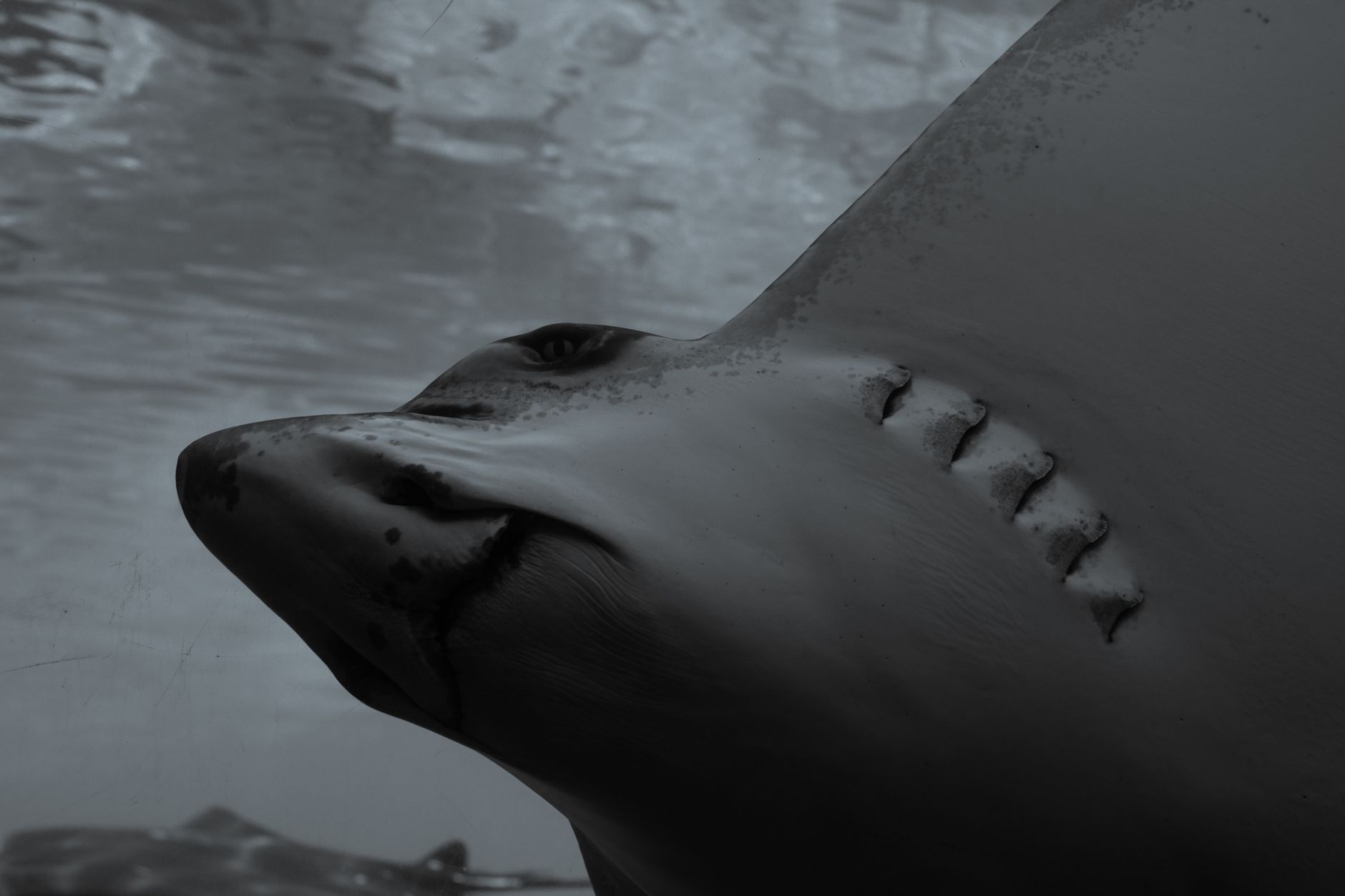
The ghost shark, also known as chimaeras, are the sharks that most closely resemble ghostly apparitions. These cartilaginous fish, with their pale skin, large eyes, and ethereal movements, are the true phantoms of the deep sea.
The Enigmatic World of Chimaeras
Chimaeras, also known as ghost sharks, ratfish, or spookfish, belong to the subclass Holocephali within the class Chondrichthyes (cartilaginous fishes). This puts them in the same overall group as sharks and rays, but they are distinct and have evolved separately for hundreds of millions of years. They are among the most ancient groups of fish alive today. Their otherworldly appearance and deep-sea habitat contribute to their ghostly reputation. The question, “What shark looks like a ghost?” is definitively answered by observing these fascinating creatures.
What colours are fish most attracted to?
Can you put your finger in a trout's mouth?
Is methylene blue anti bacterial?
Does aquarium salt raise pH in aquarium?
Physical Characteristics Contributing to the Ghostly Look

Several physical characteristics contribute to the chimaera’s spectral appearance:
- Pale Skin: Most chimaeras have pale, almost translucent skin. This lack of pigmentation enhances their ethereal quality and makes them appear ghostly in the dimly lit depths they inhabit.
- Large, Reflective Eyes: Their eyes are proportionally large and highly reflective, adapted for seeing in low-light conditions. These eyes often give off an eerie glow, adding to their ghostly visage.
- Elongated Body Shape: Chimaeras possess an elongated, streamlined body shape, often with tapering tails. This body form, combined with their undulating swimming style, contributes to their fluid, almost ethereal movement through the water.
- Sensory Pores: They also have visible sensory pores on their snouts, allowing them to detect prey in the murky depths. This contributes to an uneven, sometimes unnerving texture to their appearance.
Habitat and Behavior of Ghost Sharks
Ghost sharks typically inhabit deep-sea environments, often found at depths ranging from 200 to 2,600 meters (660 to 8,500 feet). This preference for the deep, dark waters of the ocean contributes to their elusive and mysterious nature. This is one of the factors that contributes to what shark looks like a ghost? being a creature of mystery.
- Deep-Sea Dwellers: Their deep-sea habitat means they are rarely encountered by humans, adding to their mystique.
- Cartilaginous Skeleton: Like sharks, chimaeras have a skeleton made of cartilage rather than bone, making them lightweight and adaptable to deep-sea pressures.
- Diet and Feeding: They are typically bottom-dwelling predators, feeding on small invertebrates and fish.
- Unique Reproduction: Chimaeras lay eggs in leathery capsules on the seafloor.
Evolutionary Significance and Conservation
Chimaeras represent an ancient lineage of cartilaginous fishes, offering valuable insights into the evolution of vertebrates. Understanding these creatures is crucial for comprehending the diversity of life in the deep sea. While specific conservation statuses vary among different species, many chimaeras face threats from deep-sea fishing activities. Protecting their habitats and managing fisheries sustainably is essential for ensuring their survival.
Distinguishing Ghost Sharks from Other Sharks
Although often referred to as “ghost sharks,” chimaeras are not true sharks. They are distinct from sharks in several ways:
- Operculum: Chimaeras possess an operculum, a bony flap covering their gills, unlike sharks, which have exposed gill slits.
- Fused Upper Jaw: The upper jaw of a chimaera is fused to its skull, while sharks have a mobile upper jaw.
- Unique Claspers: Male chimaeras have claspers, reproductive organs, located on their pelvic fins and also a tentaculum on their forehead used to grasp the female during mating.
These distinctions highlight the unique evolutionary path of chimaeras and differentiate them from their shark relatives. Their distinct traits also contribute to what shark looks like a ghost? – it’s a question of both physical appearance and evolutionary lineage.
The Cultural Impact of Ghost Sharks
The ghostly appearance of chimaeras has captured the imagination of scientists and the public alike. They often appear in documentaries and educational programs about the deep sea, raising awareness about these fascinating creatures and the importance of ocean conservation. Their unusual appearance also makes them a subject of curiosity and fascination in popular culture.
Frequently Asked Questions About Ghost Sharks
Are ghost sharks dangerous to humans?
No, ghost sharks are not dangerous to humans. They are deep-sea creatures that rarely encounter people, and their small size and feeding habits pose no threat. In fact, their elusive nature makes it unlikely for divers or fishermen to even see them in their natural habitat.
How do ghost sharks breathe?
Ghost sharks breathe using gills covered by an operculum, a protective bony flap. This is a key difference between them and true sharks, which have exposed gill slits. The operculum helps to regulate water flow over the gills, allowing them to extract oxygen from the water efficiently.
What do ghost sharks eat?
Ghost sharks are bottom-dwelling predators that primarily feed on small invertebrates and fish. Their diet includes crustaceans, mollusks, worms, and other small organisms found on the seafloor. They use their sensory pores to detect prey in the murky depths.
Where do ghost sharks live?
Ghost sharks live in deep-sea environments, typically at depths ranging from 200 to 2,600 meters (660 to 8,500 feet). They are found in oceans around the world, including the Atlantic, Pacific, and Indian Oceans. Their deep-sea habitat contributes to their elusive nature and ghostly appearance, answering the question, what shark looks like a ghost?
How big do ghost sharks get?
Ghost sharks vary in size depending on the species, but they are generally smaller than most sharks. Most species reach lengths of around 60 to 120 centimeters (2 to 4 feet).
How long do ghost sharks live?
The lifespan of ghost sharks is not well-known for many species, but it is estimated that some species can live for up to 26 years or more. Their slow growth rates and deep-sea habitat make it difficult to study their longevity.
Are ghost sharks related to sharks?
Yes, ghost sharks are related to sharks, but they are not true sharks. They belong to the subclass Holocephali within the class Chondrichthyes (cartilaginous fishes), which also includes sharks and rays. They are an ancient lineage that has evolved separately from sharks for hundreds of millions of years.
What are some other names for ghost sharks?
Ghost sharks are also known as chimaeras, ratfish, and spookfish. These names reflect their unusual appearance and behavior, especially their pale coloration, leading to the question, what shark looks like a ghost?
Are ghost sharks endangered?
The conservation status of ghost sharks varies depending on the species. Some species are not currently considered endangered, while others may be threatened by deep-sea fishing activities. More research is needed to assess the conservation status of many ghost shark species.
How do ghost sharks reproduce?
Ghost sharks reproduce by laying eggs in leathery capsules on the seafloor. The eggs can take several months or even years to hatch, depending on the species and environmental conditions.
What is the function of the tentaculum on the male ghost shark’s forehead?
The tentaculum, located on the forehead of male chimaeras, is a unique reproductive structure. It is believed to be used to grasp the female during mating, helping the male maintain his position during copulation.
What is special about the chimaera’s skeleton?
Like sharks and rays, the chimaera’s skeleton is made of cartilage, not bone. This cartilaginous skeleton makes them lightweight and adaptable to the high pressures of the deep sea. This feature is common to both sharks and chimaeras. The key to what shark looks like a ghost? lies more in their external appearance than the structure of their skeleton.