
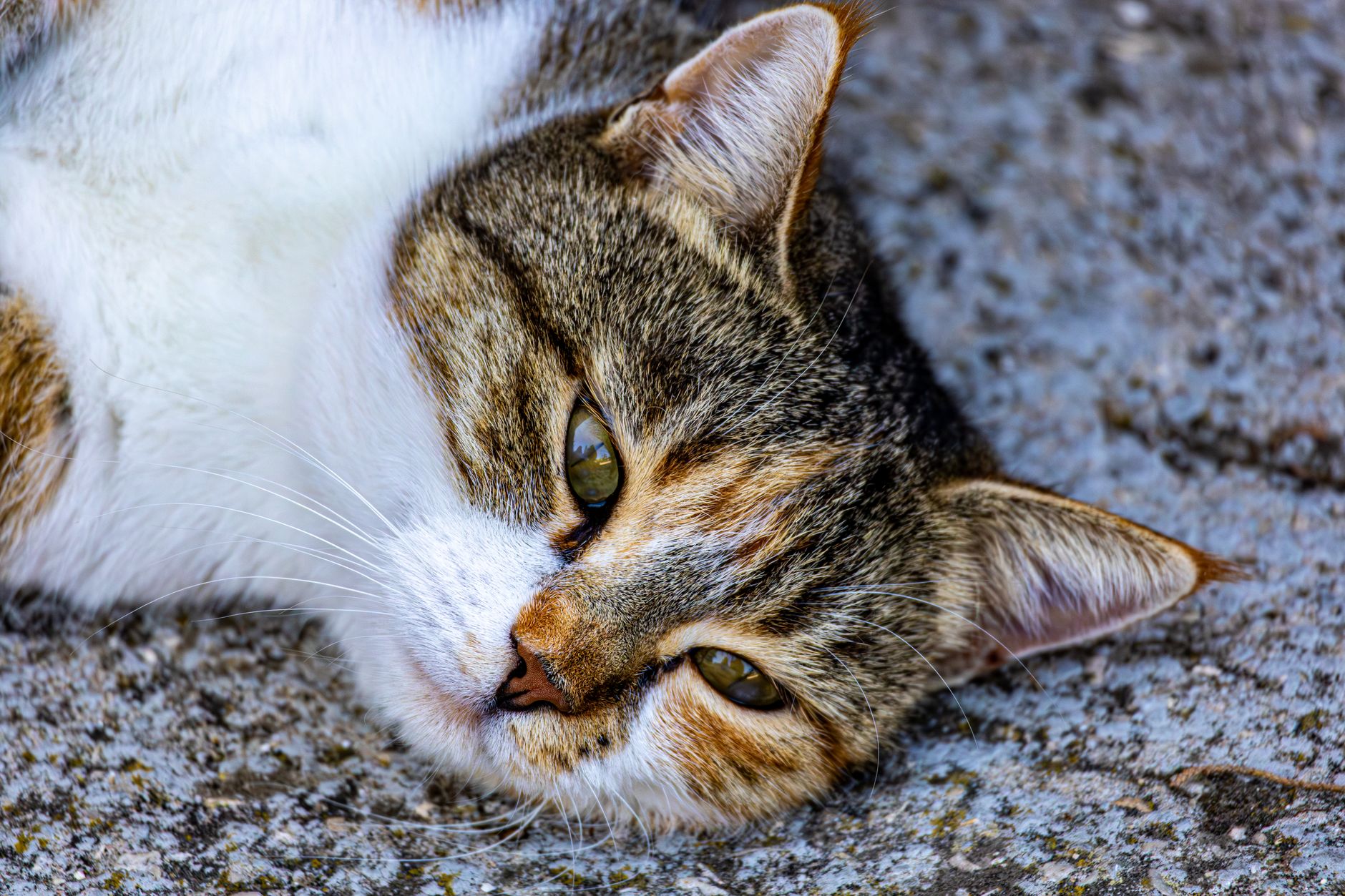
What Settles a Cat’s Stomach?
Discover the secrets to soothing your feline friend’s digestive woes. What settles a cat’s stomach? is often a blend of dietary adjustments, managing stress, and occasionally, veterinary intervention to address underlying medical conditions.

Understanding Feline Digestive Distress
Cats, despite their reputation for independence, are surprisingly sensitive creatures, and their stomachs are no exception. Many things can disrupt a cat’s delicate digestive balance, leading to discomfort, vomiting, diarrhea, and a general lack of well-being. Understanding the root cause is the first step in finding a solution.

What colours are fish most attracted to?
Can you put your finger in a trout's mouth?
Is methylene blue anti bacterial?
Does aquarium salt raise pH in aquarium?
Common Causes of Upset Stomachs in Cats

Numerous factors can trigger digestive problems in cats. Identifying the culprit is crucial for effective treatment.
- Dietary Indiscretion: This is perhaps the most common cause. Cats, particularly those allowed outdoors, may ingest things they shouldn’t, such as spoiled food, garbage, or foreign objects like string or small toys.
- Food Allergies and Intolerances: Cats can develop allergies or intolerances to ingredients commonly found in commercial cat food, such as certain proteins (beef, chicken, fish) or grains.
- Sudden Diet Changes: Abrupt changes in food can upset the digestive system. Transitions should always be gradual.
- Parasites: Intestinal parasites like roundworms, hookworms, and giardia are frequent offenders, especially in kittens and outdoor cats.
- Hairballs: Long-haired cats, in particular, are prone to hairballs, which can cause vomiting and constipation.
- Stress and Anxiety: Just like humans, cats can experience digestive upset due to stress, such as changes in their environment, loud noises, or the introduction of a new pet.
- Underlying Medical Conditions: In some cases, digestive problems can be a symptom of a more serious medical condition, such as inflammatory bowel disease (IBD), pancreatitis, or kidney disease.
Dietary Strategies: What to Feed a Cat with an Upset Stomach
Choosing the right food is critical when settling a cat’s stomach. The aim is to provide easily digestible nutrients while minimizing potential irritants.
- Bland Diet: A common starting point is a bland diet consisting of boiled, skinless chicken or white fish mixed with plain white rice or sweet potato. This is gentle on the digestive system and provides essential nutrients. Feed small, frequent meals throughout the day.
- Probiotics: Probiotics are beneficial bacteria that can help restore balance to the gut microbiome. They are available in various forms, including powders, capsules, and chews specifically formulated for cats. Look for products containing strains like Enterococcus faecium or Lactobacillus acidophilus.
- Fiber Supplementation: Adding fiber to the diet can help regulate bowel movements, particularly in cases of constipation or diarrhea. Psyllium husk is a good source of soluble fiber. Consult your veterinarian before adding any fiber supplement.
- Hydrolyzed Protein Diets: These diets contain proteins that have been broken down into smaller pieces, making them less likely to trigger allergic reactions. They are often prescribed for cats with suspected food allergies or IBD.
- Prescription Diets: Your veterinarian may recommend a specific prescription diet formulated for cats with sensitive stomachs or gastrointestinal issues. These diets are often highly digestible and contain limited ingredients.
Other Important Considerations
Beyond diet, several other factors play a role in what settles a cat’s stomach.
- Hydration: Ensuring adequate hydration is crucial, especially if your cat is experiencing vomiting or diarrhea. Offer fresh water frequently and consider adding wet food to their diet. You can also try tempting them with flavored water or broth.
- Stress Reduction: Minimize stressors in your cat’s environment. Provide a safe, quiet space where they can retreat when feeling anxious. Consider using pheromone diffusers like Feliway to help reduce stress.
- Veterinary Consultation: If your cat’s symptoms persist for more than 24-48 hours, or if they are severe (e.g., frequent vomiting, bloody diarrhea, lethargy), it’s essential to consult with a veterinarian. They can perform diagnostic tests to determine the underlying cause of the problem and recommend appropriate treatment.
Signs and Symptoms to Watch For
Recognizing the signs of an upset stomach is the first step in helping your cat feel better. Look out for:
- Vomiting
- Diarrhea
- Loss of appetite
- Lethargy
- Abdominal pain (indicated by hunched posture or reluctance to be touched)
- Increased gassiness
- Changes in stool consistency or frequency
Gradual Diet Transitions
When introducing a new food, it’s essential to do so gradually to avoid upsetting your cat’s stomach. Here’s a general guideline:
| Day | Old Food | New Food |
|---|---|---|
| :—– | :——- | :——- |
| Day 1 | 75% | 25% |
| Day 2 | 75% | 25% |
| Day 3 | 50% | 50% |
| Day 4 | 50% | 50% |
| Day 5 | 25% | 75% |
| Day 6 | 25% | 75% |
| Day 7 | 0% | 100% |
This is a general guideline; some cats may need a slower transition period. Monitor your cat for any signs of digestive upset and adjust the transition accordingly.
Frequently Asked Questions
Can I give my cat human medicine for an upset stomach?
Absolutely not! Many human medications are toxic to cats and can cause serious harm or even death. Never administer any medication to your cat without first consulting with your veterinarian. They can prescribe appropriate medications specifically formulated for cats.
Is it normal for cats to vomit occasionally?
Occasional vomiting, particularly if it involves hairballs, may not be cause for immediate alarm. However, frequent or forceful vomiting, especially if accompanied by other symptoms like diarrhea, lethargy, or loss of appetite, warrants a veterinary visit. Persistent vomiting is never normal and could indicate a more serious underlying problem.
How can I prevent hairballs?
Regular grooming is essential for preventing hairballs. Brush your cat frequently, especially during shedding season, to remove loose hair. You can also give your cat hairball control food or treats, which contain ingredients that help lubricate the digestive tract and facilitate the passage of hair. Hairball remedies containing petrolatum (petroleum jelly) should be used sparingly, as excessive use can interfere with nutrient absorption.
What are some signs of food allergies in cats?
Common signs of food allergies in cats include skin problems (itching, redness, hair loss), digestive issues (vomiting, diarrhea), and respiratory symptoms (coughing, sneezing). Diagnosis typically involves an elimination diet followed by a food challenge, under the guidance of your veterinarian.
Can stress cause my cat to have diarrhea?
Yes, stress and anxiety can definitely contribute to diarrhea in cats. The gut-brain connection is strong, and stress can disrupt the normal balance of the gut microbiome, leading to digestive upset. Identifying and minimizing stressors in your cat’s environment can help.
What is a good home remedy for mild cat diarrhea?
A bland diet of boiled chicken or white fish with plain rice can often help to resolve mild diarrhea. You can also offer plain, unflavored pedialyte to help prevent dehydration. However, if the diarrhea is severe, bloody, or persists for more than 24 hours, seek veterinary attention.
How often should I feed my cat with an upset stomach?
When your cat has an upset stomach, it’s often best to feed them small, frequent meals rather than one or two large meals. This allows their digestive system to process the food more easily and reduces the likelihood of vomiting.
Are some cat breeds more prone to digestive problems?
While any cat can experience digestive issues, some breeds may be more predisposed to certain conditions. For example, Siamese cats are known to be more prone to inflammatory bowel disease (IBD).
Can I give my cat yogurt for an upset stomach?
While plain, unsweetened yogurt with live and active cultures can be a source of probiotics, many cats are lactose intolerant, and dairy products can actually worsen their digestive upset. Therefore, it’s generally best to avoid giving your cat yogurt unless specifically recommended by your veterinarian.
What are the potential long-term effects of chronic digestive problems in cats?
Chronic digestive problems can lead to malnutrition, weight loss, dehydration, and a decreased quality of life. In some cases, they can also contribute to the development of more serious conditions such as IBD or pancreatitis. Early diagnosis and treatment are crucial.
When should I be concerned about blood in my cat’s stool?
Blood in the stool is always a cause for concern and warrants a veterinary visit. It can indicate a variety of problems, ranging from mild irritation to more serious conditions like parasites, infections, or tumors.
How can I tell if my cat is dehydrated?
Signs of dehydration in cats include sunken eyes, dry gums, and decreased skin elasticity. You can gently pinch the skin on the back of their neck; if it doesn’t snap back quickly, your cat may be dehydrated. Dehydration can be life-threatening, so it’s important to seek veterinary care immediately if you suspect your cat is dehydrated.