
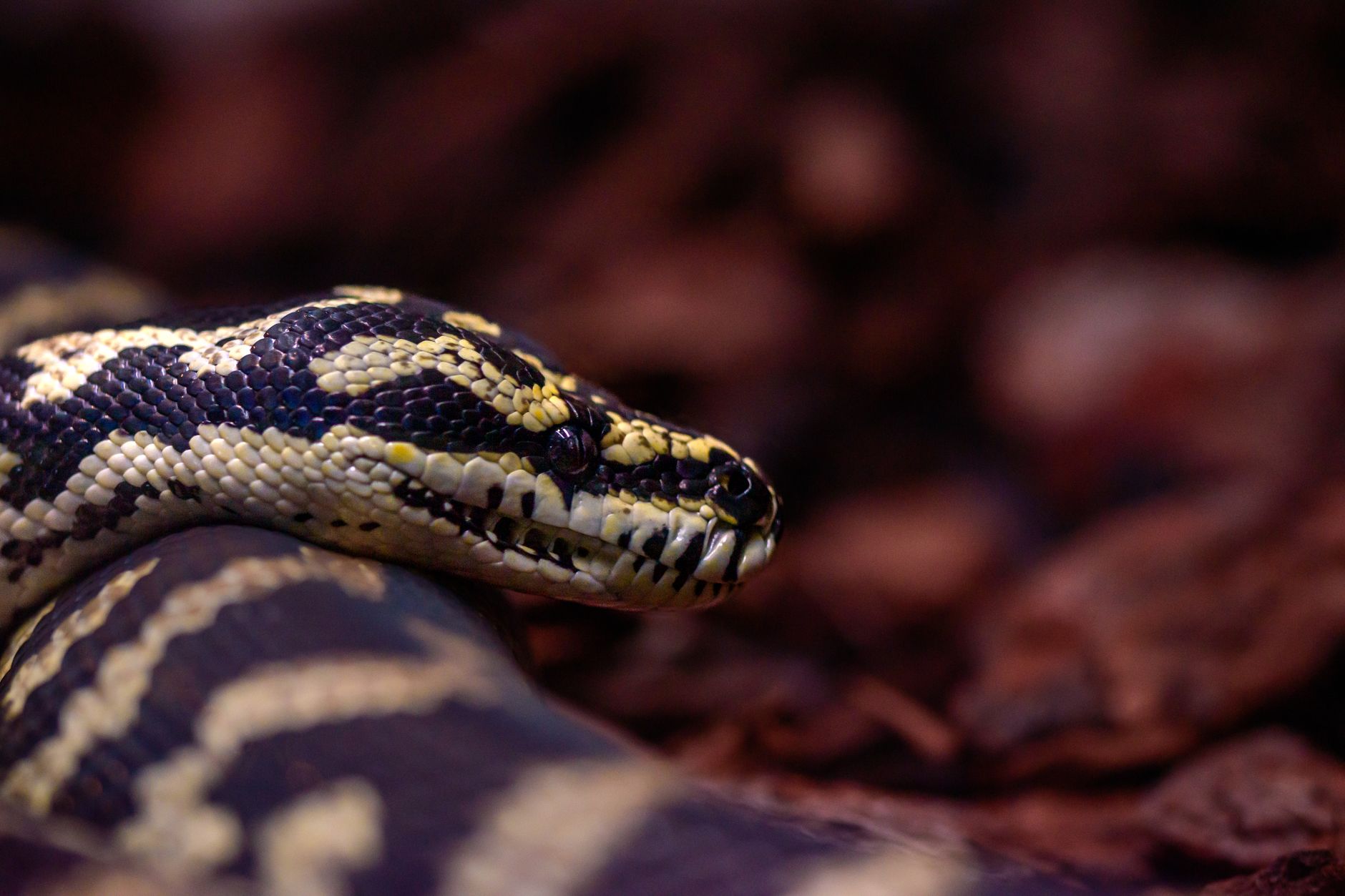
What Scares Pythons? Understanding Python Vulnerabilities
The primary things that scare pythons are predators, sudden movements, and certain environmental changes, triggering their innate survival instincts. Understanding these fears is crucial for coexistence and responsible python handling.

Pythons, magnificent constrictors revered and sometimes feared, occupy diverse ecosystems worldwide. However, these apex predators aren’t invulnerable. Understanding what scares pythons is crucial for conservation, responsible interaction, and even preventing unwanted encounters. This knowledge isn’t just for herpetologists; it’s relevant for anyone living in python habitats, pet owners, and those fascinated by these remarkable creatures. From the rustle of leaves signaling a predator to the disorientation caused by sudden temperature changes, understanding these triggers allows us to appreciate their delicate balance within the natural world.
Natural Predators: The Unseen Threat
Perhaps the most significant source of fear for pythons is the presence of predators. While they are apex predators themselves, pythons, particularly juveniles, are vulnerable to a variety of animals.
- Birds of Prey: Eagles, hawks, and owls will readily prey on smaller pythons. Their aerial attacks are particularly effective in open areas.
- Mammalian Predators: Wild dogs, foxes, feral cats, and even larger rodents can pose a threat, especially to young and vulnerable pythons.
- Other Reptiles: Crocodiles, alligators, and even larger snakes, including other pythons, may prey on smaller individuals.
The constant threat of predation has shaped the python’s behavior, leading to heightened awareness and a tendency to seek refuge in dense vegetation or underground burrows.
What colours are fish most attracted to?
Can you put your finger in a trout's mouth?
Is methylene blue anti bacterial?
Does aquarium salt raise pH in aquarium?
Sudden Movements and Loud Noises: Triggering the Flight Response

Pythons are ambush predators, relying on stealth and patience to capture their prey. Sudden movements and loud noises disrupt this strategy, triggering their flight response.
- Perceived Threat: A sudden movement near a python may be interpreted as an attack, causing it to become defensive or flee.
- Disrupted Hunting: Loud noises can startle a python during a hunt, causing it to abandon its ambush and seek safety.
- Vibrations: Ground vibrations, whether from footsteps or machinery, can also alert pythons to potential danger.
This sensitivity to environmental cues underscores the importance of approaching pythons cautiously and avoiding sudden actions in their vicinity.
Environmental Changes: Disrupting Equilibrium
Pythons are highly sensitive to changes in their environment, particularly temperature and humidity. These changes can disrupt their physiological processes and trigger fear or stress responses.
- Temperature Fluctuations: Extreme temperatures, both hot and cold, can be dangerous for pythons. Rapid changes in temperature can induce stress and weaken their immune system.
- Humidity Levels: Low humidity can lead to dehydration, while excessively high humidity can promote fungal infections.
- Habitat Loss: The destruction and fragmentation of python habitats force them into unfamiliar territories, increasing their vulnerability to predators and other threats.
Maintaining a stable environment is critical for the well-being of captive pythons, and understanding the impact of environmental changes is essential for conservation efforts.
Human Interaction: A Source of Stress
While not always a direct predator, human interaction can be a significant source of stress and fear for pythons.
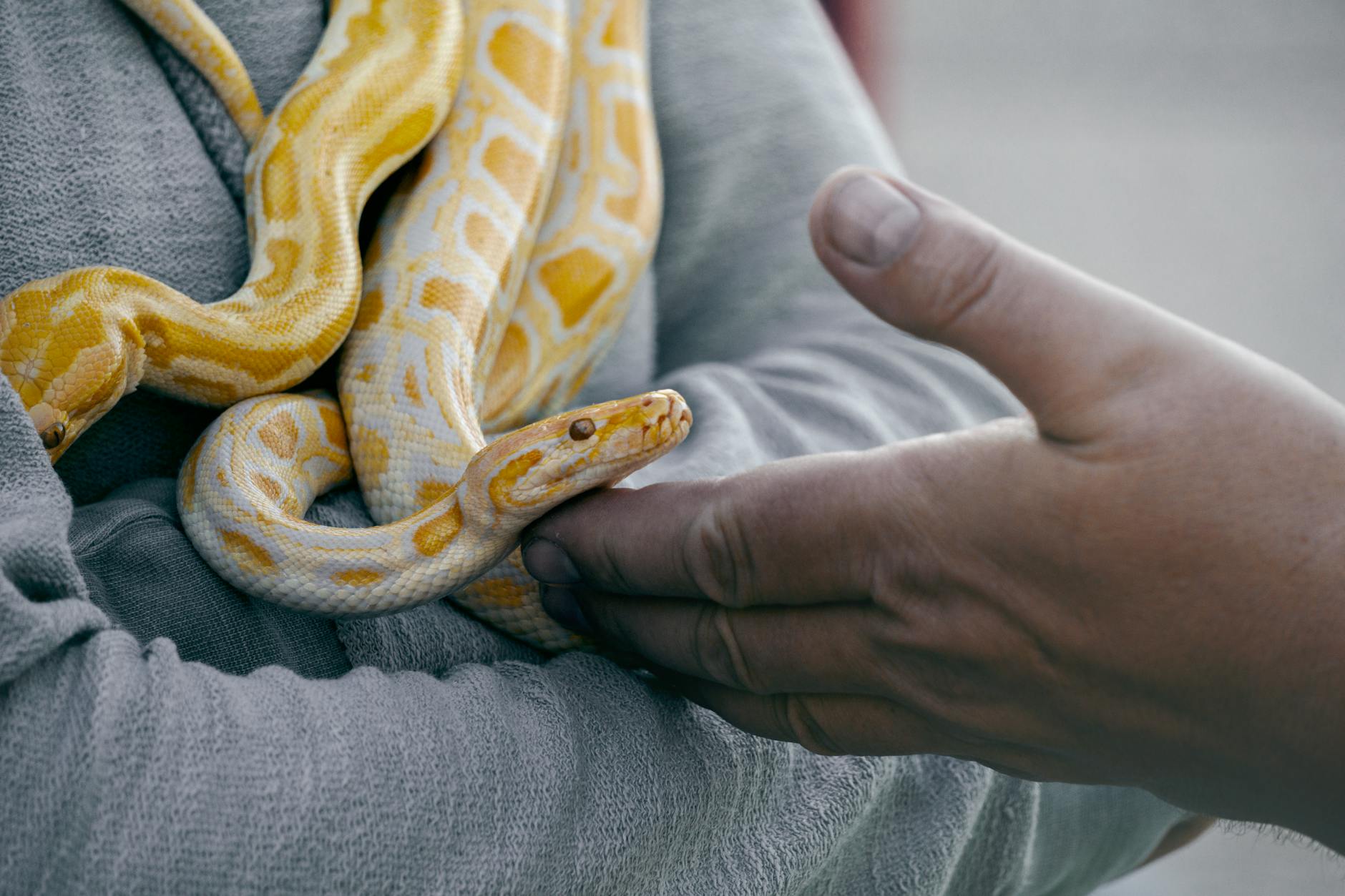
- Capture and Handling: The act of capturing and handling a wild python can be incredibly stressful, potentially leading to injury or even death.
- Habitat Encroachment: Human development often encroaches on python habitats, increasing the likelihood of encounters and potential conflict.
- Persecution: In some areas, pythons are persecuted out of fear or misinformation, further contributing to their stress and vulnerability.
Responsible interaction with pythons is paramount, emphasizing respect for their space and avoiding unnecessary disturbance.
Factors Affecting Fear Response
The intensity of a python’s fear response can vary depending on several factors:
- Age: Younger pythons are generally more fearful than adults due to their increased vulnerability to predators.
- Species: Different python species may exhibit varying levels of boldness or timidity.
- Prior Experiences: A python that has had negative experiences with humans or predators is likely to be more fearful.
- Health: A sick or injured python may be more vulnerable and therefore more fearful.
Understanding these nuances is vital for interpreting python behavior and implementing appropriate conservation strategies.
Summary of What Triggers Fear in Pythons
| Trigger | Explanation | Consequence |
|---|---|---|
| Natural Predators | Birds of prey, mammals, and other reptiles pose a direct threat. | Flight, defensive behavior, increased vigilance. |
| Sudden Movements | Unexpected movements are perceived as potential attacks. | Flight, striking, defensive posturing. |
| Loud Noises | Disrupt hunting and signal potential danger. | Flight, hiding, reduced foraging efficiency. |
| Environmental Changes | Extreme temperatures, humidity fluctuations, and habitat loss disrupt physiological processes. | Stress, weakened immune system, increased vulnerability to predators. |
| Human Interaction | Capture, handling, habitat encroachment, and persecution contribute to stress and fear. | Stress, injury, death, displacement from habitat. |
Frequently Asked Questions
Are pythons afraid of humans?
Generally, pythons aren’t inherently afraid of humans unless they’ve had negative experiences. However, they are cautious and will avoid interaction if possible, primarily due to size difference and perceived threat. Human presence can induce stress and fear, especially if the python feels cornered or threatened.
Do snakes have good hearing, and can that contribute to what scares pythons?
Snakes do not have external ears like mammals. However, they can detect vibrations in the ground and air. This ability allows them to sense approaching threats, such as the footsteps of a predator or the rumble of machinery, which can trigger a fear response. These vibrational cues are key factors in what scares pythons.
Do specific colors scare pythons?
There’s no scientific evidence suggesting that specific colors inherently scare pythons. Their vision is limited, and they primarily rely on movement and contrast to detect prey and threats. However, sudden changes in contrast or brightness could startle them.
What is the best way to avoid scaring a python if I encounter one in the wild?
The best approach is to remain calm and avoid sudden movements. Give the python plenty of space to retreat, and do not attempt to approach or handle it. Slow, deliberate movements and a respectful distance will minimize the chance of startling or provoking the snake.
Are pythons more scared at night than during the day?
It depends on the species and its activity pattern. Some pythons are nocturnal, meaning they are more active at night and potentially less vulnerable then. Others are diurnal or crepuscular. Regardless, any perceived threat, day or night, can trigger a fear response.
Do loud sounds, like construction noises, affect pythons?
Yes, loud and sudden noises, especially coupled with vibrations, can be very stressful for pythons. These noises can disrupt their hunting behavior, cause them to flee, and potentially weaken their immune system over time. It’s a major aspect of what scares pythons.
How do pythons show fear?
Pythons may exhibit various signs of fear, including hissing, striking, coiling into a defensive posture, attempting to flee, or even defecating. They might also flatten their body to appear larger and more intimidating to a potential threat.
Does the size of the python influence how easily it gets scared?
Generally, smaller, younger pythons are more easily scared than larger, more mature individuals. This is because they are more vulnerable to predators and haven’t yet developed the experience to assess threats effectively. Larger pythons, while still cautious, might be bolder due to their increased size and strength.
If a python is scared, can it become aggressive?
Yes, a scared python can become aggressive as a defensive mechanism. If they feel threatened and unable to escape, they may resort to hissing, striking, or biting to protect themselves. Always respect their space and avoid provoking them.
Do captive pythons get scared by the same things as wild pythons?
While captive pythons may become habituated to some stimuli, they can still be easily scared by sudden movements, loud noises, and unfamiliar environments. Improper handling, inadequate enclosure size, and temperature fluctuations can also induce fear and stress.
Is there a way to help a scared python calm down?
To calm a scared python, eliminate the source of the fear if possible. Provide a safe and secure hiding place, minimize handling, and maintain a stable environment with appropriate temperature and humidity. Gentle, slow movements can help to reassure the python over time.
What long-term effects can fear have on a python?
Chronic fear and stress can have significant negative impacts on a python’s health. It can weaken their immune system, making them more susceptible to disease. It can also affect their feeding behavior, reproduction, and overall well-being. Understanding what scares pythons is critical for their welfare.