
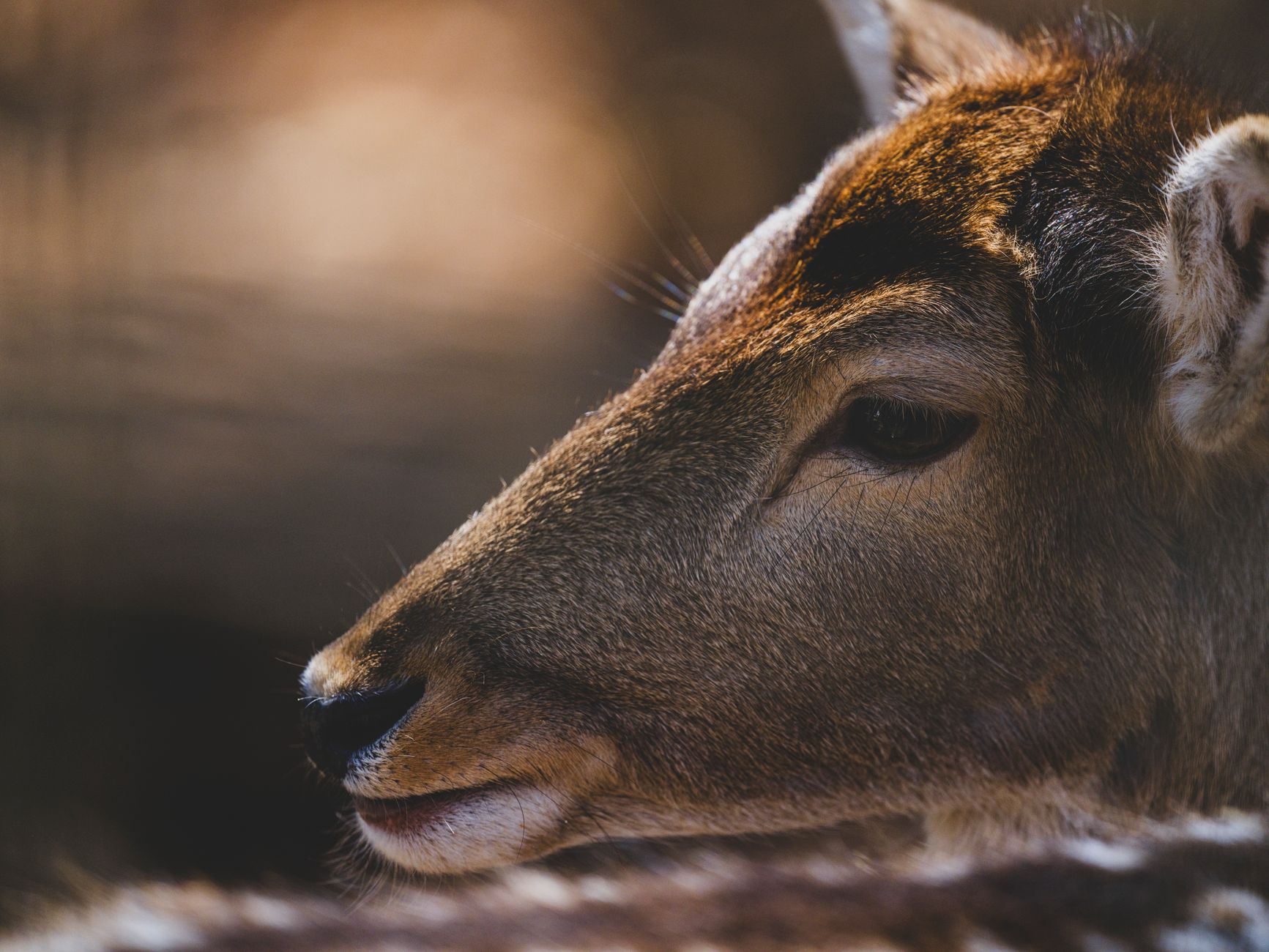
What Purpose Do Deer Serve in the Ecosystem?
Deer play a vital role in the environment as both herbivores and prey animals; they significantly influence plant communities, provide sustenance for predators, and contribute to nutrient cycling, highlighting the critical ecological niche they occupy.
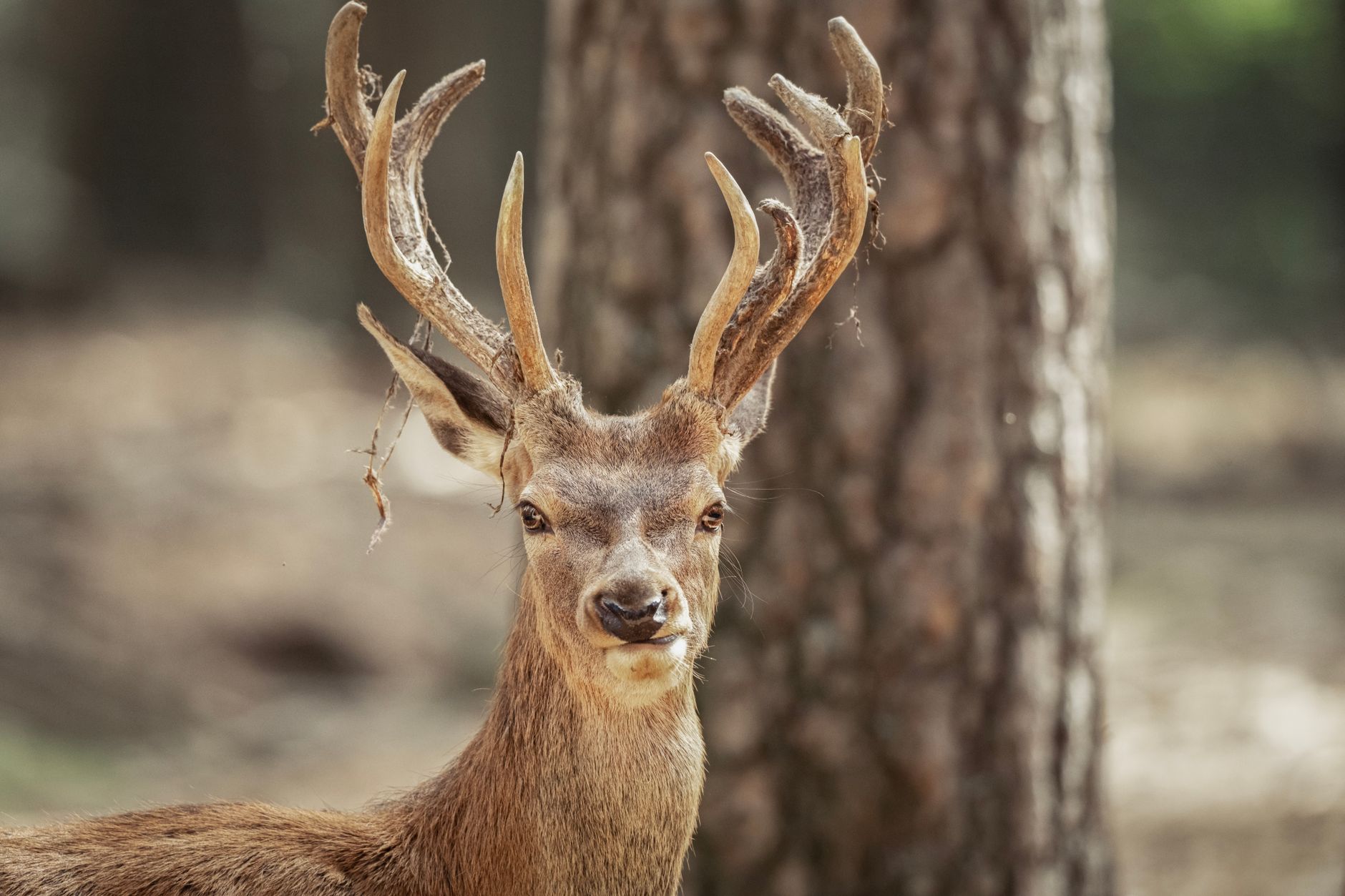
Understanding the Ecological Role of Deer
Deer, majestic creatures often admired for their beauty, are far more than just a scenic presence in our forests and fields. Their presence or absence has a cascading effect on entire ecosystems. Understanding what purpose do deer serve requires examining their interactions within the food web, their impact on vegetation, and their overall contribution to the health and stability of the natural world.

What colours are fish most attracted to?
Can you put your finger in a trout's mouth?
Is methylene blue anti bacterial?
Does aquarium salt raise pH in aquarium?
Herbivory and Vegetation Management

Deer are herbivores, meaning their diet consists primarily of plants. This simple fact has profound implications for the landscape.
- Deer browse on a wide variety of plants, including grasses, shrubs, and trees.
- This browsing can help to control the growth of certain plant species, preventing any single species from dominating an ecosystem.
- In the absence of deer, some plant species might flourish unchecked, outcompeting other plants and reducing biodiversity.
- Conversely, overgrazing by deer can lead to a decline in preferred plant species, resulting in altered plant communities and potential soil erosion.
The impact of deer on vegetation is particularly noticeable in areas where their populations are not naturally regulated by predators. In such cases, deer can significantly alter the composition and structure of forests and grasslands. The influence that they have on the surrounding terrain ultimately helps to further define what purpose do deer serve.
Predation and the Food Web
Deer are an important food source for a variety of predators, including wolves, coyotes, bears, and mountain lions. This predator-prey relationship is a cornerstone of a healthy ecosystem.
- Deer populations help to sustain predator populations, preventing them from over-exploiting other prey species.
- Predation also helps to regulate deer populations, preventing them from becoming too large and overgrazing the vegetation.
- The presence of predators can influence deer behavior, encouraging them to be more vigilant and move around more frequently, reducing the impact of grazing on any single area.
The intricate balance between deer and their predators is crucial for maintaining the overall health and stability of the food web. Their placement in that web helps to clarify what purpose do deer serve.
Nutrient Cycling and Soil Health
Deer also play a role in nutrient cycling. As herbivores, they consume plants and then excrete waste, which contains nutrients that are returned to the soil. This process helps to fertilize the soil and support plant growth.
- Deer droppings are a source of nitrogen, phosphorus, and other essential nutrients.
- These nutrients are then taken up by plants, completing the cycle.
- By consuming plants and redistributing nutrients, deer help to ensure that nutrients are evenly distributed throughout the ecosystem.
This important contribution to nutrient cycling further underscores the essential role deer play in maintaining a healthy and productive ecosystem. It reinforces what purpose do deer serve.
Conservation and Management Challenges
While deer are an integral part of many ecosystems, their populations can sometimes become too large or too small, leading to ecological imbalances.
- Factors such as habitat loss, climate change, and the reduction of predator populations can all affect deer populations.
- Managing deer populations is a complex challenge that requires careful consideration of the ecological, social, and economic factors involved.
- Conservation efforts may include habitat restoration, predator reintroduction, and regulated hunting.
Effective conservation and management strategies are essential for ensuring that deer continue to play their vital role in the environment.
Frequently Asked Questions About Deer
Here are some frequently asked questions that will help illuminate the various roles that deer play in their ecosystems.
Why are deer considered a keystone species in some ecosystems?
Deer are not typically considered a keystone species in the strictest sense. However, they can exert significant influence on plant communities and predator populations, making them an important component of many ecosystems. Their widespread distribution and impact on vegetation qualify them as playing a significant role in shaping their environments.
How do deer contribute to forest regeneration?
While deer can hinder forest regeneration by browsing on tree seedlings, they also contribute by dispersing seeds. Deer consume fruits and berries and then deposit the seeds in new locations through their droppings. This process can help to establish new trees and plants in different areas of the forest.
What are the negative impacts of overpopulation of deer?
Overpopulation of deer can lead to overgrazing, habitat degradation, increased risk of deer-vehicle collisions, and the spread of diseases. Overgrazing can result in a decline in preferred plant species, which, in turn, can affect other animals that rely on those plants for food or shelter.
How can deer populations be managed effectively?
Effective deer population management strategies include regulated hunting, habitat management, predator reintroduction, and fertility control. Regulated hunting is a common and effective method for controlling deer populations. Habitat management involves creating and maintaining suitable habitat for deer, while predator reintroduction can help to naturally regulate deer populations.
Do different species of deer play different roles in their ecosystems?
Yes, different species of deer can play slightly different roles in their ecosystems due to variations in their diet, habitat preferences, and behavior. For example, white-tailed deer are more adaptable to disturbed habitats than mule deer. Elk, being larger, can consume coarser vegetation that smaller deer may avoid.
What role do deer play in the spread of Lyme disease?
Deer do not directly transmit Lyme disease. The disease is spread by blacklegged ticks, which feed on deer and other animals. Deer serve as a host for adult ticks, helping to maintain tick populations. However, deer are not infected with the bacteria that causes Lyme disease.
How do deer adapt to different climates and environments?
Deer have various adaptations that allow them to thrive in different climates and environments. For example, white-tailed deer develop thicker coats in colder climates and can alter their diet to take advantage of available food sources. Their ability to adapt is important to what purpose do deer serve.
What is the impact of climate change on deer populations and their role in ecosystems?
Climate change can have a significant impact on deer populations and their role in ecosystems. Changes in temperature and precipitation patterns can affect the availability of food and water for deer, as well as the distribution of their predators. Shifts in vegetation zones could also lead to changes in deer habitat and range.
How do deer interact with other herbivores in their ecosystems?
Deer interact with other herbivores through competition for resources and through indirect effects on plant communities. In some cases, deer may compete with other herbivores, such as rabbits or livestock, for food. In other cases, deer may alter plant communities in ways that affect other herbivores.
Are there any ethical considerations involved in managing deer populations?
Yes, there are ethical considerations involved in managing deer populations. These considerations include the welfare of individual animals, the balance of the ecosystem, and the needs of human communities. Different people may have different perspectives on how to balance these competing interests.
What are some common misconceptions about deer and their role in the environment?
Some common misconceptions about deer include the belief that they are always harmful to ecosystems or that they are immune to the effects of human activities. In reality, deer are an integral part of many ecosystems, and their populations are often affected by human activities such as habitat loss and hunting.
How can I contribute to the conservation of deer and their habitats?
You can contribute to the conservation of deer and their habitats by supporting conservation organizations, practicing responsible hunting, advocating for habitat protection, and reducing your carbon footprint. Supporting conservation organizations helps to fund research and management efforts. Responsible hunting ensures that deer populations are managed sustainably. Advocating for habitat protection helps to preserve the natural areas that deer need to survive.