

What Part of Jellyfish Is Edible? Unveiling the Delicacy
The only edible part of a jellyfish is the bell, or umbrella, which undergoes a specific preparation process to become safe and palatable for consumption.

Introduction: A Sustainable Seafood Option?
Jellyfish, often overlooked as a food source, is gaining increasing attention as a potentially sustainable and nutritious option in a world grappling with overfishing and the need for alternative protein sources. While the idea of eating these gelatinous creatures may seem unusual to some, jellyfish have been a staple food in many Asian countries for centuries. But what part of jellyfish is edible, and how is it prepared? This article will delve into the fascinating world of edible jellyfish, exploring its nutritional benefits, processing methods, and the cultural significance behind this unique seafood delicacy.

What colours are fish most attracted to?
Can you put your finger in a trout's mouth?
Is methylene blue anti bacterial?
Does aquarium salt raise pH in aquarium?
Jellyfish: A Brief Overview
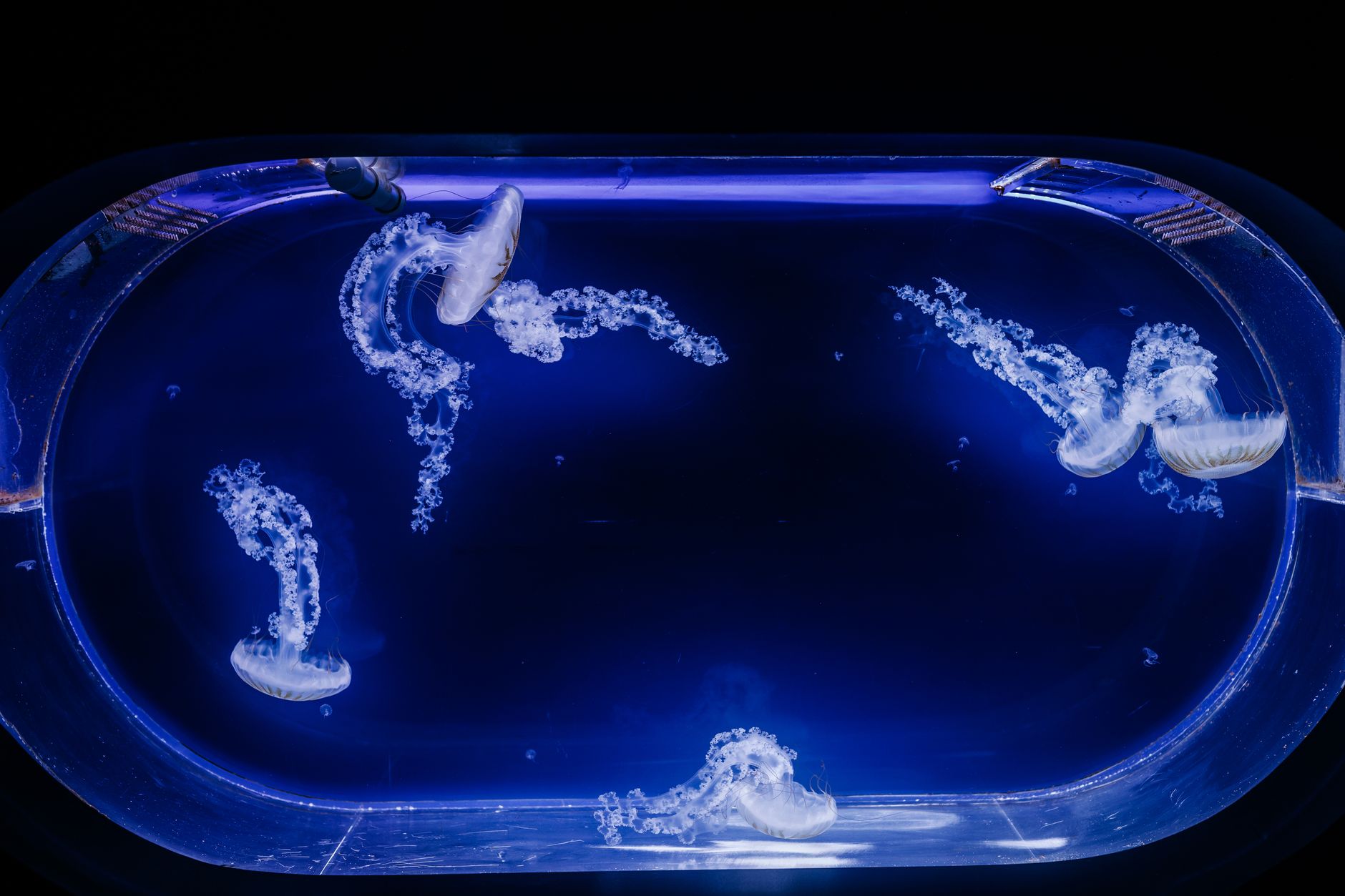
Jellyfish are invertebrates belonging to the phylum Cnidaria. They are characterized by their bell-shaped body and tentacles, which are equipped with stinging cells called nematocysts. These nematocysts are used to capture prey, but they can also be harmful to humans, causing painful stings. Therefore, proper preparation is crucial to render jellyfish safe and palatable for consumption.
The Edible Part: The Bell
The answer to the question, “What part of jellyfish is edible?“, is surprisingly straightforward: the bell, also known as the umbrella, is the primary edible portion. The tentacles, though sometimes consumed, are generally considered to be of lower quality and require more extensive processing due to the higher concentration of nematocysts.
Nutritional Benefits of Edible Jellyfish
Edible jellyfish is a low-calorie, low-fat food that is rich in minerals and collagen. It’s often touted for its health benefits, including:
- High in Collagen: Collagen is a protein that is essential for maintaining healthy skin, joints, and bones.
- Rich in Minerals: Jellyfish contains essential minerals like calcium, magnesium, and selenium.
- Low in Calories: Making it a healthy option for weight management.
- Good Source of Protein: While not as protein-dense as other seafood, jellyfish does contribute to daily protein intake.
The Processing of Jellyfish: From Sting to Serving
Raw jellyfish is approximately 95% water and contains harmful toxins and stinging cells. Therefore, it needs to undergo a rigorous processing method to render it safe and palatable. This process typically involves:
- Removal of Tentacles: The tentacles are usually removed and discarded due to their higher concentration of nematocysts.
- Salting: The jellyfish bell is repeatedly salted and pressed to remove water and denature proteins. Alum can also be added.
- Drying: The salted jellyfish is then dried, which further reduces its water content and firms its texture.
- Rehydration: Before consumption, the dried jellyfish is rehydrated in water to soften it.
Texture and Flavor Profile
Processed jellyfish has a unique texture, often described as crunchy, slightly chewy, and gelatinous. The flavor is relatively neutral, allowing it to absorb the flavors of the sauces and ingredients it is cooked with. It often has a slight salty undertone from the processing.
Culinary Uses of Edible Jellyfish
Jellyfish is a versatile ingredient in Asian cuisine. Some popular dishes include:
- Jellyfish Salad: A common dish featuring sliced jellyfish tossed with vegetables, sesame oil, and vinegar.
- Stir-fries: Jellyfish can be added to stir-fries for a unique textural element.
- Sushi and Sashimi: Thinly sliced jellyfish can be served as a delicacy in sushi and sashimi.
Common Mistakes in Preparing Jellyfish
- Insufficient Salting: Inadequate salting can leave the jellyfish with an unpleasant texture and potentially harmful toxins.
- Over-Salting: Over-salting can result in an excessively salty product that requires extensive rehydration.
- Improper Rehydration: Not rehydrating the jellyfish properly can leave it too tough and chewy.
Sustainability Concerns
While jellyfish are abundant, overfishing of their natural predators and climate change can disrupt marine ecosystems. Sustainable harvesting practices are crucial to ensure the long-term viability of jellyfish as a food source.
The Future of Edible Jellyfish
As the world explores alternative food sources, jellyfish is likely to gain further popularity. Advances in processing techniques and sustainable harvesting methods could make jellyfish an increasingly important component of the global food supply.
Frequently Asked Questions
What are the potential health risks of eating improperly prepared jellyfish?
Improperly prepared jellyfish can contain nematocysts that can cause skin irritation, allergic reactions, and even nausea or vomiting. It’s crucial to ensure the jellyfish has been properly processed to remove these toxins.
How can I tell if jellyfish is safe to eat?
The best way to ensure jellyfish is safe to eat is to purchase it from a reputable source that follows strict processing standards. The jellyfish should have a firm texture, a light color, and no foul odor.
What does edible jellyfish taste like?
The taste of edible jellyfish is mild and slightly salty. It primarily absorbs the flavors of the other ingredients it is cooked with. The main appeal is the unique crunchy texture.
How long does processed jellyfish last?
Properly processed and dried jellyfish can last for several months when stored in a cool, dry place. Once rehydrated, it should be consumed within a few days.
Can I prepare jellyfish at home?
While it is possible to prepare jellyfish at home, it is a labor-intensive process that requires careful attention to detail. It is generally recommended to purchase commercially processed jellyfish to ensure safety and quality.
Is jellyfish a sustainable food source?
Jellyfish can be a sustainable food source if harvested responsibly and processed efficiently. However, overfishing of jellyfish predators and habitat degradation can impact jellyfish populations.
Are all types of jellyfish edible?
Not all jellyfish are edible. Some species are highly toxic. The most commonly consumed species belong to the Rhopilema and Stomolophus genera.
What are the different ways to cook jellyfish?
Jellyfish can be enjoyed in a variety of ways, including in salads, stir-fries, soups, and even sushi. The key is to not overcook it, as it can become tough.
Are there any religious or cultural restrictions on eating jellyfish?
Generally, there are no major religious restrictions on eating jellyfish. However, personal preferences and dietary habits may vary. In some cultures, it’s considered a delicacy.
Where can I buy edible jellyfish?
Edible jellyfish can be found in Asian grocery stores and specialty seafood markets. You may also be able to find it online.
How does eating jellyfish contribute to the environment?
Eating jellyfish may help control jellyfish blooms, which can disrupt marine ecosystems. Utilizing jellyfish as a food source can also reduce pressure on overfished populations of other seafood.
What are some other names for edible jellyfish?
Edible jellyfish is also known as sea jelly, jelly blubber, and by its various species names such as Rhopilema esculentum or Stomolophus meleagris.
This exploration clarifies that what part of jellyfish is edible is the umbrella and it highlights both the nutritional value and the care required for its safe preparation.