
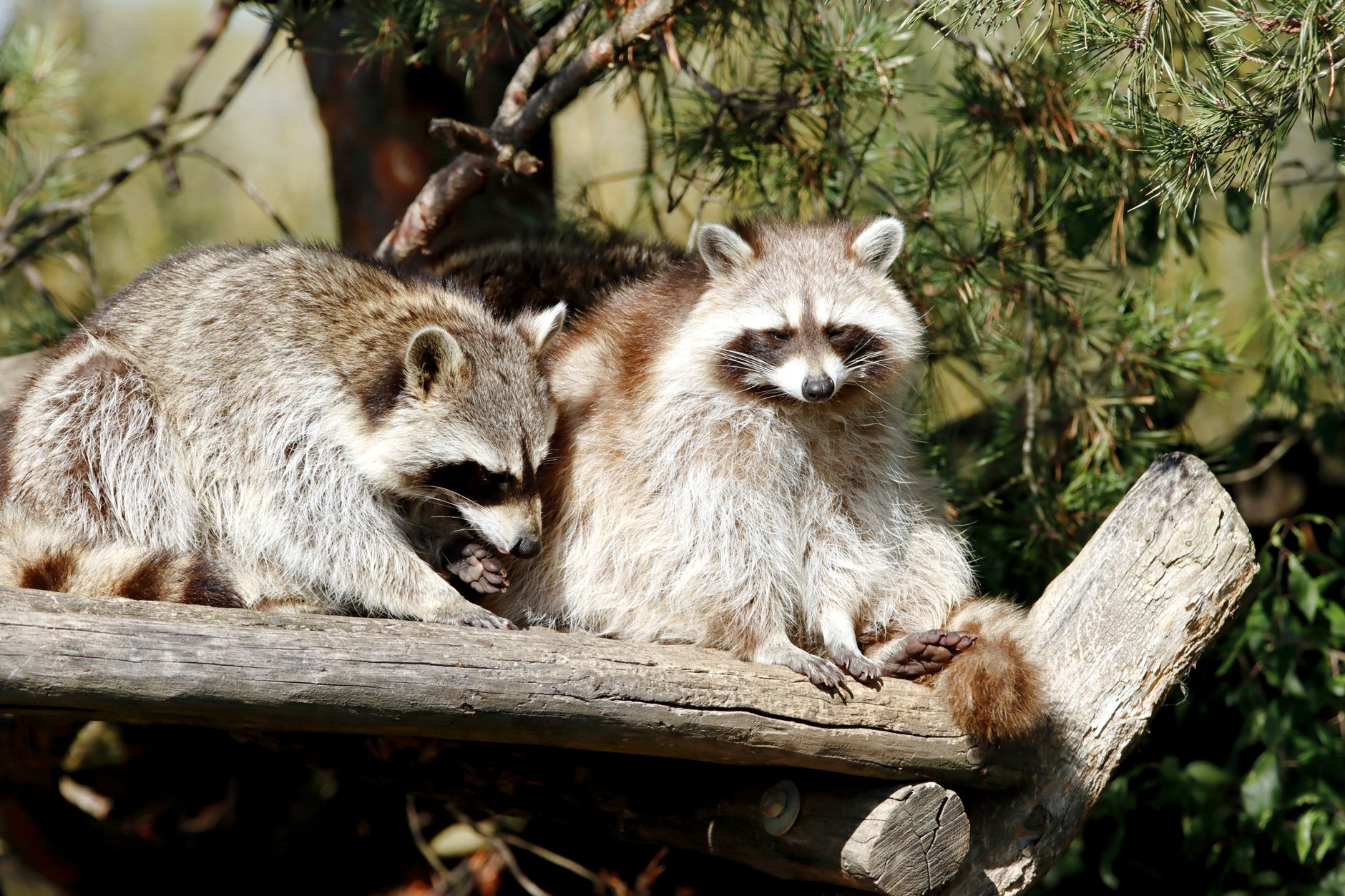
What Not To Do When Dealing With Raccoons?
Discover the crucial mistakes to avoid when encountering raccoons, ensuring your safety and theirs. Avoid direct contact, food offerings, and attempts to relocate them yourself – these actions can be dangerous and often illegal, exacerbating the problem.
Understanding the Raccoon Situation: A Primer
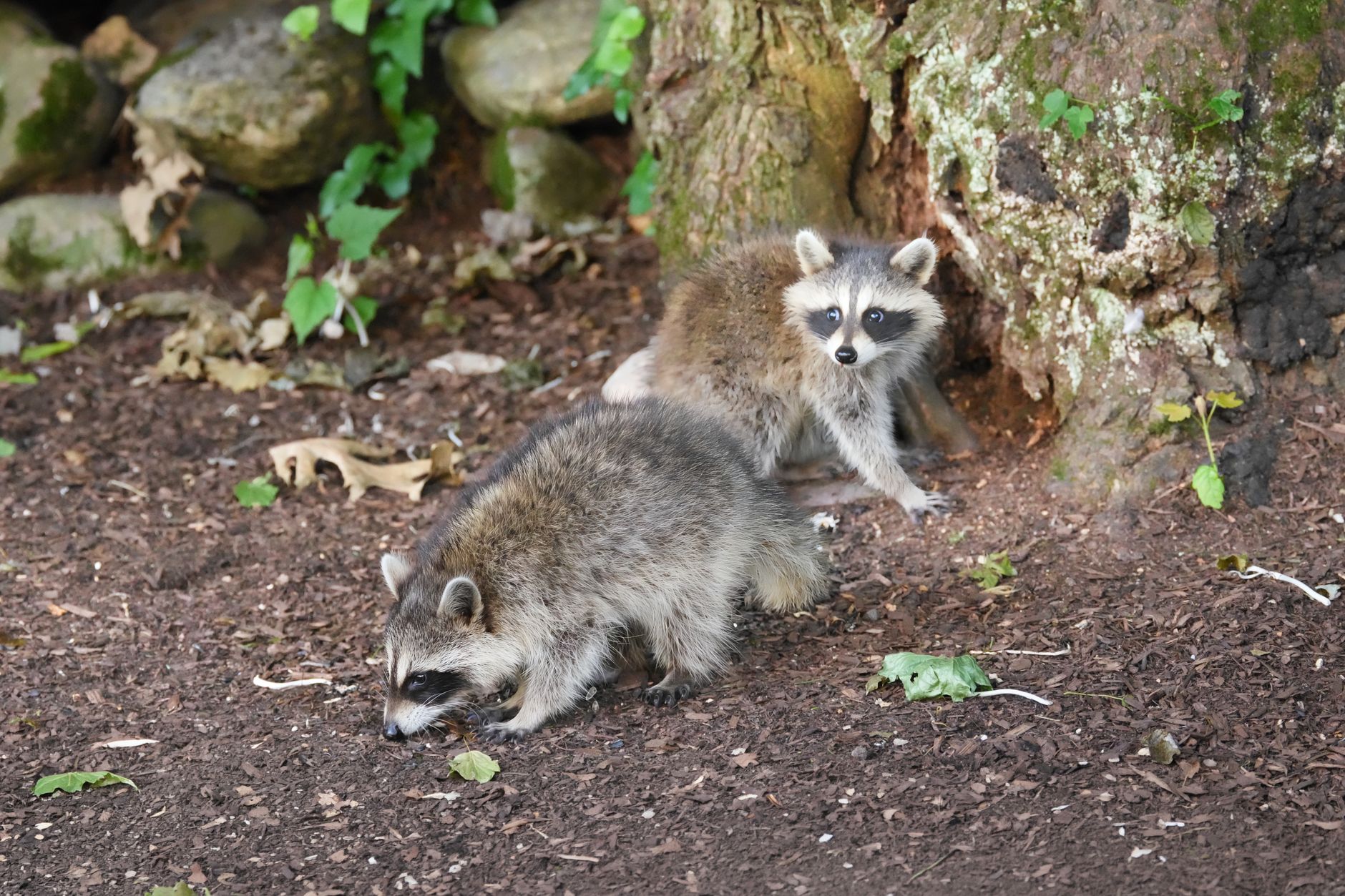
Raccoons, with their distinctive masked faces and nimble paws, are a common sight in both rural and urban landscapes. While they may appear cute and harmless, they are wild animals capable of causing significant problems, from property damage to the spread of diseases. Understanding what not to do when dealing with raccoons is essential for protecting yourself, your property, and the animals themselves. Human interaction, even well-intentioned, can often make a situation worse. This article provides a comprehensive guide on the key mistakes to avoid when encountering these adaptable creatures.
Is distilled water good for goldfish?
What colours are fish most attracted to?
Can you put your finger in a trout's mouth?
Is methylene blue anti bacterial?
The Dangers of Direct Interaction

Direct contact with raccoons should be avoided at all costs. This includes:
- Attempting to pet or feed them: Raccoons, though sometimes appearing docile, are unpredictable and can bite or scratch, potentially transmitting rabies, raccoon roundworm, or other diseases.
- Approaching them, especially if they appear injured or distressed: A seemingly injured raccoon might attack out of fear. Contact animal control or a wildlife rehabilitator instead.
- Cornering or trapping them: This can provoke aggressive behavior and increase the risk of being bitten.
Remember, maintaining a safe distance is crucial for both your well-being and the raccoon’s.
Why You Shouldn’t Offer Food
Feeding raccoons, even seemingly harmless scraps, is a major mistake. It leads to:
- Habituation: Raccoons become accustomed to humans and lose their natural fear, making them bolder and more likely to approach homes.
- Increased population density: Providing a readily available food source encourages raccoon populations to grow, leading to increased competition for resources and a higher risk of disease transmission.
- Dependence: Raccoons become reliant on human handouts, which can hinder their ability to forage for food naturally.
Instead of offering food, focus on securing your property and eliminating potential food sources like unsecured garbage cans. Remember, a fed raccoon is a bold raccoon.
The Risks of DIY Relocation
Attempting to relocate a raccoon yourself is generally a bad idea for several reasons:
- It’s often illegal: Many states and local jurisdictions have laws regulating the relocation of wildlife. Check your local regulations.
- It’s inhumane: Moving a raccoon to an unfamiliar territory can disrupt its social structure and access to resources, leading to stress and potentially death.
- It’s ineffective: Raccoons are territorial and often return to their original territory, or other raccoons simply fill the void.
- It’s dangerous: Handling a wild animal, even with traps, carries a significant risk of being bitten or scratched.
If you need to remove a raccoon, contact a licensed wildlife removal specialist. They have the expertise and equipment to safely and humanely remove the animal and prevent future intrusions.
Ignoring Signs of Infestation
Ignoring signs of a raccoon infestation can lead to significant property damage and health risks. Common signs include:
- Noises in the attic or chimney: Raccoons are nocturnal and often active at night.
- Damaged property: Raccoons may tear shingles, siding, or screens to gain access to your home.
- Scat (feces) in your yard or attic: Raccoon scat can contain raccoon roundworm, which is harmful to humans and pets.
- Overturned garbage cans: Raccoons are notorious for their ability to raid trash cans.
Addressing these signs promptly can prevent a small problem from escalating into a major infestation.
Neglecting Property Security
One of the biggest mistakes people make is neglecting to secure their property against raccoons. This includes:
- Leaving garbage cans unsecured: Use bungee cords or locking lids to keep raccoons out of your trash.
- Leaving pet food outside: Bring pet food indoors at night.
- Not trimming tree branches that overhang your roof: Raccoons can use these branches to access your attic.
- Failing to repair holes or cracks in your foundation or roof: Seal any potential entry points to prevent raccoons from getting inside.
Taking preventative measures is the most effective way to keep raccoons away from your property.
Assuming All Raccoons Are the Same
It’s crucial to remember that not all raccoons behave the same way. A mother raccoon protecting her young will be far more aggressive than a solitary raccoon foraging for food. Never assume you know what a raccoon will do – its behavior can change in an instant depending on the circumstances.
Using Inhumane Trapping Methods
Using inhumane trapping methods, such as leg-hold traps or poisons, is not only cruel but also often illegal. These methods can cause unnecessary suffering to the animal and pose a risk to other animals, including pets. Always opt for humane trapping methods if trapping is necessary, and always consult with a wildlife removal specialist.
Failing to Consider Seasonal Factors
Raccoon behavior varies depending on the season. For example, during the spring, raccoons are more likely to be pregnant or nursing, making them more protective of their territory and young. In the fall, raccoons are more active as they prepare for winter. Understanding these seasonal changes can help you better anticipate and address potential raccoon problems.
Ignoring Local Laws and Regulations
Ignoring local laws and regulations regarding wildlife control can result in fines or other penalties. Familiarize yourself with the laws in your area before taking any action to remove or control raccoons. This information is usually available from your local animal control or wildlife agency.
Misunderstanding the Role of Wildlife Professionals
Wildlife professionals are trained and equipped to handle raccoon problems safely and humanely. They can assess the situation, develop a removal plan, and implement preventative measures to keep raccoons away from your property. Don’t hesitate to seek their expertise if you’re unsure how to handle a raccoon problem yourself.
Overlooking Long-Term Prevention
Focusing solely on removing the immediate raccoon problem without addressing the underlying causes is a short-sighted approach. Implementing long-term preventative measures, such as securing your property and eliminating food sources, is essential for preventing future infestations.
Frequently Asked Questions (FAQs)
What is the best way to scare a raccoon away without harming it?
The most effective method is to use loud noises like yelling or banging pots and pans. Bright lights, especially flashing ones, can also deter them. However, consistency is key, as raccoons can become accustomed to these methods over time.
How can I tell if a raccoon is rabid?
Signs of rabies in raccoons include unusual aggression, disorientation, excessive drooling, and paralysis. However, these symptoms are not always present, so it’s best to avoid all contact with raccoons, regardless of their apparent health.
What diseases can raccoons transmit to humans and pets?
Raccoons can transmit rabies, raccoon roundworm, leptospirosis, and salmonellosis. Raccoon roundworm is particularly concerning as it can cause serious neurological problems in humans.
How can I prevent raccoons from getting into my attic?
Seal any holes or cracks in your roof and foundation. Trim tree branches that overhang your roof. Install chimney caps and secure attic vents with heavy-duty wire mesh. Regular inspections can identify potential entry points before they become a problem.
Is it safe to use mothballs to repel raccoons?
No. Using mothballs to repel raccoons is not recommended as they are ineffective and can be harmful to humans, pets, and the environment.
What should I do if I find a baby raccoon?
If you find a baby raccoon, do not touch it. Observe it from a distance to see if the mother returns. If the mother does not return within 24 hours, contact a licensed wildlife rehabilitator.
How can I keep raccoons out of my garden?
Use fencing to create a barrier around your garden. Remove fallen fruit and vegetables promptly. Use motion-activated sprinklers to deter them. Consider planting raccoon-resistant plants.
Are raccoon feces dangerous?
Yes, raccoon feces can contain raccoon roundworm, which is harmful to humans and pets. Always wear gloves and a mask when cleaning up raccoon feces and dispose of it properly.
How often should I clean my garbage cans to deter raccoons?
Clean your garbage cans regularly, at least once a month, with soap and water to remove any food residue. This will help reduce the odor and make your garbage cans less attractive to raccoons. Using bleach can also help eliminate odors.
What kind of traps are considered humane for raccoons?
Cage traps are generally considered the most humane trapping method for raccoons. Choose a trap that is large enough for the raccoon to stand up and turn around comfortably. Always check the trap regularly and provide the animal with food and water if it will be held for an extended period.
Can I relocate a raccoon if I trap it myself?
Relocating a raccoon yourself is often illegal and inhumane. Contact a licensed wildlife removal specialist instead.
What are some natural raccoon repellents?
Some people have success using natural repellents such as peppermint oil, cayenne pepper, or predator urine. However, these methods are not always effective and may need to be reapplied frequently.