

Why Do Female Lions Live Longer? Unraveling the Secrets of Longevity in Lionesses
Female lions live longer than their male counterparts primarily due to their central role in the pride’s cooperative hunting and cub rearing, which reduces their risk of injury and exposure to dangerous solitary pursuits. This consistent social support and lower-risk lifestyle contribute significantly to their increased lifespan.

Understanding the Lion’s Social Structure
Lions, Panthera leo, are unique among big cats for their highly social nature. Living in prides, they demonstrate complex social structures that significantly influence individual survival and lifespan. This dynamic is particularly evident when comparing the lives of male and female lions. The differences in their roles and responsibilities within the pride, and outside of it, explain why do female lions live longer?
Are all shrimps born female?
What is the GREY African clawed frog?
Is distilled water good for goldfish?
What colours are fish most attracted to?
The Matriarchal Core: The Role of Lionesses

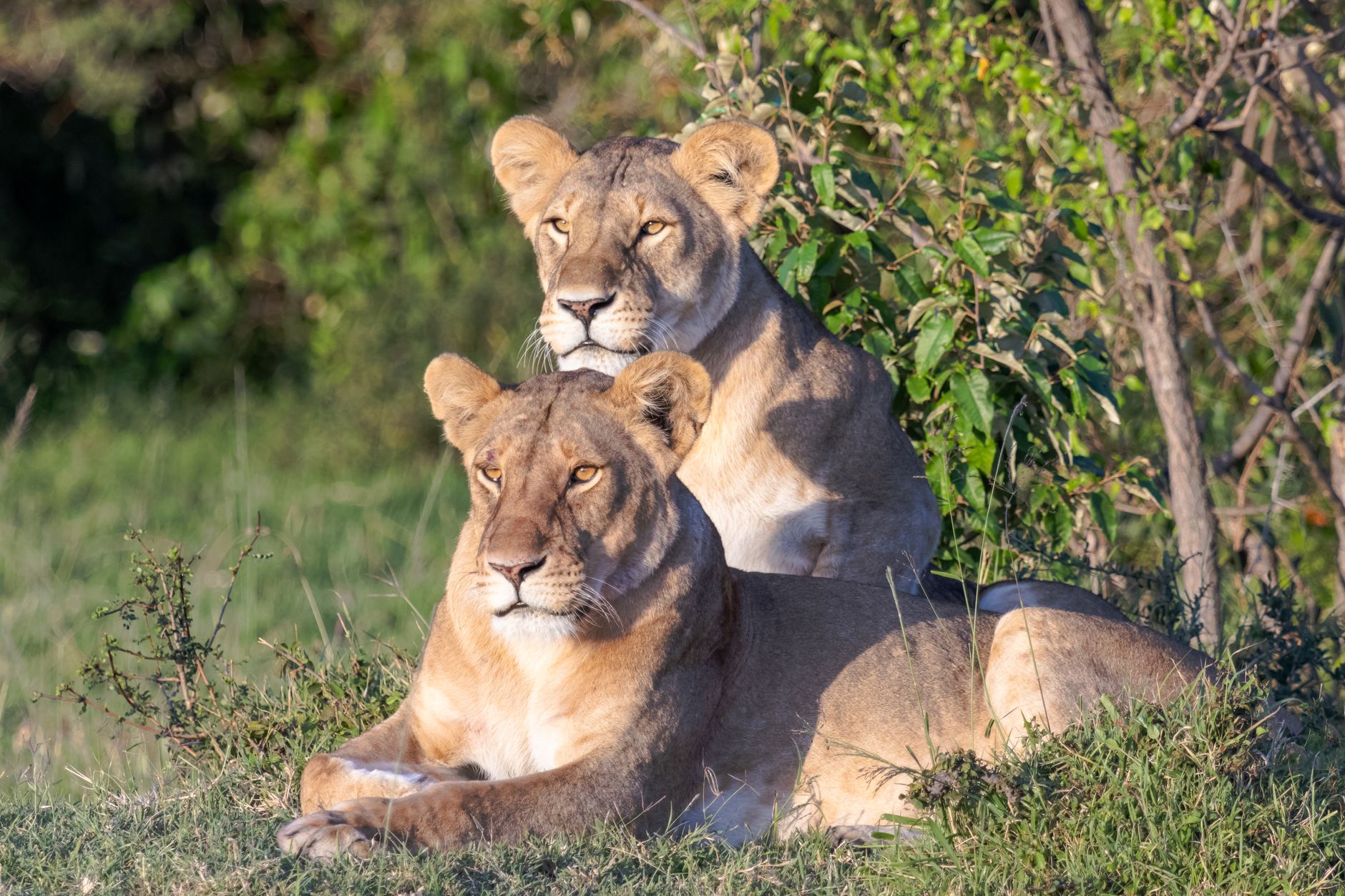
Lionesses form the stable core of the pride. They typically remain with their natal pride for life, forming strong familial bonds with their sisters, mothers, and aunts. This strong social network provides numerous advantages:
- Cooperative Hunting: Lionesses hunt together, allowing them to take down larger prey more efficiently and safely. This reduces individual risk compared to solitary hunting.
- Cub Rearing: Lionesses share cub-rearing responsibilities. They nurse each other’s cubs and protect them collectively, increasing cub survival rates.
- Territorial Defense: Lionesses participate in defending the pride’s territory, especially against other lionesses.
The Transient Lives of Male Lions
In contrast to the stability of lionesses, male lions typically leave their natal pride upon reaching maturity (around 2-3 years old). They then become nomadic or form coalitions with other males. Their primary goals are:
- Taking Over a Pride: Male coalitions challenge resident males for control of a pride. These fights are often brutal and result in serious injuries or death.
- Defending the Pride: Once in control, male lions defend their pride against rivals. This involves frequent and dangerous confrontations.
- Siring Offspring: Male lions prioritize siring offspring to pass on their genes. However, their tenure in a pride is often relatively short, increasing their risk of being ousted by younger, stronger males.
The Comparative Toll on Male Lifespans
The nomadic existence and constant competition for dominance take a significant toll on male lions.
| Feature | Female Lions | Male Lions |
|---|---|---|
| Social Structure | Stable, cohesive pride members | Transient, often solitary or in small coalitions |
| Hunting | Cooperative, reduced risk of injury | More likely to hunt alone, higher risk of injury |
| Injury Risk | Lower due to cooperative hunting and social support | Higher due to fighting for dominance and territory |
| Lifespan | Longer (15-18 years on average) | Shorter (8-12 years on average) |
This table highlights key factors contributing to the differences in longevity. The aggressive lifestyle of male lions often leads to premature death from injuries sustained in fights, starvation during nomadic periods, or diseases contracted due to weakened immune systems.
Why Do Female Lions Live Longer? The Role of Hormones and Physiology
Beyond social factors, hormonal and physiological differences also play a role. Male lions experience a surge in testosterone during puberty, which fuels their aggressive behavior and contributes to their larger size and musculature. While this is advantageous for fighting, it also places greater strain on their bodies and increases their susceptibility to injury. Additionally, the energy expenditure associated with maintaining their large manes and muscular builds necessitates greater food intake, putting them at risk during periods of scarcity. Females, on the other hand, maintain a more consistent hormonal profile, which contributes to their resilience and longevity.
Environmental Pressures and Resource Availability
The availability of resources, such as prey animals and water, also impacts lifespan. During periods of drought or prey scarcity, competition intensifies, and both male and female lions face increased risks. However, because lionesses hunt cooperatively and are more adept at locating and securing food, they are generally better equipped to survive these challenging conditions.
The Impact of Human Activity
Human activities, such as habitat loss and hunting, also affect lion populations. Male lions, with their larger size and more conspicuous manes, are often targeted by hunters, further reducing their lifespan. Habitat loss restricts their range and increases competition for resources, exacerbating the pressures they already face. Conservation efforts that focus on protecting lion habitats and reducing human-wildlife conflict are crucial for the long-term survival of both male and female lions.
Frequently Asked Questions (FAQs)
Why do female lions live longer on average?
On average, female lions live longer than males primarily because they live within the safety and stability of the pride, participating in cooperative hunting and cub rearing, which reduces their risk of injury and exposure to dangerous situations.
Do all lionesses live longer than all male lions?
No, there can be exceptions. Some male lions may live longer than some female lions, especially if the male lion manages to secure a territory early in life and avoid serious injuries. However, the average lifespan for females is significantly higher.
What is the primary cause of death for male lions?
The primary cause of death for male lions is injuries sustained in fights, either when challenging other males for control of a pride or defending their territory. These injuries can lead to infection, starvation, or direct mortality.
How does cooperative hunting contribute to female longevity?
Cooperative hunting allows lionesses to take down larger prey with greater efficiency and safety, reducing the risk of individual injury during the hunt. It also ensures a more reliable food supply for the pride, contributing to their overall health and survival.
What role does the lion’s mane play in its lifespan?
The lion’s mane, while visually impressive, requires significant energy to maintain. This increased energy expenditure can put male lions at a disadvantage during periods of food scarcity and adds to the physiological strain on their bodies, ultimately shortening their lifespan.
Do male lions ever contribute to cub rearing?
While male lions do protect the cubs within their pride from other predators and infanticidal rival males, they do not typically participate in the day-to-day care of the cubs, such as nursing or grooming. Their primary role is defense and ensuring the survival of their lineage.
How does nomadic life affect male lion lifespan?
The nomadic lifestyle of young male lions is fraught with danger. They face challenges such as finding food, avoiding predators, and competing with other males for territory. These factors contribute to a higher mortality rate among nomadic males.
Is there any genetic component to the difference in lifespan?
While environmental and social factors play a more significant role, there may be some genetic predisposition that contributes to the differences in lifespan between male and female lions. Further research is needed to fully understand the genetic component.
How does human activity impact lion lifespan?
Human activities such as habitat loss, hunting, and human-wildlife conflict significantly reduce lion lifespan. Habitat loss reduces the availability of prey and increases competition, while hunting directly targets lions, particularly males with their impressive manes.
Are there any conservation efforts focused on improving lion lifespan?
Yes, there are several conservation efforts aimed at protecting lion populations and improving their lifespan. These include habitat preservation, anti-poaching patrols, community-based conservation programs, and efforts to reduce human-wildlife conflict.
Does the size of a lioness affect her lifespan?
Generally, a healthy and well-nourished lioness will likely have a longer lifespan than one that is malnourished or underweight. However, excessive size or obesity can also lead to health problems that shorten lifespan.
What are some key indicators of a healthy lioness that suggest a longer lifespan?
Key indicators of a healthy lioness include a healthy coat, good muscle mass, alertness, and active participation in pride activities, such as hunting and cub rearing. These factors suggest that the lioness is thriving and likely to have a longer lifespan.