

What Month Do Rattlesnakes Shed Their Skin?
Rattlesnakes, like all snakes, shed their skin multiple times a year, with the specific timing varying depending on factors like age, species, and habitat; however, the peak shedding seasons are typically during the spring and early summer and again, though less intensely, in the late summer or early fall.

Rattlesnake Shedding: A Necessary Process
Rattlesnakes shed their skin, a process known as ecdysis, because their skin doesn’t grow with them. As they grow larger, they need to replace their old, constricting skin with a new, larger one. This process is crucial for their survival and overall health. The shedding frequency varies depending on several factors, which we’ll explore in detail. Understanding the when and why of rattlesnake shedding can provide valuable insights into their life cycle and behavior.

What colours are fish most attracted to?
Can you put your finger in a trout's mouth?
Is methylene blue anti bacterial?
Does aquarium salt raise pH in aquarium?
Factors Influencing Shedding Frequency
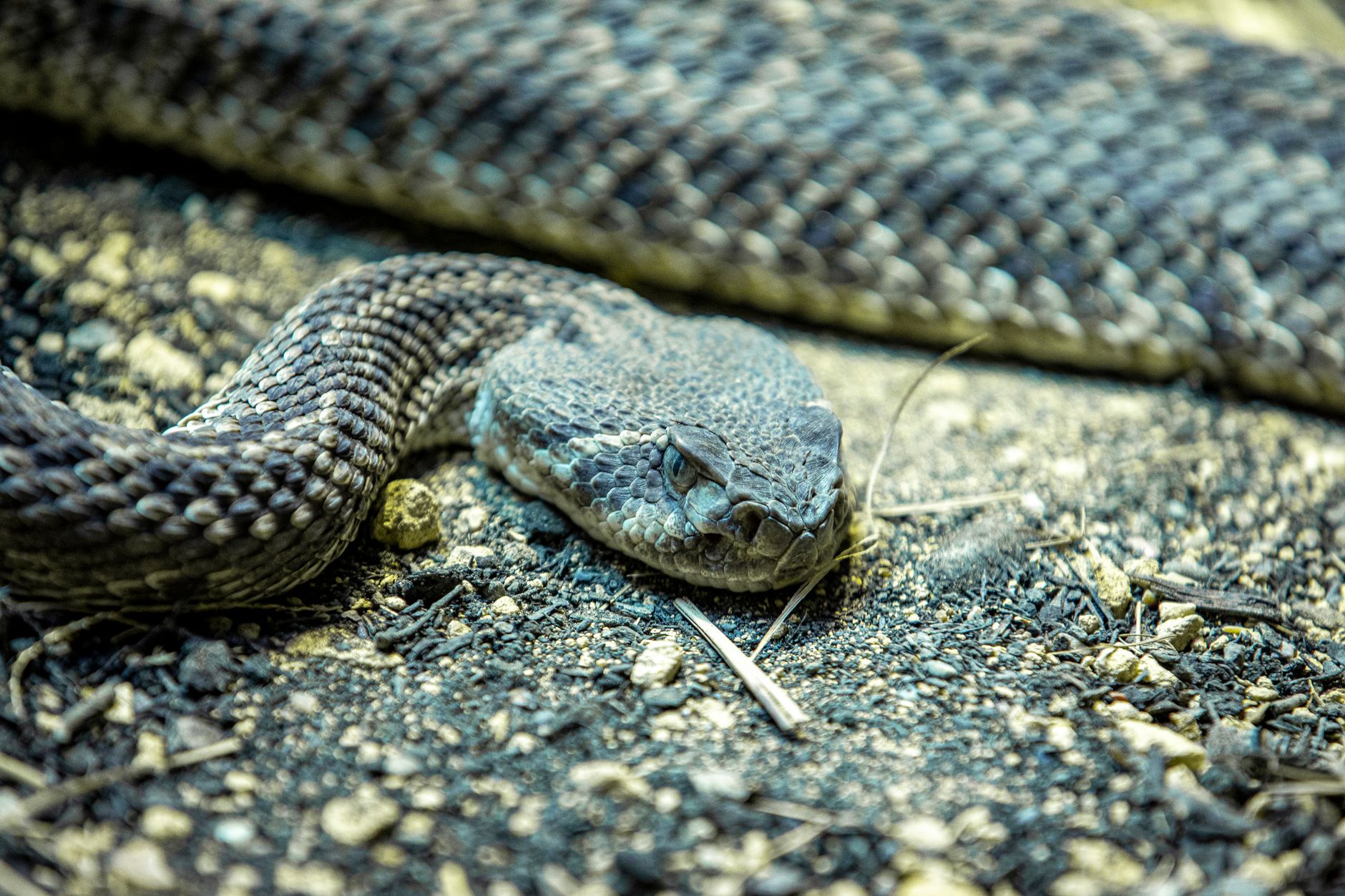
Several factors influence how often rattlesnakes shed their skin. These factors can vary from species to species and even individual to individual.
- Age: Younger rattlesnakes, growing at a faster rate, shed their skin more frequently than older snakes.
- Food Availability: A snake that has ample access to food will grow faster and, consequently, shed more often.
- Health: A healthy rattlesnake will shed more regularly than a sick or injured one.
- Species: Different species of rattlesnakes may have slightly different shedding schedules due to their varying growth rates and habitat requirements.
- Habitat and Climate: Rattlesnakes in warmer climates with longer growing seasons might shed more frequently than those in cooler environments.
The Shedding Process Explained
The shedding process, from start to finish, takes about one to two weeks. It begins with the rattlesnake’s skin becoming dull and opaque.
- Eye Opacity (Blue Phase): The eyes turn a cloudy blue or gray color, affecting their vision. This is due to fluid accumulating between the old and new skin.
- Clearing Phase: After a few days, the eyes clear up as the fluid is reabsorbed.
- Shedding: The snake rubs its snout against a rough surface, such as a rock or tree bark, to initiate the separation of the old skin. It then crawls out of the old skin, turning it inside out.
Common Misconceptions About Rattlesnake Shedding
Many misconceptions surround rattlesnake shedding. One common myth is that the snake sheds its skin monthly. This is not the case. Shedding frequency is far less frequent, typically several times a year at most.
Another misconception involves the rattle. Each time a rattlesnake sheds, it does not automatically add a segment to its rattle. New segments are added each time the snake sheds, regardless of the reason or time of year, and the rattle is prone to breakage, so it’s not an accurate age indicator.
Frequently Asked Questions (FAQs)
What time of year are rattlesnakes most likely to shed their skin?
The peak shedding seasons are typically during the spring and early summer when temperatures rise and rattlesnakes become more active, and again in the late summer/early fall. This aligns with their active feeding and growing periods.
How long does it take a rattlesnake to shed its skin?
The entire shedding process, from the initial dulling of the skin to the complete shedding, typically takes between one to two weeks. The actual shedding of the skin itself only takes a few hours.
Can I tell if a rattlesnake is about to shed its skin?
Yes, there are several signs. The most obvious is a dulling of the skin and a cloudy or bluish appearance in the eyes. The snake may also become less active and more reclusive.
Does a rattlesnake’s eyesight get worse when it’s shedding?
Yes, significantly. During the early stages of shedding, fluid accumulates between the old and new skin layers, causing the eyes to become opaque and impairing their vision considerably. This can make them more defensive.
Do rattlesnakes eat their shed skin?
While some snakes are known to occasionally ingest their shed skin to reclaim nutrients, it is not commonly observed in rattlesnakes. Most often they simply leave it behind.
How often do baby rattlesnakes shed their skin?
Baby rattlesnakes grow at a much faster rate than adults, so they shed more frequently. They may shed several times during their first year.
What happens if a rattlesnake has difficulty shedding its skin?
If a rattlesnake has trouble shedding, it could indicate underlying health issues, inadequate humidity, or a lack of rough surfaces to rub against. Retained skin can constrict blood flow and cause infection. In captive situations, improper shedding often requires assistance from a veterinarian or experienced reptile keeper.
Do rattlesnakes shed their skin all at once?
Yes, a healthy rattlesnake sheds its skin in one complete piece, from its snout to the tip of its tail. If the shed is incomplete, it can indicate a problem.
How can I help a rattlesnake shed its skin if it is in captivity?
Providing a humid environment and rough surfaces is crucial. Misting the enclosure regularly and offering rocks or branches for the snake to rub against can aid the shedding process. Ensure proper hydration.
Does the rattle grow every time a rattlesnake sheds its skin?
Yes, but not in the way people think. A new segment is added to the rattle each time the snake sheds. However, the rattle is fragile and can break, so the number of segments is not a reliable indicator of age.
What should I do if I find a rattlesnake skin?
Finding a rattlesnake skin is a sign that rattlesnakes are present in the area. It’s best to leave the skin undisturbed. If found in an area where children or pets play, safely dispose of it in a sealed bag to prevent accidental contact.
Does What month do rattlesnakes shed their skin? vary depending on location?
Yes, to some extent. While the spring and early summer are primary shedding times, geographical location and climate play a significant role. In warmer regions, rattlesnakes may shed more frequently and for a longer period throughout the year, while in cooler regions, the shedding season may be shorter and more concentrated.