
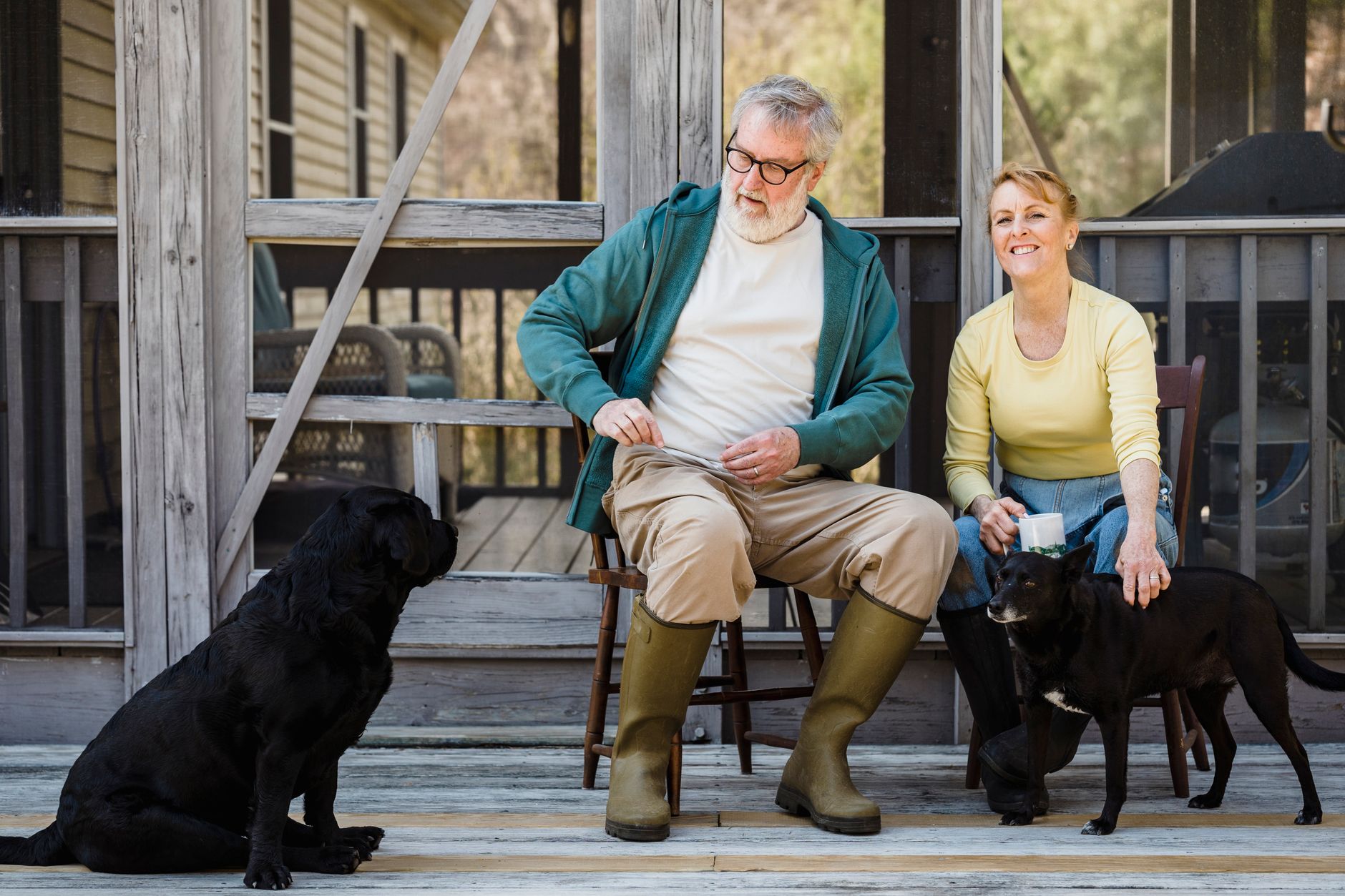
What Meat is Best for Older Dogs?
The best meat for older dogs is lean protein sources like turkey, chicken, and fish which are easily digestible and provide essential nutrients to support their aging bodies. Careful consideration should be given to any underlying health conditions.
Understanding the Nutritional Needs of Senior Dogs
As dogs age, their nutritional needs change. Metabolism slows down, activity levels often decrease, and they become more prone to certain health conditions. Choosing the right meat is crucial for maintaining their muscle mass, supporting their immune system, and managing their weight.
What colours are fish most attracted to?
Can you put your finger in a trout's mouth?
Is methylene blue anti bacterial?
Does aquarium salt raise pH in aquarium?
Why Protein is Important for Older Dogs
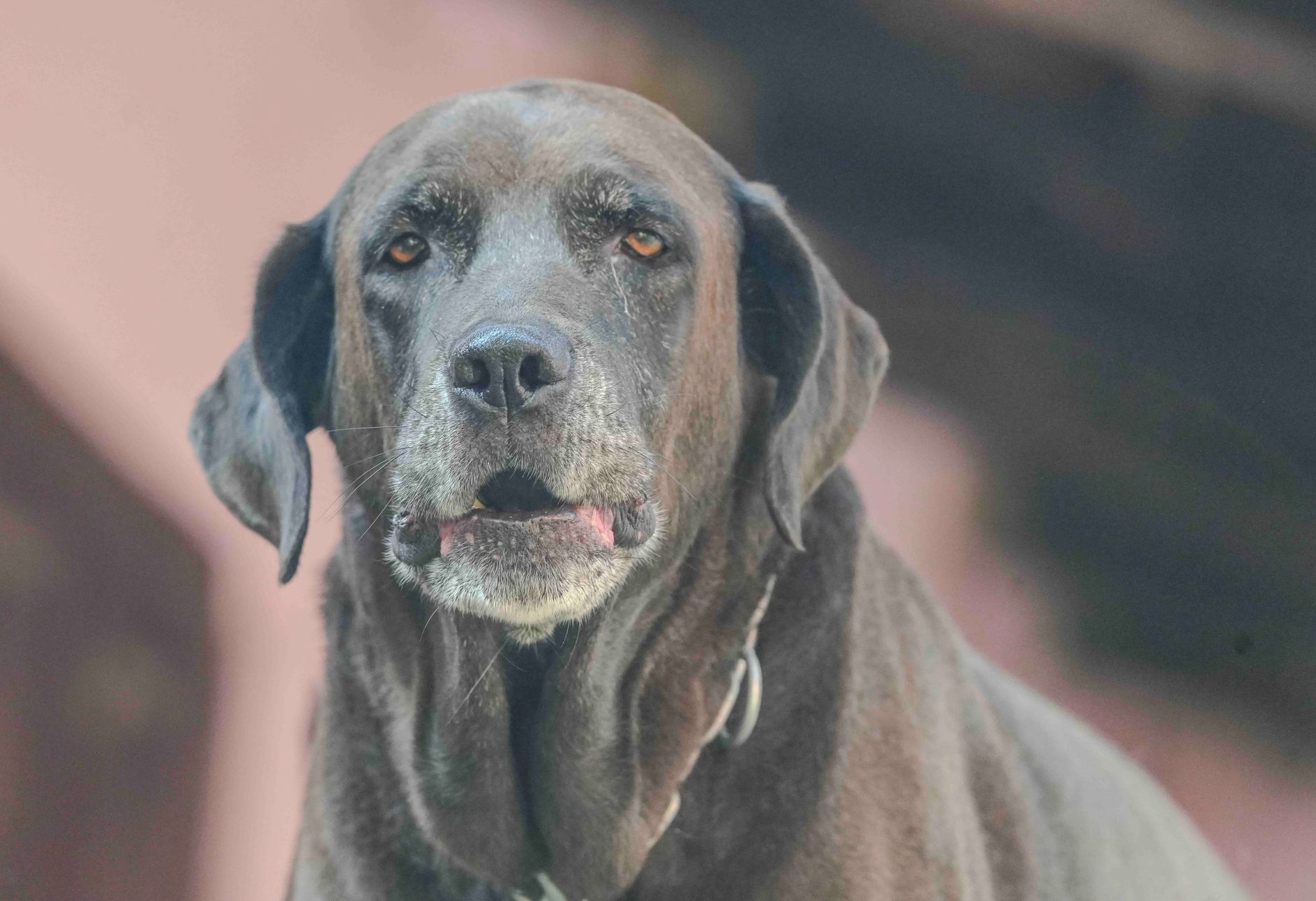
Protein plays a vital role in maintaining muscle mass, which naturally declines with age. Adequate protein intake helps senior dogs stay active, supports their immune system, and contributes to overall health and vitality. Without sufficient protein, older dogs can experience muscle wasting, weakness, and increased susceptibility to illness.
Top Meat Choices for Senior Dogs
What meat is best for older dogs? The answer lies in a variety of lean and easily digestible options. Here’s a closer look:
- Chicken: A popular choice, chicken is easily digestible and a good source of protein. Opt for skinless, boneless chicken breast to reduce fat content.
- Turkey: Similar to chicken, turkey is another lean protein source that’s gentle on the digestive system.
- Fish (Salmon, White Fish): Rich in omega-3 fatty acids, fish can help reduce inflammation and support joint health, which is particularly beneficial for older dogs. Ensure all bones are removed.
- Lean Beef: While beef can be a good source of protein, it’s important to choose lean cuts to minimize fat intake. Ground beef should ideally be 90% lean or higher.
- Lamb: Lamb is a nutrient-dense option that can be a good alternative for dogs with sensitivities to chicken or beef.
Meats to Limit or Avoid
Certain meats may not be ideal for older dogs due to their high fat content or potential for digestive upset.
- Pork (especially processed): Pork can be high in fat, and processed pork products like bacon and sausage are often high in sodium and nitrates.
- Fatty Cuts of Beef: These can contribute to weight gain and digestive issues.
- Raw Meat: While some advocate for raw diets, they pose a higher risk of bacterial contamination, especially for senior dogs with weakened immune systems.
Key Considerations for Senior Dogs with Health Conditions
It’s crucial to consider any underlying health conditions your senior dog may have when choosing the best meat for their diet.
- Kidney Disease: Reduced protein intake may be necessary to minimize stress on the kidneys. Consult with your veterinarian for specific recommendations.
- Liver Disease: Similar to kidney disease, protein levels may need to be adjusted.
- Allergies/Sensitivities: If your dog has known allergies, avoid those meats altogether. Novel protein sources like venison or rabbit may be considered under veterinary guidance.
- Pancreatitis: Low-fat options are essential for managing pancreatitis.
- Weight Management: Overweight older dogs will benefit from lower calorie, higher protein diets to support muscle mass while promoting weight loss.
How to Prepare Meat for Older Dogs
Proper preparation is essential to ensure the meat is safe and easily digestible for your senior dog.
- Cook thoroughly: Always cook meat to a safe internal temperature to kill any harmful bacteria.
- Remove bones: Bones can be a choking hazard and can splinter, causing internal injuries.
- Trim excess fat: Reduce fat content by trimming away visible fat.
- Avoid seasonings: Many seasonings are toxic to dogs or can cause digestive upset. Stick to plain cooked meat.
- Cut into small pieces: This makes it easier for older dogs to chew and digest.
- Consider soft food options: If your dog has dental issues, consider blending or pureeing the meat.
Introducing New Meats to Your Dog’s Diet
Introduce new meats gradually to avoid digestive upset. Start with a small amount and monitor your dog’s reaction.
- Day 1-2: Mix a small amount (10-20%) of the new meat with their existing food.
- Day 3-5: Gradually increase the proportion of the new meat while decreasing the old food.
- Day 6-7: If your dog is tolerating the new meat well, you can transition to feeding it as their primary protein source.
Supplementation Considerations
While a balanced diet should provide most of the necessary nutrients, certain supplements may be beneficial for senior dogs, especially those with specific health conditions. Consult with your veterinarian before adding any supplements.
- Omega-3 fatty acids: Can help reduce inflammation and support joint health.
- Glucosamine and chondroitin: May help support joint cartilage.
- Probiotics: Can promote healthy digestion.
- Antioxidants: Help protect cells from damage.
Example Meal Plan for an Older Dog
Here’s a sample meal plan for a 30-pound senior dog without specific health conditions. Consult with your veterinarian for personalized recommendations.
| Meal | Food | Amount | Notes |
|---|---|---|---|
| :——- | :—————————————– | :———– | :——————————————— |
| Breakfast | Cooked chicken breast (boneless, skinless) | 1/2 cup | Mixed with brown rice and a small amount of peas |
| Lunch | Canned senior dog food (chicken or turkey) | 1/2 can | |
| Dinner | Cooked salmon (boneless) | 1/2 cup | Mixed with sweet potato |
Frequently Asked Questions (FAQs)
Is raw meat safe for older dogs?
Raw meat diets, while popular, carry a risk of bacterial contamination, such as Salmonella and E. coli, which can be particularly dangerous for senior dogs with compromised immune systems. It’s generally safer to cook meat thoroughly to eliminate these risks.
Can older dogs eat ground beef?
Yes, older dogs can eat ground beef, but it’s crucial to choose lean ground beef (90% lean or higher) to minimize fat intake. Excess fat can lead to weight gain and digestive problems. Ensure it is thoroughly cooked and drained of any excess grease.
Are bones safe for older dogs to chew on?
While some advocate for bones as a natural chew toy, bones can be a choking hazard and can splinter, causing internal injuries. It’s generally safer to avoid giving bones to older dogs, especially cooked bones, which are more brittle.
How much protein do senior dogs need?
The protein requirements of senior dogs vary depending on their individual needs and health conditions. Generally, senior dogs need slightly more protein than adult dogs to maintain muscle mass. However, dogs with kidney disease may require lower protein diets. Consult with your veterinarian for specific recommendations.
What if my senior dog has dental issues?
If your senior dog has dental issues, soft food options are essential. Cooked meat can be shredded or pureed to make it easier to chew and digest. Canned dog food formulated for seniors is also a good choice.
How do I know if my dog has a food allergy?
Symptoms of food allergies in dogs include itchy skin, ear infections, gastrointestinal upset, and skin lesions. If you suspect your dog has a food allergy, consult with your veterinarian for allergy testing and dietary recommendations. An elimination diet trial is the gold standard for diagnosing food sensitivities.
Can I feed my dog human food?
While some human foods are safe for dogs, it’s important to be cautious and avoid feeding them harmful ingredients like chocolate, grapes, onions, and garlic. Plain cooked meat is generally safe, but avoid adding any seasonings. Commercial dog food is generally formulated to be nutritionally complete and balanced.
Is chicken the best meat for older dogs with sensitive stomachs?
Chicken is often a good choice for dogs with sensitive stomachs, as it is generally easy to digest. However, some dogs may be allergic or sensitive to chicken. If your dog doesn’t tolerate chicken well, consider alternative protein sources like turkey or fish.
What are the best ways to ensure my older dog gets enough omega-3 fatty acids from their meat?
The best way to ensure your older dog gets enough omega-3 fatty acids is to feed them oily fish like salmon or supplement their diet with fish oil. Choose a high-quality fish oil supplement specifically formulated for dogs. Look for products that are tested for purity and contaminants.
What are some signs my older dog isn’t getting enough protein?
Signs that your older dog isn’t getting enough protein include muscle wasting, weight loss, weakness, and a dull coat. If you notice these symptoms, consult with your veterinarian to assess their protein intake and make any necessary dietary adjustments.
My older dog is overweight. What meat should I choose?
For overweight older dogs, choose lean protein sources like skinless chicken breast, turkey, or white fish. Avoid fatty cuts of meat and limit the amount of carbohydrates in their diet. Work with your veterinarian to create a weight loss plan.
How often should I change my older dog’s diet?
Unless there’s a specific reason to change your older dog’s diet (such as a new health condition or allergy), it’s generally best to stick with a consistent diet that they tolerate well. Drastic changes in diet can cause digestive upset. If changes are needed, introduce them gradually.