
What Makes a Leopard a Leopard? Unraveling the Secrets of Panthera Pardus
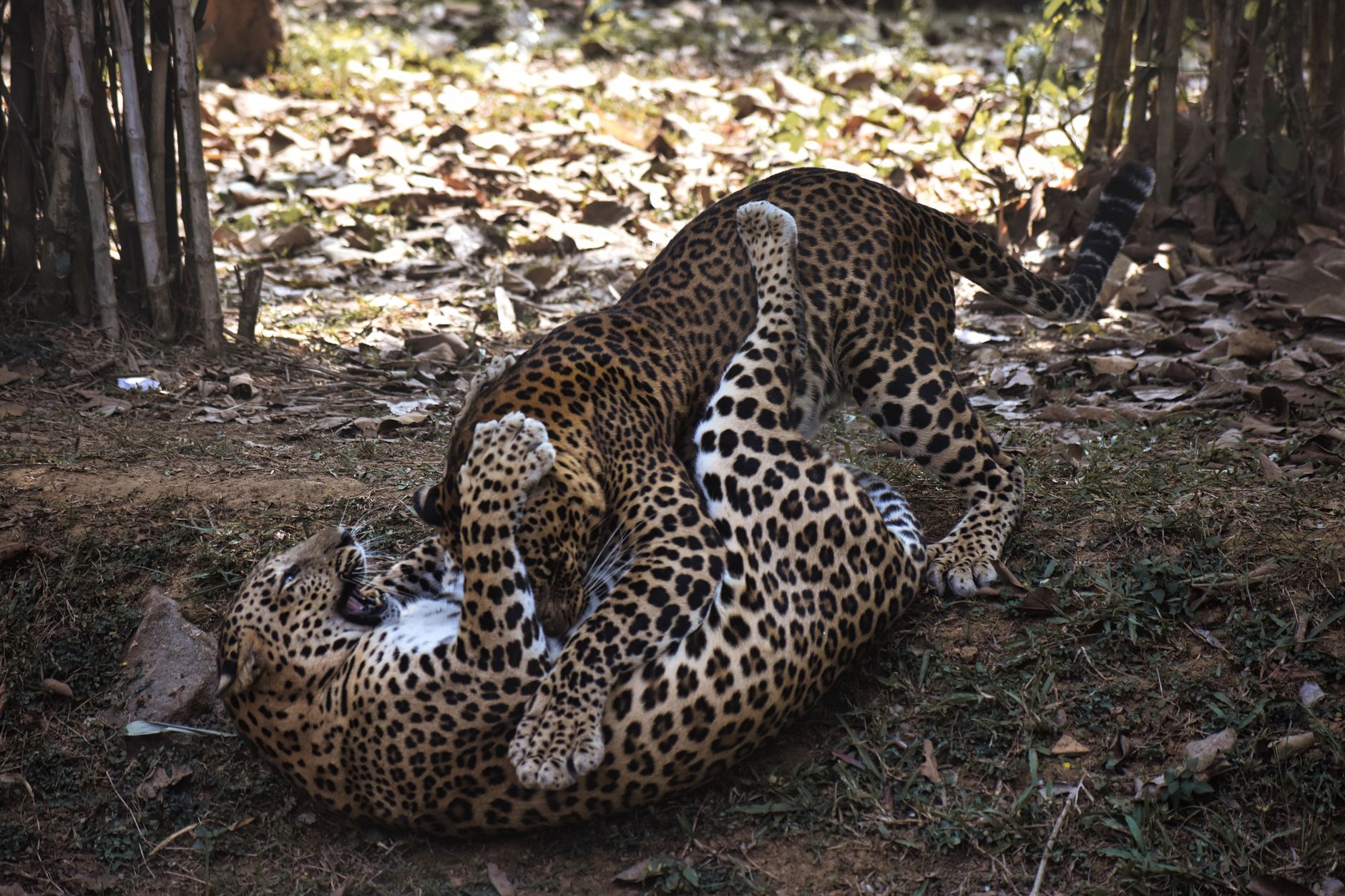
The essence of a leopard lies in its unique combination of physical attributes, behavioral adaptations, and ecological role. What makes a leopard a leopard? It’s their rosette-patterned coat, their powerful physique capable of both climbing and ambushing prey, and their adaptability to thrive in diverse habitats, from rainforests to savannas.
A Deep Dive into Leopard Identity
The leopard, Panthera pardus, is one of the five extant species in the genus Panthera, a member of the Felidae family. But what makes a leopard a leopard, distinct from its feline cousins? It’s more than just spots. We must delve into its genetic makeup, physical features, behavioral traits, and ecological niche to truly understand this magnificent creature.

What colours are fish most attracted to?
Can you put your finger in a trout's mouth?
Is methylene blue anti bacterial?
Does aquarium salt raise pH in aquarium?
Physical Characteristics: The Spot-On ID
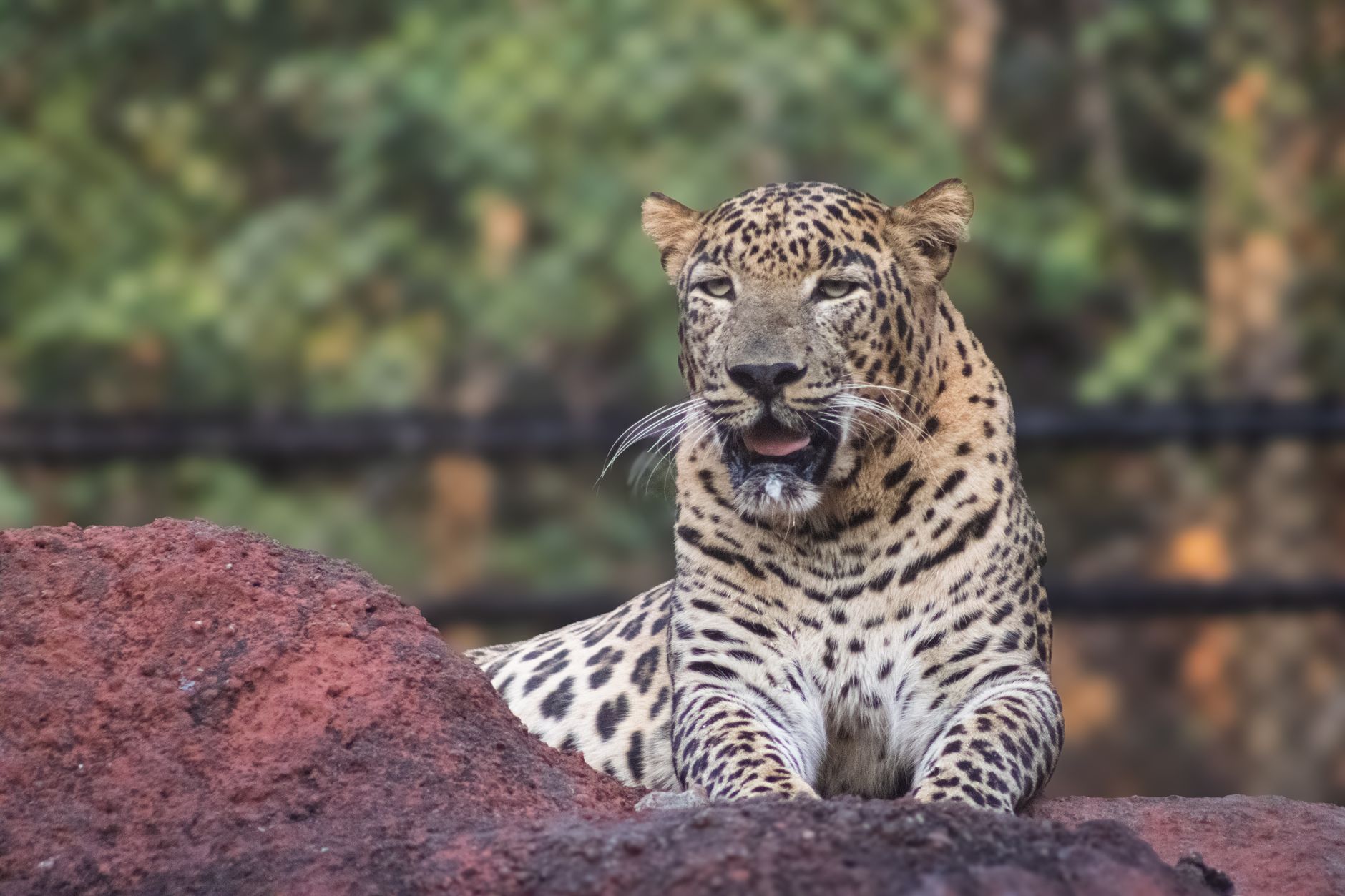
Leopards are renowned for their stunning coats, but the story goes far beyond mere aesthetics.
- Rosettes: Unlike the solid spots of a jaguar, a leopard’s coat features rosettes, which are rose-like markings with dark spots encircling a lighter central area. The pattern varies geographically, providing excellent camouflage in different habitats.
- Muscular Build: Their bodies are powerfully built, facilitating both agile climbing and explosive bursts of speed for hunting. This robust physique allows them to drag kills, sometimes exceeding their own weight, into trees, safe from scavengers.
- Size and Weight: Adult leopards typically weigh between 80 and 200 pounds and measure between 3 and 6.2 feet in length, excluding the tail. Size varies depending on the geographic location, with leopards in Africa generally larger than those in Asia.
Behavioral Adaptations: Masters of Stealth and Survival
Beyond physical attributes, behavioral adaptations are crucial to answering the question, what makes a leopard a leopard?
- Solitary Nature: Leopards are primarily solitary animals, except during mating season or when females are raising cubs. This solitary lifestyle minimizes competition for resources.
- Nocturnal Hunters: They are predominantly nocturnal hunters, using their exceptional senses of sight and hearing to locate prey under the cover of darkness.
- Climbing Prowess: Leopards are skilled climbers, often using trees as vantage points for spotting prey, as resting places, and as safe havens for their kills.
- Adaptable Diet: Their diet is incredibly diverse, ranging from small rodents and birds to larger ungulates like gazelles and deer. This adaptability allows them to survive in a wide range of environments.
- Ambush Predators: Leopards are masters of ambush, relying on stealth and camouflage to approach their prey undetected before launching a surprise attack.
Genetic Makeup: The Leopard Blueprint
Genetic analysis further clarifies what makes a leopard a leopard. Distinct genetic markers differentiate leopards from other Panthera species, confirming their unique evolutionary lineage. These markers also reveal genetic diversity within leopard populations across different continents, highlighting regional adaptations and conservation challenges.
Ecological Role: A Keystone Species
Leopards play a critical role in maintaining the health and balance of their ecosystems.
- Predator-Prey Dynamics: As apex predators, they help regulate populations of herbivores, preventing overgrazing and maintaining biodiversity.
- Scavenger Control: By consuming carrion, they help prevent the spread of disease and contribute to nutrient cycling.
- Habitat Indicator: The presence of healthy leopard populations is often an indicator of overall ecosystem health and stability.
Habitat and Distribution: A Versatile Survivor
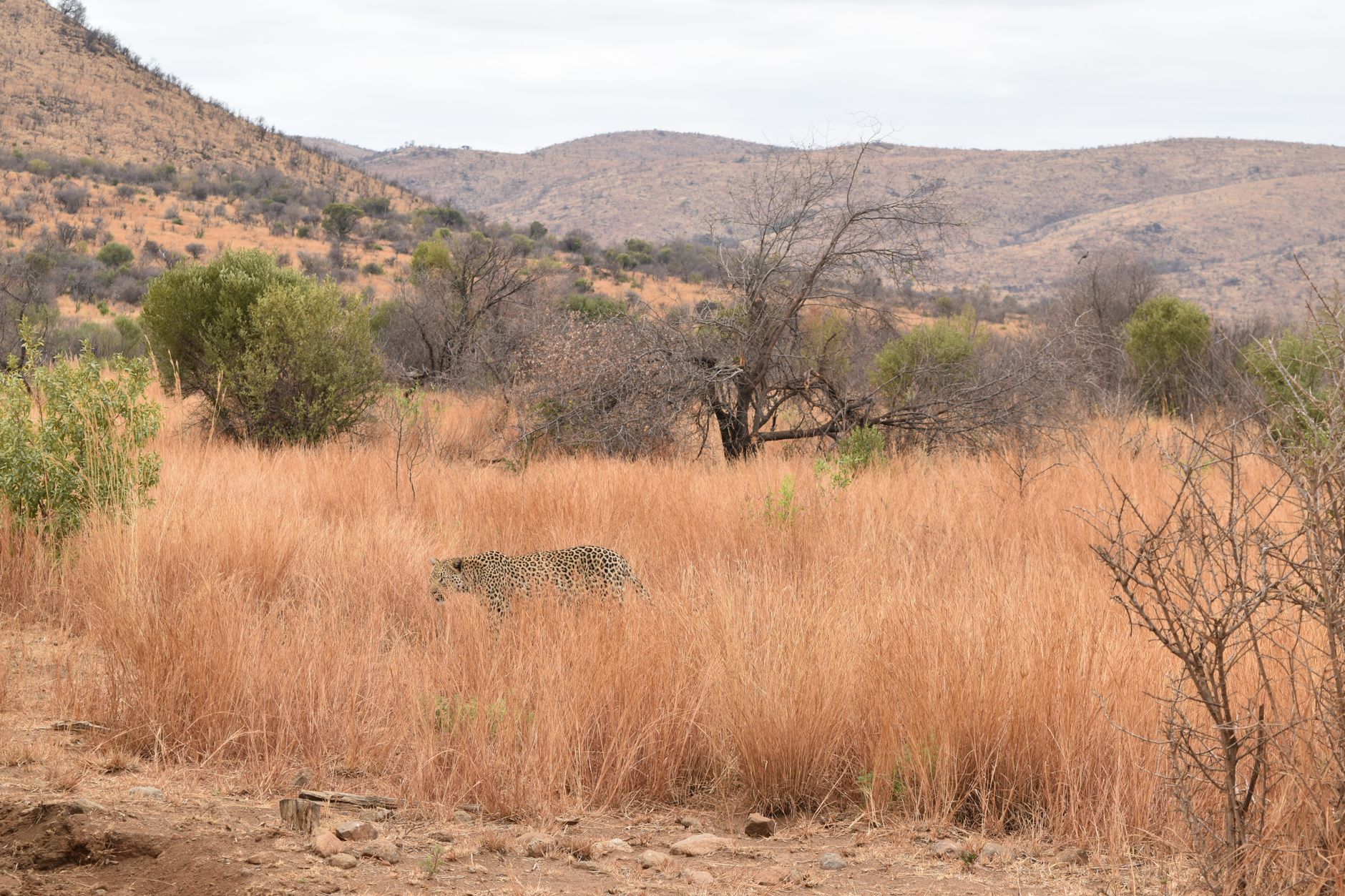
Leopards possess remarkable adaptability, thriving in a variety of habitats across Africa and Asia.
- Habitat Diversity: From rainforests and savannas to mountains and deserts, leopards have adapted to a wide range of environments. This adaptability is a key factor in their survival, allowing them to persist even in areas where other large predators struggle.
- Geographic Range: Historically, leopards had a vast range, but habitat loss, human conflict, and poaching have significantly reduced their distribution. Today, they are found in fragmented populations across Africa and Asia.
| Feature | Description |
|---|---|
| Rosette Pattern | Dark spots arranged in rose-like circles, unique to leopards. |
| Muscular Build | Powerful physique for climbing, hunting, and carrying prey. |
| Solitary Behavior | Primarily solitary animals, except during mating or raising cubs. |
| Nocturnal Hunting | Primarily nocturnal hunters, relying on stealth and keen senses. |
| Diverse Diet | Opportunistic feeders, consuming a wide range of prey. |
| Habitat Adaptability | Thriving in diverse environments, from rainforests to deserts. |
| Geographic Range | Fragmented populations across Africa and Asia. |
Conservation Status: A Species Under Threat
Despite their adaptability, leopards face numerous threats to their survival.
- Habitat Loss: Deforestation, agricultural expansion, and urbanization are destroying leopard habitats, reducing their range and fragmenting populations.
- Human-Wildlife Conflict: As human populations expand, conflicts with leopards increase, often resulting in retaliatory killings of leopards that prey on livestock.
- Poaching: Leopards are poached for their skins, bones, and other body parts, which are used in traditional medicine and fashion.
- Prey Depletion: Overhunting of leopard prey species reduces their food supply, impacting their survival.
Frequently Asked Questions (FAQs) About Leopards
What is the difference between a leopard and a jaguar?
The most obvious difference lies in their spots. Leopards have rosettes, which are rose-like markings with dark spots encircling a lighter central area, while jaguars have solid black spots inside their rosettes. Jaguars are also generally larger and more muscular than leopards and have a preference for wetter habitats.
Are black panthers just black leopards?
A black panther is not a separate species but rather a color variant (melanism) of either a leopard or a jaguar. In leopards, melanism is caused by a recessive gene. So, yes, a black panther can be a black leopard, but it could also be a black jaguar.
How fast can a leopard run?
Leopards are capable of reaching speeds of up to 36 miles per hour (58 kilometers per hour) in short bursts. This speed is crucial for ambushing prey.
What is the lifespan of a leopard?
In the wild, leopards typically live for 12 to 17 years. In captivity, they can live longer, sometimes exceeding 20 years.
What do leopards eat?
Leopards are opportunistic predators with a highly varied diet. They eat a wide range of animals, including ungulates (gazelles, deer), primates, rodents, birds, reptiles, and even insects. They are also known to scavenge on occasion.
Where do leopards live?
Leopards are found in a variety of habitats across Africa and Asia. Their range includes rainforests, savannas, mountains, and deserts. However, their populations are increasingly fragmented due to habitat loss.
Are leopards endangered?
While not globally classified as endangered, leopards are considered vulnerable by the International Union for Conservation of Nature (IUCN). Several subspecies are considered endangered or critically endangered, facing significant threats from habitat loss, poaching, and human-wildlife conflict.
How do leopards climb trees?
Leopards possess strong claws, powerful muscles, and a flexible spine, which allow them to climb trees with ease. They use their claws to grip the bark and their powerful limbs to propel themselves upwards. Their exceptional balance also helps them navigate branches.
How many cubs does a leopard typically have?
A female leopard typically gives birth to a litter of 1 to 3 cubs. The cubs are born blind and helpless and remain hidden in a den for the first few months of their lives.
How do leopards communicate with each other?
Leopards communicate through a variety of vocalizations, including roars, growls, hisses, and meows. They also use scent marking, leaving urine and feces to communicate territorial boundaries and signal their presence to other leopards.
How are leopards being protected?
Conservation efforts to protect leopards include habitat preservation, anti-poaching patrols, community-based conservation programs, and research to monitor leopard populations. International trade regulations also help to control the illegal trade in leopard skins and other body parts.
What makes a leopard a leopard, in a nutshell?
Ultimately, what makes a leopard a leopard is a complex interplay of genetics, physical attributes, and behavior. Their distinctive rosette pattern, their powerful physique, their adaptable hunting strategies, and their solitary nature all contribute to their unique identity and allow them to thrive in diverse and challenging environments. Their survival hinges on our ability to protect their habitats and mitigate the threats they face.