

What Kind of Hole Does a Possum Make? Identifying Possum Dens
The holes a possum makes vary considerably, but they are generally opportunistic and shallow, often existing natural cavities or pre-existing holes expanded upon for shelter rather than meticulously constructed burrows.

Understanding the Possum’s Opportunistic Nature
Possums, also known as opossums (though opossum is technically the more accurate term for the North American species, Didelphis virginiana), are not renowned for their architectural prowess. Unlike burrowing animals such as groundhogs or rabbits, possums prefer to take advantage of existing shelters. This opportunistic behavior is crucial to understanding what kind of hole does a possum make? Their primary goal is finding a safe, readily available space to rest, sleep, and raise their young.
What colours are fish most attracted to?
Can you put your finger in a trout's mouth?
Is methylene blue anti bacterial?
Does aquarium salt raise pH in aquarium?
Common Possum Den Locations

Possums seek out locations offering protection from predators and the elements. Common den sites include:
- Natural cavities: Hollow logs, tree stumps, rock crevices.
- Abandoned burrows: Left behind by other animals, such as rodents or foxes.
- Underneath structures: Decks, sheds, porches, and foundations of buildings.
- Attics and crawl spaces: Easily accessible areas of homes.
- Brush piles and dense vegetation: Offering concealment and limited protection.
Identifying a Possum Hole: Key Characteristics
When trying to identify if a hole is the work (or rather, the current residence) of a possum, look for these characteristics:
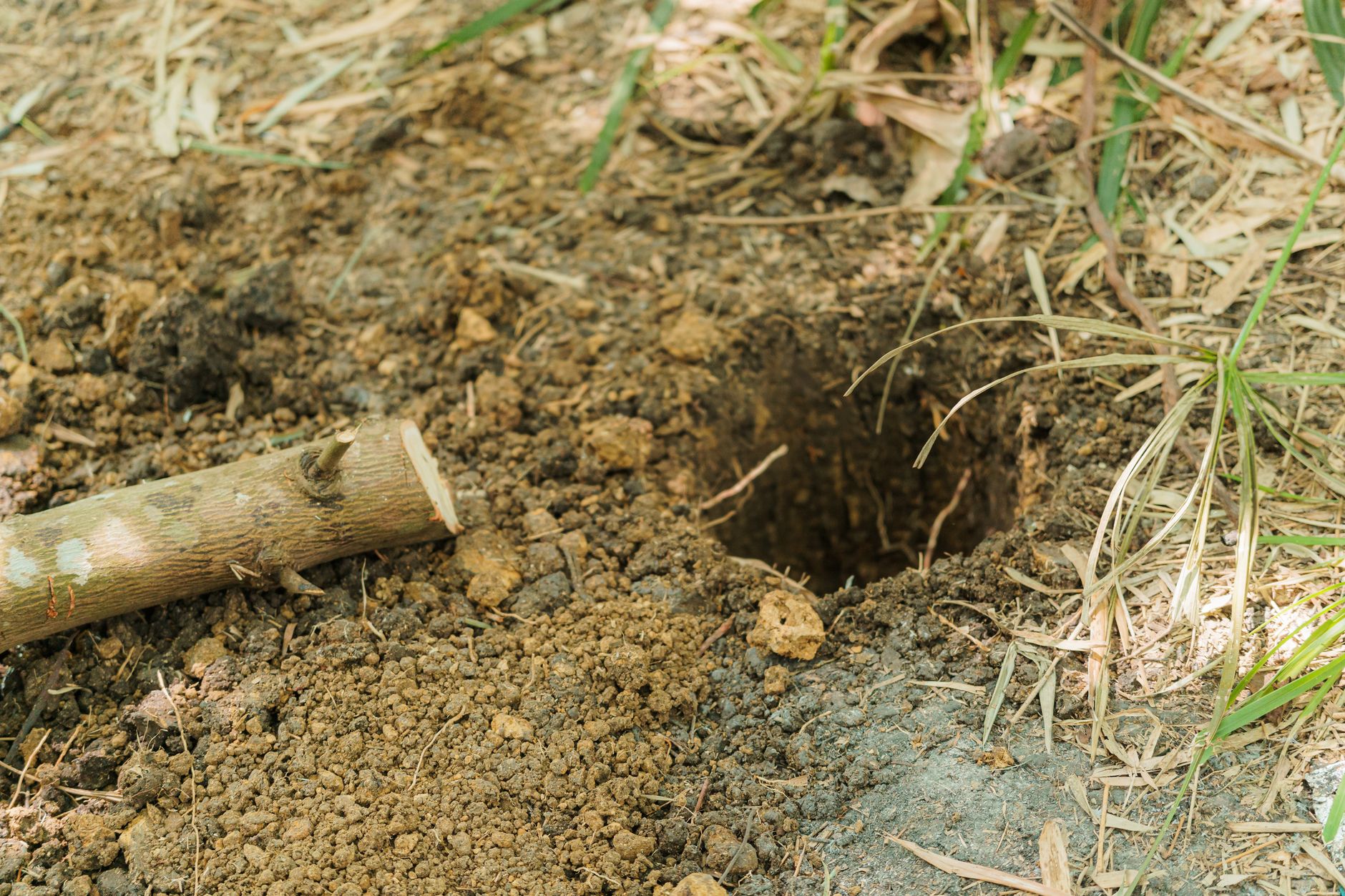
- Size: Typically larger than a rodent hole, but smaller than a fox or dog burrow. A hole about 4-7 inches in diameter is a likely candidate.
- Shape: Irregular and often lacking a defined entrance. Possums aren’t concerned with neatness.
- Location: Proximity to food sources (garbage, pet food, gardens) is a strong indicator.
- Signs of use: Look for scat (opossum droppings), tracks, or disturbed vegetation around the entrance. Also, a musky odor can be present.
- Materials: Possums might drag leaves, grass, and other soft materials into the hole for nesting.
Comparing Possum Holes to Other Animal Burrows
It’s helpful to differentiate possum holes from those of other animals:
| Animal | Hole Characteristics |
|---|---|
| Possum | Opportunistic, irregular, shallow, often existing cavity |
| Groundhog | Large, meticulously constructed burrows with multiple entrances |
| Rabbit | Smaller, often hidden entrances to shallow burrows |
| Skunk | Similar to possum, but often with a stronger, distinct odor |
| Rat | Small, often found near food sources, signs of gnawing |
Why Possums Don’t Typically Dig
Possums lack the physical adaptations for extensive digging. Their paws are primarily designed for grasping and climbing, not excavating. While they might scratch at the entrance of an existing hole to enlarge it slightly, they are not capable of creating a complex burrow system. Therefore, what kind of hole does a possum make? is really a question of what kind of existing hole they adapt for their use.
The Impact of Possum Holes on Your Property
While possum holes themselves are generally not structurally damaging, the presence of possums can lead to other problems:
- Nuisance: Possums can raid garbage cans, gardens, and pet food.
- Disease: They can carry diseases such as leptospirosis and parasites like fleas and ticks.
- Odor: Their droppings and urine can create unpleasant odors.
- Damage to structures: If they den in attics or crawl spaces, they can damage insulation and wiring.
Prevention and Control
Preventing possums from taking up residence on your property involves eliminating potential den sites and food sources:
- Seal up entry points: Repair holes in foundations, screens, and roofs.
- Secure garbage cans: Use tight-fitting lids and store cans in a shed or garage.
- Remove pet food: Don’t leave pet food outside overnight.
- Clear brush and debris: Reduce potential hiding places.
- Professional assistance: If you have a persistent possum problem, contact a wildlife removal specialist.
Understanding Possum Behavior
A deeper understanding of possum behavior provides insight into their denning habits. They are nocturnal creatures, spending the daytime resting in their chosen shelter. They are also highly adaptable, able to thrive in a variety of environments, from rural woodlands to urban areas. This adaptability contributes to their tendency to utilize whatever shelter is available, reinforcing the answer to what kind of hole does a possum make? – an opportunistic one.
Frequently Asked Questions About Possum Holes
What size hole is typically associated with a possum den?
Possum holes are generally 4-7 inches in diameter. This is large enough for an adult possum to comfortably enter and exit. However, the actual size can vary depending on the specific location and the size of the possum.
Are possum holes always underground?
No, possum holes are not always underground. In fact, they are often found in above-ground locations such as tree cavities, attics, and under decks. Possums are opportunistic and will use any available space that provides shelter.
How can I tell if a hole is actively being used by a possum?
Look for signs of recent activity such as fresh droppings, tracks, or disturbed vegetation around the entrance. You might also notice a musky odor emanating from the hole. Placing a small amount of flour near the entrance can help you track footprints.
Do possums dig their own burrows?
Generally, possums do not dig their own burrows. They lack the physical adaptations for extensive digging and prefer to utilize existing cavities or pre-made holes.
What should I do if I find a possum hole on my property?
The best course of action is to observe the hole from a safe distance to determine if it is actively being used. If you confirm that a possum is present, you can contact a wildlife removal specialist to safely remove the animal.
Is it safe to approach a possum hole?
It is generally not recommended to approach a possum hole. Possums may feel threatened and could bite or scratch. It’s always best to maintain a safe distance and avoid direct contact.
Can possums cause structural damage to my home?
While possums don’t usually dig holes that cause structural damage, if they establish a den inside your home (attic, crawlspace), they can damage insulation, wiring, and create unsanitary conditions.
What is the best way to prevent possums from making holes on my property?
The best way to prevent possums is to eliminate potential den sites by sealing up entry points to your home, securing garbage cans, and removing brush and debris from your yard.
Are possums dangerous to pets?
Possums are generally not aggressive towards pets, but they can carry diseases and parasites that could be harmful. It’s best to keep pets away from possum holes and any areas where possums are known to frequent.
Do possums return to the same hole every year?
Possums may return to the same hole if it provides a suitable shelter. However, they are also nomadic and may move to different locations depending on food availability and other factors.
What is the typical lifespan of a possum?
In the wild, possums typically live for 1-2 years. In captivity, they may live longer, but this is uncommon.
If I trap a possum, can I relocate it?
Relocating possums is generally not recommended. It can be stressful for the animal and may also be illegal in some areas. Additionally, relocated possums often struggle to survive in unfamiliar environments. The best approach is to prevent them from entering your property in the first place.